

The smartest homes today are not the ones doing more. They are the ones asking for less. Less fixing. Less checking. Less worrying. And in return, they get better performance, lower bills, and a calmer everyday rhythm.
That is the quiet shift happening inside modern Indian homes right now.
Not louder technology.
Smarter systems.
And it shows up in the small moments we often ignore.
The AC that does not demand a service call every season.
The washing machine that runs night cycles without shaking the floor.
The fridge that keeps food fresher without manual temperature guesswork.
This is what less maintenance, better performance really looks like in real life.
Why maintenance has become the hidden cost of modern living
We rarely calculate maintenance when buying appliances.
We look at the price.
We look at features.
We look at design.
But over time, maintenance becomes an invisible tax.
- Missed service visits during busy workweeks
- Unexpected repair costs during festive months
- Performance drops that feel gradual but constant
A machine that needs attention every few months does not feel premium after year two.
Efficiency is not just about energy ratings. It is about how little attention a system demands to keep performing well.
That is the real upgrade.
The systems shift most households are already making
Look closely and you will notice a pattern.
Homes are moving away from manual control and towards self-regulating systems.
Not because people love technology.
But because people love predictability.
Here are the three options most households face today:
1. Manual-heavy appliances
Lower upfront cost. Higher long-term effort. Frequent servicing and performance drops.
2. Feature-rich but maintenance-heavy appliances
Good on paper. Demanding in reality. Needs constant calibration and care.
3. Smart, low-intervention appliances
Built to adjust automatically. Fewer breakdown points. Stable performance over time.
Most families start at option one.
They migrate to option three once life gets busier.
Less maintenance is not laziness. It is design intelligence
There is a misconception that low maintenance means cutting corners.
In reality, it means better engineering decisions.
Fewer moving parts.
Smarter load sensing.
Motors that do not rely on belts or friction-heavy components.
Take washing machines as an example.
Traditional motors wear down because of belts, pulleys, and constant vibration. Over time, noise increases. Efficiency drops. Maintenance rises.
Modern designs eliminate these friction points altogether.
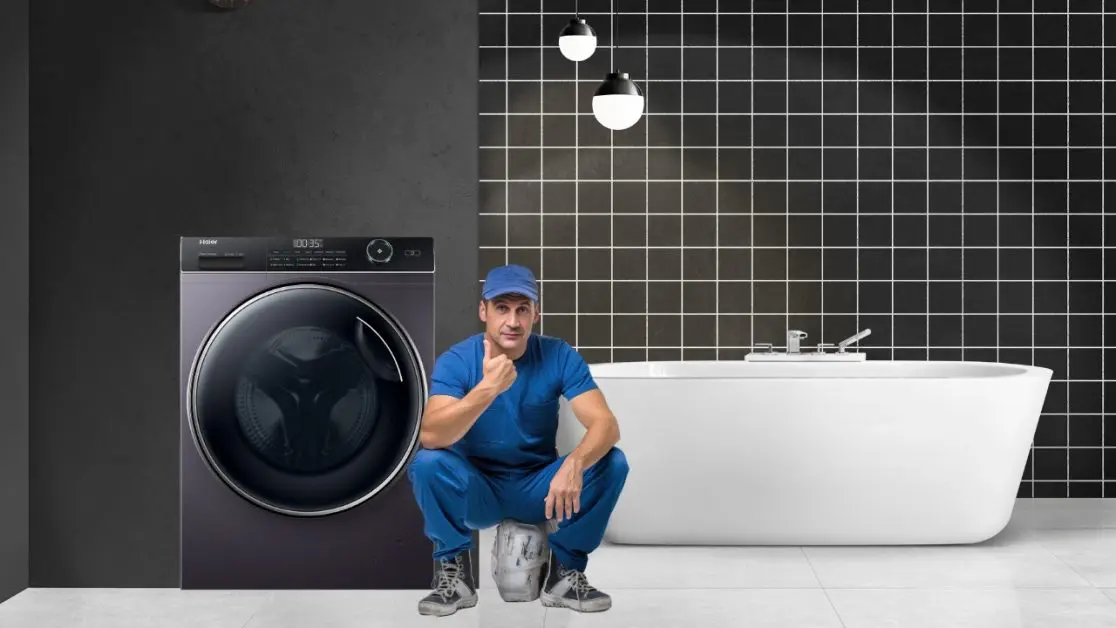
Direct drive systems connect the motor directly to the drum, reducing wear and tear while improving wash precision and energy efficiency. This design choice alone can reduce mechanical stress significantly over years of use .
When systems are simpler, performance lasts longer.
The night test that reveals real performance
Here is a test every Indian household understands.
Can your appliance run at night without disturbing the house?
Night-time operation exposes weak systems instantly.
- Excess vibration
- Inconsistent cycles
- Noise that travels through walls
Machines designed for low maintenance often pass this test easily because they are built for stability first, not speed alone.
Silent or low-noise night wash modes are not lifestyle features. They are proof of mechanical balance and motor efficiency .
If a machine behaves well at night, it will behave well for years.
Energy efficiency improves when systems think for themselves
Manual control often leads to overuse.
Too much water.
Too long cycles.
Higher electricity bills.
Smart systems reduce this quietly.
Automatic load weighing adjusts water levels and wash duration without user input. Eco modes fine-tune energy use based on real load conditions, not assumptions.
The result is simple.
- Lower monthly costs
- Consistent performance
- Less strain on internal components
Efficiency becomes a byproduct of intelligence, not discipline.
This is where modern Indian homes win.
Why low maintenance matters more for families and working professionals
Time has become the most expensive resource.
For working professionals living solo, maintenance delays disrupt routines.
For parents, breakdowns during school weeks or festivals add stress.
For new couples setting up homes, unexpected repairs eat into budgets.
Low-maintenance appliances reduce these friction points.
Not dramatically.
Quietly.
And that quiet consistency compounds.
Where brands like Haier India fit into this shift
Some brands are no longer selling machines. They are selling mental space.
Appliances that sense, adjust, and correct themselves reduce the cognitive load on households. Features like one-touch AI wash, eco-regulated cycles, and durable motor designs exist to remove decision fatigue, not add buttons.
Long motor warranties are not marketing claims. They are confidence statements backed by engineering choices that prioritise durability over complexity .
When a brand designs for longevity, maintenance becomes optional, not inevitable.
The hidden link between performance and peace of mind
Performance is not just output.
It is reliable under routine stress.
A fridge during summer power fluctuations.
An AC during peak humidity weeks.
A washing machine handling back-to-back loads during festival prep.
High-maintenance systems fail under repetition.
Low-maintenance systems are designed for it.
This is why better performance today looks calmer, not faster.
Choosing smarter does not mean choosing complicated
The smartest systems feel boring in daily use.
No alerts.
No adjustments.
No surprises.
That is the goal.
A well-designed appliance should disappear into daily life while doing its job consistently.
The best compliment you can give a machine is forgetting about it
What this means for the future of Indian homes
Homes are becoming more intentional.
People want fewer interruptions.
Lower ownership stress.
Technology that works in the background, not the spotlight.
Less maintenance is not a feature anymore.
It is a baseline expectation.
And better performance is no longer about doing more.
It is about doing the same thing well, every single time.
That is the smarter way forward.
Not louder.
Not flashier.
Just quietly efficient.