

When the weather is cool but the air feels sticky, the smartest thing you can do is switch your appliances to their low-energy modes.
These settings are designed to maintain comfort, cut electricity costs, and keep your home running smoothly without overworking machines.
Why “Cool-But-Sticky” Weather Feels So Unsettling

Every Indian household knows this season.
The ceiling fan is enough to keep you from sweating, but somehow your clothes never dry. The mornings are crisp, but by evening the air feels heavy and damp. It’s not hot enough for full-blast AC, yet not cool enough to skip it entirely.
This is the in-between season, neither summer nor winter, a zone where energy use spikes because we don’t know which setting to trust.
The real problem? We either run appliances harder than needed or keep switching them on and off. Both waste energy and disrupt comfort.
What a Low Energy Setting Actually Does
Low energy modes aren’t about compromise. They’re about precision.
Think of them as a middle path keeping humidity, temperature, and power use balanced. Instead of brute force cooling or heating, the appliance adapts intelligently to the actual need of the moment.
- ACs on eco-mode maintain comfort without cycling endlessly.
- Washing machines with night wash or iRefresh programs clean and freshen with less energy and water.
- Smart fridges on holiday mode adjust cooling to save electricity when you’re not storing as much food.
In short, low energy settings are like cruise control for your home. Once you set them, they quietly manage the in-between without demanding constant attention.
The Hidden Cost of Ignoring Low Energy Modes

Let’s make this tangible.
If you run a 1.5-ton AC at full capacity for three hours in sticky weather, you’re paying for cooling power you don’t really need. Most of that energy goes to fighting humidity, not heat. That’s like hiring a cab to drive you five minutes instead of just walking. It works, but it’s not efficient.
Now multiply that habit across your fridge, washing machine, and water heater. You don’t just add to your electricity bill you also reduce appliance lifespan.
The insight is simple: over-cooling and over-washing are silent money leaks.
How Modern Homes Can Use Low Energy Settings Smarter
1. When Your Clothes Just Won’t Dry Indoors
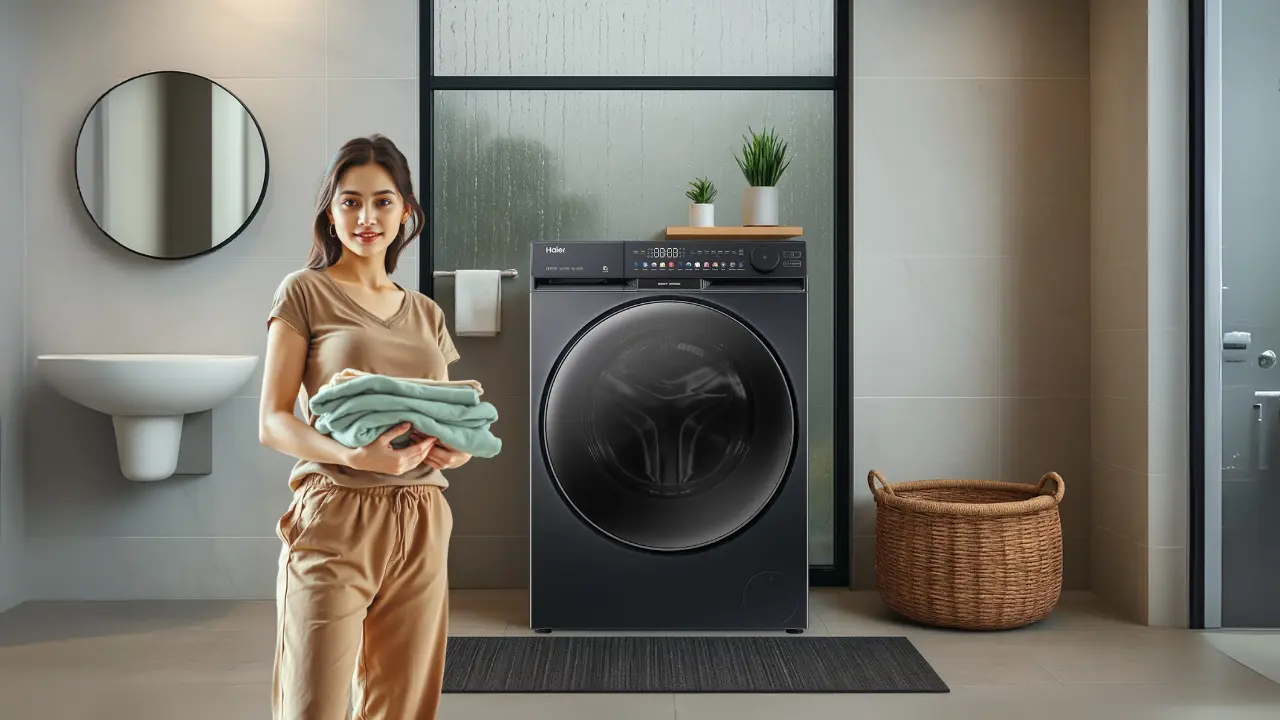
In coastal cities like Mumbai or Chennai, humidity clings to fabrics. Instead of running a full wash-and-dry cycle, switch to steam care on Haier front-load washing machines. It removes odours, reduces wrinkles, and saves the heavy spin for when it’s really needed.
2. During Late-Evening Family TV Time
The living room feels stuffy, but not enough for full cooling. Eco-mode on an AC maintains airflow and brings down stickiness without chilling the room. You cut power use while keeping everyone comfortable.
3. When Guests Drop In Unexpectedly
The fridge is working overtime with snacks, drinks, and leftovers. Low energy modes ensure stable cooling without pushing the compressor at full throttle. Food stays fresh, bills stay calm.
The Science Behind Energy Efficiency
Two invisible systems make this work:
- Inverter Technology – Instead of switching on and off, the motor adjusts speed to match real need. Smooth, silent, and efficient.
- Direct Motion Motors – Found in Haier washing machines, these run vibration-free, reducing wear while keeping cycles energy-light.
This isn’t just about one brand. It’s a shift in appliance design itself. Homes are moving from control through effort (turning dials, checking timers) to control through intelligence (letting sensors, AI, and eco-modes decide the right balance).
Why Millennials and Gen Z Are Leaning In

Younger households are often the first to adopt these habits. Why?
- They juggle remote work, social commitments, and solo living. Time is scarce.
- Rising electricity bills in metros make energy settings less of an option, more of a necessity.
- Climate consciousness isn’t abstract; it’s lived every day when the power cuts mid-monsoon.
For this generation, low energy settings are less about saving money and more about designing a smarter rhythm of living.
Everyday Scenarios Where Low Energy Modes Shine
Here’s a practical way to think about it:
| Situation | Old Way | Smarter Way |
| Humid night, kids asleep | Full AC, high bill | Eco-mode, steady comfort |
| Clothes lightly worn | Full wash cycle | Quick refresh steam care |
| Out of town 3 days | Fridge running full | Holiday mode |
| Morning shower | Full water heater | Low-power warm mode |
Patterns emerge. The middle path works better than the extremes.
The Haier Angle: Quiet Innovation in Daily Life
Haier’s latest washing machines (10 kg and 12 kg F9 series) come with features that are low energy by design:
- One-Touch AI Wash that senses load and dirt before deciding cycle time.
- Night Wash for silent, energy-efficient cleaning while you sleep.
- Pillow-shaped drums that protect fabrics while using less water.
These aren’t big flashy upgrades. They’re subtle changes that quietly reshape how you experience laundry day.
The bigger point? Appliances today aren’t just about tasks. They’re about how smoothly those tasks blend into your life.
The Bigger System at Play

Cool-but-sticky weather is just a metaphor.
Life often sits in that awkward in-between. Not urgent enough for a big decision, not relaxed enough to ignore. That’s where energy is wasted whether in our homes, our schedules, or our work.
Low energy settings remind us: balance beats extremes.
So What Does This Mean for Your Home?
It means comfort doesn’t have to be costly.
It means smarter modes aren’t compromises but optimisations.
It means the invisible system eco-modes, direct motion motors, inverter tech is quietly reshaping Indian homes.
The next time the air feels cool but sticky, resist the urge to crank things up. Trust the low energy setting. It’s not just saving power. It’s teaching us a better way to live.
Final thought
Low energy is not about doing less. It’s about doing just enough precisely, intelligently, and sustainably. And in India’s shifting climate and crowded cities, that’s the difference between merely surviving the season and actually enjoying it.