


The microwave detox trend is less about “cleansing your body” and more about resetting how Indian households cook, eat, and store food as the monsoon fades.
It’s not about fasting, it’s about simplifying, lightening, and using smarter tools (like convection microwaves) to make fresh, oil-free meals with less hassle.
Why “Detox” Suddenly Became a Kitchen Word

Every season in India carries its own rituals. Summers are about mangoes and curd rice. Winters, about ghee-rich parathas. And monsoons? About pakoras, chai, and endless fried comfort.
But when September rolls into October, something changes. The rains thin, the air feels lighter, and households quietly shift gears. Too many fried snacks leave everyone sluggish. Families start talking about detox. Not as a medical plan, but as a cultural reset.
A microwave becomes part of this story. Not the old “reheat only” box, but today’s convection models that let you air-fry, grill, steam, and even bake all without drowning your food in oil.
What Does “Microwave Detox” Really Mean?
The phrase sounds like clickbait. But in practice, it’s about three things:
1. Cutting oil without cutting flavour
Modern microwaves like Haier’s 20L Convection with Mirror Glass Design let you fry food with little to no oil. Think samosas that are crisp but not greasy.
2. Cooking fresher, smaller portions
Instead of a giant kadai of pakoras, people are experimenting with single-serve bowls of sprouts, grilled paneer, or steamed momos.
3. Cleaning the slate for the festive season
Detox becomes less about dieting and more about preparing the body for what’s ahead Durga Puja bhogs, Diwali mithai, Christmas plum cakes.
In short: the microwave detox is not punishment. It’s permission to eat smarter.
Why Now? The Seasonal Shift at Play

Monsoon excess creates its own problem. Oil-heavy food slows digestion, humidity increases food spoilage, and everyone starts craving lighter meals.
Enter this new “detox through appliances” mindset. Instead of turning to raw juices or expensive cleanses, households are relying on smarter microwaves:
- To steam idlis without sticking
- To air-fry aloo tikki with crunch
- To grill chicken with fewer spices but more smokiness
It’s seasonal wisdom meeting modern tools.
Everyday Examples That Make It Real
Let’s ground this in lived-in moments:
- Working professionals: After weeks of ordering kachoris and chai in office canteens, a quick microwave detox looks like steaming corn or reheating homemade dal without extra oil.
- Parents of teenagers: Instead of handing them fried chips, they try the bread basket function in the 25L Haier microwave to make garlic naan or whole wheat kulchas.
- Fitness enthusiasts: They swap deep-fried chicken nuggets for rotisserie-grilled kebabs in the 30L Haier with an in-built air fryer.
Notice the pattern? Detox is not about saying no. It’s about saying not this way.
What Makes Microwaves Perfect for a Detox Reset?
Three design shifts explain why microwaves now sit at the centre of this trend:
1. Oil-free cooking modes
Haier’s range offers oil-free frying and dedicated air fryer menus.
2. Pre-set auto cook menus
With 305 pre-set menus in the 25L and 30L models, you don’t need to guess cooking times. Perfect for weekday resets when decision fatigue is real.
3. Deodorizer and easy-clean cavities
The 25L microwave’s deodorizer removes odours, which is a small but vital part of detox no stale smells lingering in the kitchen.
The Costs and Benefits of This Trend

Like any cultural shift, this one has trade-offs.
Benefits
- Less oil intake, fewer digestion issues
- Faster cooking, especially for small families or solo professionals
- Greater variety: you can try baking, grilling, steaming without extra gadgets
Costs
- A learning curve: families used to frying everything need time to trust the process
- The upfront price: Haier’s 20L model starts at ₹11,490, the 25L at ₹14,990, and the 30L at ₹18,990
- Not every “detox” dish tastes identical to its fried cousin
But the balance tilts positive. Because the real cost is continuing to eat the old way, while your body (and schedule) begs for lighter options.
Is Microwave Detox Just Another Fad?
Let’s test it against the fad checklist:
- Is it seasonal? Yes. It peaks post-monsoon.
- Does it require extreme effort? No. It uses the same appliance already in most kitchens.
- Does it help beyond aesthetics? Yes. It improves digestion, reduces oil, saves time.
That makes it less of a fad, more of a seasonal ritual that may stick. Like spring cleaning, but for your body and kitchen.
How to Practically Do a Microwave Detox
Think of it as a three-step framework:
1. Replace, don’t remove
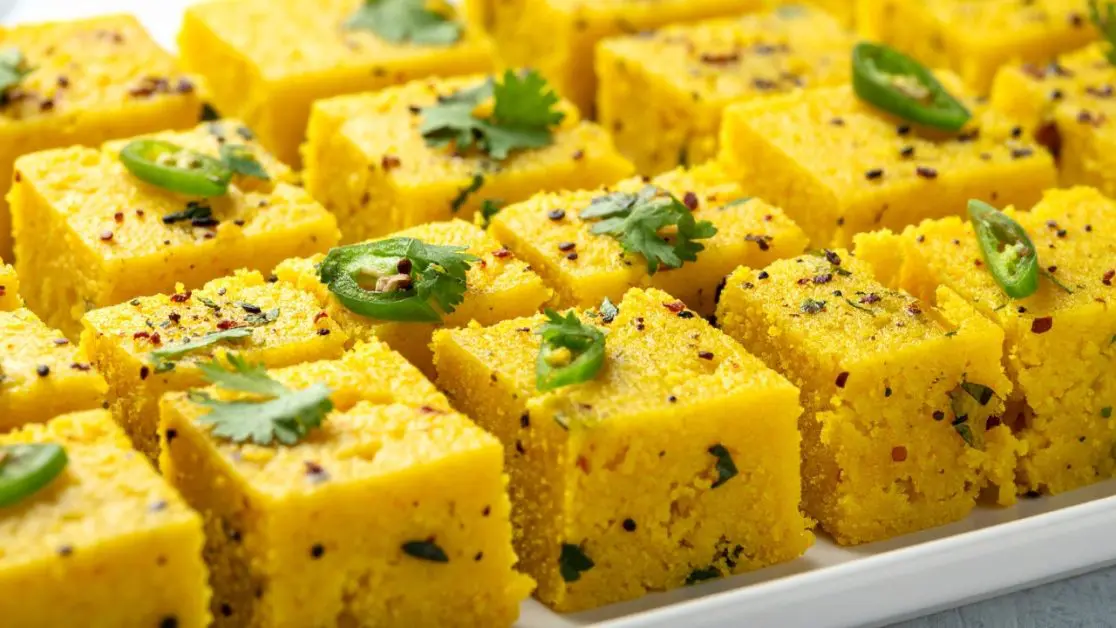
Replace fried pakoras with air-fried versions. Replace reheated samosas with steamed dhokla.
2. Shrink portion sizes
Use single-serve bowls or plates. The microwave naturally encourages smaller batches.
3. Add freshness daily
Steam vegetables for 3–5 minutes. Warm up sprouts with spices. Grill seasonal fruits like pineapple or apple slices.
It’s about consistency, not extremes.
The Larger Implication: Smart Appliances as Seasonal Partners
Zoom out, and the microwave detox reveals a deeper truth:
Appliances aren’t just machines. They’re seasonal companions.
- In winter, a water heater is comfortable.
- In summer, a smart AC is survival.
- In monsoon’s aftermath, a convection microwave becomes a reset button
Haier’s range from the compact 20L Mirror Glass model to the 30L Air Fryer powerhouse embodies this idea. They fit into life’s rhythms instead of forcing new ones.
Final Thought: Detox Is Not About Less, But About Better
The microwave detox isn’t about denial. It’s about choice. About using technology to align with how your body and culture naturally want to reset as seasons shift.
Because detoxing is not about eating less.
It’s about cooking better. Faster. Lighter. Smarter.
And in modern Indian homes, that better choice often begins with what sits quietly on the kitchen counter, a microwave that does more than just reheat.