


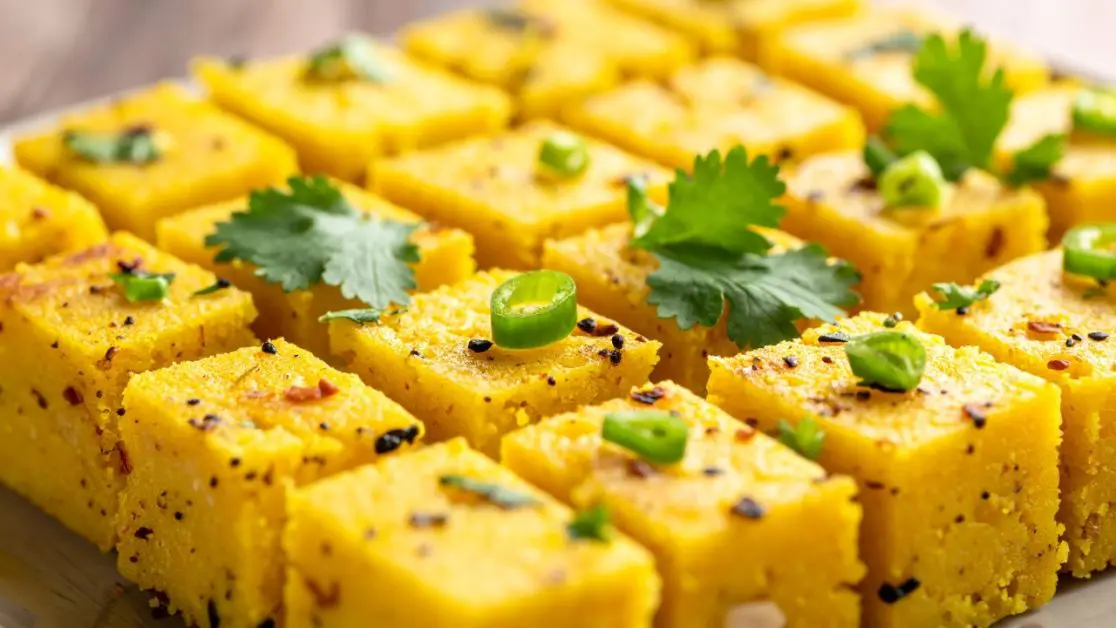
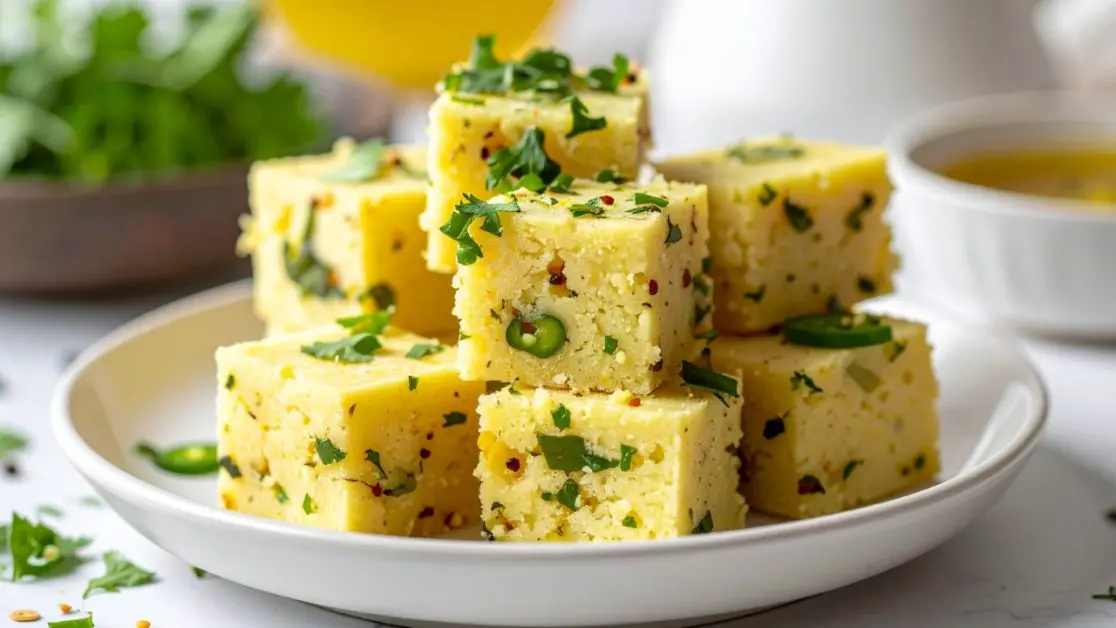
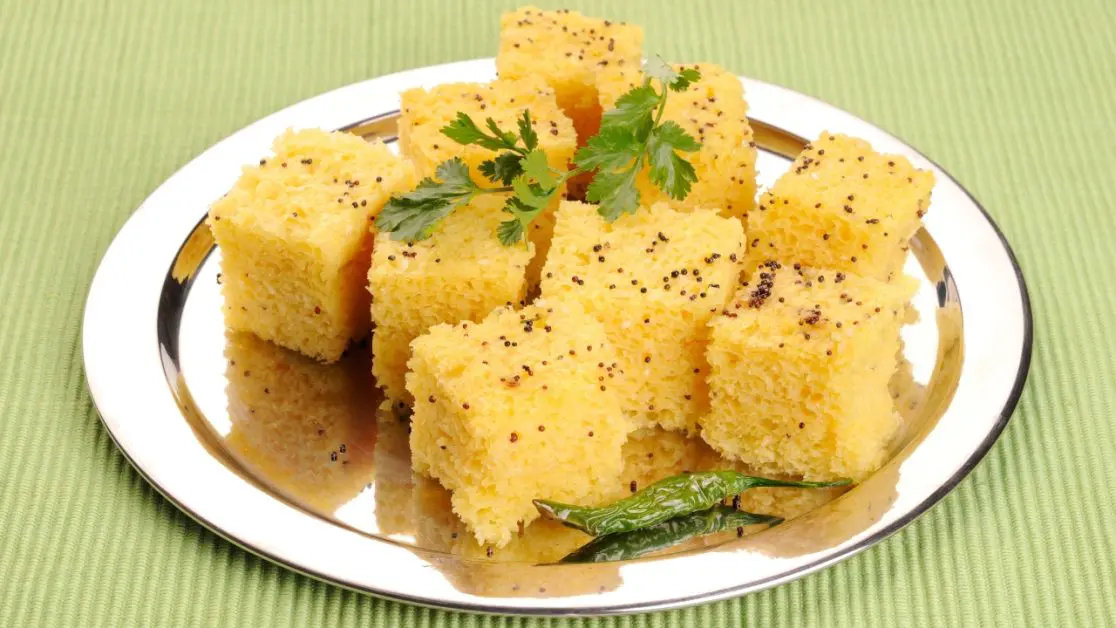
This week, India collectively rediscovered a simple truth: the quickest route to comfort sometimes runs through a microwave. And the dish in the spotlight? Soft, spongy, golden dhokla.
Yes, the humble Gujarati snack that once needed steaming, patience, and the right-sized cooker has become the internet’s most-downloaded recipe reimagined for the microwave.
It’s fast. It’s light.
And it perfectly captures what modern Indian kitchens are craving right now, tradition made easier.
Why did microwave dhokla trend this week?
Every viral recipe tells us something about the times we’re living in. Think about it:
- Festive prep colliding with busy schedules: Navratri nights, Durga Puja days, and office deadlines all running at once.
- Health-conscious snacking: People want something filling yet light, not deep-fried.
- Quick turnaround meals: Gen Z doesn’t want to wait 45 minutes when the microwave can deliver in 10.
Microwave dhokla isn’t just food, it’s a system upgrade. It solves the tension between time, taste, and tradition.
The microwave is no longer just for reheating
A decade ago, most Indian homes saw microwaves as reheat machines. Today, that definition feels outdated.
Consider the Haier 25L Convection Microwave with Bread Basket (HIL2501CBSH). With 305 auto cook menus, you’re not just warming leftovers you’re making naan, paratha, tandoori roti, even ghee and paneer at home.
Or the 30L Convection Microwave with In-Built Air Fryer (HIL3001ARSB). It carries 36 dedicated air fryer menus and a motorized rotisserie, turning your microwave into a multi-station cooking partner.
When you put dhokla into this context, it’s not surprising it went viral. A dish once chained to stovetop steaming now thrives in the one appliance that young households trust to do it all.
The anatomy of a viral recipe
What makes one recipe spike in downloads while others languish? Three hidden systems at work:
1. Cultural timing
Dhokla isn’t seasonal, but it feels perfect during festivals, easy to serve, vegetarian, and sharable.
2. Technical simplicity
Microwave dhokla has a five-step clarity. Mix. Rest. Pour. Cook. Temper. That’s the exact rhythm busy kitchens need.
3. Emotional memory
Every Indian has a dhokla memory train snacks in Gujarat, office tiffins in Mumbai, or mother-in-law’s tray during family get-togethers. A recipe that unlocks nostalgia in 10 minutes? That’s viral gold.
Microwave vs. Steamer: What really changes?
Let’s compare:
| Factor | Traditional Steamer | Microwave Convection (e.g., Haier 20L HIL2001CSSH) |
| Time | 30–40 minutes | 8–10 minutes |
| Equipment | Idli stand / steamer vessel | Any microwave-safe dish |
| Texture | Soft, sometimes uneven | Consistently fluffy (thanks to even heating) |
| Cleanup | Multiple utensils | Single bowl, easy clean |
| Energy use | Continuous stovetop flame | Controlled power levels |
The win isn’t just about speed. It’s about removing friction. That’s why households with students, working couples, and even parents with school-going kids are switching to microwave dhokla as a weekday staple, not just a festive snack.
Step-by-step: The most-downloaded microwave dhokla recipe

Here’s the exact version trending across recipe platforms this week:
Ingredients
- 1 cup gram flour (besan)
- 1 tbsp semolina (rava)
- 1 tbsp lemon juice
- 1 tsp green chilli-ginger paste
- 1 tsp ENO fruit salt (added just before cooking)
- 1 tsp sugar
- Salt to taste
- ½ cup water (adjust consistency)
Tempering
- 1 tbsp oil
- 1 tsp mustard seeds
- 1 sprig curry leaves
- 2 green chillies, slit
- Pinch of asafoetida
- Fresh coriander and grated coconut for garnish
Method
1. Mix besan, semolina, sugar, salt, lemon juice, and ginger-chilli paste with water to form a smooth batter. Rest for 10 minutes.
2. Add ENO, mix gently, and pour into a greased microwave-safe dish.
3. Cook on high power for 6–8 minutes (Haier 20L convection microwave gives best results around 7 minutes).
4. Let it cool slightly before cutting into squares.
5. Heat oil, add mustard seeds, curry leaves, chillies, and asafoetida. Pour tempering over dhokla.
6. Garnish with coriander and coconut. Serve warm.
Total time: Under 15 minutes.
Three ways households are using this recipe
1. Office Tiffin Hack
Parents prepping quick morning snacks find microwave dhokla fits perfectly in lunchboxes. Stays soft till noon.
2. Post-Workout Fuel
Gen Z fitness enthusiasts use it as a light protein-carb combo, paired with chutney or yoghurt.
3. Festive Party Platter
Joint families batch-make microwave dhokla in under 30 minutes using larger 25L–30L models, cutting them into bite-sized cubes for guests.
Why microwaves unlock “hidden menus” of Indian food
Indian food wasn’t built for speed. Pressure cookers came close. But microwaves especially with auto-cook menus and combination modes are quietly changing the design of our meals.
Think about it:
- A Haier 25L convection microwave can bake cakes, grill paneer tikka, and steam rice all while deodorising itself.
- A Haier 30L microwave with an air fryer turns samosas into crispy perfection with 36 dedicated fry menus.
The dhokla story is really about this shift. Once you trust your microwave with something as sacred as steamed dhokla, you start trusting it with much more.
Beyond dhokla: What’s next?
If dhokla can dominate downloads, what might be next?
- Microwave Khandvi: Another Gujarati staple, tricky on gas but simplified by even microwave heating.
- Air-fried samosas: Already trending with Haier’s 30L models. Crisp without oil.
- Festival sweets: Gajar ka halwa and moong dal halwa are gaining microwave versions.
The bigger story? Indian kitchens are moving from equipment-based cooking (pressure cooker, kadhai, tandoor) to platform-based cooking. The microwave isn’t a box. It’s a platform with 66 menus in one model, 305 in another.
The implications for Indian homes
Every appliance adoption in India tells a larger story:
- Refrigerators once meant cold water, now they mean smart food planning.
- TVs once meant Doordarshan, now they mean home theatres with Dolby.
- Microwaves once meant reheating, now they mean dhokla in 10 minutes.
The pattern is clear: what starts as convenience ends up redefining culture.
Final insight: Dhokla as a metaphor
This week’s most-downloaded recipe isn’t just about food. It’s about the system upgrade Indian households are quietly embracing.
- Tradition doesn’t have to mean inconvenience.
- Technology doesn’t have to feel intimidating.
- When the two meet, culture evolves.
Microwave dhokla is proof. The snack your grandmother swore by is now the snack your teenager can make after school without supervision, without waiting, without compromise.
And that’s the real story, not just how we eat, but how we live, share, and adapt.