


When humidity drops, the microwave-steaming trick works better because low-moisture air allows steam inside the bowl to build faster and cook food more evenly.
In practical terms, your veggies stay crisp-tender, your idlis fluff higher, and your momos feel closer to restaurant-fresh.
Why Steam Matters in Indian Kitchens
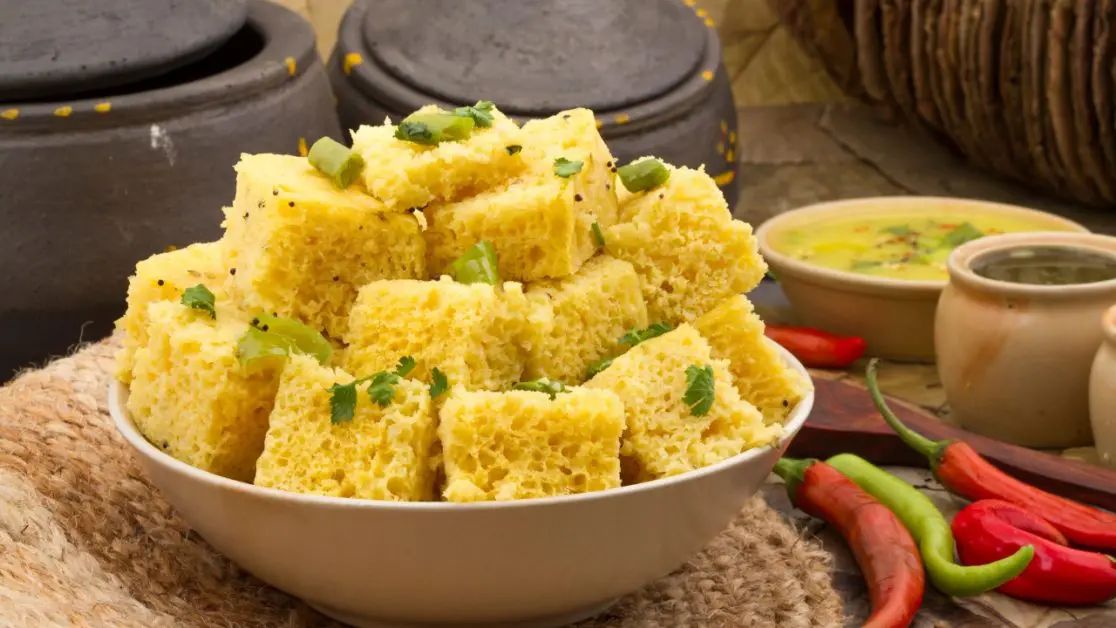
Steam is the invisible player in every Indian kitchen.
Think about it:
- The puff of vapour that makes dhokla spongy.
- The hot mist that keeps momos tender.
- The cloud that softens leftover rice without turning it gummy.
Steam is not just heat. It’s hydration in motion. And when humidity in the air dips like during winter in North India or air-conditioned apartment living steam becomes even more powerful because the air outside your microwave isn’t competing with the water inside your bowl.
What Exactly Is the Microwave-Steaming Trick?
It’s simple. Place chopped veggies, dumplings, or even day-old chapatis in a microwave-safe bowl. Add a splash of water. Cover loosely with a lid or microwave-safe plate. Heat for 1–3 minutes depending on portion size.
That’s it. No oil. No extra pans. Just clean, quick hydration.
But here’s the hidden system:
- In high humidity, outside air already holds moisture, so steam dissipates slower.
- In low humidity, the contrast makes steam form quickly inside the covered bowl. This rapid cycle delivers better fluff, juicier bites, and fewer soggy outcomes.
Everyday Examples You’ll Recognise

- Office Lunchbox Rice
Add a spoonful of water, cover, and reheat. In Delhi winters, the grains loosen up beautifully without sticking. - Momos on a Friday Night
Instead of oiling a pan, place them in a bowl with a little water. The steam hugs each dumpling. Result: melt-in-mouth without dryness. - Rehydrating Chapatis
A damp cloth wrap in the microwave works wonders in Mumbai’s monsoon but in dry climates, it’s even more effective because steam escapes slower from the wrap.
Why Humidity Changes the Game
Humidity is the amount of water vapour in the air.
- In humid months, like July in Kolkata, the microwave works against already saturated air. Steam doesn’t get absorbed as quickly, so reheats can feel uneven.
- In dry months, like December in Jaipur, the air outside is thirsty. Steam inside the bowl rises instantly, wrapping food with heat and moisture.
In short: the drier the air, the better the microwave-steaming trick works.
Hidden Benefits of Microwave-Steaming
- Preserves Nutrients
Studies show steaming retains Vitamin C and antioxidants better than frying or boiling. - Saves Oil and Calories
No need for grease. Just water and heat. - Quick and Consistent
Unlike stovetop steamers, the microwave does it in minutes. - Keeps Kitchens Cooler
No boiling pots filling your flat with condensation.
Where the Haier Vogue Microwave Fits In
Haier’s Vogue Microwave comes in Blueberry, Peach, and Lemon colours. On the surface, it’s stylish. But the real kicker for steaming is the Auto Cook Menu and Instant Start.
- Want to steam broccoli? Hit auto-cook, and it calibrates time for you.
- Need fluffy dhokla at 7 am before office? Instant Start shaves off the fiddling.
- Cover the bowl, tap the sleek digital display, and you’re done.
It’s the kind of appliance that blends into festive prep or weekday hustle, making microwave-steaming less of a hack and more of a habit.
When to Use This Trick
- Morning rush: Soften idlis in 90 seconds.
- Post-gym: Rehydrate brown rice for a protein bowl.
- Family dinners: Steam veg cutlets before crisping them in an air fryer.
- Festivals: Keep puris or momos warm without drying out.
Do’s and Don’ts of Microwave-Steaming
Do’s
- Use a microwave-safe bowl with a vent or lid.
- Add 1–2 tablespoons of water for every cup of food.
- Stir halfway for even hydration.
Don’ts
- Don’t use airtight plastic containers (pressure builds dangerously).
- Don’t skip water, it prevents drying.
- Don’t overheat; food should steam, not boil.
Cultural Angle: Why Indian Homes Love It
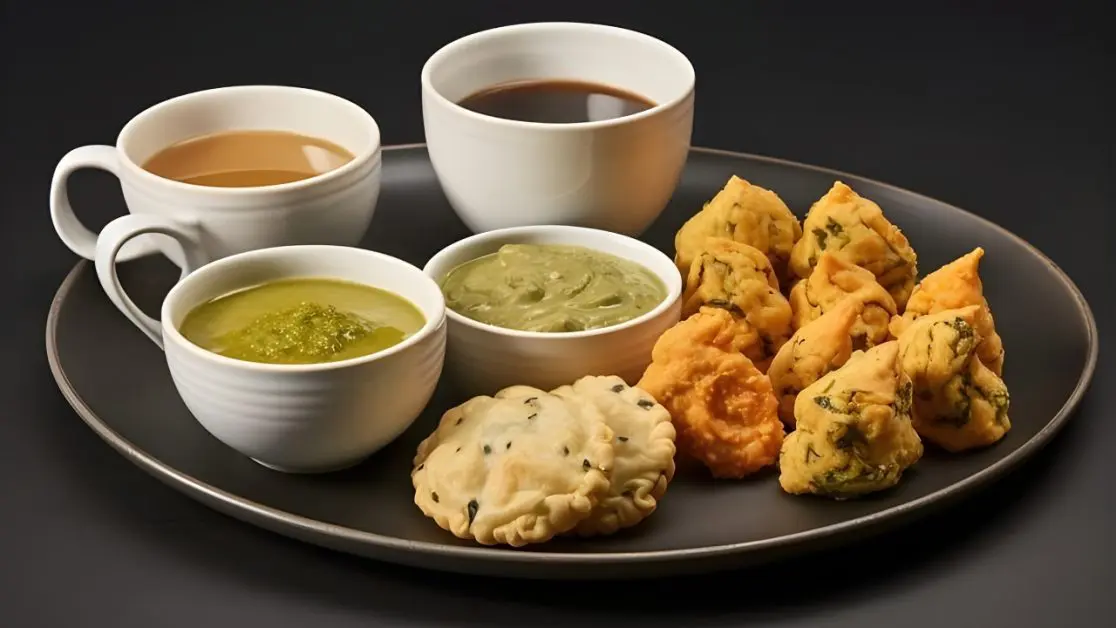
Indian kitchens thrive on reheats.
- Evening tea with reheated pakoras.
- Midnight cravings with leftover pulao.
- Post-festive mornings with refrigerated sweets that need softening.
Microwave-steaming is more than technique. It’s a small act of restoring food’s dignity bringing it back closer to how it tasted when freshly made.
Bigger Principle at Play
Humidity, steam, and microwaves reveal a pattern: constraints can become catalysts.
Low humidity, often seen as uncomfortable, actually unlocks better steaming. What feels like a limitation in weather becomes an advantage in cooking.
That’s a reminder for daily life too: sometimes the environment we think is against us is quietly working in our favour.
Actionable Takeaways
- Add water when reheating. It’s the simplest insurance against dryness.
- Cover loosely. Steam needs space to circulate.
- Leverage humidity. Remember: dry days = better steaming.
- Pick the right microwave. A digital, auto-cook model like Haier’s Vogue makes the habit frictionless.
Final Thought
The microwave-steaming trick isn’t just about cooking. It’s about noticing invisible systems of humidity, vapour, heat and using them to your advantage.
In every Indian home, food is more than fuel. It’s memory, ritual, and comfort. The right trick, paired with the right appliance, doesn’t just save time. It quietly elevates daily life.
And when the air outside feels dry, that’s your cue: add a splash of water, close the lid, and let steam do the heavy lifting.