


Bigg Boss didn’t just trend this season. It changed what we expect from our living rooms.
The late-night arguments, dramatic walkouts, Salman Khan’s weekend presence all of it demanded a kind of screen fluidity that older TVs just couldn’t keep up with. And suddenly, 144Hz wasn’t a gamer’s term anymore. It became the buzzword of family WhatsApp groups, tech forums, and chai-break gossip.
Because once you see Bigg Boss on a high-refresh-rate screen, you can’t unsee the difference.
Why a reality show became a tech wake-up call
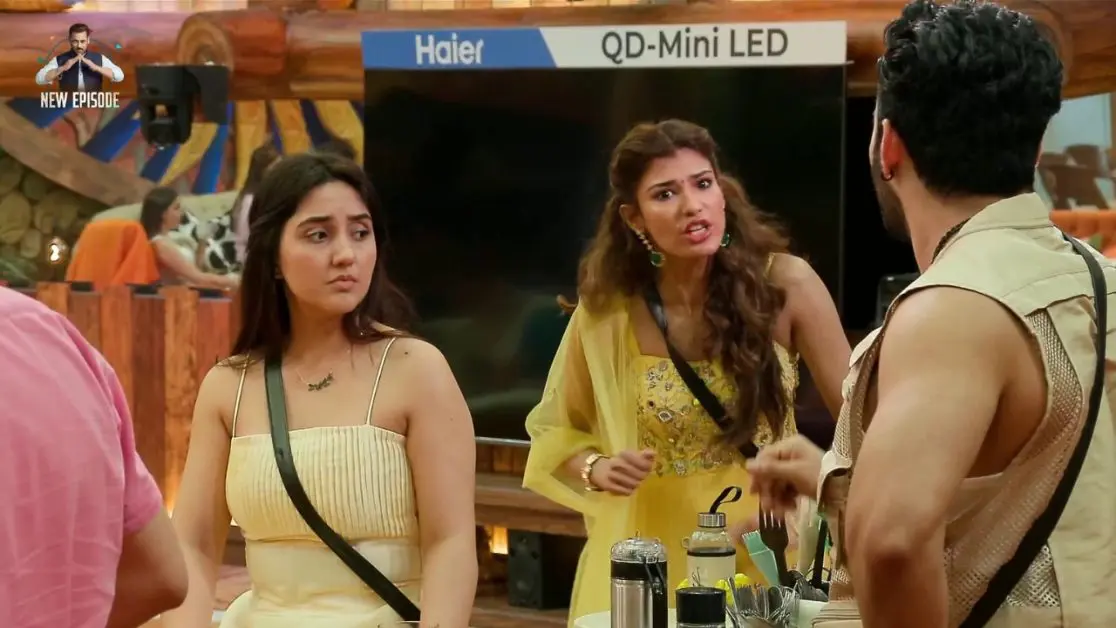
Bigg Boss isn’t scripted cinema. It’s unpredictable, raw, and packed with micro-expressions that tell the story long before a contestant opens their mouth.
But here’s the problem. On a regular 60Hz TV, those tiny flickers, a smirk, a side-eye, a frown breaking into tears often blur. The scene feels flat.
On a 144Hz screen, the same moment feels alive. Smooth motion. Crisp detail. The kind of clarity that makes you lean forward instead of checking your phone.
It’s no accident that households who upgraded this season said watching Bigg Boss felt like sitting in the control room instead of the couch.
What exactly does 144Hz mean for everyday viewing?
Think of it like this:
- 60Hz TV = 60 frames per second. Fine for old-school cricket and serials.
- 120Hz TV = Smoother, better for sports and high-speed movies.
- 144Hz TV = Every detail is in sync with real life. Whether it’s a penalty kick, a chase scene, or Salman Khan’s signature eyebrow raise.
The jump isn’t just numbers. It’s perception. A 144Hz TV lets your eyes relax because the picture feels closer to how we actually see the world.
But wait – do you really need 144Hz for Bigg Boss?

Fair question. Here’s the bigger picture.
- For families: It makes reality TV nights more immersive. Faces and sets look real enough to touch.
- For sports fans: Cricket, football, and kabaddi look lightning sharp, even when the camera pans across the ground.
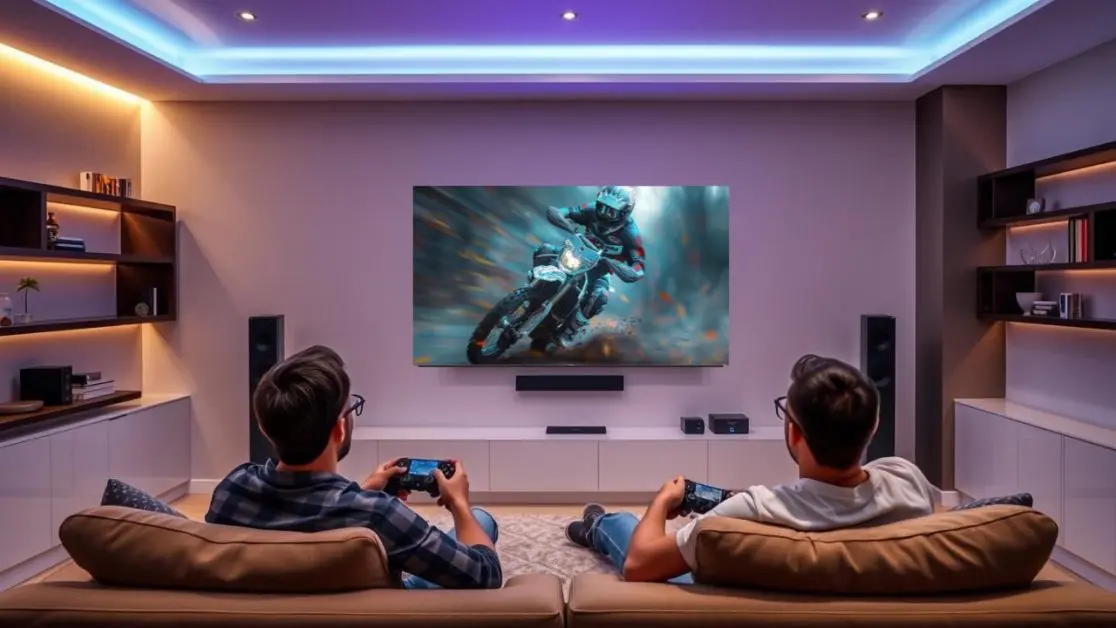
- For gamers: A 144Hz TV doubles as a next-gen console screen. Smooth, tear-free, responsive.
- For movie buffs: HDR10+ and Dolby Vision IQ (in Haier’s M92 Series) adjust scenes dynamically, so whether you’re watching in a dimly lit bedroom or a bright hall, the visuals stay perfect.
So yes, Bigg Boss was the trigger. But the ripple effect goes way beyond a reality show.
Why Haier’s 144Hz Mini-LED TVs became the conversation piece
Here’s where design meets real life. The Haier M92 Series QD-Mini LED TVs available in 164cm(65) and 189cm(75) hit all the right notes.
- 144Hz Refresh Rate: Motion stays buttery smooth for Bigg Boss fights or IPL sixes.
- AI Ultra Sense Processor: Auto-adjusts colors, contrast, and sharpness scene by scene.
- Sound by KEF with Dolby Atmos: Conversations, background music, and crowd chants feel cinematic.
- 2.1 Channel Speakers with Subwoofer: Adds depth so even a whispered strategy in the confession room carries weight.
- Google TV with hands-free voice control: Makes switching between JioCinema, YouTube, or live TV as easy as asking aloud.
- Solar Remote: Yes, the remote literally charges in sunlight. A small touch, but it speaks to sustainability.
In short: these aren’t just TVs. They’re storytelling machines.
The hidden system at play: why shows shape tech choices
Every generation has its trigger.
- In the 90s, cricket matches made people buy colour TVs.
- In the 2000s, daily soaps pushed the move to LCDs.
- In the 2010s, streaming apps led to smart TVs.
- In 2025, Bigg Boss and live sports are making 144Hz the new baseline.
What we watch shapes what we buy. And this cycle explains why a single season of Bigg Boss turned the refresh rate into dinner-table talk.
The cost-benefit equation
A 144Hz TV isn’t cheap. But it’s also not just a purchase, it’s an upgrade of experiences.
- Cost: ₹1,05,990 for the 164cm(65) and ₹1,29,990 for the 189cm(75) Haier M92 Series.
- Benefit: 3 years warranty, Dolby Vision IQ, Sound by KEF, and a screen that future-proofs your home for Bigg Boss, IPL, FIFA, and gaming alike.
When you spread that across hours of family nights, festive get-togethers, and solo Netflix binges, the per-hour cost of joy looks surprisingly small.
So what does this mean for Indian homes?
It means the living room is no longer a passive space. It’s the new stadium, cinema hall, and reality show studio rolled into one.
And it means that a TV isn’t just about size anymore. It’s about smoothness, sound, and the ability to make reality look and feel real.
Bigg Boss showed us the gap. 144Hz filled it.
Final thought:
A great TV doesn’t just display entertainment. It changes how a family gathers, how friends celebrate, and how individuals escape after a long day.
And that’s why, in 2025, the conversation around TVs isn’t about inches anymore. It’s about Hertz.