

Modern AI TVs like the Haier M92 QD-Mini LED don’t just show you the match they think along with it.
From recognising fast scenes faster than a fielder’s reflex to adjusting sound as if it knows who’s batting, this is television that sometimes feels smarter than the players we cheer for.
Why the living room feels like a second stadium
If you’ve sat through an India–Pakistan final, you know the drill. Jerseys washed the night before. Neighbours squeezing in with extra samosas. Volume cranked so high the walls start vibrating.
But there’s always that one moment. A misfield. A dropped catch. Someone in the room mutters, “Even my TV would’ve reacted faster.” And here’s the twist, today, that’s not just a joke.
Because AI inside your television really does make smarter calls than some players on screen.
What does “AI in a TV” even mean?
Artificial Intelligence in televisions isn’t about robots playing cricket. It’s about pattern recognition.
- Scene detection: The Haier M92’s AI Ultra Sense Processor identifies what you’re watching as a penalty kick, a chase sequence, or a late-night movie and tunes colour, contrast, and motion accordingly.
- Sound adjustment: With Sound by KEF-tuned speakers and Dolby Atmos, audio isn’t just louder, it’s spatial. Crowd noise swells when Kohli hits a six, but dialogue in your OTT drama cuts through without distortion.
- Ambient response: Dolby Vision IQ adapts brightness based on room light, the way our eyes naturally adjust at dusk.
In short, the TV doesn’t wait for you to fiddle with remotes. It anticipates.
When the system reacts faster than the slip cordon
Think of fast-paced T20s. A ball races towards the boundary. Your eyes strain to keep up. On older TVs, motion blur turns that white ball into a comet.
On the Haier M92, the 144Hz refresh rate with MEMC ensures motion clarity that rivals slow-motion replays. AMD FreeSync Premium Pro keeps gameplay tear-free whether you’re gaming or streaming cricket in UHD.
Here, technology doesn’t lag. It leads.
Everyday life examples that hit home
It’s not just about cricket. AI smarts come into play in the most ordinary moments:
- Parents prepping for Diwali: The hands-free voice control lets you queue up bhajans while balancing trays of diyas.
- Couples bingeing on thrillers: The dimming zones (448 on 164cm(65), 576 on 189cm(75) carve shadows so sharp you feel inside the scene.
- Gamers post-work: Variable Refresh Rate (VRR) plus ALLM auto-switch ensures no manual toggling between office Zoom calls and late-night FIFA.
- Sustainability-minded Gen Z: The solar remote charges under daylight, a reminder that small design choices reduce daily friction.
Technology fades into the background. Life takes centre stage.
Better AI, better household harmony
Indian households aren’t quiet. Someone always wants the match, another wants the latest Bigg Boss episode, and someone else just wants to cast YouTube tutorials.
Here’s how the system manages the chaos:
1. Google TV interface – personalised recommendations, less scrolling.
2. HaiSmart IoT hub – turns the TV into a command center for other smart devices.
3. Profiles – different users, different viewing histories, zero arguments about “Why is this in my watchlist?”
The unspoken benefit? Less bickering, more togetherness.
A simple cost–benefit lens
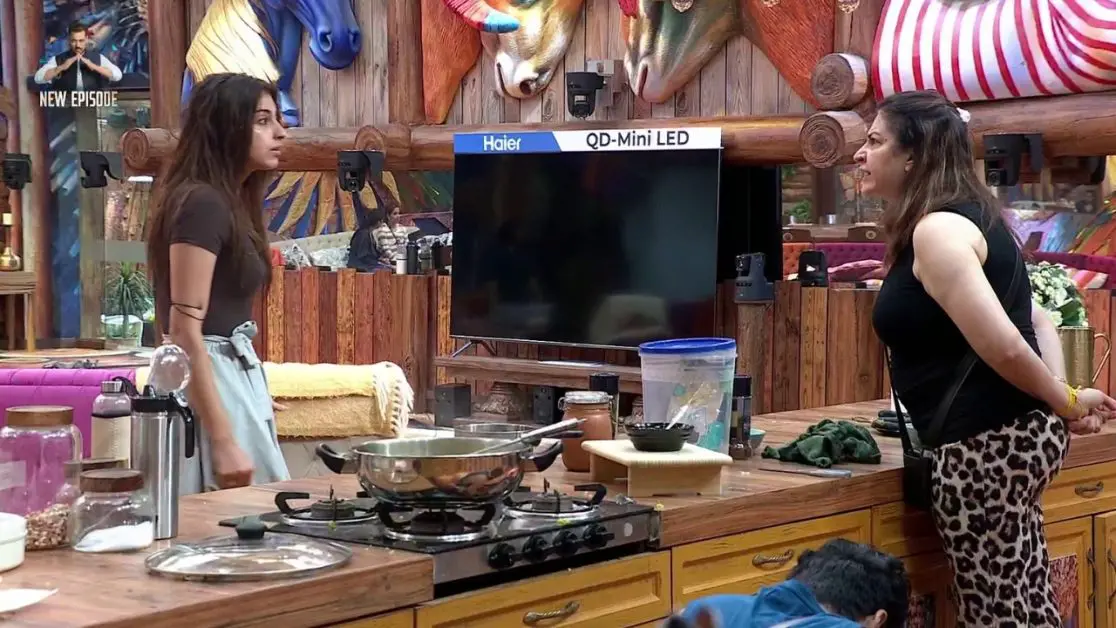
Every Indian household thinks about value before features. Here’s the balance sheet:
Costs: The M92 starts around ₹1.05L (164cm(65) and ₹1.29L (189cm(75). Not pocket change.
Benefits:
- Eliminates need for extra soundbars (Sound by KEF 2.1ch + subwoofer).
- Handles both family entertainment and hardcore gaming.
- Energy efficiency through solar remote + AI energy saving modes.
- 3-year warranty cushions long-term investment.
Spread over 7–8 years of use, it’s less than what most families spend annually on data recharges and OTT subscriptions combined.
The invisible system behind the screen
Here’s the real pattern.
Every leap in home tech has followed the same arc:
- Refrigerators stopped being just “cold boxes” when they learned to preserve freshness intelligently.
- Washing machines went from spinning drums to smart fabric care.
- And TVs? They’re crossing from display devices into thinking companions.
The invisible system is convenient. Each device takes on one mental burden you used to carry. Remembering. Adjusting. Anticipating.
That’s why it feels like the TV is smarter than a player because it’s playing a different game altogether.
So, who really wins the match?
Here’s the irony. Players drop catches. Refs miss calls. Emotions overrun decisions.
Your AI TV, meanwhile, stays relentlessly consistent. No mood swings. No fatigue. Just relentless optimisation.
Does that make it “better” than players? Not in spirit sport is about human drama. But in precision, in reaction time, in tuning the experience for millions of fans at home? Absolutely.
Final takeaway
Memorable insight, In modern Indian homes, the smartest player isn’t always on the pitch. Sometimes, it’s on the wall.
The Haier M92 Mini-LED proves a quiet truth, when technology thinks with you, life feels lighter. You don’t notice the system at work, only the ease it leaves behind.
And maybe that’s the real victory worth cheering for.