
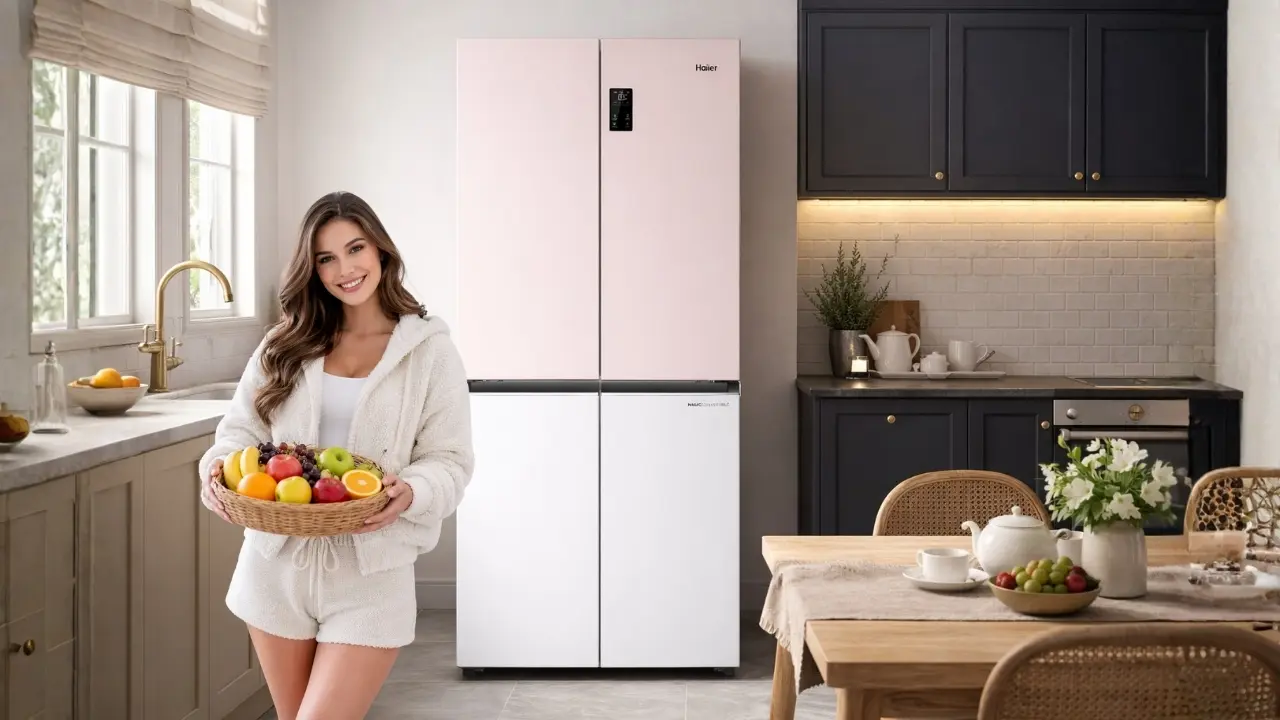

More doors in a refrigerator create smarter storage because they divide food by use, temperature, and access frequency.
For Indian families, this means less food spoilage, better organisation, lower energy loss, and daily routines that feel calmer and more predictable. More doors are not about size. They are about control.
The everyday fridge problem no one talks about
Open your fridge on a Sunday afternoon.
There is cooked dal sitting next to cut vegetables.
A box of mithai squeezed behind milk packets.
Paneer hidden somewhere you forget until it expires.
This is not a storage problem.
It is a systems problem.
Indian kitchens are dynamic. We store raw ingredients, cooked meals, leftovers, snacks, festive food, and weekly groceries at the same time. A single large cavity fridge was never designed for this complexity.
One space. Too many roles.
Why more doors change how storage actually works
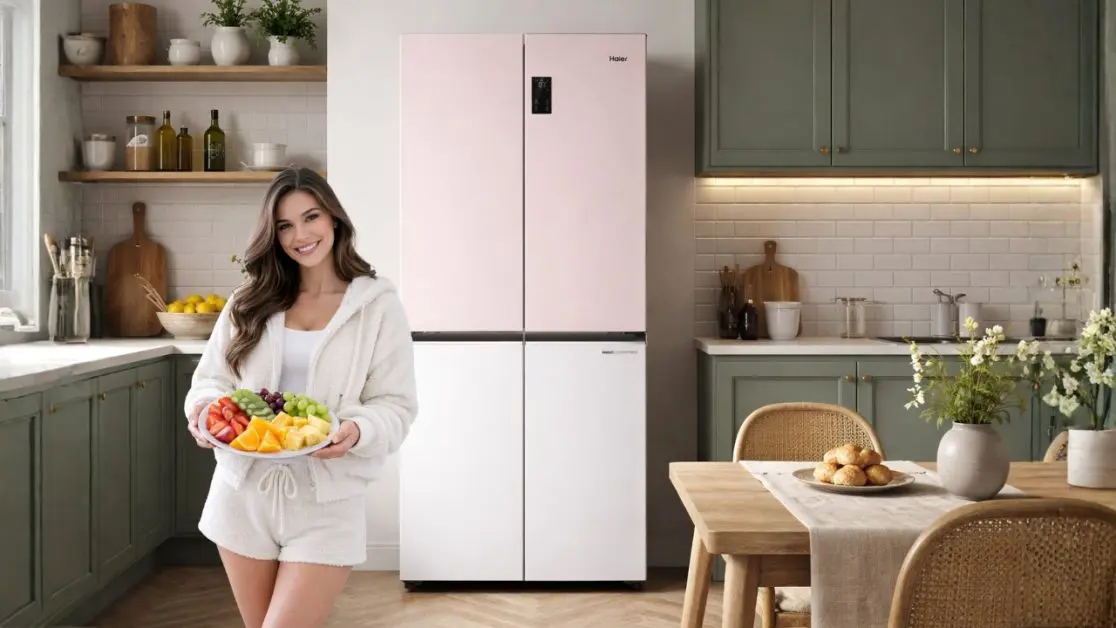
Doors are not cosmetic.
They create boundaries.
Every additional door reduces unnecessary exposure, mixing, and temperature fluctuation. It also changes how your mind categorises food.
This is the hidden shift.
Instead of thinking, “Where do I put this?”, you start thinking, “Which zone does this belong to?”
That is the difference between storage and organisation.
The science behind segmented cooling
Every time a fridge door opens, cold air escapes. Studies by energy agencies have consistently shown that frequent door opening increases internal temperature fluctuations, forcing the compressor to work harder.
More doors solve this quietly.
- You open only the section you need
- Other compartments remain sealed
- Temperature stays stable
- Energy loss reduces over time
This is not about being careful.
It is about designing around real behaviour.
Indian households do not eat like Western households
This matters more than most people realise.
Indian kitchens store:
- Large vessels, not just packaged food
- Fresh vegetables in bulk
- Gravies, curries, chutneys, and batters
- Festive leftovers that last several days
One option is to keep adjusting shelves daily.
Another option is to design the fridge around Indian habits.
More doors make the second option possible.
One fridge, multiple roles
A multi-door refrigerator functions like multiple fridges inside one unit.
- A space for daily vegetables
- A space for dairy and breakfast items
- A space for cooked food and leftovers
- A space that switches between fridge and freezer as needed
This kind of flexibility becomes crucial during festivals, family visits, or weekly meal prep.
It removes friction from everyday life.
Why four-door refrigerators are gaining attention
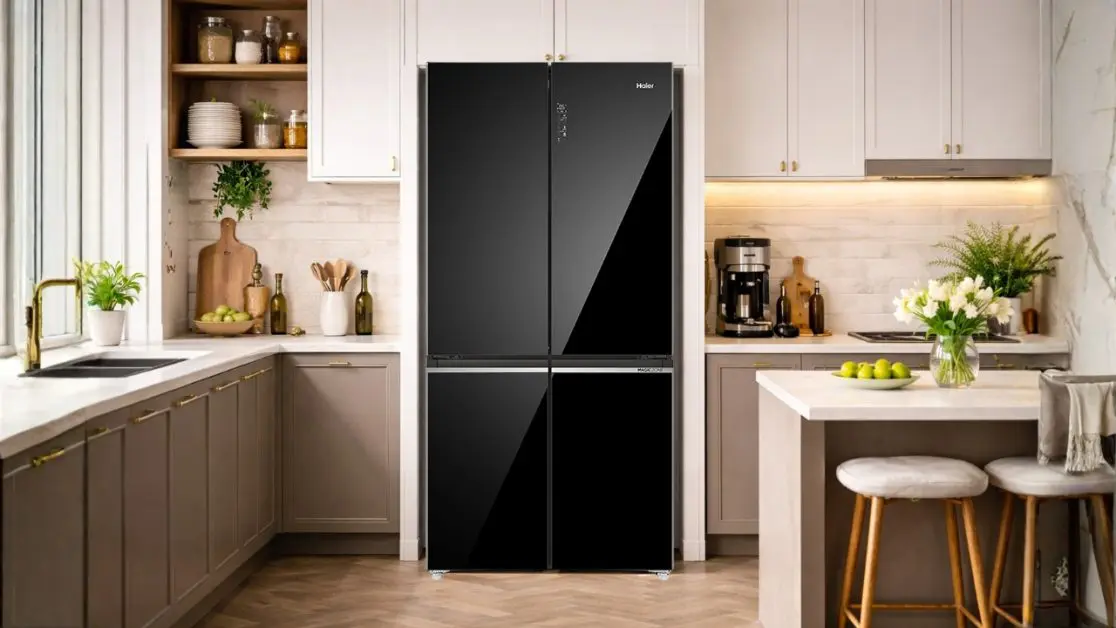
Four-door refrigerators introduce horizontal and vertical separation at the same time.
This matters.
You stop stacking food on top of food.
You stop forgetting what is at the back.
You stop overbuying because you cannot see what you already have.
Visibility creates discipline.
A quick comparison that explains everything
Single-door or top-freezer fridge
- One main cooling space
- Frequent full-door opening
- Mixed storage types
- Higher chance of odour mixing
Multi-door fridge
- Segmented zones
- Selective access
- Purpose-based storage
- Better hygiene and freshness
The cost difference exists.
The lifestyle difference compounds daily.
The energy question Indian families care about
More doors sound like more power usage.
In reality, it often works the opposite way.
Because you open smaller sections, cold air loss reduces. Modern inverter compressors adapt cooling based on usage patterns, not fixed cycles.
Some advanced refrigerators even learn when your family uses the fridge most and adjust accordingly. This reduces unnecessary energy spikes.
Energy efficiency today is behavioural design, not just star ratings.
Smarter storage also means smarter hygiene
Indian food is aromatic.
This is a strength in cooking, not always in storage.
Segmented compartments reduce odour mixing between raw and cooked food. Dedicated zones with antibacterial technologies further support food safety, especially for families with children or elders.
Freshness is not just about cold.
It is about isolation.
Where Haier fits into this thinking
Haier’s approach to refrigeration focuses on how Indian families actually live, not how kitchens look in catalogues.
A clear example is the Haier 630L Black Glass 4-Door Lumiere Refrigerator, which is designed around zoning, flexibility, and daily usability rather than just capacity .
Some features matter here not because they sound advanced, but because they solve real problems:
- Convertible fridge space that shifts based on need
- Separate compartments that reduce temperature fluctuation
- Toughened shelves built for heavy Indian utensils
- Smart sensing that adapts to usage patterns
This is not technology for show.
It is technology that disappears into routine.
Why this matters for different Indian households
For working professionals living solo
Meal prep happens once or twice a week.
Leftovers matter.
Separate compartments mean you do not disturb the entire fridge every time you grab lunch. Food stays fresh longer. Grocery waste reduces.
Time saved compounds.
For couples setting up a new home
Space feels abundant at first.
Then habits settle in.
A multi-door fridge scales with life. Guests. Hosting. Changing diets. Festive cooking. It grows with you instead of forcing upgrades later.
Good systems age well.
For families with children
Different food needs coexist daily.
Milk. Snacks. Fruits. Cooked meals. Weekend treats.
When everything has a zone, routines become smoother. Kids learn where things belong. Parents spend less time reorganising.
Order reduces cognitive load.
The psychology of visible order
There is an underrated mental benefit here.
When food is visible and categorised, decision fatigue reduces. You cook better. You waste less. You feel more in control of daily choices.
This is not about aesthetics.
It is about mental bandwidth.
A fridge that supports clarity supports better habits.
One insight worth remembering
More doors do not make a fridge bigger.
They make your life feel less cluttered.
That distinction matters.
What to look for if you are considering multi-door storage
Before choosing a refrigerator with more doors, think about systems.
Ask:
- Does this fridge match how often I cook?
- Can zones convert when needs change?
- Will this reduce daily effort or add complexity?
- Does it support energy efficiency through design, not just labels?
Good appliances do not demand attention.
They quietly remove friction.
The larger shift happening in Indian homes
Indian households are becoming more intentional.
We care about how spaces function, not just how they look. Appliances are no longer standalone purchases. They are part of a larger lifestyle system.
Storage is no longer about fitting things in.
It is about making daily life smoother.
Multi-door refrigerators are one small but meaningful step in that direction.
The takeaway
More doors mean smarter storage because they align design with real behaviour.
They respect how Indian families cook, store, celebrate, and live. They reduce waste, save energy, and make everyday decisions easier.
The best appliances do not shout innovation.
They make you forget problems you once accepted as normal.
And once you experience that shift, it is hard to go back.
That is when storage stops being space.
And starts becoming support.
Frequently Asked Questions
Why does my fridge feel messy even though it’s large enough?
Because size doesn’t equal organisation. A single large cooling space forces raw ingredients, cooked food, dairy, and leftovers to compete for the same environment. That’s a systems problem, not a space problem.
How do more doors actually improve storage?
More doors create zones. Each zone serves a purpose, daily vegetables, cooked food, dairy, or flexible storage. This reduces mixing, confusion, and unnecessary rearranging.
How do more doors reduce food spoilage?
You open only the section you need. Other compartments stay sealed, maintaining stable temperatures and slowing spoilage, especially for cooked food and dairy.
How do multi-door fridges help with odour mixing?
Segmented compartments isolate aromas. Raw vegetables, cooked curries, and sweets don’t share the same air, improving hygiene and taste retention.