
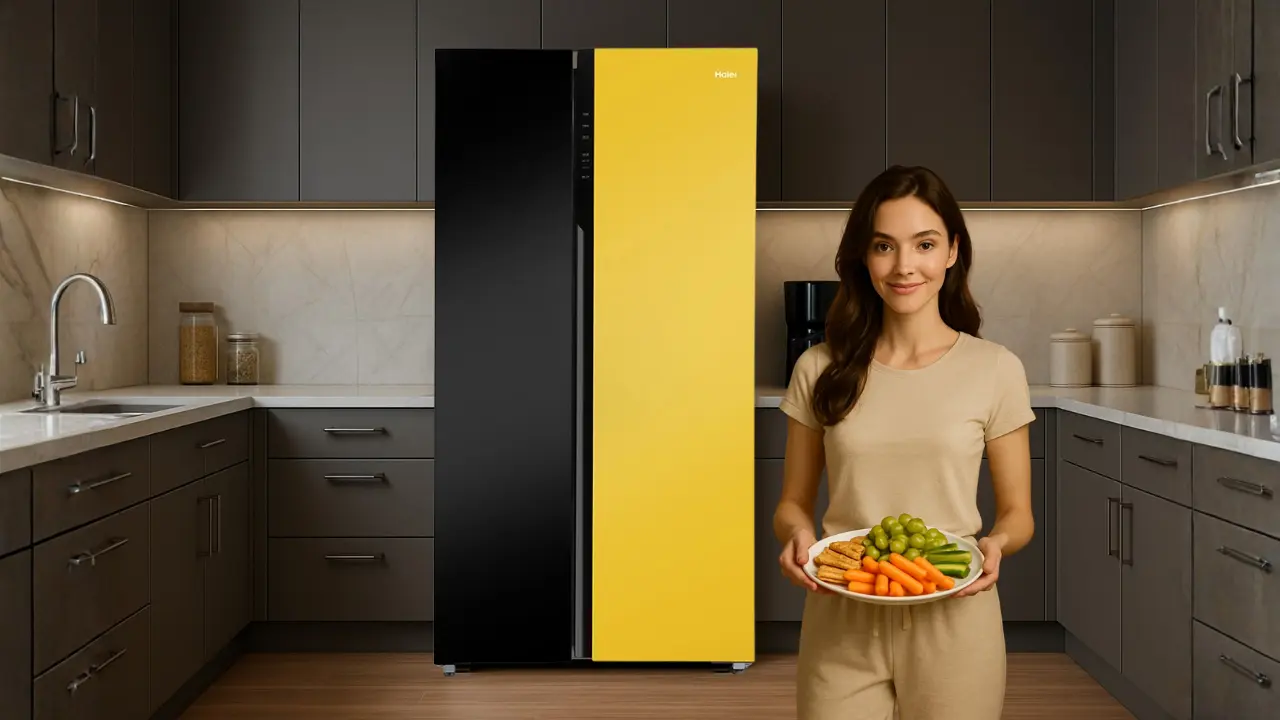

A fridge is never just a fridge.
It’s where the Sunday curry cools overnight. It’s where milk for the morning chai waits. It’s the silent witness to birthday cakes, mango seasons, and midnight leftover raids.
For decades, Indian households treated the refrigerator as a loyal, unchanging family member. Reliable, yes. But rarely exciting. Until now.
Something subtle is happening in kitchens across India: the shift to multi-airflow fridges.
Why are families quietly upgrading?
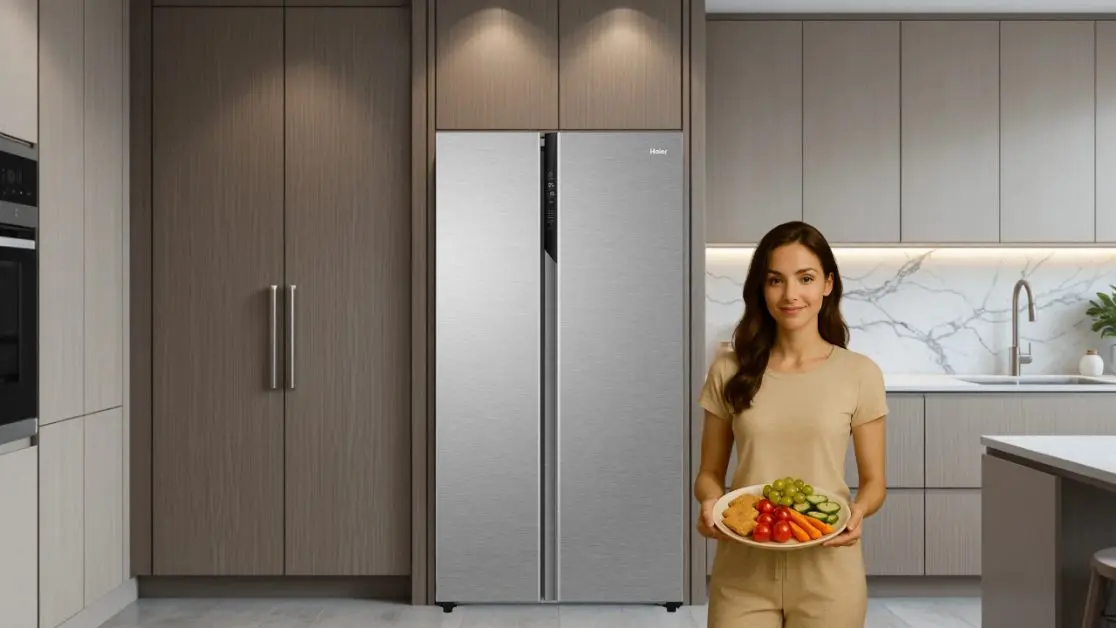
Walk into any urban Indian kitchen today. The fridge is no longer a bulky, humming box pushed into a corner. It’s part of the home’s aesthetic. Sleek. Tall. Sometimes even more photogenic than the food it stores.
The change is not vanity alone. Multi-airflow cooling systems are solving three everyday frustrations we’ve all lived through:
1. Uneven cooling. Remember opening the fridge to find one shelf icy cold while the other feels warm? Multi-airflow designs use smart vents that circulate air evenly, so dal on the top and vegetables at the bottom stay equally fresh.
2. Food waste. That forgotten bundle of coriander wilting in the corner? Better airflow means fewer “cold spots” where spoils produce faster. Families are saving money simply by throwing away less.
3. Energy guilt. The old single-flow fridges often were overworked to maintain temperature. Multi-airflow fridges optimize cooling paths, making them energy efficient without constant power surges.
In short: better distribution equals better preservation.
The lifestyle shift behind the upgrade
The shift isn’t just about technology. It’s about lifestyle.
- Millennials and Gen Z in India are food explorers. From avocado toast experiments to ramen binge nights, their fridges carry a mix of local staples and global flavours. They need storage that adapts.
- Indian parents want assurance. They don’t want to worry about the milk turning sour when guests arrive or the mithai drying out before festivals.
- Single professionals and students want efficiency. They want a fridge that doesn’t demand maintenance, keeps their snacks crisp, and looks good in an Instagram reel.
The multi-airflow fridge answers all three. It’s no longer just about cold storage. It’s about peace of mind, time saved, and food that tastes like it’s meant to.
Quiet innovation that changes everything
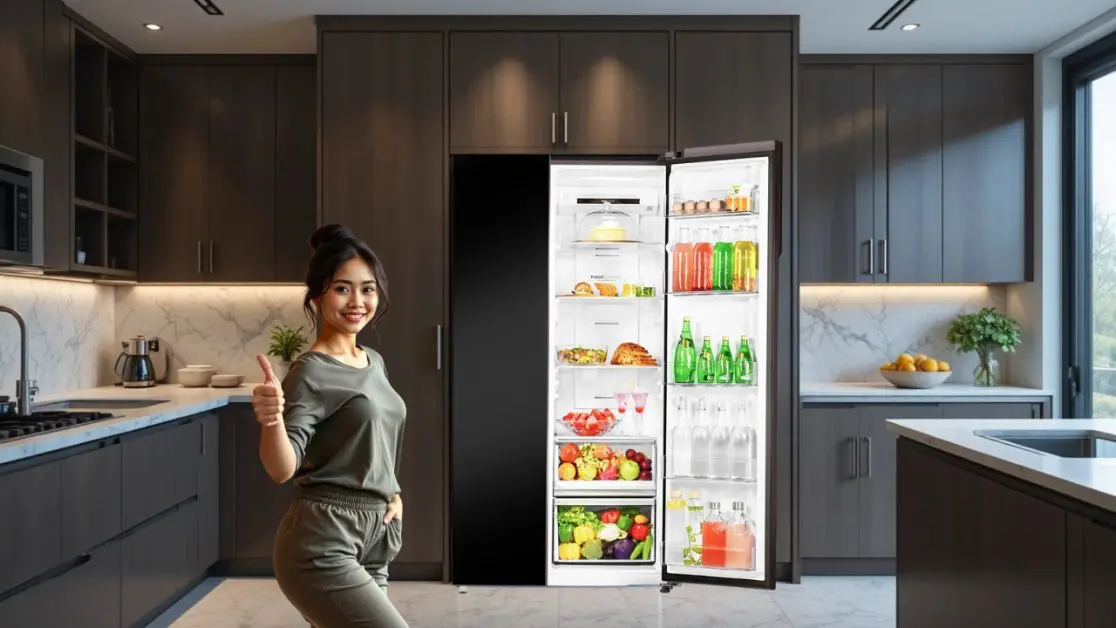
Here’s the irony: the best fridges today aren’t louder or flashier. They’re quieter.
Multi-airflow technology hums silently in the background. It’s the kind of feature you don’t notice until you go back to an old fridge and suddenly realise how uneven and noisy things used to be.
This is how innovation often sneaks into our lives not by shouting, but by making life smoother without asking for attention.
How does multi-airflow really work?
Think of a cinema hall. Air conditioning vents are carefully placed to ensure every seat feels the same temperature. Imagine if only the front row got cool air while the back roasted no one would tolerate that.
Traditional fridges were like that bad theatre setup. Cool air rushed in at one spot, leaving some shelves icy, others warm. Multi-airflow fridges solved it with strategically placed vents that distribute cool air evenly, top to bottom, left to right.
The result?
- No frozen edges on your lettuce.
- No warm bottles of water at the door.
- No guessing which part of the fridge is “safe.”
It’s engineering designed to feel invisible like oxygen. You don’t notice it’s there, but you miss it when it’s gone.
The cultural side of the upgrade
Fridges are cultural artefacts. They reflect how we eat, celebrate, and even argue.
- During summer, they hold enough nimbu pani for every cricket match break.
- During festivals, they guard the trays of gujiya, modak, or kaju katli.
- During tough weeks, they keep mom’s dabba safe until you’re ready for comfort food.
Multi-airflow fridges protect these rituals by extending freshness. The mangoes for aamras last longer. The batter for idlis ferments just right. The paneer doesn’t dry out before you need it.
Technology becomes culture when it safeguards traditions while adapting to modern needs.
Why Haier is part of this story
Haier India has always had a knack for spotting these shifts early. While most brands talk only about capacity or price, Haier noticed what modern Indian families actually wanted:
- Fresher food, without fuss.
- Stylish designs that fit into aspirational homes.
- Quiet technology that works in the background.
Haier’s multi-airflow fridges, like its premium side-by-side units and convertible models, carry these features as standard. Even details like anti-bacterial interiors and energy-saving compressors reflect an understanding of how Indian kitchens operate daily.
The brand’s approach feels less like “selling an appliance” and more like anticipating the small frustrations of life and quietly removing them.
Who benefits most from upgrading?
Let’s break it down systematically:
1. Large families – The fridge is opened dozens of times a day. Multi-airflow ensures temperature stability despite constant use.
2. Health-conscious millennials – Fresh greens and organic produce stay crisp longer, reducing mid-week spoilage.
3. Working parents – Batch cooking is easier when food doesn’t lose texture after a couple of days.
4. Single professionals – Less time worrying about storage, more time focusing on life outside the kitchen.
5. Elderly parents – Quiet operation and consistent cooling reduce the need for constant adjustments.
Different needs. One system.
The hidden economics of food freshness
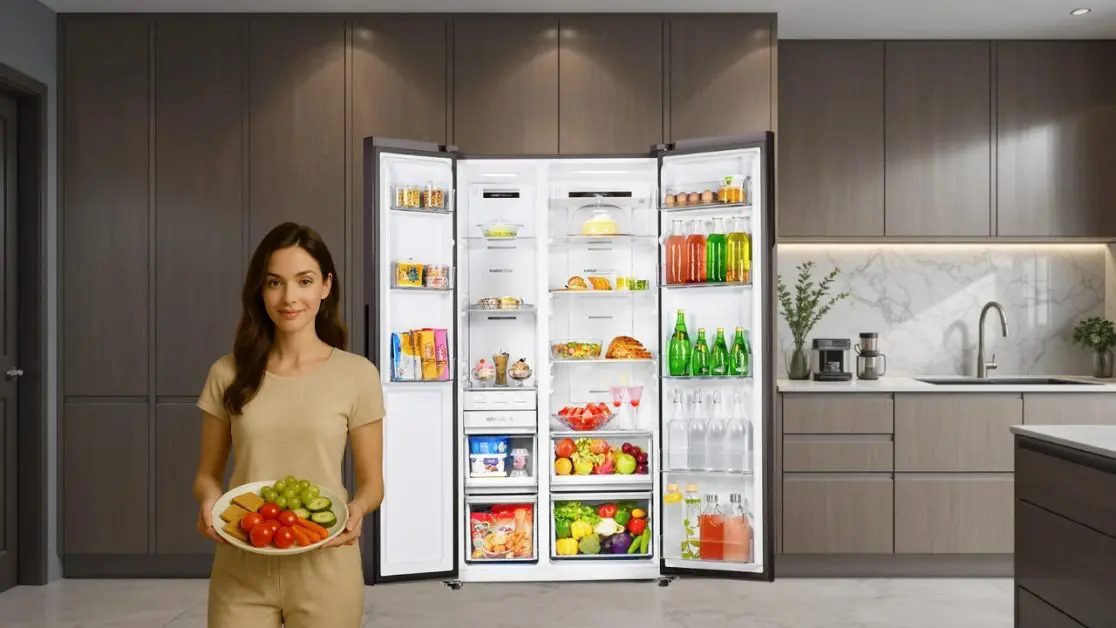
Here’s a truth we don’t discuss enough: food waste is expensive.
An average Indian household discards kilos of spoiled vegetables and cooked food every month. Multiply that across a year, and the cost easily rivals a new appliance EMI.
By extending freshness, multi-airflow fridges quietly pay for themselves. It’s not just an investment in convenience. It’s an investment in reducing waste, saving money, and building sustainable habits.
The bigger principle at play
This shift is more than just about fridges. It’s a lesson in how innovation enters culture.
- First, technology solves a small frustration we barely notice.
- Then, it becomes standard so normal we can’t imagine living without it.
- Finally, it shapes behaviour at scale, changing how families cook, store, and even shop.
Multi-airflow cooling is on that trajectory. What feels premium today will become the new normal tomorrow. And when it does, we’ll wonder how we ever accepted uneven cooling as “good enough.”
So what does this mean for your home?
If you’re setting up your first kitchen, upgrading for your parents, or simply tired of throwing away wilted spinach, the question isn’t if you’ll move to a multi-airflow fridge. The question is when.
Because once you experience the calm efficiency of even cooling, there’s no going back.
Final thought
Every generation rewrites what “home comfort” means. Our parents upgraded from iceboxes to single-door fridges. We are upgrading from single-flow to multi-airflow cooling.
It’s not about chasing technology. It’s about letting technology quietly protect the things that matter: food, family, and everyday rituals.
And when you open a Haier fridge to find your coriander still fresh, your milk still chilled, and your kitchen still quiet you’ll realise this shift wasn’t just about an appliance.
It was about a smarter way to live.