


For Christmas 2025, Indian buyers split into two clear camps. OLED buyers chose emotional depth, cinematic blacks, and intimate movie nights.
Mini LED buyers chose scale, brightness, and rooms full of people. Both were right. The difference was not technology. It was a lifestyle.
Christmas buying is rarely about specs. It is about how a home feels when everyone shows up.
The Christmas TV decision starts long before the store
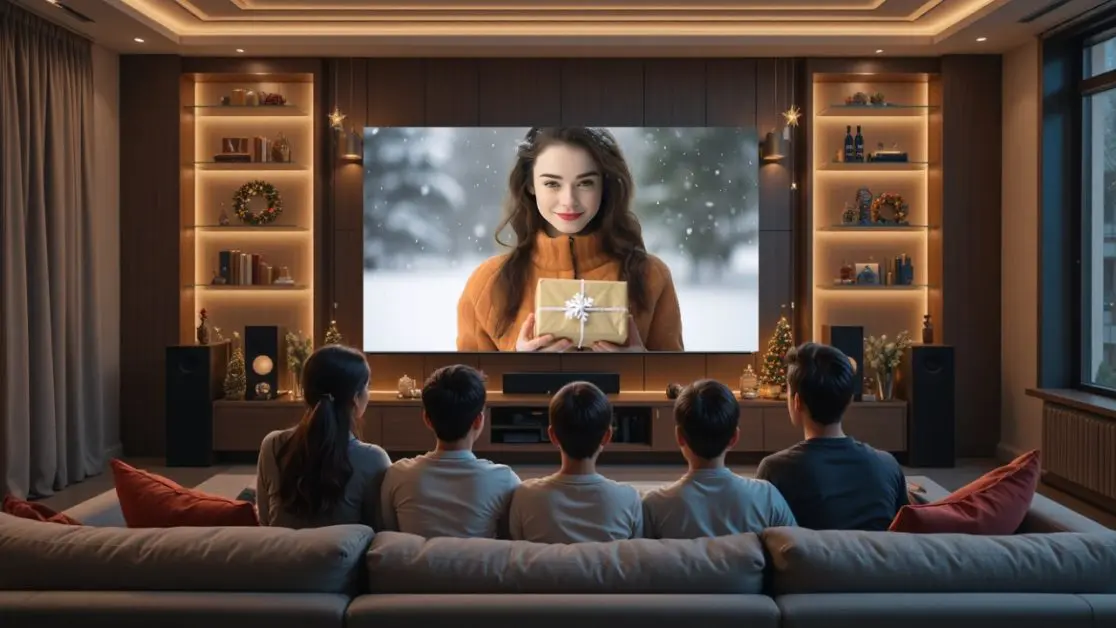
Picture a typical December evening.
Fairy lights glow. Someone is chopping vegetables. Someone else is scrolling through OTT apps, deciding what the family will watch after dinner. This is where the OLED vs Mini LED decision actually begins.
Not with contrast ratios.
With people.
Because screens do not live alone. They live in rooms.
Why OLED buyers leaned into emotion, not size
OLED buyers had one thing in common. They cared about how images feel, not how big they look.
These were couples, solo professionals, and design-first homes where the TV is part of the décor, not the centre of the chaos.
What tipped them toward OLED
- Perfect blacks that make night scenes feel cinematic, not grey
- Pixel-level dimming so candles, stars, and dark scenes feel real
- Wide viewing angles that look the same from the sofa or the floor
- Slim design that blends into modern living rooms
One buyer described it simply.
“When the lights go off, the room disappears.”
A good example of what drew people in was the Haier C90 OLED 194 cm (77) Google TV. It offered Dolby Vision IQ that adapts picture quality to ambient light, a 120Hz refresh rate for smooth motion, and a 2.1 channel 50W speaker system with Dolby Atmos. The experience felt intimate, controlled, and premium.
The hidden system at play
OLED rewards attention.
If you sit down to watch, it gives back.
That is why OLED thrived in quieter homes and late-night viewing.
Why Mini LED buyers chose scale and flexibility

Mini LED buyers had a different problem to solve.
More people.
More light.
More noise.
These were family homes, open living rooms, and spaces where the TV stays on all day during the holidays.
What pushed them toward Mini LED
- High brightness that cuts through daylight and festive lighting
- Large screen sizes that work for group viewing
- Multiple dimming zones that balance contrast with punch
- Stronger value at bigger sizes
For many, the tipping point was simply size. An 85-inch screen changes how a room behaves.
The Haier M80F Mini LED 215 cm (85) Google TV became a popular choice because it paired Mini LED brightness with 360 local dimming zones, Sound by KEF with Dolby Atmos, and a price point that made large-screen ownership feel achievable.
One family buyer put it bluntly.
“If everyone is watching, bigger wins.”
The hidden system at play
Mini LED rewards shared attention.
It is built for rooms that never fully quiet down.
OLED vs Mini LED in real Christmas scenarios
Instead of a spec sheet, here is how real buyers framed it.
Late-night movie marathons
- OLED feels richer
- Blacks disappear
- Eyes feel less strained
Afternoon cricket or cartoons
- Mini LED stays bright
- Colours stay punchy
- Everyone sees clearly
Design-first homes
- OLED blends into walls
- Slim profiles matter
- Visual clutter stays low
Large family gatherings
- Mini LED fills the room
- Bigger screens matter more than perfect blacks
- Sound carries better across space
The decision table buyers actually used
| Your home looks like this | Buyers leaned toward |
| Small to mid-sized room | OLED |
| Open living room | Mini LED |
| Mostly night viewing | OLED |
| Mixed day and night use | Mini LED |
| Design focused interiors | OLED |
| Family centric spaces | Mini LED |
Notice what is missing.
No one mentioned peak brightness numbers.
Where Haier quietly fits into this choice
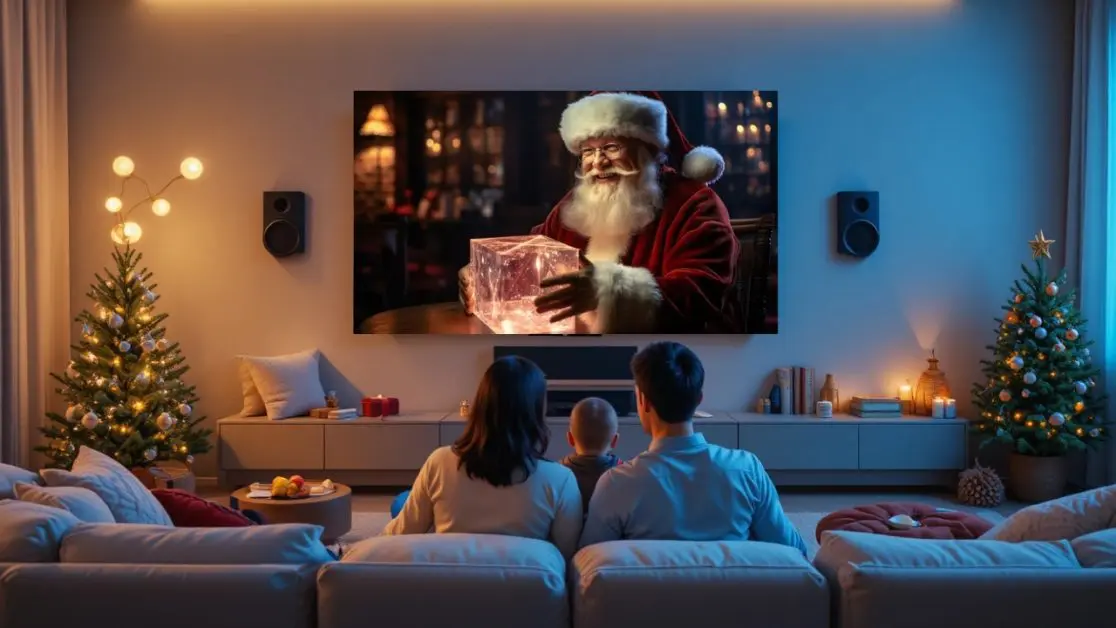
What stood out in buyer conversations was not just display technology. It was balanced.
Both OLED and Mini LED models from Haier leaned into real-life use.
- Google TV for simple content discovery
- Hands-free voice control for busy kitchens and sofas
- Strong built-in audio so soundbars feel optional, not mandatory
- Energy-saving modes that matter when TVs stay on all day
These details mattered because Christmas is not a demo. It is a stress test.
The bigger insight buyers discovered
Here is the line that stayed with me.
The right TV disappears when life begins.
OLED disappears into the dark.
Mini LED disappears into the crowd.
Both succeed by not demanding attention.
So what should you choose this Christmas 2025
Do you want your TV to anchor quiet moments or loud ones?
If your Christmas is about late nights, movies, and personal downtime, OLED fits like a dimmed lamp.
If your Christmas is about people, brightness, and shared noise, Mini LEDs hold the room together.
Technology does not decide this.
Life does.
And that is why real buyers chose differently, and felt good about it long after the tree came down.