

Monsoon leaves a mark. not just on the streets or in the parks where children play, but also on the clothes we wear.
From splashes on trousers during office commutes to the thick mud streaks on kids’ uniforms after a football game October wardrobes carry the stains of a season that was both beautiful and messy.
And once the skies clear, a new question quietly enters every Indian home: What’s the smartest way to get rid of monsoon dirt without ruining fabric or wasting energy?
Mud is not just dirt it’s a story

Think of a pair of white sneakers after Ganesh Visarjan processions. Or a sari hem after navigating a waterlogged lane in Kolkata. These aren’t just stains; they are the season’s signature.
But post-monsoon, we want closure. Fresh wardrobes. Clean slates. That’s where the right wash cycles matter not just for stain removal, but for restoring fabric, saving water, and cutting down on repeat washes.
Why wash cycles matter more than we realise
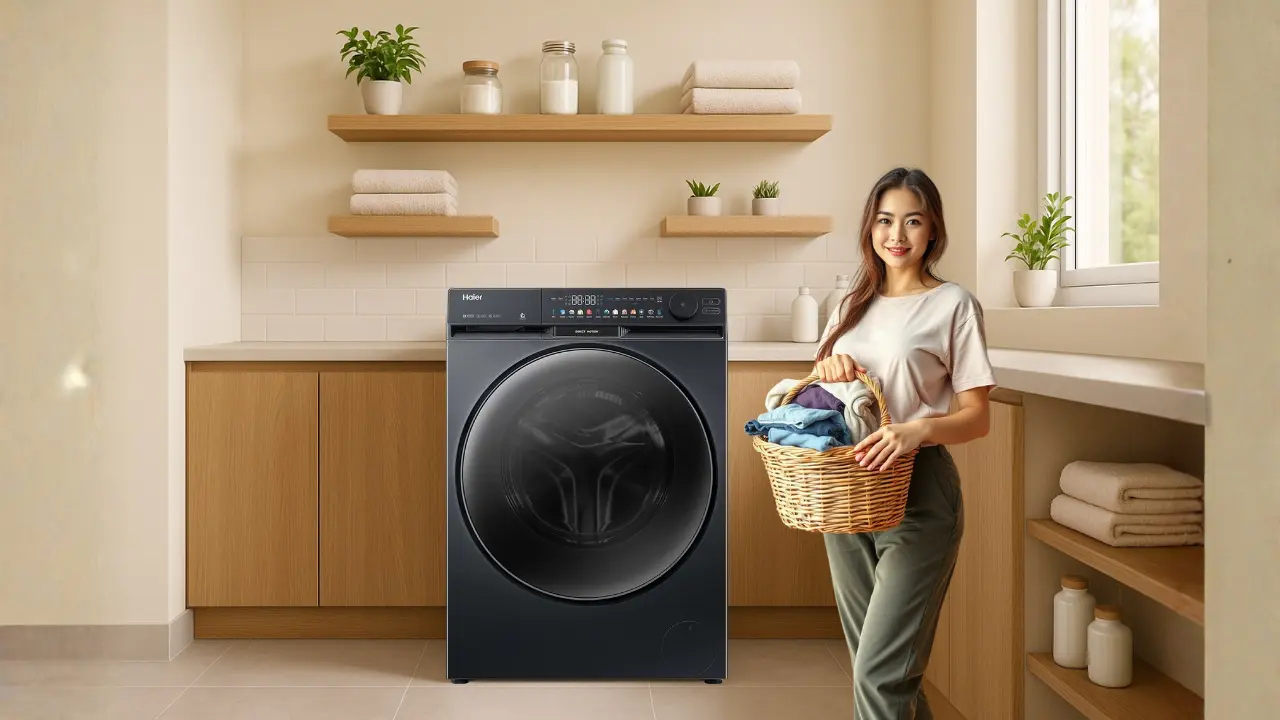
Most people assume that longer washes mean cleaner clothes. But in reality, the right program does the heavy lifting. Today’s smart washing machines, like Haier’s front-load range, are designed with post-monsoon India in mind: mud, humidity, dampness, and all.
Here’s how different wash cycles play out in real homes:
1. Cotton Cycle: The dependable workhorse
Every household has cotton basics bedsheets, kurtas, shirts. After monsoon, these carry not just mud but also a musty odour from damp air.
- The Cotton cycle uses higher temperatures (up to 90°C), breaking down tough stains while killing bacteria.
- Haier’s Pillow Shape Drum ensures fabric care so even after a hot wash, fibres don’t wear out easily
System principle: Heat plus drum design equals hygiene without fabric fatigue.
2. Mix Cycle: Because life doesn’t separate clothes perfectly

After the rains, laundry baskets look chaotic: school socks, office trousers, festival dupattas all muddied together.
- The Mix cycle is designed to handle varied fabrics in one go.
- With Haier’s Direct Motion Motor, vibrations are minimal, so even delicate fabrics can co-exist with sturdier ones
Hidden system: When motors run quietly and smoothly, clothes rub less against each other. Less wear, more care.
3. Allergy Care: For hidden dampness and spores
Humidity is the real villain. Even “clean” clothes can smell stale if not washed properly.
- The Allergy Care cycle runs at higher heat, flushing out allergens and damp spores that thrive in monsoon moisture.
- Haier adds Steam Refresh to some models, reviving garments by reducing wrinkles and odour without a full wash
Implication? Fresher wardrobes without over-washing.
4. Quick 15: The unsung hero for small emergencies
Festive season begins right after monsoon. And often, you just need a quick turnaround like sprucing up a mud-speckled kurta before Navratri shopping.
- Quick 15 washes lightly soiled clothes in under 15 minutes.
- Add an Extra Rinse function if stains look stubborn
Principle at play: Speed isn’t the opposite of quality when the cycle is designed right.
5. Baby Care & Delicate: For the most vulnerable fabrics

Nothing tests a parent like muddy school uniforms or baby clothes post playground adventures.
- The Baby Care cycle is gentler but thorough, ensuring zero detergent residue.
- The Delicate program keeps silks and chiffons safe while still lifting monsoon stains
System logic: Gentleness plus precision beats brute force in cleaning fragile fabrics.
6. Sportswear & Jeans: Clothes that take the hardest hit
Post-monsoon, sports fields reopen. Cricket whites, gym tracks, denim these collect sweat, dust, and leftover mud.
- The Sportswear program balances sweat removal with fabric elasticity.
- The Jeans cycle runs longer spins to pull dirt out of heavy fibres
Hidden truth: Not all stains are visible. Sweat plus mud can weaken fabric if not treated right.
7. Self-Clean: The cycle we forget but need most
Festivals mean more cooking, more guests, and more laundry. But damp monsoon residues can cling to the drum itself.
- The Self-Clean cycle uses high heat and water pressure to keep the washing machine hygienic.
- Add Haier’s High Strength Welding Drum to the mix, and your appliance stays durable year after year
Lesson: Cleaning the cleaner ensures cleaner clothes.
Post-monsoon laundry is not just about clothes it’s about rhythm

Indian households don’t just wash to clean. We wash to reset routines. To fold freshness into wardrobes before festive guests arrive. To make sure kids’ uniforms smell like comfort, not mildew.
The right wash cycles create that rhythm. They turn chaos into order, stains into stories, and dampness into reassurance.
Where Haier fits in
Haier’s washing machines whether 9 kg or 11 kg models bring this rhythm alive with:
- Super Drum 525: Larger drum for bulky post-monsoon loads
- Direct Motion Motor: Whisper-quiet yet powerful
- Steam Refresh: Clothes revived between washes
- Hai Smart App: Control cycles from your phone, even while commuting home through rain-cleared
It’s not about buying a machine. It’s about buying time, peace, and the confidence that mud is just a season, not a permanent stain.
The bigger picture
Monsoon will return next year. Stains will come back. But here’s the insight: Our systems for cleaning are as important as our systems for living.
Choose cycles that match the rhythm of your life. Choose machines that are quiet partners in that rhythm.
Because after the rains, what matters isn’t the mud that was, it’s the freshness that follows.