

PUF insulation keeps water hot for longer during a cold wave, cuts heat loss inside the tank, reduces reheating cycles, and saves noticeable electricity at a time when water heaters work the hardest.
It is the quiet, invisible layer that decides whether winter mornings feel effortless or exhausting.
Cold waves change how every Indian home works
Walk into any North Indian bathroom at 6.30 am this week and you will hear the same sound.
A geyser switching on.
A family waiting.
Someone yelled, “Is the water hot yet?”
This is the season when routines slow down. Water heaters work overtime. Electricity usage rises. Small design choices suddenly matter.
And nothing shapes winter comfort more than what sits between the outer body of your water heater and the hot water inside it. A layer many never think about. A layer that quietly determines how many times your water heater reheats through the day.
PUF insulation.
Rigid polyurethane foam. Thick, dense, efficient.
A small decision that makes a big difference.
Why insulation becomes a winter problem before it becomes a winter solution
Cold waves change the starting temperature of water.
Tap water feels sharper. Pipes cool faster. Heat escapes quicker.
This creates one simple reality.
Your water heater must fight the weather before it can serve you.
Without strong insulation, heat slips out of the tank. The heater restarts more often. Energy bills rise. So does morning frustration.
The pattern is predictable.
Lower outside temperatures.
Faster heat loss.
More reheating cycles.
Higher electricity use.
PUF insulation disrupts this chain.
What makes PUF insulation different from regular insulation
Most water heaters use one of three insulation approaches.
One option is glass wool.
Lightweight. Affordable. But porous. It loses heat faster and performs inconsistently during severe colds.
The second option is fibre-based padding.
Better than glass wool but still not dense enough for freezing nights.
The third option is PUF insulation.
A rigid, high-density foam that locks heat inside the tank like a thermos. It delivers consistent thermal efficiency even when outside temperatures drop below 10°C in places like Delhi, Rajasthan, and Madhya Pradesh.
This is why PUF insulation is the gold standard in modern water heaters.
It traps heat.
It reduces thermal bridges.
It creates a stable environment for hot water to stay hot.
The physics is simple. The impact is massive.
Heat moves from hot to cold. That is the rule.
But insulation decides how quickly it moves.
PUF is built with millions of tiny air pockets. Each pocket slows heat transfer. Greater density means fewer pathways for heat to escape.
This does four things at once:
- Keeps water hot for hours
- Minimises reheating cycles
- Reduces the load on the heating element
- Lowers electricity consumption
In a winter week where your water heater runs the most, every degree saved adds up.
Why PUF insulation matters most during cold waves
Cold waves are about more than low temperatures
Cold waves change behaviour inside the home.
Families bathe in tighter timelines.
Parents prepare tiffins earlier.
Working professionals race through cold morning showers before early calls.
Hot water becomes a system.
Not a convenience.
And like every system, one weak link creates friction.
PUF insulation stabilises this entire chain.
A strong tank behaves like a thermal bank
Think of your water heater as a savings account.
Heat is money.
Insulation is the lock.
A strong lock preserves savings.
A weak lock leaks them.
PUF insulation turns your water heater into a thermal bank that holds heat securely and predictably. You get consistent hot water without constantly switching the heater on and off.
Heat loss does not care about how expensive your unit is
Even a high wattage heater loses heat quickly without proper insulation.
This is why PUF insulation appears across Haier’s modern lineup of water heaters such as the Instant Series featured on the official store .
Better insulation ensures smarter heating.
Not harder heating.
How PUF insulation affects electricity use in real homes
A simple principle that governs winter bills
Your water heater consumes electricity only when it heats water.
Insulation decides how often that heating cycle repeats.
Low insulation equals frequent reheating.
PUF insulation equals longer heat retention.
A quick comparison
| Scenario | Heat Retention | Reheating Cycles | Electricity Use | Comfort Level |
| Older insulation | Low | High | High | Unpredictable |
| Fibre insulation | Medium | Medium | Moderate | Passable |
| PUF insulation | High | Low | Low | Consistent |
This table reflects one truth.
Winter comfort is not about wattage.
It is about insulation.
Where PUF insulation helps the most in India
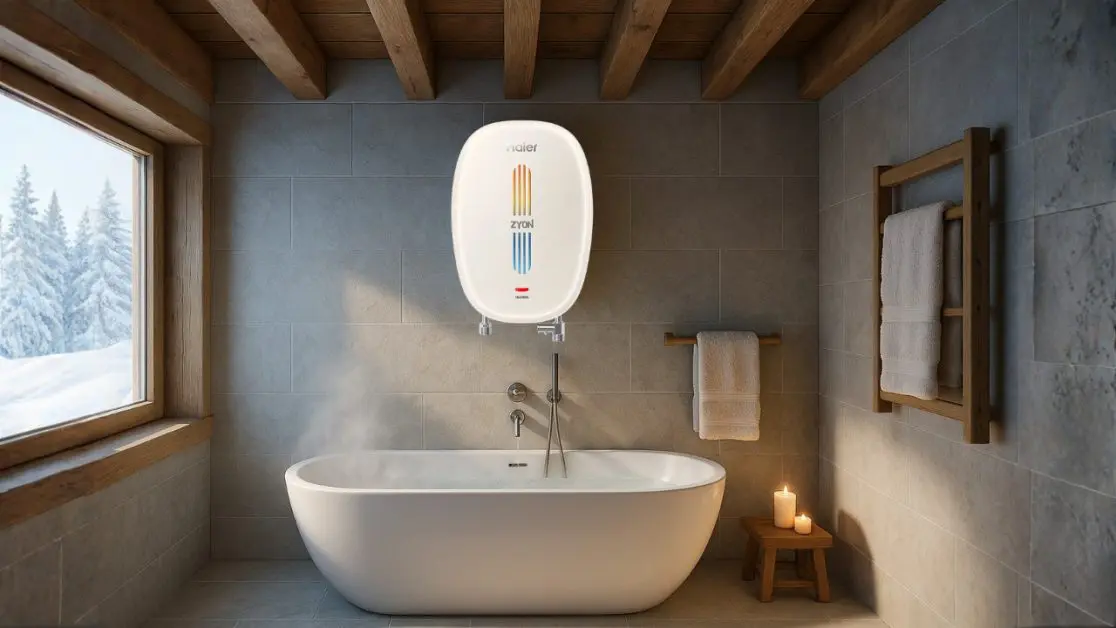
Cold waves behave differently across regions.
But the pain points feel universal.
1. North India: Delhi, Haryana, Rajasthan, Uttar Pradesh
Nights drop to single digits.
Water inside rooftop tanks turns icy.
PUF insulation reduces heat loss even when surrounding temperatures fall drastically. Morning showers feel less rushed. Kids get ready on time. Parents save electricity without trying.
2. Central India: Madhya Pradesh and Chhattisgarh
Temperatures settle between 8 to 12 degrees.
Insulation decides whether you need to switch the heater on again after a short gap.
PUF insulation maintains warmth longer between use cycles.
3. Western India: Parts of Maharashtra and Gujarat
Cold waves come in short bursts but hit hard.
Homes without strong insulation feel the difference in electricity bills.
PUF insulation keeps your heating predictable during sudden drops.
Invisible comfort is still comfort
A good winter feels seamless.
Not dramatic.
Not tense.
PUF insulation creates that kind of winter.
Not by adding new features.
By strengthening the foundation.
No one stands in the bathroom thinking about insulation.
But everyone feels its effect in the first few seconds of a shower.
Comfort begins before you turn the tap.
How Haier uses PUF insulation in its water heaters
Haier’s Instant Water Heater range integrates dense PUF insulation to reduce heat loss and stabilise performance during peak winter conditions.
Products like the Haier 3L Instant Water Heater lineup available on the brand’s official platform use high-density insulation around the tank to keep heat locked in for longer periods .
This benefits families in three ways:
- Less electricity consumed during cold waves
- Faster access to hot water
- Lower stress on the heating element, which extends lifespan
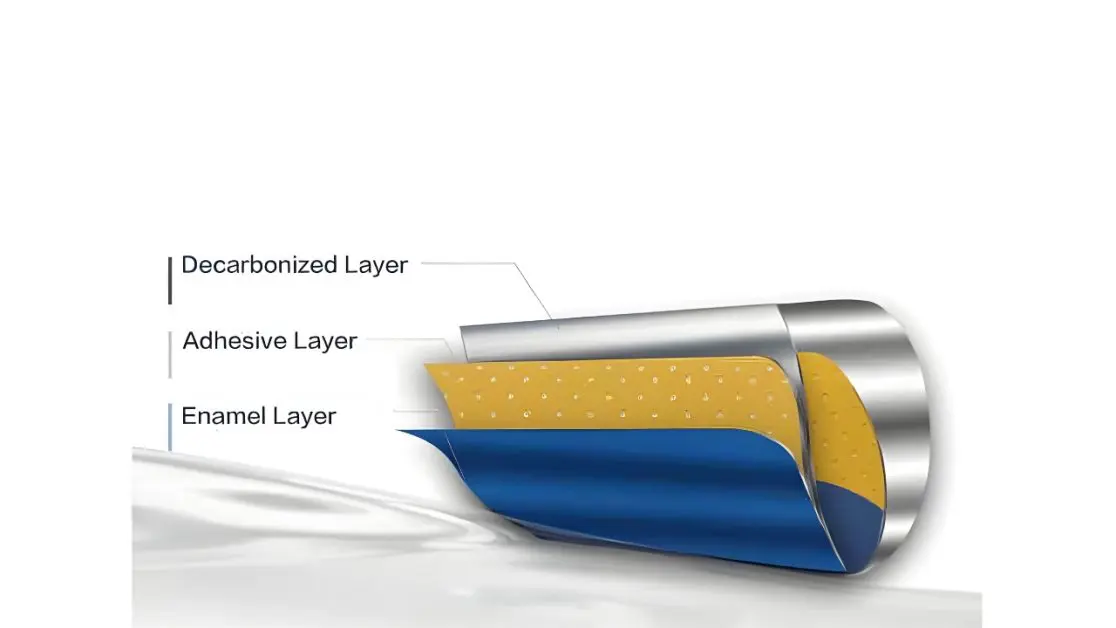
The insulation complements other structural choices like 304 stainless steel tanks and copper heating elements for consistent winter performance.
The bigger picture: what PUF insulation teaches us about winter systems
Every winter habit reveals a system.
A pattern.
A quiet rule governing how comfort flows through the home.
Here is the hidden system PUF insulation reveals.
The strength of a winter appliance is not defined by what it does actively, but how well it prevents loss.
Not losing heat saves you more than producing heat.
Not losing energy creates comfort more efficiently than adding wattage.
Not losing predictability is what turns a house into a home during extreme weather.
PUF insulation protects these three things.
So what does this mean for how we choose appliances
Three simple rules.
One. Choose for insulation, not wattage alone.
Performance depends on how long heat stays, not how quickly it forms.
Two. Think of winter as a pattern, not a moment.
Cold waves repeat. Strong insulation pays for itself.
Three. Look for stability, not speed.
A stable system creates less winter friction than a fast but inconsistent one.
These principles shift the way buyers think.
They also explain why PUF insulation matters more in 2025 than ever.
The memorable insight
Hot water is comfortable.
Insulation is certainty.
And during a cold wave, certainty is the warmest thing in the house.