
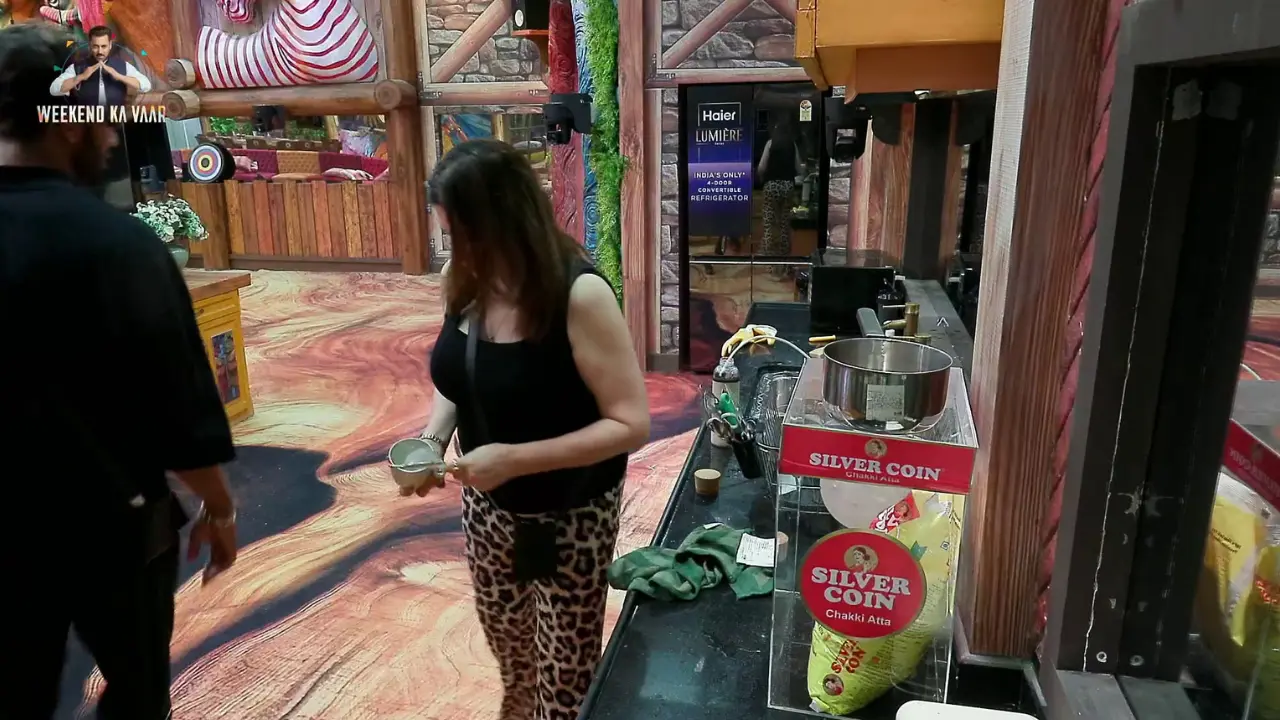

The modern Indian fridge isn’t just storage, it’s the quiet stage where family politics, late-night cravings, and everyday survival play out and Lumiere 4-Door Refrigerator is designed to handle it all.
The Fridge as the Real Drama Stage
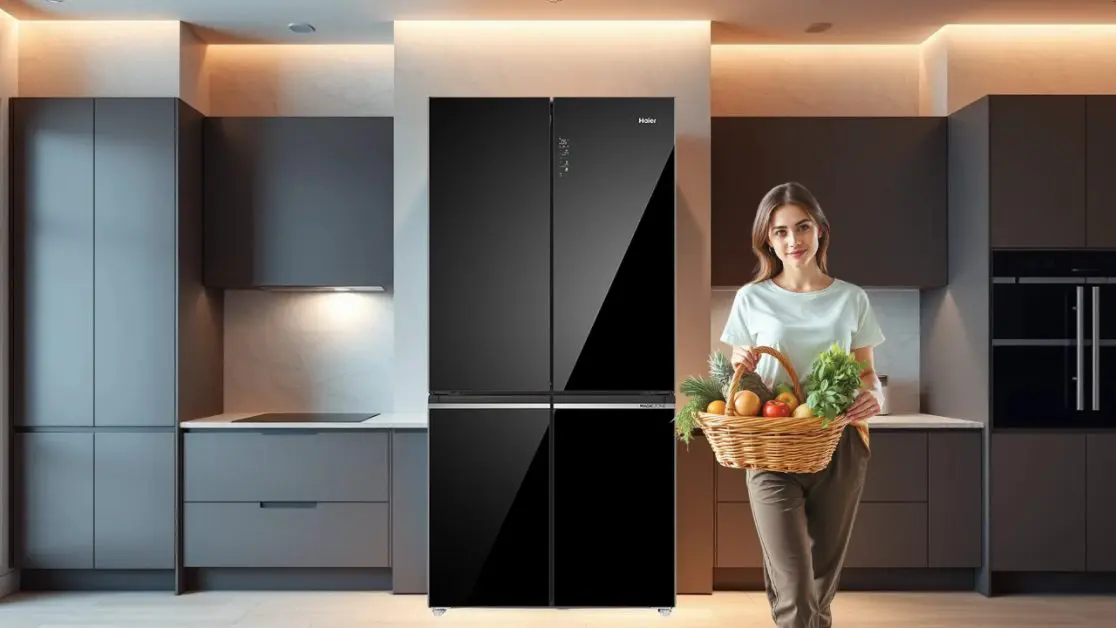
Every Indian home has two theatres.
The living room, where Bigg Boss blares.
And the kitchen, where the fridge quietly hosts its own season of family drama.
Ask yourself: how many arguments have started not in the drawing room but in front of the fridge?
- Who finished the gulab jamuns without telling?
- Why is the rasam from last week still here?
- Whose dabba is leaking sambar onto the second shelf?
This is rasoi politics at its most raw.
The fridge remembers everything. Leftovers, betrayals, even half-eaten chocolate bars hidden behind the milk packet.
Why Leftovers Always Start Fights
Here’s the pattern.
One person sees leftovers as treasure tomorrow’s shortcut meal.
Another sees them as clutter. Why are we storing yesterday when we have today?
The result? Drama.
A fridge with space and order reduces the tension. When dal, desserts, and doodh packets each have their corner, arguments melt. That’s why large, convertible storage like the Lumiere’s 520L design (350L fridge + 90L flexible zone) feels less like luxury and more like peacekeeping.
Three Types of Indian Fridge Users

Every home has them:
1. The Hoarder – saves everything, from Diwali kaju katli to half a pav.
2. The Minimalist – throws out even today’s leftover pizza.
3. The Opportunist – doesn’t care what’s stored, only whether they can eat it at midnight.
A good fridge must accommodate all three. The Lumiere’s convertible section flips between fridge and freezer depending on need.
Hoarders get their extra cold storage, minimalists keep it flexible, and opportunists? They just open and eat.
The Silent Referee in Rasoi Politics
Appliances don’t shout. But the right ones mediate.
Take ABT Pro technology, which absorbs odours and keeps freshness intact. In plain words: no one can accuse your palak paneer of “smelling up” their pastry.
Or Smart Sense AI, which learns usage patterns and sets cooling accordingly. Translation: when everyone raids the fridge after Asia matches, it knows to stay sharp.
Appliances that adapt aren’t passive. They’re invisible referees keeping domestic order.
Why Space Equals Sanity

A small fridge teaches one thing: scarcity breeds conflict.
- Only one shelf for veggies = fight over bhindi vs broccoli.
- Cramped freezer = ice cream tubs balanced dangerously on ice trays.
- No dedicated drawer = salad wilts before its time.
That’s why toughened glass shelves that hold heavy kadais, anti-tipping door racks for bottles, and even India’s largest LED sunlit interior (on the Mirror Glass variant) aren’t gimmicks. They’re systems that create calm.
Because order in the fridge often predicts order in the family.
What Leftovers Really Teach Us
Look deeper. The way a home handles leftovers reveals its philosophy.
- Save everything = thrift and caution.
- Toss quickly = love for freshness and control.
- Mix old with new = adaptability.
A fridge that can handle all three philosophies of storing, preserving, and refreshing becomes more than an appliance. It becomes a quiet teacher of balance.
When Technology Meets Taste
This is where Haier’s Lumiere series leans forward. Beyond storage:
- My Zone compartment preserves delicate flavours like homemade sweets.
- Smart food management via the Haismart app lets you track items, create shopping lists, and even share with family.
- Mirror glass finish or inox steel options turn the fridge into part of the living room aesthetic, not just kitchen hardware.
It’s technology that doesn’t scream. It whispers into everyday life.
Table: Fridge Drama vs Lumiere Solution
| Everyday Drama | Lumiere Design That Solves It |
| “This fridge smells of sambhar again” | ABT Pro remove odours |
| “Where do we put this whole birthday cake?” | 520L capacity + adjustable shelves |
| “Stop switching off the light inside” | Sunlit LED interior brightens every corner |
| “Ice trays keep falling out” | Built-in twist ice maker |
| “Electric bill is soaring” | Inverter compressor + Smart Sense AI saves energy |
Bigger Picture: Why Fridges Became Cultural Anchors
Think about it. In the 90s, fridges were about cold water and leftover sabzi.
Today, they’re about identity.
- Couples in metros use them as midnight snack stations.
- Parents see them as armour against daily tiffin chaos.
- Young professionals treat them as survival partners storing ready-to-eat, kombucha, and frozen momos in equal measure.
The fridge has evolved into the one appliance that reflects how India eats, argues, and adapts.
So, What Does This Mean for Us?

It means choosing a fridge isn’t a technical decision. It’s cultural.
It’s about whether your home values flexibility, freshness, or peacekeeping.
The Lumiere’s mix of convertible zones, AI-driven cooling, and design finishes proves one thing: appliances are no longer silent observers. They shape how families function, fight, and forgive.
Final Thought
Every leftover has a story.
Every rasoi debate has a lesson.
And every fridge if designed with intelligence and empathy quietly ensures the household drama stays outside the kitchen, not inside it.
Lumiere series shows us that innovation doesn’t just keep food fresh. It keeps families fresher too.