

Saving electricity without compromising cooling means using cooling systems that intelligently adjust their performance instead of running at full power continuously.
Technologies like inverter compressors, smart sensors, and optimized airflow maintain consistent temperatures while consuming less electricity. The result is simple. Comfortable homes and controlled energy bills at the same time.
A familiar summer evening in an Indian home.
It is 9:10 pm in late May.
Dinner plates are drying near the sink. A ceiling fan spins slowly above the dining table. The air outside still carries the warmth of the day.
Someone reaches for the remote.
The air conditioner turns on.
Within minutes, the room cools down. Conversations restart. A cricket match plays softly on television.
But somewhere in the back of the mind, a small calculation begins.
How much electricity is this going to cost tonight?
This quiet thought appears in millions of Indian households every evening.
Cooling delivers comfort. Electricity bills deliver concern.
For years, many families assumed these two things were tied together.
Cooler homes meant higher electricity consumption.
But modern appliances reveal a different story.
Energy efficiency is not the enemy of comfort. It is the system that protects it.
Why Cooling Consumes So Much Electricity in Indian Homes
Cooling appliances work hardest during the Indian summer.
In many cities, temperatures cross 35°C to 40°C regularly between April and July. According to the International Energy Agency, cooling appliances already account for nearly 10 percent* of global electricity demand, and this share is rising quickly in warm countries.
India sits right at the center of this transition.
Urban households now depend on cooling appliances for longer hours because:
- Apartment living reduces cross ventilation
- Concrete buildings trap daytime heat
- Hybrid work routines keep people indoors longer
- Rising summer temperatures begin earlier every year
But cooling appliances do not consume electricity evenly.
Most of the power spike happens during repeated compressor start and stop cycles.
This small technical detail explains why older systems consume more electricity.
Because cooling efficiency is not about raw power. It is about how smoothly the system operates.
The Hidden System Behind Efficient Cooling
Many people think cooling appliances work like a switch.
On.
Off.
Full power.
No power.
Modern cooling technology works very differently.
Think of it like driving a car on a highway.
The engine does not constantly accelerate and brake. It adjusts speed smoothly depending on the road.
Inverter technology works the same way.
Instead of switching the compressor on and off repeatedly, the compressor adjusts its speed based on the room temperature.
This leads to three immediate advantages.
- Faster initial cooling
- Stable temperature maintenance
- Reduced electricity consumption
The principle appears across modern appliances.
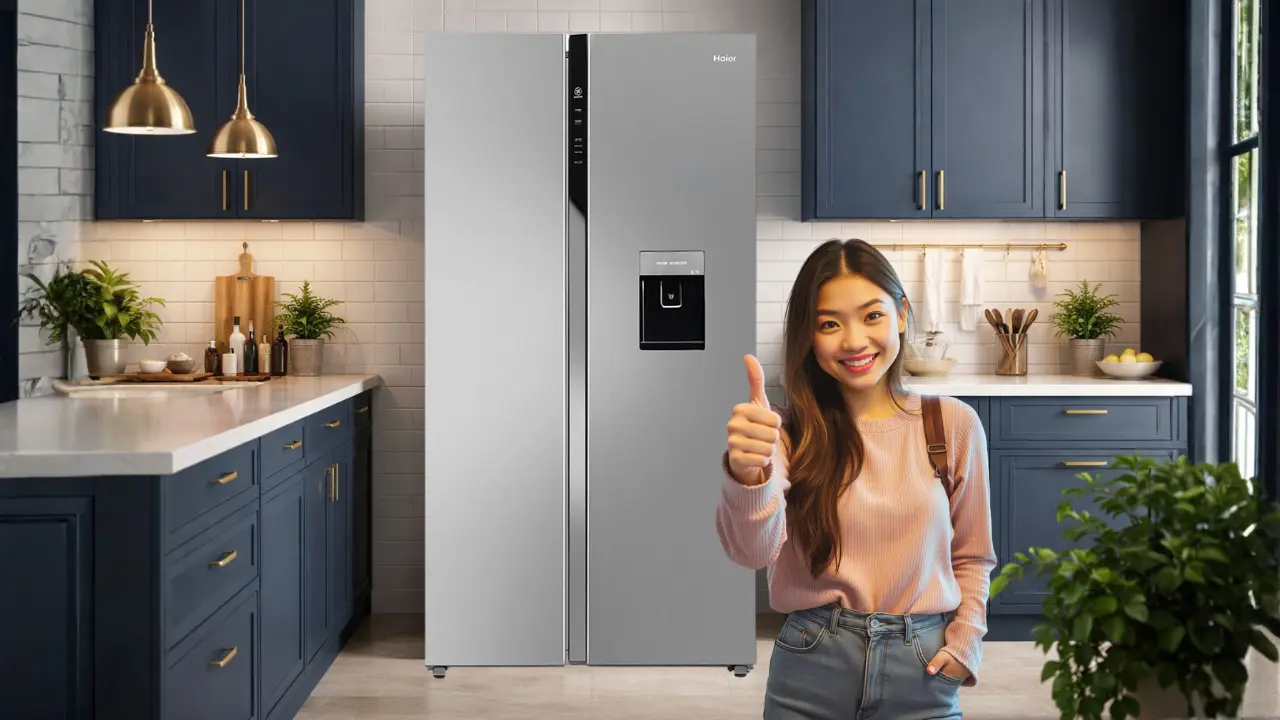
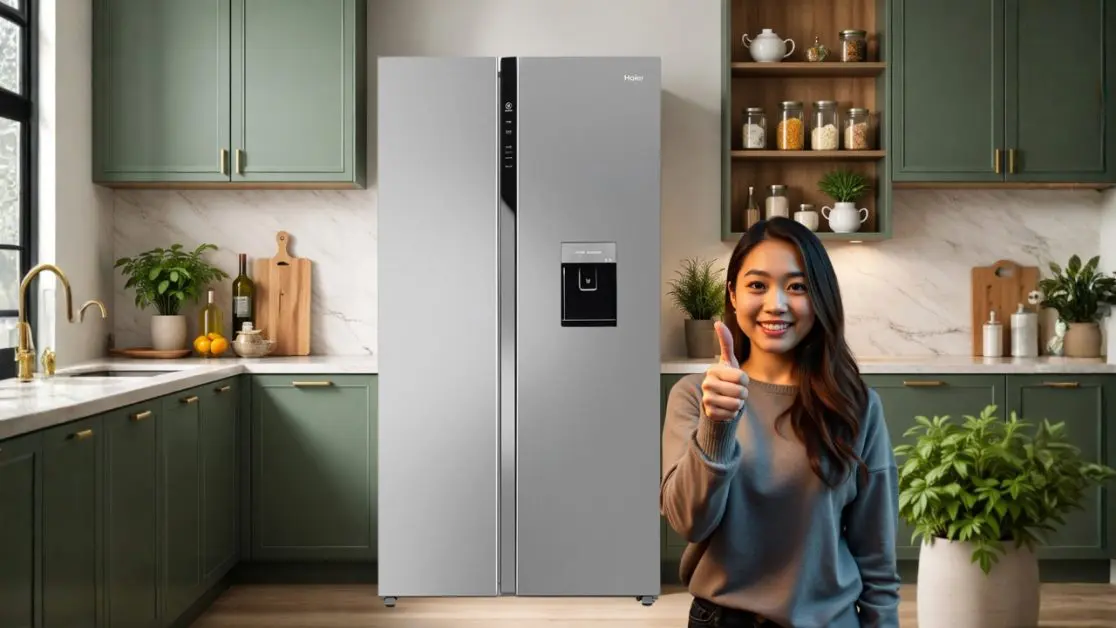
For example, the Haier 596L Regal Steel 2 Door Smart Convertible SBS Refrigerator (HRS-682WRSU1) uses Expert Inverter Technology, which delivers smart cooling while maintaining steady energy efficiency.
Smooth systems consume less electricity than systems that constantly restart.
Cooling becomes consistent.
Energy usage becomes predictable.
Three Practical Ways Indian Homes Save Electricity Without Losing Cooling Comfort
Energy efficient cooling rarely depends on a single appliance feature.
It emerges from several small systems working together.
Let us examine three of the most reliable ones.
1. Intelligent Cooling Systems
The first option is using appliances that adapt automatically to real conditions.
Modern cooling appliances often include sensors that measure temperature, load, and usage patterns.
This creates an adaptive system rather than a fixed one.
| Feature | What It Does | Why It Saves Electricity |
| Inverter compressor | Adjusts speed continuously | Prevents power spikes |
| Smart sensors | Monitor internal temperature | Avoids unnecessary cooling |
| Stable airflow design | Distributes cool air evenly | Reduces compressor workload |
Cooling happens steadily instead of aggressively.
And electricity consumption follows the same pattern.
2. Better Cooling Retention Inside the Home
Cooling efficiency does not depend only on the appliance.
It also depends on how well the room retains cool air.
Think of cooling like filling a bucket with water.
If the bucket leaks, the tap must keep running.
Indian homes lose cooling through three common areas.
- Sun exposed windows
- Door gaps and ventilation leaks
- Heat entering through walls and roofs
Small improvements can reduce cooling loss significantly.
- Install thermal curtains or blackout blinds
- Close doors of unused rooms while cooling
- Seal small gaps around window frames
Each improvement reduces the workload on cooling appliances.
Which reduces electricity consumption naturally.
3. Smarter Temperature Settings
The ideal cooling temperature is rarely the coldest possible setting.
Energy efficiency studies recommend 24°C t in o 26°C as the most balanced range between comfort and electricity savings.
Lower temperatures force compressors to work much harder.
Here is a simple comparison.
| Temperature Setting | Cooling Experience | Energy Impact |
| 18°C | Very cold | High electricity usage |
| 22°C | Cool | Moderate electricity usage |
| 24–26°C | Comfortable | Energy efficient |
Cooling systems operate most efficiently when the indoor temperature does not drastically differ from outdoor conditions.
Extreme cooling wastes energy.
Comfortable cooling preserves it.
Cooling Efficiency Is Actually a Design Challenge
Many people think energy saving is about discipline.
Turn appliances off.
Lower usage.
Limit comfort.
But engineers design efficient appliances differently.
They design systems that optimize performance automatically.
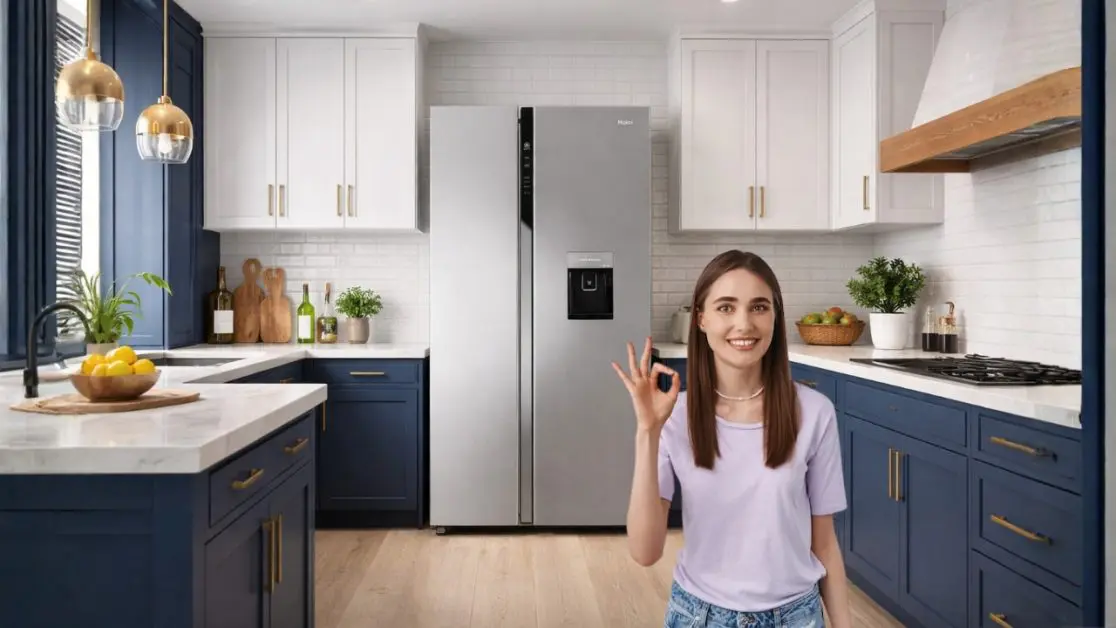
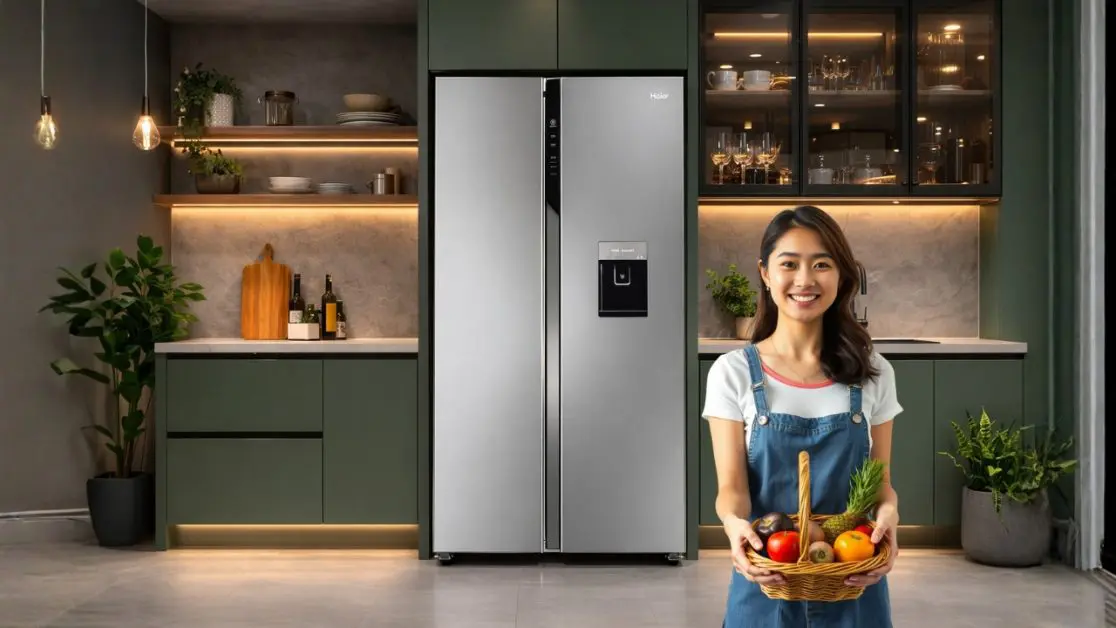
The Haier 596L Regal Steel 2 Door Smart Convertible SBS Refrigerator (HRS-682WRSU1) demonstrates this idea clearly.
It combines several efficiency focused technologies including:
- Expert Inverter Technology for stable cooling
- Convertible fridge space that adapts storage needs
- Deo Fresh Technology that helps maintain freshness for up to 21 days
By maintaining stable temperatures, the appliance reduces the number of compressor cycles.
Less cycling means lower electricity usage.
Better design creates better efficiency.
Cooling Patterns Are Changing in Modern Indian Homes
Walk into any apartment building in cities like Delhi, Hyderabad, or Bengaluru during summer.
Cooling patterns have clearly shifted.
Earlier generations used air conditioners primarily during nighttime.
Today many homes rely on cooling appliances throughout the afternoon as well.
Two factors drive this change.
- Hybrid work routines that keep people indoors longer
- Rising daytime temperatures across urban regions
Cooling systems now run for more hours every day.
Which means electricity efficiency matters more than ever.
Homes no longer need occasional cooling.
They need sustainable cooling systems.
Small Cooling Habits That Reduce Electricity Bills
Technology helps.
But everyday habits also contribute to energy efficiency.
Here are several simple practices that consistently reduce cooling costs.
- Use ceiling fans with air conditioners to circulate cool air
- Clean AC filters regularly during summer months
- Avoid placing lamps or electronics near thermostats
- Use sleep mode or eco mode during nighttime cooling
Each habit removes small pressure from the cooling system.
And cooling systems reward reduced pressure with lower electricity usage.
The Real Insight Behind Saving Electricity
Electricity savings rarely come from sacrifice.
They come from alignment.
When appliances, homes, and daily routines work together, energy efficiency emerges naturally.
Homes operate on patterns.
Morning activity.
Afternoon quiet hours.
Evening gatherings.
Nighttime sleep.
Cooling systems that adapt to these rhythms consume less electricity.
They respond to life instead of forcing life to adjust.
Cooling Without Constant Worry
The purpose of technology inside homes is simple.
Reduce friction.
Lower everyday stress.
Make life feel smoother.
Cooling appliances are no longer just machines that lower temperature.
They are systems that manage energy intelligently.
When appliances run efficiently, homes remain comfortable without constant concern about electricity bills.
Comfort becomes predictable.
Energy usage becomes manageable.
The One Idea Worth Remembering
Here is the insight that changes how people think about cooling.
The most efficient cooling system is not the one that runs the least. It is the one that runs the smartest.
When cooling appliances adapt to real conditions, electricity savings follow naturally.
No sacrifice.
No compromise.
Just intelligent systems working quietly in the background.
And in modern Indian homes, that quiet intelligence is exactly what makes everyday living feel simpler, cooler, and more effortless.
Frequently Asked Questions
I turn on my AC every night and immediately worry about the bill. Am I using it wrong?
Not necessarily. The issue isn’t using the AC it’s how it runs. If your AC uses inverter technology, it adjusts power gradually instead of spiking electricity. That means you can stay comfortable without guilt.
Should I avoid using AC daily to save electricity?
You don’t need to avoid it. Modern cooling systems are designed for regular use. Efficient usage (like proper temperature settings and sealed rooms) matters more than limiting usage.
I feel like cooler settings mean better comfort. Am I overthinking energy usage?
Slightly. Extremely low temperatures (like 18°C) don’t improve comfort much after a point but significantly increase electricity consumption. Comfort is about stability, not extremes.
My room cools quickly but heats up again fast. What’s going wrong?
You’re likely losing cooling due to poor insulation gaps, sunlight exposure, or open spaces. Your AC is working harder than needed.
I keep doors slightly open while using AC. Does it matter?
Yes, it matters a lot. Even small air leaks force the compressor to run more frequently, increasing electricity usage.
I never thought about curtains affecting cooling. Do they really help?
Absolutely. Thermal or blackout curtains reduce heat entry, which reduces cooling load significantly.