
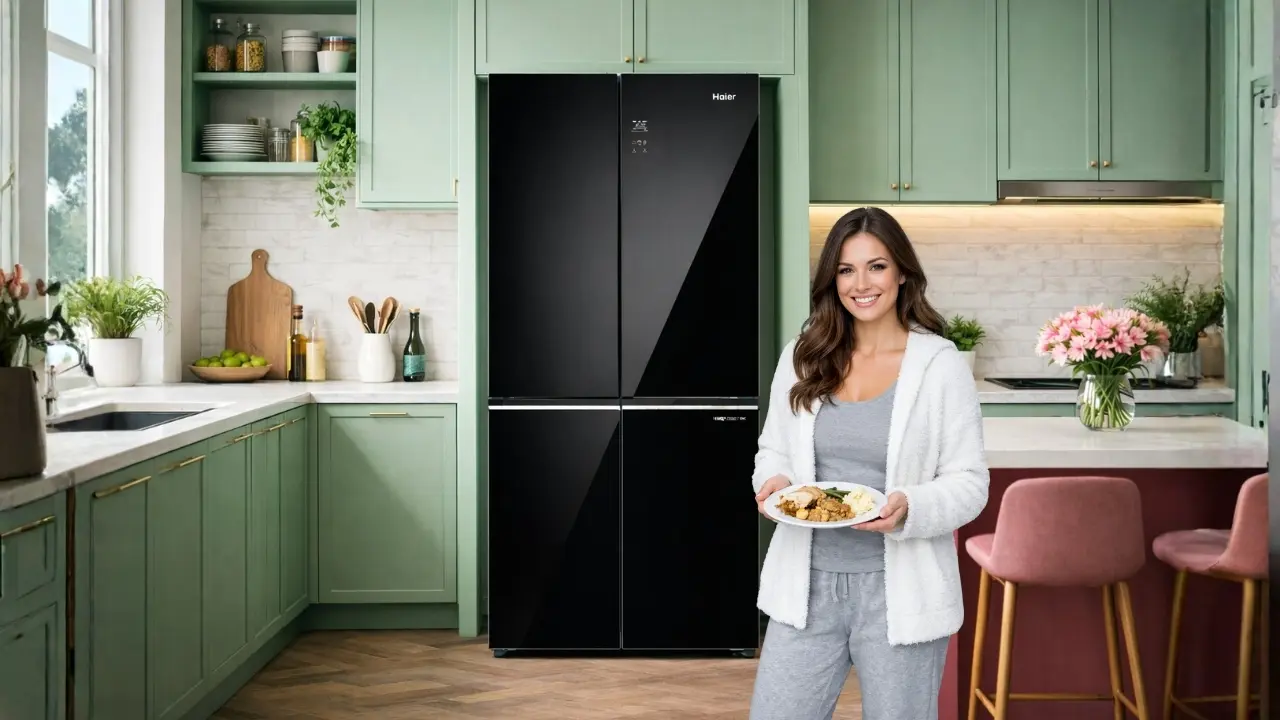

Side by Side refrigerators are no longer about size or status.
They are about choice. The ability to adapt storage, layout, and usage to how Indian homes actually function today.
This is where Haier’s SBS portfolio stands out quietly, not by shouting features, but by building flexibility into the system itself.
Choice is not a checklist. It is a daily experience.
Open a refrigerator in a real Indian home.
There is cooked food for tonight.
Extra sabzi for tomorrow.
Milk bottles lined up carefully.
A dessert box saved for the weekend.
Nothing here follows a fixed plan.
Life shifts daily. And storage needs to shift with it.
That is the real problem SBS refrigerators solve.
Not more space. Smarter space.
Why SBS refrigerators matter more now than ever
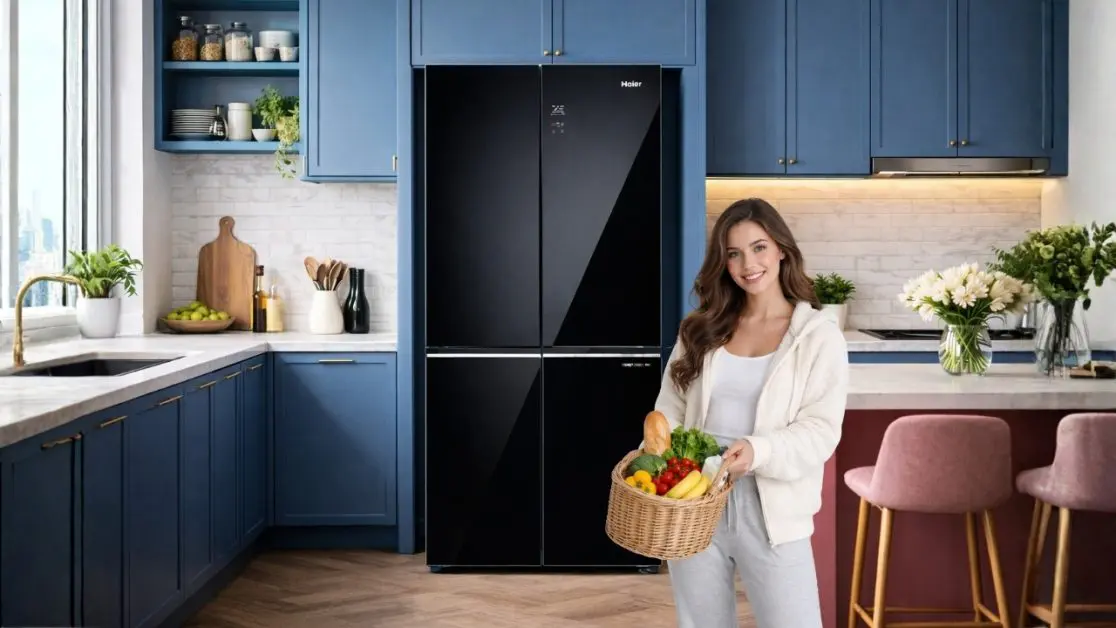
Indian households have changed faster than appliance design once anticipated.
- Grocery buying has moved from daily to weekly
- Cooking happens in batches
- Freezers are used differently across seasons
- Multiple people access the fridge at the same time
Top-freezer designs struggle with this complexity. Side by Side layouts handle it better because they spread access horizontally, reduce congestion, and make organisation visible.
But layout alone does not create leadership.
Systems do.
The real advantage lies in adaptability, not capacity
Most refrigerators assume one thing.
That usage stays consistent.
Reality says otherwise.
Festivals expand storage overnight.
Guests change freezer needs instantly.
Work-from-home alters meal timing.
Kids’ schedules disrupt routine eating.
A rigid refrigerator becomes limiting. A flexible one becomes supportive.
This is where Haier’s SBS variants quietly differentiate themselves. They are designed as adaptive systems, not fixed boxes.
A practical example: the 630L four-door SBS format
Take the 630L Black Glass 4-Door Lumiere Refrigerator (HRB-700KGU1) as an example of how SBS choice plays out in real life.
On paper, it is a large-capacity refrigerator.
In practice, it is about how that capacity behaves.
Choice one: Convertible storage instead of fixed roles
The storage space can function as a fridge when required .
This matters more than it sounds.
During festive cooking or large family gatherings, fresh food storage matters more than frozen space. At other times, freezer capacity takes priority.
Instead of forcing a permanent ratio, this SBS design lets households decide week by week.
That is a choice with consequences.
Choice two: Four-door SBS layout that respects movement

The four-door Side by Side layout changes how people interact with food storage.
- Frequently used sections stay at eye level
- Less-used frozen zones move lower
- Short door openings reduce cold air loss
- Multiple users can access different sections at once
The result is less bending, less stacking, and fewer repeated openings.
Design here supports behaviour rather than correcting it.
Choice three: Hygiene without extra effort
Indian refrigerators store mixed foods together. Fresh produce, cooked meals, dairy, desserts.
Odour and contamination are not edge cases. They are everyday issues.
Technologies like ABT Pro work quietly in the background to manage bacteria and absorb odours, helping food stay fresher and more neutral in smell .
The benefit shows up subtly.
Food tastes cleaner.
Storage feels safer.
Cleaning becomes less frequent.
Choice four: Shelves designed for real cookware
Indian kitchens do not use lightweight containers.
Steel vessels.
Large bowls.
Heavy cookware.
Spill-proof toughened glass shelves exist for a reason. They remove the mental calculation that happens every time something heavy goes into the fridge.
Good design reduces hesitation.
Choice five: Visibility that prevents waste
Poor lighting leads to forgotten food.
The Sun Lit Interior spreads light evenly across shelves and drawers so items at the back remain visible.
This small detail changes behaviour.
- Less food forgotten
- Fewer expired items
- Better planning
Visibility is an underrated form of control.
Choice six: Zones that adapt to food, not vice versa
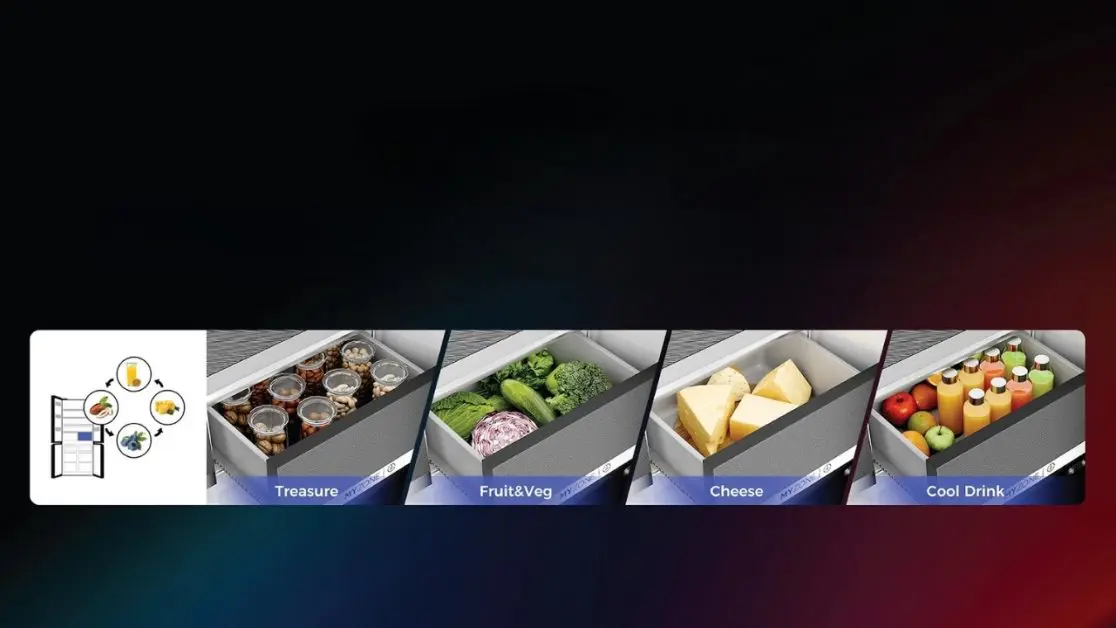
The My Zone feature allows temperature presets based on what is stored.
One week it holds beverages.
Another week it stores cheese or fruits.
Instead of fixed compartments, storage adapts to context.
This matters because Indian kitchens rarely follow a single eating pattern for long.
Choice seven: Smart features that stay invisible
Smart appliances fail when they demand attention.
Here, smart connectivity focuses on reducing load rather than adding it.
- Temperature monitoring without constant checking
- Food tracking for shared households
- Energy optimisation through usage learning
Features like Smart Sense AI adjust cooling based on actual behaviour, not assumptions .
The system learns. The user does not have to.
Why more SBS variants actually simplify decisions
At first glance, more options feel overwhelming.
In practice, structured choice reduces confusion.
SBS variants are organised around:
- Capacity needs
- Door access preferences
- Finish and kitchen aesthetics
- Depth of smart functionality
This lets buyers filter logically rather than emotionally.
Choice becomes clarity.
Energy efficiency as a side effect of good systems
Energy savings are rarely visible day to day. But they compound over time.
Inverter-based cooling combined with adaptive sensing means energy use responds to real usage patterns rather than fixed cycles.
In Indian homes, where doors open often and usage peaks vary, this approach makes efficiency practical rather than theoretical.
Why these SBS designs age well
Many appliances impress early and frustrate later.
Adaptable SBS designs age better because:
- Family sizes change
- Cooking habits evolve
- Storage priorities shift
When the system adapts, users do not feel the need to upgrade prematurely.
Longevity becomes a feature.
The bigger pattern behind SBS leadership
Zoom out, and this is not really about refrigerators.
It is about recognising that homes are dynamic systems.
Designing for change rather than stability creates products that feel dependable over time.
That philosophy explains why certain SBS portfolios lead quietly while others rely on volume and noise.
What this means for modern Indian homes
If you are setting up a new home, SBS choice is about future-proofing.
If you are upgrading, it is about reducing daily friction.
If you manage a family, it is about storage that adapts without constant adjustment.
The refrigerator stops being a box and starts behaving like infrastructure.
The idea worth keeping
Appliances do not improve life by doing more.
They improve life by asking less from you.
That is the real power of choice.
And that is why the right SBS design feels less like a purchase and more like a long-term decision made well.
Frequently Asked Questions
Is a bigger SBS refrigerator always better, or is that just marketing?
Bigger only helps if the space behaves differently when needed. Fixed layouts waste volume. Convertible and zoned SBS systems use the same litres more intelligently.
I don’t clean my fridge every week. Will food still stay fresh?
Yes, if hygiene is built into the system. Technologies like anti-bacterial treatment and odour absorption reduce how often deep cleaning is needed.
Does quick access really make a difference day to day?
Yes. Less bending, less searching, fewer re-openings, small efficiencies compound into better cooling stability and lower energy strain.
We share the fridge at home. Can smart features reduce confusion?
Yes. Shared visibility, temperature stability, and optional food tracking help without turning the fridge into a control panel.
What is the point of multi-zone or ‘My Zone’ features?
They allow temperature presets based on what you’re storing, beverages one week, fruits or cheese the next, without forcing food to adapt to rigid compartments.
Do adaptable zones actually reduce food waste?
Yes. When storage matches food type and visibility is high, items are forgotten less and planning improves naturally.