


Shock-proof water heaters are designed to protect you from electric shocks by converting dangerous voltage into safe levels, automatically cutting power during faults, and managing heat and pressure safely.
In Indian homes where water, electricity, and daily routines overlap tightly, these safety systems are not optional. They are foundational.
The moment when safety becomes personal
It is early morning.
The bathroom floor is still cool.
The geyser light is on.
Someone turns the tap without thinking twice.
This is not a dramatic moment. That is precisely the problem.
Most electrical accidents at home do not come from reckless behavior. They come from routine. From familiarity. From the assumption that what worked yesterday will work today.
Water heaters sit quietly in this routine. Used daily. Rarely questioned. Almost never inspected.
Until something goes wrong.
Shock-proof water heaters exist for this exact reason. Not to impress. To protect.
Why electric safety matters more in Indian bathrooms

Bathrooms in Indian homes are uniquely challenging spaces.
- Water splashes everywhere.
- Floors stay damp for hours.
- Wiring quality varies across buildings and cities.
- Voltage fluctuations are common.
Add early mornings, sleepy decisions, and fast-moving households, and the margin for error becomes very thin.
Electricity does not forgive assumptions.
Safety is not about fear. It is about design that anticipates reality.
What does “shock-proof” actually mean
Shock-proof is not a marketing phrase.
It is an engineering system.
A truly shock-proof water heater does three things at once.
1. Detects electrical leakage
2. Reduces voltage to a safe level instantly
3. Cuts off power before current reaches the user
In advanced systems, this happens so fast it feels like nothing happened at all.
The hidden safety features most people ignore
Most buyers compare capacity, price, or star rating.
Safety features rarely make the shortlist.
That is a mistake.
Let us break down the systems that actually keep you safe.
1. Shock-proof technology that works automatically
The best safety systems do not wait for human reaction.
They sense leakage and respond instantly.
In shock-proof heaters built to international standards, the system lowers voltage the moment it detects abnormal current flow. This prevents electric shock even if internal insulation fails.
The insight:
If safety depends on you switching something off, it is already too late.
2. Dual thermal protection is not redundant. It is survival
Water heaters operate under heat and pressure. Both can fail.
Dual thermal protection systems use two independent safety cutoffs.
- The first cutoff stops heating at around 75 degrees Celsius.
- The second cutoff shuts power entirely if the first system fails and temperature rises further.
This layered protection ensures overheating does not spiral into electrical or pressure hazards.
One system assumes things go wrong. Two systems assume things go very wrong.
That difference matters.
3. Pressure control protects more than pipes
In many Indian apartments, water pressure fluctuates wildly.
High-rise buildings are especially vulnerable.
A pressure safety valve, often rated for 8 bar pressure, releases excess pressure automatically. This prevents internal damage, tank bursts, and electrical stress.
Pressure control is not plumbing hygiene.
It is electrical safety by another route.
4. Water resistance is electrical discipline
IPX4-rated water heaters are built to resist water splashes from all directions.
This matters because moisture is electricity’s closest enemy.
Even small seepage can compromise wiring over time.
Water resistance slows degradation. And safety is always a long game.
Why safety systems fail in older or cheaper heaters

Many older geysers rely on:
- Single thermostat systems
- Manual cutoffs
- Minimal insulation
- Outdated wiring assumptions
They work until they do not.
And when they fail, they fail suddenly.
Modern shock-proof heaters are designed around the idea that components degrade. That voltage fluctuates. That users are human.
Design that accepts reality is safer than design that assumes perfection.
How safety quietly improves daily life
Safety does not just prevent accidents.
It changes behavior.
When you trust your water heater:
- You stop rushing morning routines.
- Parents worry less about children using the bathroom.
- Elderly family members feel more confident bathing alone.
- Homes feel calmer.
Peace of mind is not emotional. It is engineered.
What to actually look for when buying a shock-proof water heater
Forget the brochure headlines for a moment.
Focus on these essentials.
Non-negotiable safety checklist
- Shock-proof protection compliant with IEC standards
- Dual thermal cutoffs
- Pressure safety valve rated for high-rise use
- IPX4 or higher water resistance
- Glass-lined or corrosion-resistant tank
- Quality heating element designed for longevity
Everything else is secondary.
A note on smart features and safety
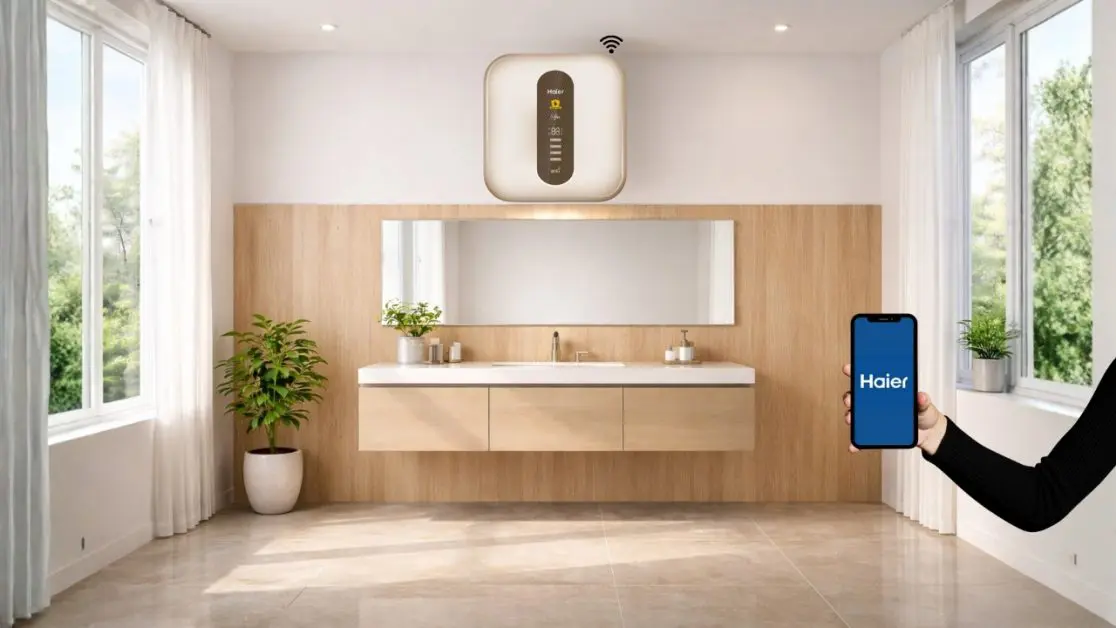
Smart controls get attention.
But smart safety is quieter.
Some modern heaters integrate monitoring systems that alert users to abnormal conditions, overheating cycles, or system faults. These do not replace core safety mechanisms. They enhance awareness.
Intelligence without protection is decoration. Protection with intelligence is progress.
How Haier approaches safety differently
Haier’s approach to water heater safety is rooted in layered protection rather than single-point defense.
From shock-proof systems aligned with IEC standards to dual thermal protection, pressure-rated tanks, antibacterial heating modes, and corrosion-resistant materials, the focus is on long-term reliability in real Indian conditions.
Not because accidents are common.
But because prevention only works when it is invisible.
The Haier 15L Square Water Heater specifications illustrate how these systems work together rather than in isolation
The bigger picture most people miss
Water heaters sit at the intersection of three forces.
- Electricity
- Water
- Habit
Any one of these is manageable. Together, they demand respect.
Shock-proof water heaters are not about premium living.
They are about responsible living.
They acknowledge that homes are dynamic systems. Not static spaces.
The question that reframes everything
Would you buy a car without brakes because you drive carefully?
Of course not.
Then why accept a water heater without robust safety systems because you “use it properly”?
Safety is not a reward for good behavior. It is protection from unpredictable reality.
What this means for modern Indian homes
As homes get smarter, taller, and more electrically dense, safety must evolve quietly alongside.
The best appliances do not ask for attention.
They earn trust.
Shock-proof water heaters are part of that silent contract between technology and daily life.
You may never notice them working.
That is the point.
The insight worth remembering
Comfort is visible.
Design is tangible.
Safety is invisible.
And the most important systems in your home are the ones you never have to think about.
That is not luxury.
That is good engineering.
Frequently Asked Questions
Do I really need a shock-proof water heater, or is this just marketing?
If your bathroom has moisture, voltage fluctuations, or shared wiring (which most Indian homes do), shock-proof protection is not optional. It is not about premium living, it is about preventing silent electrical risks during everyday routines.
I already have an earth connection. Isn’t that enough?
Earthing helps, but it does not detect internal leakage, insulation failure, or sudden voltage spikes. Shock-proof heaters actively monitor current and cut power automatically, something earthing alone cannot do.
I turn the geyser on every morning half asleep. Is that risky?
That’s exactly the point. Most accidents happen during routine, not recklessness. Shock-proof systems exist because humans operate on habit, not constant vigilance.
Why do I need dual thermal protection? Isn’t one thermostat enough?
One thermostat assumes everything works perfectly. Dual thermal protection assumes failure can happen. If the first cutoff fails, the second shuts power completely, preventing overheating, pressure buildup, and electrical stress.
Can overheating actually cause electrical danger?
Yes. Excessive heat increases internal pressure, damages insulation, and stresses wiring. Heat and electricity failures are often linked, not separate issues.
What does ‘smart safety’ actually mean in real life?
It means the heater can warn you about abnormal heating cycles, faults, or system stress, while the core safety systems quietly handle the real risks in the background.
How does Haier India approach water heater safety differently?
Haier focuses on layered protection rather than single-point defense, combining shock-proof systems aligned with IEC standards, dual thermal cutoffs, pressure-rated tanks, corrosion resistance, and long-term reliability for Indian conditions.