
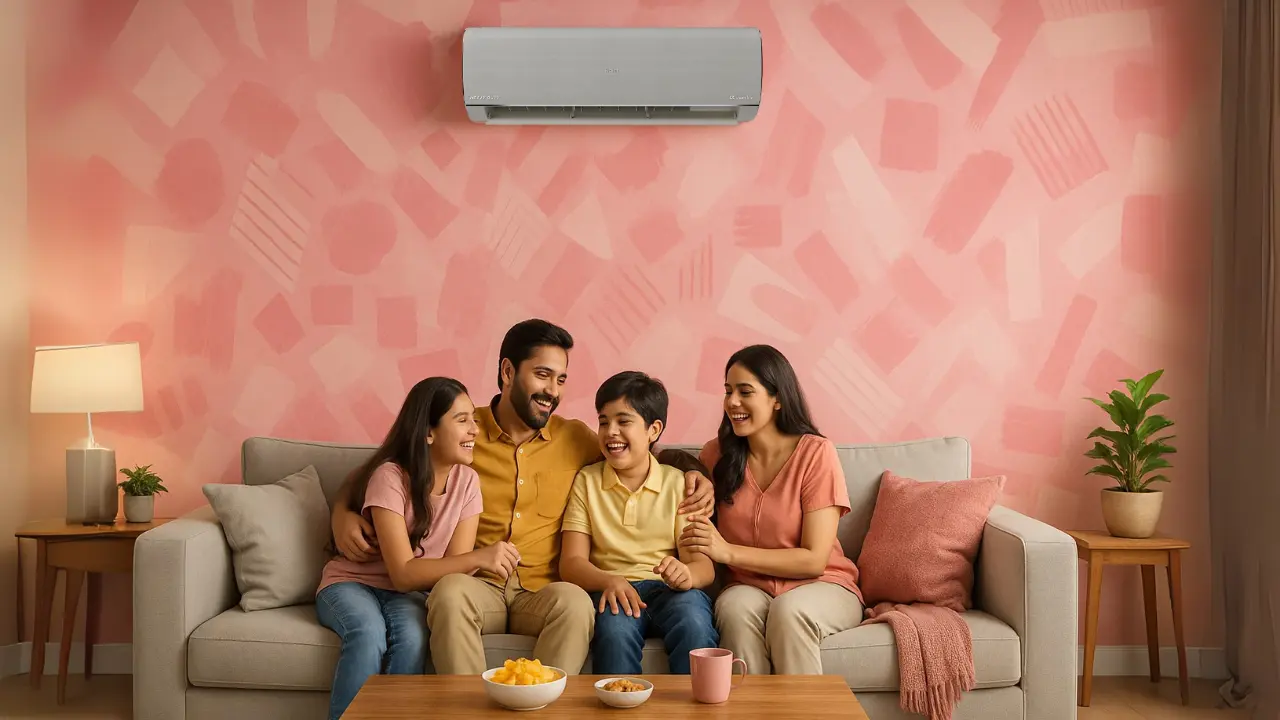

The season of contradictions.
That’s what post-monsoon feels like in most Indian cities. One evening it’s sticky and damp, the next morning it’s breezy and cool. By afternoon, the sun blazes again. The result? Homes that feel too warm one moment and too chilly the next.
Fans alone can’t balance it. Keeping the AC on full blast wastes power. And switching settings every few hours quickly becomes a chore. Which is why smart AC modes are quietly becoming the unsung heroes of Indian households.
Why smart cooling matters after the monsoon

Post-monsoon isn’t just about leftover humidity. It’s also about sudden swings in rain in the morning, traffic heat at noon, and surprisingly crisp evenings.
Traditional cooling can’t keep up with this rhythm. That’s where the new generation of AI-driven air conditioners like Haier’s Gravity Series step in. They don’t just cool the air. They read the room. They adapt.
Think of it like having a friend who knows when to offer you chai, when to switch to nimbu pani, and when to just leave you with a blanket. No instructions needed.
The hidden logic of smart modes
Every smart mode is essentially a different conversation between your AC and your environment. Each has its own purpose, its own way of responding to temperature, humidity, and usage patterns.
Here’s how to make sense of them systematically:
1. Auto Mode: The set-and-forget genius
- Adjusts temperature automatically depending on the room and outdoor conditions.
- Ideal for days when the weather itself is confused rain followed by sunshine.
- Saves power by avoiding extremes.
Cost-benefit: Less fiddling, fewer bill shocks.
2. Dry Mode: Your anti-humidity shield
- Run the fan at low speed while removing excess moisture.
- Perfect for those damp mornings when bedsheets refuse to dry and the fridge starts to smell musty.
- Prevents mold, odour, and that sticky skin feeling.
Implication: Think of it as an invisible mop working while you sip your filter coffee.
3. Sleep Mode: Comfort without waste
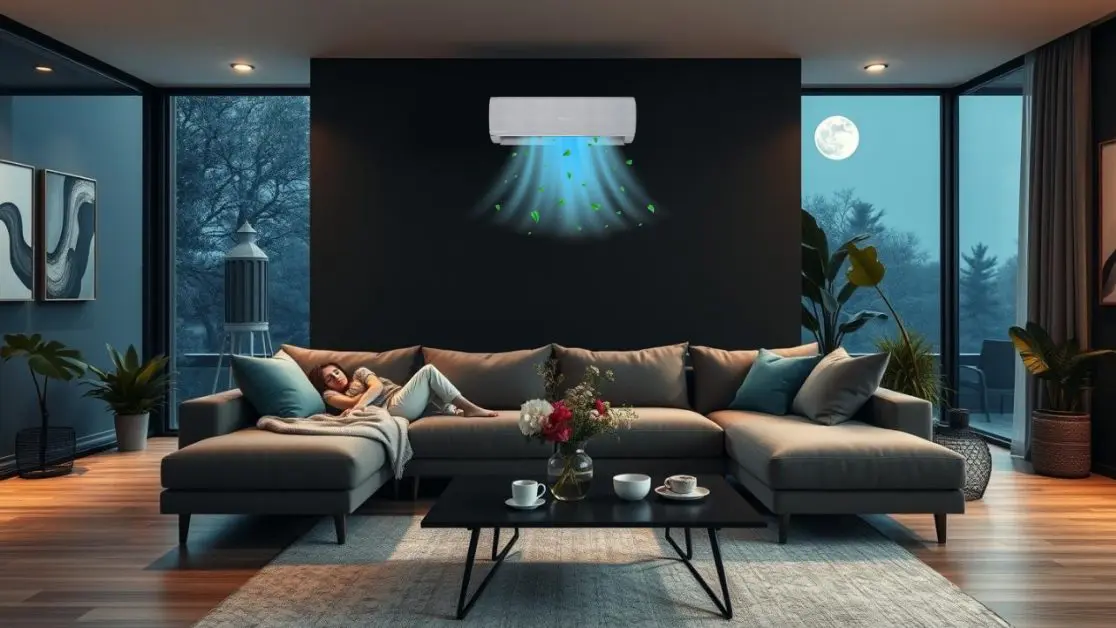
- Gradually increase the temperature while you sleep.
- Stops you from waking up freezing at 3 am.
- Cuts down power usage during hours you don’t notice.
Principle: Smart energy savings are not about doing less, but doing just enough.
4. Turbo or Quick Cool: When impatience wins
- Delivers powerful, fast cooling in minutes.
- Best for afternoons when you return from a commute and the house feels like a pressure cooker.
- Once cooled, you can switch back to Auto or Eco
Trade-off: High comfort, slightly higher initial power draw but smarter modes balance it later.
5. Eco Mode: The long-game strategist
- Runs at an energy-efficient pace without sacrificing basic comfort.
- Useful for working-from-home hours when you just need steady, mild cooling.
- Keeps bills predictable
Aphorism: Eco isn’t about compromise. It’s about recalibrating expectations.
How smart ACs actually “think”
Gravity AI Series ACs go beyond modes; they use sensors and intelligent chips to learn your routine. Open the balcony door and the AC adjusts. Fall asleep in the living room and it tweaks output to match.
This isn’t magic. It’s pattern recognition. Like Spotify knowing when you need lo-fi beats versus Bollywood throwbacks, your AC learns which cooling pattern fits your post-monsoon lifestyle.
Everyday scenarios where smart modes shine
- Morning prep: Use Dry Mode while getting ready. Your clothes stay crisp, not damp.
- Afternoon nap: Auto Mode balances sudden bursts of heat without overcooling.
- Late-night cricket streaming: Sleep Mode ensures comfort till the last over without spiking bills.
- Weekend cleaning: Turbo Mode cools fast when mopping makes you sweat, then switch to Eco to sustain.
- Family get-togethers: Auto keeps everyone comfortable, from the chai-loving uncle to the AC-averse dadi.
The bigger picture: Energy, money, and health

1. Energy efficiency – Smart modes prevent overuse. A 5-Star AC like Gravity Series is already power-savvy; pairing it with Auto and Eco multiplies savings.
2. Health and comfort – Humidity breeds allergies and fatigue. Dry Mode helps maintain indoor air quality. Sleep Mode helps regulate circadian comfort.
3. Sustainability – Every avoided watt matters. Smarter use means less strain on the grid, especially in power-hungry cities.
Wisdom to remember: Technology is sustainable when it reduces decisions and emissions.
How to build your own “post-monsoon playbook”
Smart modes are tools. The trick is knowing when to switch. Think of it as a playbook for Indian weather:
- When air feels heavy: Dry Mode.
- When the sky flips between rain and shine: Auto Mode.
- When you’re binge-watching till midnight: Sleep Mode.
- When guests arrive suddenly: Turbo first, then Auto.
- When you’re alone, working quietly: Eco Mode.
The beauty? Once you establish these rhythms, the AC remembers. You don’t have to.
Why Haier’s Gravity Series fits Indian homes right now

Post-monsoon in India is unpredictable, but your cooling doesn’t have to be. 1.6 Ton 5-Star Gravity AI Series ACs are designed precisely for this: adaptive cooling, efficient energy use, and modes that make sense for real Indian routines.
And understands that value matters, these ACs come with cashback offers, EMI options, and reliability built into after-sales service. It’s not just a purchase. It’s peace of mind during the most chaotic season.
The takeaway
Smart AC modes aren’t gimmicks. They’re systems of thinking applied to everyday life. They acknowledge a truth we all live with: Indian weather is not linear.
When you embrace Auto, Dry, Sleep, Turbo, and Eco as allies, you stop fighting the weather. You start working with it.
Final thought:
Comfort is not about maximum cooling. It’s about right-sized cooling. And in the post-monsoon season, that difference is everything.