


Monsoon doesn’t just drench our streets. It seeps into our homes.
You’ve felt it. The damp smell in cupboards. The cling of humidity on bedsheets. The sudden sneezes that arrive without warning. For many Indian households, this season brings not just chai and pakoras but also watery eyes, itchy throats, and an endless hunt for tissue boxes.
The culprit? Moisture. And the invisible guests it invites mould, mildew, and dust mites.
So here’s the question worth asking: Can the same air conditioner that cools our homes in summer also guard us against damp-induced allergies during monsoon?
Why moisture turns into allergy triggers
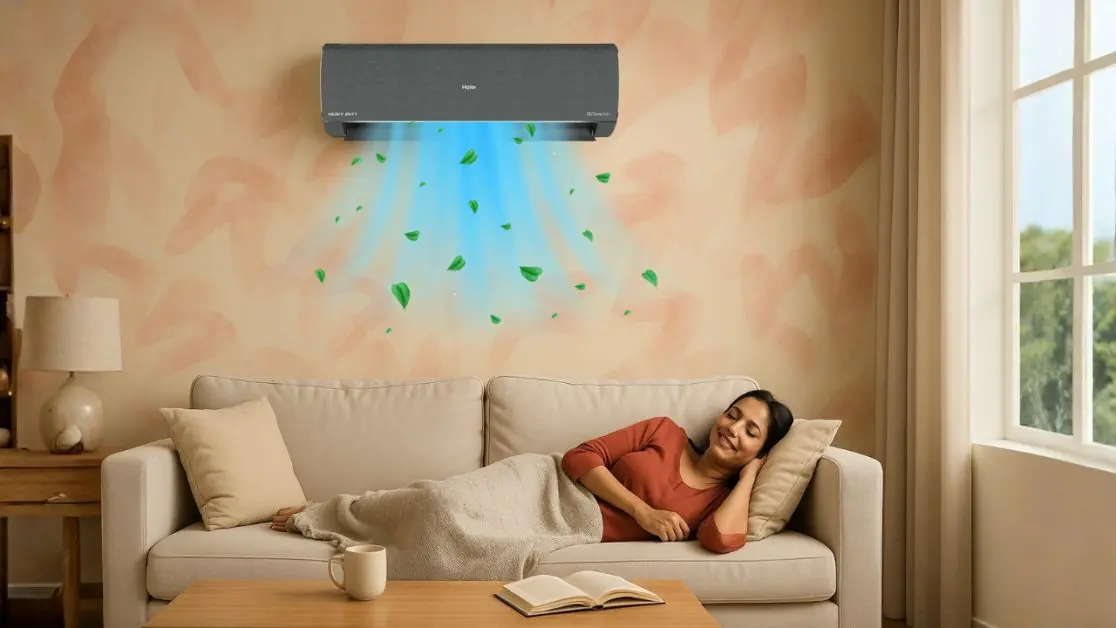
Humidity is more than discomfort. It’s a system in motion.
- When moisture lingers in the air, mould finds fertile ground on walls, curtains, and even inside wardrobes.
- Dust mites, those microscopic freeloaders, thrive in damp conditions. They love the folds of mattresses and the fibres of sofas.
- Dampness also traps odours, making rooms feel stale and heavy.
In short, moisture transforms homes into allergy factories. And allergies are rarely just sneezes; they interrupt sleep, lower productivity, and for kids or the elderly, turn into recurring respiratory troubles.
The hidden role of air conditioning
We often think of ACs as cooling machines. But in reality, they’re also humidity managers. A well-designed air conditioner doesn’t just drop the temperature it actively draws out moisture from the air.
This matters because:
1. Drier air makes it harder for mold to grow.
2. Dust mites shrink in number when humidity is controlled.
3. Breathing feels lighter in a balanced environment.
In Indian homes, where monsoon dampness creeps into every corner, an AC can double up as a health ally.
Not all ACs are equal in this fight

Here’s the tricky part: not every air conditioner is built to tackle moisture effectively. Older models or budget units may cool the room but leave humidity unchecked.
That’s where smarter appliances enter the scene.
Take Gravity AI Series 1.6 Ton 5 Star for instance. It’s not just about tonnage or star ratings. This series comes with AI-driven climate control, designed to sense the room environment and adjust automatically. Translation? Instead of blasting cold air blindly, it regulates both temperature and moisture for comfort that feels natural, not forced.
Everyday signs your AC is helping with allergies
How do you know if your AC is actually doing the job? Look for these real-world cues:
- Your bedsheets don’t feel clammy at night.
- The musty odour that used to linger in corners is gone.
- Kids wake up without their morning sneezing fits.
- The air feels light enough that you forget the windows outside are fogged with rain.
These aren’t just coincidences, they’re outcomes of controlled humidity.
The bigger picture: ACs as lifestyle partners
Think about it. Appliances are no longer just machines parked in our homes. They’ve become lifestyle partners.
- A fridge doesn’t just cool food it preserves freshness during week-long work sprints.
- A washing machine doesn’t just clean clothes it saves hours for parents balancing school runs with Zoom calls.
- And an air conditioner today doesn’t just cool it manages the hidden forces of air quality, energy efficiency, and seasonal health.
When we reframe appliances as systems, not gadgets, the bigger story emerges: they’re shaping the rhythm of Indian households.
So what are your options this season?
If dampness is already making its presence felt, here are three ways to think about AC use:
1. Optimise the AC you have
- Clean filters regularly dust-laden filters are breeding grounds for allergens.
- Use the “dry mode” if your unit has it; it’s designed for monsoon.
- Pair with natural ventilation when outdoor humidity drops (like after heavy rain).
2. Upgrade to a smarter AC
- Modern models like the Gravity Series bring AI-smart climate control, 5-star efficiency, and long-term reliability.
- The cost is balanced by savings on electricity and fewer doctor visits for allergy-ridden households.
3. Think of AC as part of a system
- Combine AC with other moisture-management habits: keeping wardrobes slightly open, using room fresheners sparingly, and sun-drying bedding on clearer days.
- Appliances work best when supported by small human habits.
What this means for Indian households

This isn’t just about avoiding a sneeze or two. It’s about:
- Comfort: Being able to sit for a movie marathon without feeling sticky.
- Health: Kids and elders breathing easier through the night.
- Economics: Investing in an appliance that pays back in energy savings and fewer maintenance headaches.
- Peace of mind: Knowing your home feels lighter and healthier in a season that usually feels heavy.
A quotable truth to remember
An air conditioner isn’t just fighting heat. In monsoon, it’s fighting the invisible weight of dampness.
That’s the overlooked wisdom. And once you see it, you start treating your AC less like a seasonal switch and more like a year-round partner.
Final thought
Indian life is seasonal. From the scorch of May to the damp of October to the mild chill of January, every household chore, mood, and ritual is shaped by weather.
The smarter choice isn’t to buy appliances for single purposes. It’s to choose ones that flex with the season cooling in summer, dehumidifying in monsoon, and saving power across the year.
That’s why ACs like Haier’s Gravity Series feel less like purchases and more like quiet companions. They sit on the wall, but their real work is invisible, shaping the air we breathe, the health we carry, and the ease with which we move through our days.