


Yes. In more ways than one.
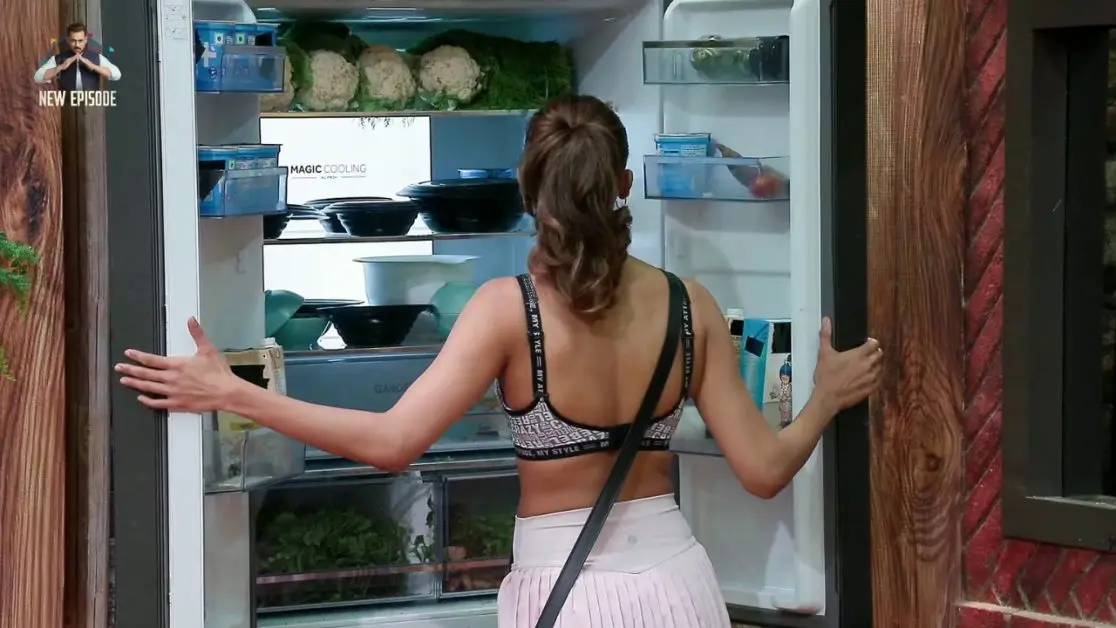
On the surface, Bigg Boss is about alliances, nominations, and late-night confrontations. But look closer at the house this season, and you’ll notice another quiet player, the smart fridge.
The Lumiere refrigerator doesn’t just store food, it’s shaping how housemates plan meals, fuel emotions, and maybe even recalibrate their strategies.
Why a fridge matters in a pressure-cooker game

Inside Bigg Boss, food is currency. Who cooks, who eats, who shares the kitchen is where friendships are built and rivalries spark. A fridge, then, isn’t just an appliance. It’s the vault of trust.
When contestants know the milk for their morning chai or the cut fruits for a quick snack will stay fresh, tempers cool faster. When storage is chaotic, fights erupt. In a game where perception is everything, even offering someone a chilled bowl of fruit can become a strategic move.
This season, as Nehal Chudasama’s surprise shift to the secret room went viral, fans joked that the fridge knew more secrets than some contestants. Not entirely untrue. Technology inside it quietly influences the rhythm of the house.
What makes a fridge “smart” in Bigg Boss?
The Haier Lumiere 520L isn’t a background prop, it’s built for drama of another kind. Here’s what’s working behind the scenes:
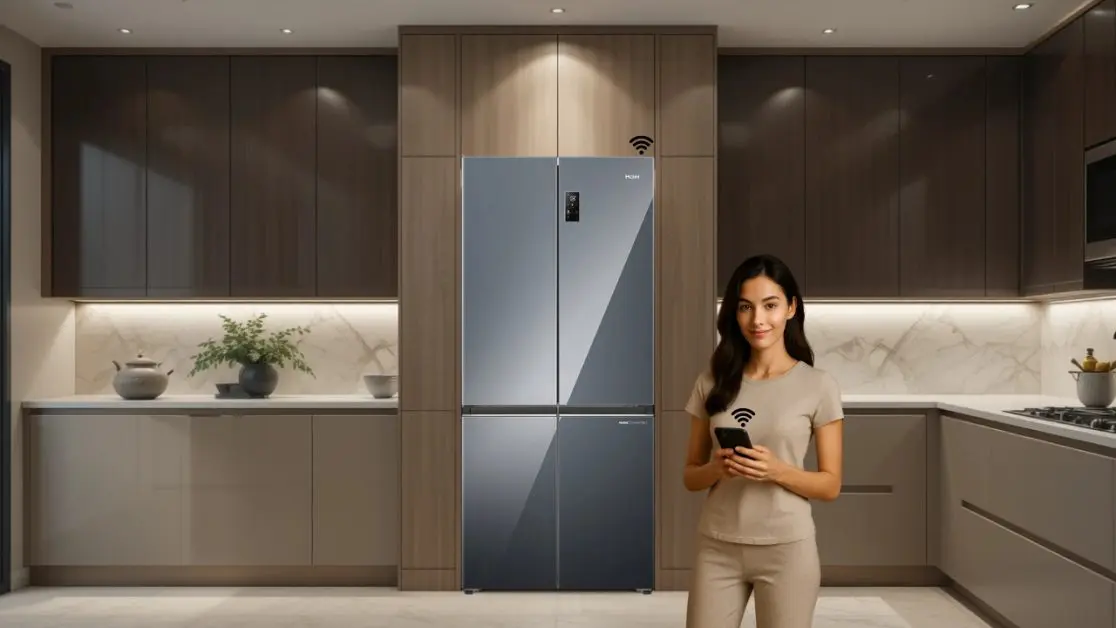
- Smart Connectivity: Contestants can track what’s inside, avoid over-ordering, and prevent food waste. Imagine knowing who finished the yogurt at midnight.
- Smart Food Management: From inputting grocery lists to optimising storage, it becomes easier to plan meals for ten hungry people with clashing diets.
- My Zone flexibility: One compartment shifts from fridge to freezer. Perfect for when ice cream suddenly becomes the house’s peace offering.
- Smart Sense AI: By adjusting temperatures to usage patterns, it saves energy while keeping food crisp important when contestants open the door fifty times a day.
In a home where every move is magnified, these invisible systems reduce friction. Less energy spent on “Who spoiled the paneer?” means more focus on strategy.
Small actions, big implications
Think of three types of housemates:
1. The Caretakers – They manage the kitchen, earn goodwill, and use the fridge’s organisation to keep chaos out.
2. The Opportunists – They watch, notice who takes what, and use that data socially, “You didn’t share the mangoes yesterday.”
3. The Rebels – They ignore systems, sneak food late at night, and risk both calories and clashes.
A smart fridge quietly supports the first group, arms the second with insights, and exposes the third. In this way, technology becomes a subtle referee.
Beyond Bigg Boss what it teaches Indian households
Here’s the twist. What happens inside the house mirrors what’s happening outside it. Indian families today face the same questions:
- How do we reduce food waste when vegetables spoil faster in humid weather?
- How do working couples coordinate grocery runs without endless WhatsApp messages?
- How do parents keep energy bills down while ensuring the fridge can handle festival loads?
Smart fridges offer practical answers. The Lumiere’s Sunlit Interior LED ensures visibility, even when the fridge is packed after Ganesh Chaturthi shopping.
ABT PRO technology neutralises odours when different cuisines share shelves. And the convertible section lets you switch freezer to fridge when guests arrive unannounced.
Why it resonates with millennials and Gen Z
For younger audiences, a fridge is not just storage, it’s part of lifestyle design. It reflects values, sustainability, efficiency, even aesthetics.
A mirror-glass finish matches minimalist interiors. An AI-driven cooling system aligns with eco-conscious living. And smart app connectivity appeals to digital natives who prefer scanning what’s left at home before ordering groceries online.
In Bigg Boss, the same design language becomes a social signal. Housemates are aware they’re being watched not just by cameras, but by each other every choice magnified, every shared orange discussed.
Culture, strategy, and the unseen players
Reality TV thrives on conflict. But what viewers often miss are the silent systems that set the stage for those conflicts. A smart fridge doesn’t scream for attention, yet it influences pacing, food politics, and even comfort levels in ways that ripple across the game.
The same holds true in our homes. Appliances shape behaviours more than we admit. They decide whether dinner is a stress point or a shared moment. They decide whether Sunday prep feels like drudgery or discovery.
The real insight? Technology is never neutral. Even in the background, it nudges us toward certain patterns.
The takeaway
Bigg Boss may crown one winner, but in every episode, we see how the environment and tools shape decisions. The secret room may hold surprises, but the fridge in the kitchen is shaping alliances in its own quiet way.
For Indian households, the lesson is simple, the smarter your systems, the freer you are to focus on what matters, family time, personal goals, even game-night banter. A fridge that manages itself isn’t just convenient. It’s strategic.
Because in life, as in Bigg Boss, the ones who stay longest are those who conserve energy, reduce waste, and adapt fast. And sometimes, that begins not with a grand strategy but with what sits in your fridge.