
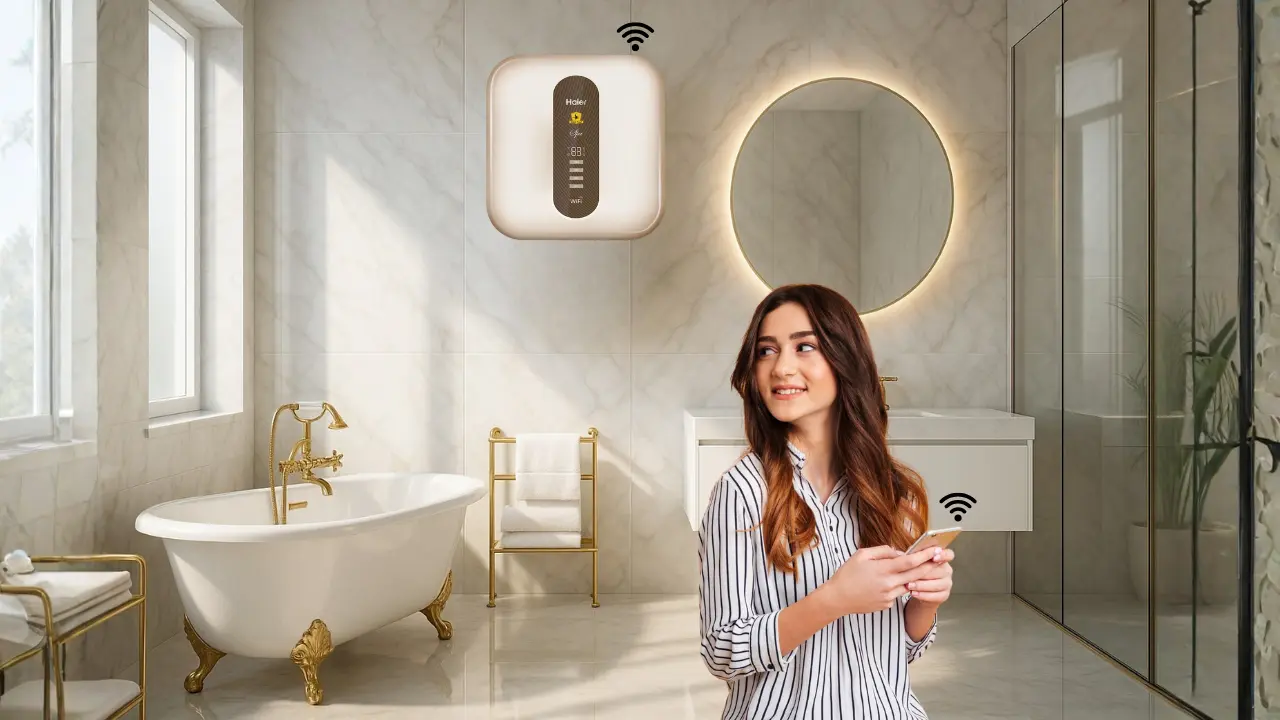

Smart heating technology built for Indian winters means water heaters that heat faster, stay safe under fluctuating pressure and electricity, reduce energy use, and deliver hot water exactly when households need it.
Modern smart water heaters combine insulation, safety systems, intelligent heating elements, and connectivity to adapt to real Indian routines.
Winter in India rarely announces itself dramatically.
It creeps in.
One morning the floor feels colder.
The water tap suddenly feels harsher.
The shower takes longer to become comfortable.
And that is when a small household truth reveals itself.
Hot water is not a luxury. It is a daily system.
A system that touches bathing routines, children leaving for school, late night dishwashing, post gym showers, and early morning chai preparation.
When this system works, winter feels pleasant.
When it does not, the entire morning feels slower.
Why Indian Winters Put Unique Pressure on Water Heating Systems
Indian winters are not uniform.
Shimla freezes.
Delhi shivers.
Mumbai barely cools.
Bengaluru fluctuates between warm afternoons and cold mornings.
But one pattern stays consistent.
Hot water demand spikes sharply for a few months every year.
According to energy consumption estimates from the Bureau of Energy Efficiency and appliance industry studies:
- Water heating can account for 18 percent to 25 percent of household electricity use in winter months.
- Urban apartments now rely almost entirely on electric storage water heaters instead of traditional geysers or gas systems.
- Multi storey buildings increase water pressure demands, requiring appliances designed for high rise plumbing.
These shifts quietly change what households expect from heating systems.
They no longer want basic heating.
They want smart heating systems that adapt to modern homes.
The Morning Problem Every Household Recognises
Imagine a common winter morning.
6:45 AM.
The house is waking up.
A child needs a quick bath before school.
A parent has an early office call.
Someone else needs hot water for tea and cleaning.
One heater.
Multiple expectations.
Traditional water heaters struggle here.
They heat slowly.
They lose heat quickly.
They require manual switching.
And safety becomes a concern when electrical leakage or pressure fluctuations appear.
This is where smart heating technology begins to matter.
Not because it is fancy.
Because it removes friction from daily life.
Smart Heating Is Really a System of Small Innovations
People often imagine innovation as one dramatic feature.
But real innovation behaves differently.
It is a collection of quiet improvements working together.
Modern smart water heaters combine several systems that transform everyday performance.
Key Smart Heating Systems in Modern Water Heaters
| Technology | What It Solves | Everyday Benefit |
| High speed heating elements | Slow heating | Hot water ready faster |
| Advanced insulation | Heat loss | Less electricity usage |
| Pressure safety systems | High rise plumbing | Safe performance in apartments |
| Dual thermostats | Overheating risks | Reliable temperature control |
| Anti bacterial heating modes | Water hygiene | Safer water storage |
| Smart timers and WiFi | Manual switching | Convenience and energy savings |
Each feature solves a small friction.
Together, they create a completely different experience.
Faster Heating Changes the Entire Routine
Let us start with the most obvious improvement.
Speed.
A modern smart water heater often includes a high power heating element. For example, models like the Haier 15L Square 5 Star Water Heater ES15V SD WIFI use powerful heating elements that deliver rapid heating performance for everyday bathing comfort.
Why does this matter?
Because time is the most valuable commodity in a modern home.
If hot water arrives faster:
- Morning schedules stay on track
- Electricity runs for shorter durations
- Families avoid waiting between showers
Speed in appliances translates into calm in households.
It is a small engineering improvement with a large emotional impact.
Insulation Is the Quiet Hero of Energy Efficiency
Many people believe heating consumes electricity.
Technically, that is only half true.
The real energy waste happens when hot water cools down too quickly.
That forces the heater to reheat water repeatedly.
Modern heaters solve this using advanced insulation materials like PUF or EPS insulation, which retain heat inside the tank and reduce reheating cycles.
Think of insulation like a thermos flask.
Hot tea stays warm for hours.
The same principle applies inside water heaters.
The Real Impact of Better Insulation
- Less reheating cycles
- Lower electricity consumption
- Longer heat retention
- Greater bathing convenience
Efficiency is not about using less heat.
It is about losing less heat.
Safety Is the First Feature Every Household Actually Needs
Water heaters combine electricity, water, and pressure.
Three powerful forces in one device.
That is why safety systems matter far more than people realise.
Modern smart heating systems integrate multiple layers of protection.
Critical Safety Technologies
- Shock protection systems
Some heaters convert voltage leakage into safe levels, preventing electrical shocks. - Dual thermostat systems
Two independent thermal sensors stop heating if temperatures exceed safe levels. - Pressure control valves
These protect plumbing systems from pressure build up. - Water resistant electrical systems
Ratings like IPX4 protect the heater against splashing water.
These features rarely appear in advertising.
But they define real reliability.
The best appliance is the one you never worry about.
Hygiene Is Becoming a New Expectation
Water storage systems face one hidden challenge.
Stagnant water can allow bacteria to grow.
That is why many smart heaters include anti-bacterial heating modes.
For instance, a bacteria proof heating system can raise water temperature to around 80°C, helping inhibit bacterial growth in stored water.
This matters especially in winter when heaters store warm water for longer periods.
The result?
Cleaner water.
Safer bathing conditions.
Less invisible risk.
Smart Connectivity Brings Control Back to the User
One of the most underrated changes in modern appliances is connectivity.
WiFi connected water heaters allow users to:
- Turn the heater on before reaching home
- Schedule heating times
- Monitor energy usage
- Adjust temperature remotely
The benefit is simple.
Hot water arrives exactly when needed.
Not before.
Not too late.
Smart appliances do not just automate tasks.
They align technology with human routines.
Designed for the Reality of Indian Homes
Indian homes present unique engineering challenges.
High rise apartments create strong water pressure.
Electric supply fluctuates.
Bathrooms remain humid environments.
Modern heaters adapt to these conditions.
For example:
- Systems designed for 8 bar pressure ensure stable performance even in tall residential buildings.
- Corrosion resistant tanks increase lifespan in mineral heavy water environments.
- Stainless steel heating elements improve durability.
These design decisions reflect something deeper.
Good appliances do not just work.
They understand where they live.
Choosing the Right Heating System for Your Home
Not every household needs the same solution.
Understanding your needs helps make smarter decisions.
One option is small capacity heaters
Best for:
- Single professionals
- Studio apartments
- Guest bathrooms
Benefits:
- Faster heating
- Lower electricity consumption
- Compact installation
The second option is mid size family heaters
Best for:
- Nuclear families
- Regular bathing routines
- Moderate hot water demand
Benefits:
- Balanced capacity
- Efficient heating cycles
- Stable daily performance
The third option is smart WiFi enabled heaters
Best for:
- Busy professionals
- Smart homes
- Energy conscious households
Benefits:
- Remote control
- Smart timers
- Improved efficiency
Each option solves a different lifestyle pattern.
The right appliance is the one that matches your routine.
The Hidden System Behind Comfortable Winters
Step back for a moment.
Look at the pattern.
Modern homes are becoming systems.
Smart ACs manage climate.
Smart refrigerators manage food storage.
Smart TVs manage entertainment.
And smart water heaters manage something even more personal.
Comfort.
A comfortable shower on a cold morning.
Warm water waiting after a long day.
That quiet moment when winter stops feeling harsh.
The Bigger Insight About Smart Appliances
Technology rarely changes life in dramatic ways.
It changes life in small, repeated moments.
A heater that warms faster.
A tank that retains heat longer.
A system that switches itself off safely.
Individually these feel minor.
Together they create a smoother daily rhythm.
And that is the real promise of smart heating technology.
Not smarter machines.
Smarter mornings.
Because when everyday systems work quietly in the background, homes feel calmer, routines feel easier, and winters feel a little warmer.
Frequently Asked Questions
How do I know if a smart water heater is actually worth it for my home?
If your household frequently waits for hot water, manually switches the heater on and off, or faces rising winter electricity bills, a smart water heater can significantly improve convenience and efficiency. Features like faster heating elements, better insulation, and timers reduce waiting time and energy waste.
I live in a small apartment. Do I really need a large capacity water heater?
Not necessarily. For a single person or a couple, a 10–15L heater usually works well. Larger tanks are better suited for families where multiple people need hot water back-to-back.
My family has three people and busy mornings. What heater capacity should I consider?
A 15–25L storage heater generally works best for small families. It balances heating speed and storage capacity so multiple people can bathe without waiting too long between showers.
Should I prioritize energy rating or heating speed when choosing a water heater?
Ideally both.
High-speed heating elements reduce waiting time, while better insulation and higher energy ratings reduce electricity consumption over time.
I left my hot water sitting in the heater for a few days. Is it still safe to use?
Usually yes, but prolonged warm water storage can allow bacterial growth. Many modern heaters include anti-bacterial heating modes that periodically raise water temperature to kill bacteria.
Do water heaters actually need hygiene features?
Yes, especially in storage heaters where water stays warm for extended periods. Anti-bacterial heating cycles help maintain cleaner stored water.
Why does my water heater take so long to heat water in winter?
Cold incoming water requires more energy to heat. Older heaters also lose heat quickly due to weak insulation, causing slower performance.
Does faster heating increase my electricity bill?
Not necessarily. High-power heating elements heat water quickly and switch off sooner, which can reduce total electricity usage compared to slow heaters that run longer.