
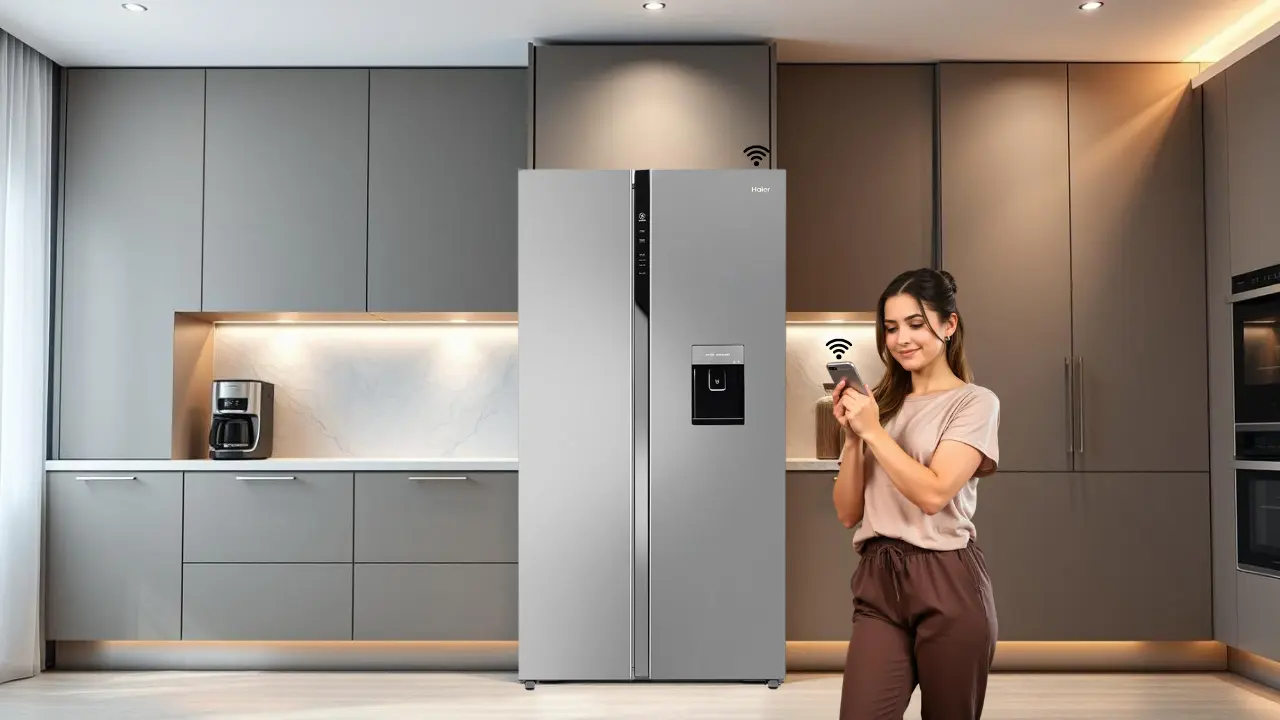

Top-tier smart French door refrigerators bring together wireless internet access, clever temperature control, adaptable compartment options, and low power usage. These appliances go beyond simple chilling.
They assist with tracking provisions, ensuring items stay fresh for extended periods, and fitting into the pace of contemporary Indian households.
Smart fridges are gradually turning into the kitchen’s central hub.
Once you observe this change, the reasoning behind it becomes quite clear.
A kitchen scene every Indian home recognizes.
It’s the close of the day on Sunday.
The fridge door swings open and shuts again every short while.
One person is seeking out uneaten biryani.
Another is confirming the ice maker has enough ice.
Someone is searching for chilled water.
The cooling unit operates quietly behind the scenes. Constantly active. Always relied upon to function.
Now picture if that appliance possessed a rudimentary awareness.
Not in a mechanical sense. More like a cooperative aid.
It modulates the cold setting by itself.
It notifies you via wireless network if the temperature changes unexpectedly.
It assists in keeping tabs on what food is inside.
This is the evolution occurring in contemporary cooking spaces.
A fridge is transcending simple holding.
It is evolving into an intelligent mechanism for handling provisions.
Why Smart Side-by-Side Refrigerators Are Becoming Popular in India
Indian households are changing.
Apartments are smaller but lifestyles are bigger.
Families shop in bulk.
Working professionals cook less frequently but store more.
Side-by-side refrigerators solve a structural problem.
They organize space.
Instead of stacking food vertically like traditional fridges, they divide storage into two tall compartments.
One side cools.
One side freezes.
The result is easier access, better visibility, and more organized food storage.
Add Wi-Fi and smart technology to that system, and the refrigerator becomes something more powerful.
A smart food management platform.
The Hidden System Behind Smart Refrigeration
A refrigerator performs three invisible jobs every day.
1. Temperature Stability
Food staying fresh relies on consistent temperatures.
Intelligent refrigerators sustain exact cooling thanks to inverter mechanisms. These setups modify compressor pace according to what’s inside.
What this translates to is:
Minimal shifts in temperature
Reduced power usage
Extended period food remains good
For instance, contemporary smart fridges like the Haier 596L Regal Steel Smart Convertible Side-by-Side Refrigerator (HRS-682WRSU1) employ Expert Inverter tech for unwavering cooling and efficiency gains.
The cooling process gets adaptive instead of rigid.
And that distinction is significant.
2. Food Freshness Management
Food spoilage often happens for simple reasons.
Odors mix.
Humidity fluctuates.
Bacteria multiply.
Smart refrigerators solve this through integrated technologies.
One example is Deo Fresh technology, which maintains hygienic air circulation inside the fridge and helps keep food fresh longer.
The principle is simple.
Clean air preserves food.
3. Intelligent Storage Flexibility
Traditional refrigerators lock you into fixed compartments.
Smart refrigerators introduce flexibility.
For instance, convertible storage modes allow the freezer to convert into fridge space depending on need.
This matters during:
- Festival cooking
- Large grocery runs
- Family gatherings
A freezer that converts to fridge space can instantly expand storage.
It is a small feature with big lifestyle implications.
Key Smart Features That Actually Matter
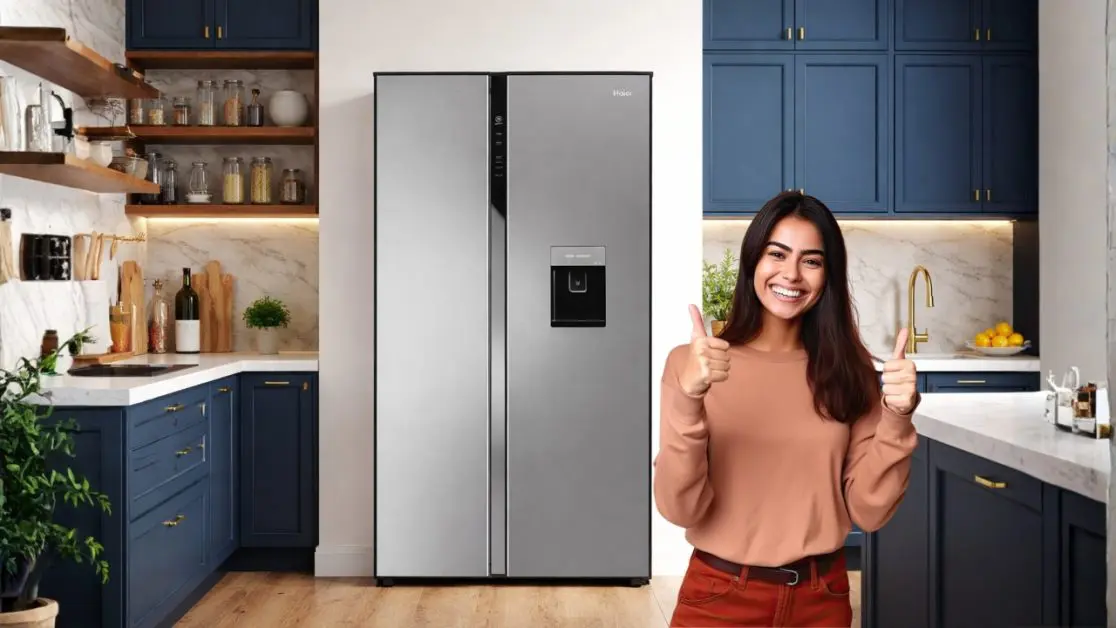
Many appliances claim to be smart.
Few truly improve daily life.
Here are the features that genuinely change the experience.
| Smart Feature | Why It Matters |
| Wi-Fi connectivity | Control and monitor refrigerator settings remotely |
| Convertible freezer modes | Expand refrigerator space when needed |
| Smart food management | Track storage and optimize cooling |
| Inverter compressor | Saves energy and stabilizes temperature |
| Jumbo ice maker | Produces large quantities of ice quickly |
| Anti-bacterial technology | Keeps food hygienic and odor-free |
These are not gimmicks.
They solve real household problems.
Three Ways People Actually Use Smart Refrigerators
Different households value different capabilities.
Smart refrigerators succeed because they support multiple lifestyles.
Option One: The Organized Household
Families that cook daily rely on predictable storage.
They need:
- Separate compartments
- Consistent cooling
- Easy visibility
Side-by-side layouts excel here.
You open the door and everything is visible immediately.
No digging through stacked containers.
Option Two: The Busy Urban Lifestyle
Young professionals often batch cook or order groceries weekly.
Food stays stored longer.
Smart cooling systems maintain freshness during those longer storage periods.
This is where technologies like humidity control and deodorizing systems become important.
Fresh vegetables last longer.
Leftovers stay usable.
Waste reduces.
Option Three: The Social Home
Indian kitchens often become social hubs.
Guests arrive.
Cold drinks disappear quickly.
Ice becomes essential.
A jumbo ice maker can produce up to dozens of ice cubes in one cycle, which helps during gatherings or summer evenings.
Convenience becomes a real luxury.
The Rise of Wi-Fi Connected Refrigerators
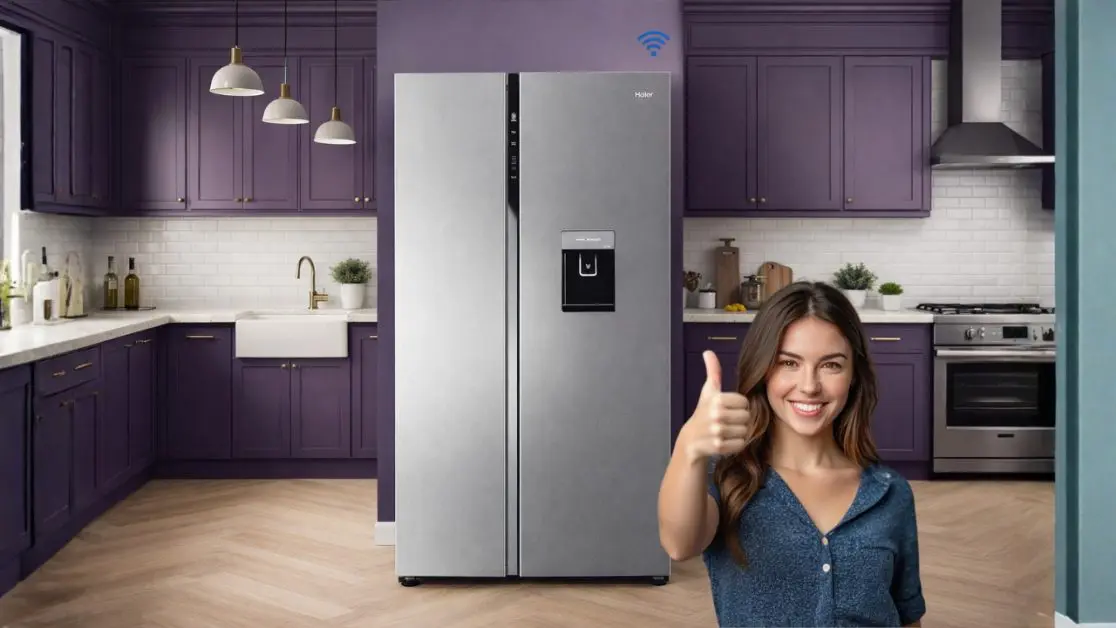
Wi-Fi connectivity might sound unnecessary at first.
Until you notice what it enables.
Smart refrigerators can now:
- Monitor internal temperatures
- Alert users about door openings
- Adjust cooling modes remotely
- Track stored food inventory
Some systems even include Smart Sense AI food management, which helps monitor storage and cooling conditions intelligently.
The refrigerator becomes part of the smart home ecosystem.
Quietly. Efficiently.
Design Matters More Than People Think
Most people choose refrigerators based on capacity.
But design affects daily usability.
Modern side-by-side refrigerators now include features such as:
- Motion-sensor digital panels
- Hidden LED lighting
- Wide shelves for bulk storage
- Separate freshness zones
For example, some models feature a colorful digital control panel with motion sensing, allowing quick temperature adjustments without opening the door.
Small design details compound into better experiences.
Every day.
A Quick Look at a Smart Side-by-Side Example
Here is a simplified view of one modern smart refrigerator configuration.
| Feature | Description |
| Capacity | 596 litres total storage |
| Smart Connectivity | Remote monitoring and control |
| Convertible storage | Freezer converts into refrigerator |
| Freshness technology | Deo Fresh air circulation |
| Ice production | Jumbo ice maker system |
| Water dispenser | Built-in 2.5L BPA-free dispenser |
These systems aim to simplify everyday kitchen decisions.
Not complicate them.
What Should You Look for When Choosing a Smart Refrigerator?
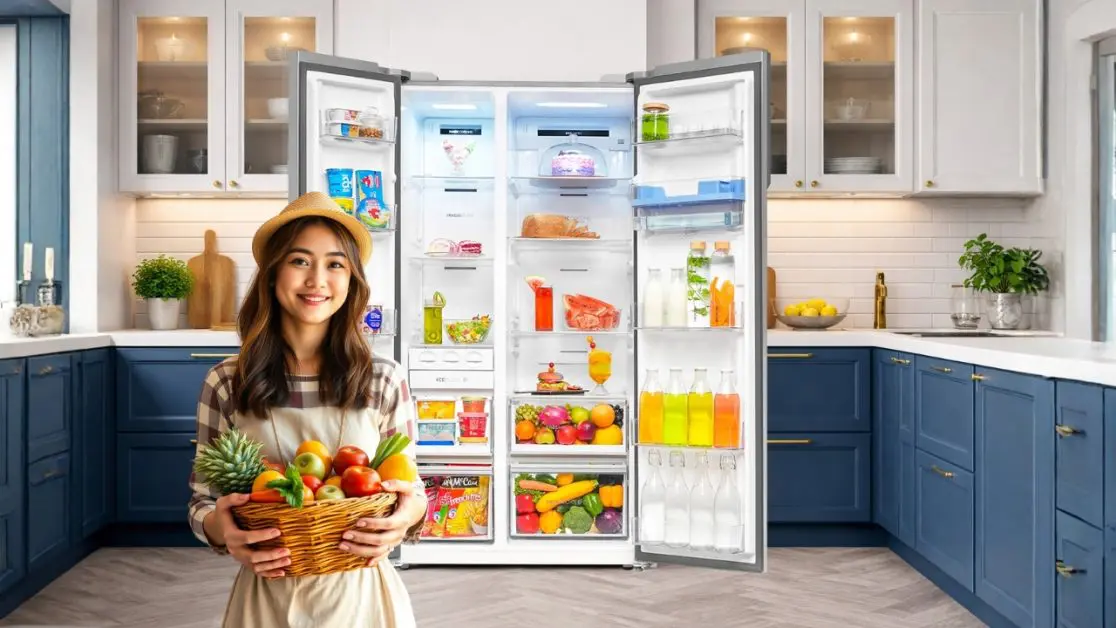
Not every smart refrigerator delivers equal value.
Focus on fundamentals first.
1. Storage Capacity
Indian families often need 500L or more.
Large grocery trips demand space.
2. Flexible Compartments
Convertible zones make the refrigerator adaptable.
Festivals and gatherings often require temporary storage expansion.
3. Energy Efficiency
Refrigerators run 24 hours a day.
Inverter compressors reduce electricity consumption.
4. Hygiene Technology
Odor control and antibacterial systems keep food fresh.
The Real Reason Smart Refrigerators Are Growing Fast
Technology adoption rarely happens because of technology.
It happens because of convenience.
Smart refrigerators solve dozens of small problems:
- Less food spoilage
- Faster ice production
- Easier food organization
- Better temperature control
Individually, each improvement feels minor.
Together, they change how a kitchen works.
A Final Thought: The Refrigerator Is Becoming the Quiet Brain of the Kitchen
For decades, the refrigerator did one job.
Keep things cold.
Now it performs many tasks.
It manages food freshness.
It optimizes energy use.
It adapts storage space.
It communicates through Wi-Fi.
The appliance evolves from a storage box to a smart system.
And that shift reflects something deeper.
Homes are becoming intelligent ecosystems.
Smart air conditioners learn comfort patterns.
Smart washing machines optimize fabric care.
Smart refrigerators manage food.
Different appliances. Same idea.
Technology disappears into daily life.
And when that happens, life simply feels easier.
Not louder.
Just quietly better.
Frequently Asked Questions
How do I know if I really need a smart refrigerator or just a regular one?
If your routine involves bulk shopping, storing leftovers, or managing a busy household, smart features like temperature automation and food tracking can genuinely reduce effort. Otherwise, a standard fridge is usually enough.
Is Wi-Fi in a refrigerator actually useful or just a gimmick?
Wi-Fi is useful if you want alerts (like door left open or temperature changes) or remote control via your phone. If you don’t see yourself using those features, it may feel unnecessary.
What capacity should I choose for my family in India?
For most Indian households, a refrigerator in the 500L–600L range works well especially if you shop weekly and store a mix of fresh and cooked food.
Are smart refrigerators worth the higher price?
They’re worth it if you value convenience, better food management, and reduced waste over time, not just basic cooling.
What can I do with Wi-Fi in a refrigerator?
You can monitor temperature, receive alerts, adjust settings remotely, and in some models, even track food inventory.
What is convertible freezer technology?
It allows you to convert freezer space into fridge space when needed during festivals or when storing large quantities of fresh food.
Is a jumbo ice maker really useful?
Yes, especially during Indian summers or when hosting guests, as ice demand can increase significantly.
Do smart panels and motion sensors matter?
They enhance usability allowing quick adjustments without opening the door, which can help save energy and improve convenience.