
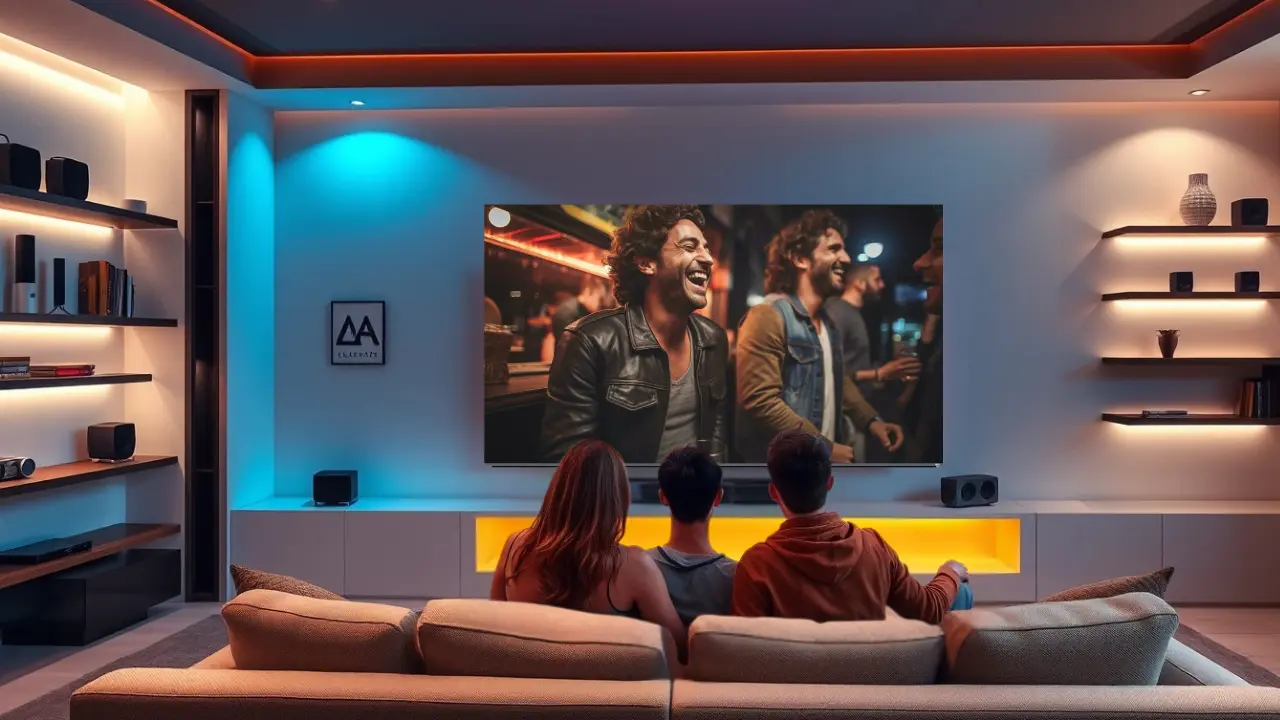

Smart TVs are bringing Indian families back together after the monsoon season by turning living rooms into shared entertainment hubs from cricket screenings and festive movie nights to video calls with relatives.
With vibrant visuals, cinematic audio, and hands-free convenience, they’re shaping how modern households spend time together.
The Post-Monsoon Shift in Indian Homes
Every season has its rhythm.
Summer keeps us outdoors, winter pulls us into warm corners, and the monsoon makes everything about survival drying clothes, dodging puddles, keeping power backups ready.
But when the rains finally ease, something interesting happens inside Indian homes.
Families begin to regroup. Living rooms become the default hangout spot again. And increasingly, it’s the Smart TV that sets the stage for this return to togetherness.
Why? Because after weeks of damp weather and endless chores, households want a single device that can deliver relaxation, entertainment, and connection.
What Smart TVs Change About Family Time
The old television was passive. A channel played, and families gathered around it. But today’s Smart TVs are active participants in household life.
Three big shifts stand out:
1. Choice on demand
Google TV platforms let families instantly switch between cricket highlights, Disney movies for kids, and a quick devotional playlist before dinner.
2. Shared experiences, not just background noise
Dolby Vision and HDR make visuals sharper; Sound by KEF Audio with Dolby Atmos makes sound three-dimensional. Together, they turn a random Wednesday night into an event.
3. Connection beyond walls
Built-in Chromecast and apps make it simple to stream photos, join video calls, or even run fitness sessions in the living room.
The result? The TV is no longer a screen. It’s the family’s central storyteller.
Why This Matters More in 2025
Post-monsoon India in 2025 looks different from even five years ago.
- Dual-income households are higher than ever, meaning evenings are compressed windows where connection has to be intentional.
- Festive seasons (Ganesh Chaturthi to Diwali) arrive almost immediately after rains, making the living room a social hotspot.
- Gen Z and millennials prefer streaming to cable, but they still want group watch moments whether it’s India’s Asia Cup replays or Bigg Boss highlights.
A Smart TV bridges these new realities. It respects individual taste but scales it into family-wide joy.
Scenes From Real Homes
Think about it.
- A father and son watching India vs Australia on a 189cm(75) Mini LED with 264 dimming zones that reveal every bead of sweat on the pitch.
- A group of cousins re-watching a Shah Rukh Khan blockbuster during Diwali break, laughing louder because Sound by KEF’s 2.1 channel speakers make dialogues feel like a theatre.
- Grandparents enjoying devotional streams hands-free, simply by saying, “Ok Google, play bhajans.”
These aren’t marketing scenarios. They’re the lived rituals of modern Indian families.
The Tech That Makes It Possible
Smart TVs have quietly crossed a threshold. What was once a “luxury” now feels like a baseline. And features that sound technical on paper directly translate into better family time.
Here’s how:
- Mini LED displays: Thousands of tiny LEDs mean deeper blacks and brighter highlights. Perfect for both cricket stadium lights and night-time drama scenes.
- Dolby Vision IQ & HDR10+: Auto-adjusting visuals depending on room lighting. So a film looks consistent whether curtains are open post-rain or drawn at night.
- Sound by KEF Audio with Dolby Atmos: Clear dialogue, punchy bass, and surround effects. No need for an extra soundbar.
- Google TV OS: Curated recommendations and profiles so kids don’t mix up their cartoons with parents’ thrillers.
- Solar remote: A small but telling detail one less battery pack to worry about, especially when shops are shut on rainy evenings.
Technology only matters when it vanishes into everyday life. These features do exactly that.
What Families Actually Use Smart TVs For
After analysing how households spend evenings post-monsoon, four patterns emerge:
1. Cinema nights at home
With ticket prices high, a 65-inch Haier Mini LED at ₹89,990 feels like an investment that pays off every weekend.
2. Cricket and sports marathons
Smooth motion at gaming 120Hz ensures no blur when the bowler runs in. Kids cheer, grandparents clap, and no one misses a frame.
3. Festive music & bhajan sessions
Bluetooth 5.1 and app casting make it easy to play curated playlists that fill the room.
4. Fitness and wellness
From yoga tutorials to Zumba classes, the TV becomes the studio wall after months of monsoon-driven indoor routines.
A Quick Comparison Table
| Feature | Old LED TV | Modern Smart Mini LED |
| Picture | Flat, uneven brightness | Mini LED with 144–360 dimming zones |
| Sound | Tinny, external speakers needed | Sound by KEF Audio, Dolby Atmos, 50W woofer |
| Control | Remote only | Hands-free AI voice + Solar Remote |
| Content | Cable/DTH only | Google TV apps, Chromecast, OTTs |
| Impact on Family Time | Passive watching | Active bonding experiences |
Costs vs Benefits for Families
Costs:
- Slightly higher upfront investment (₹67,990–₹2,20,000 depending on size).
- Requires stable Wi-Fi to unlock all features.
Benefits:
- Cinema-like experience without monthly theatre trips.
- Shared memories built around sports, movies, festivals.
- Future-ready with AI voice, OTT support, and sustainable remotes.
When you spread these benefits across 3–5 years of family use, the per-day cost looks less than a cup of chai.
Why Haier Fits Into This Story
Haier’s Mini LED range from 140cm (55) entry points to 215cm (85) showpieces is designed with Indian homes in mind.
- Compact apartments can opt for the 140cm (55) model, still getting Dolby Vision and Sound by KEF Audio.
- Larger family homes find the 215cm (85) with 360 dimming zones an indulgence that genuinely feels worth it.
But the real differentiator? Haier doesn’t just sell TVs. It sells more time together.
The Bigger Picture
Here’s the truth: technology isn’t neutral. It either isolates or unites.
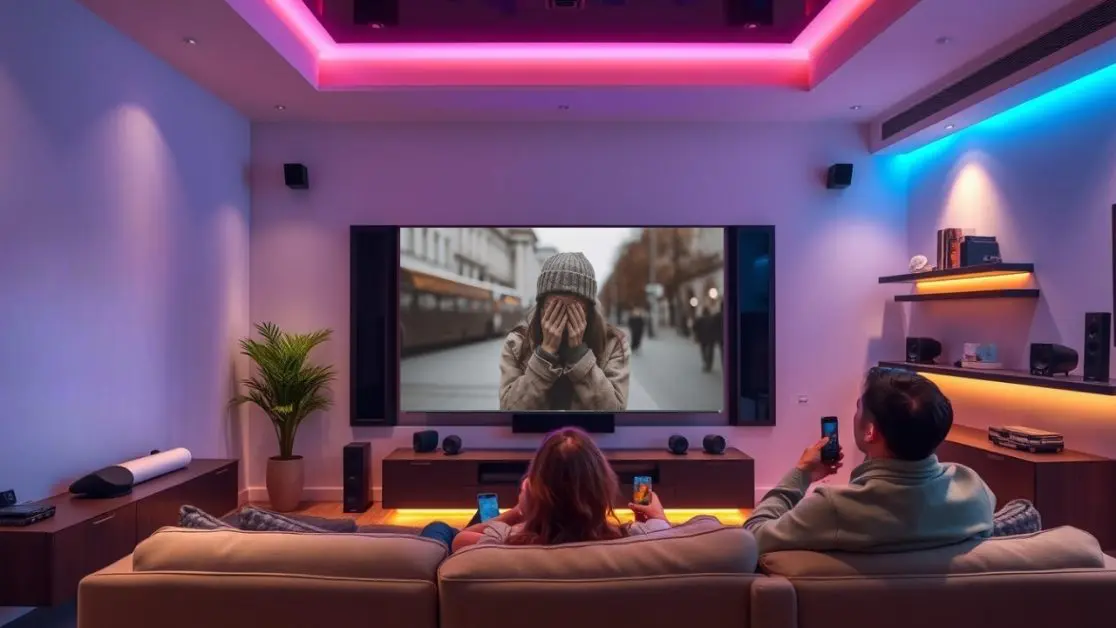
Phones often isolate each person scrolling their own feed. But Smart TVs, especially after monsoon when families crave shared time, unite.
They create rituals. They spark laughter. They anchor evenings.
And as Indian households juggle speed, stress, and ambition, that might be the single most underrated luxury.
Final Thought
The end of the monsoon isn’t just about dry clothes and clearer skies. It’s about reclaiming family time.
And in 2025, the Smart TV has become the quiet but powerful tool making that possible.
Because when screens stop pulling us apart and start pulling us together that’s when technology truly earns its place in the home.