
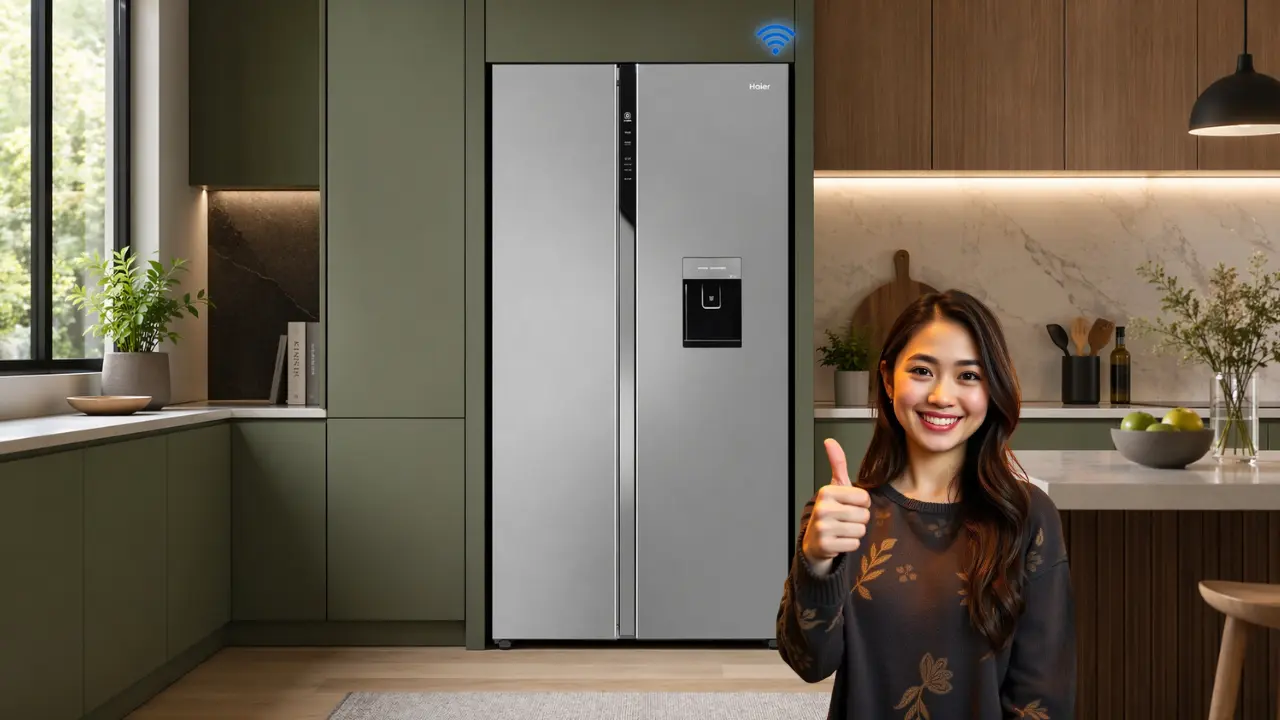

A smart water dispenser gives you clean, temperature-controlled drinking water instantly, without the friction of boiling, cooling, or storing.
In Indian homes, where water habits are daily rituals, it turns hydration into something seamless, safer, and quietly efficient.
Why does something as simple as drinking water still feel like work?
Walk into a typical Indian kitchen at 8 PM.
Dinner is almost ready. Someone opens the fridge. Someone else asks, “Cold water hai?”
A steel bottle comes out. It’s either too cold. Or not cold enough.
Meanwhile, a kettle sits unused. The RO purifier has just filled a tank. Someone forgets to refill bottles.
This is the hidden system.
Water is essential.
But access to the right water at the right temperature is still manual.
And manual systems break under daily life.
That’s where a smart water dispenser changes the equation.
What exactly is a smart water dispenser?
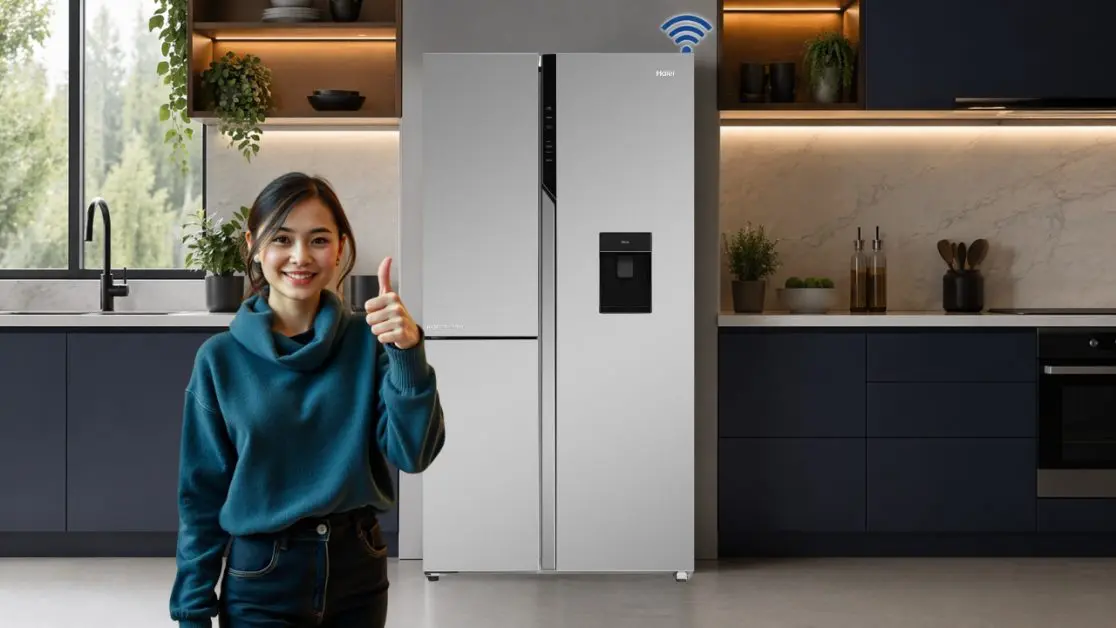
A smart water dispenser is not just a machine that dispenses water.
It is a decision-maker for hydration.
Instead of you adjusting water to your needs, it adjusts water to your moment.
At its core, it does three things:
- Delivers water instantly at different temperatures
- Filters or stores water safely for consumption
- Reduces manual effort in accessing clean drinking water
But the real difference is not in what it does.
It is in what it removes.
It removes waiting.
It removes guessing.
It removes small daily frictions.
And small frictions are what make homes feel chaotic.
The Indian home problem most appliances ignore
Most appliances solve visible problems.
Cooling. Heating. Storage.
But water?
Water lives in between systems.
Think about it:
- RO purifiers clean water but do not control temperature
- Refrigerators cool water but require planning and storage
- Kettles heat water but require manual effort
Each solves a part.
None solve the whole problem.
And that creates a fragmented system
| Task | Appliance | Effort Required |
| Clean water | RO purifier | Wait + refill |
| Cold water | Refrigerator | Store + plan ahead |
| Room temperature | Storage bottles | Maintain regularly |
Multiple tools. Multiple steps.
One daily need.
A smart water dispenser collapses all of this into one system.
Why modern Indian homes are moving toward integrated water systems
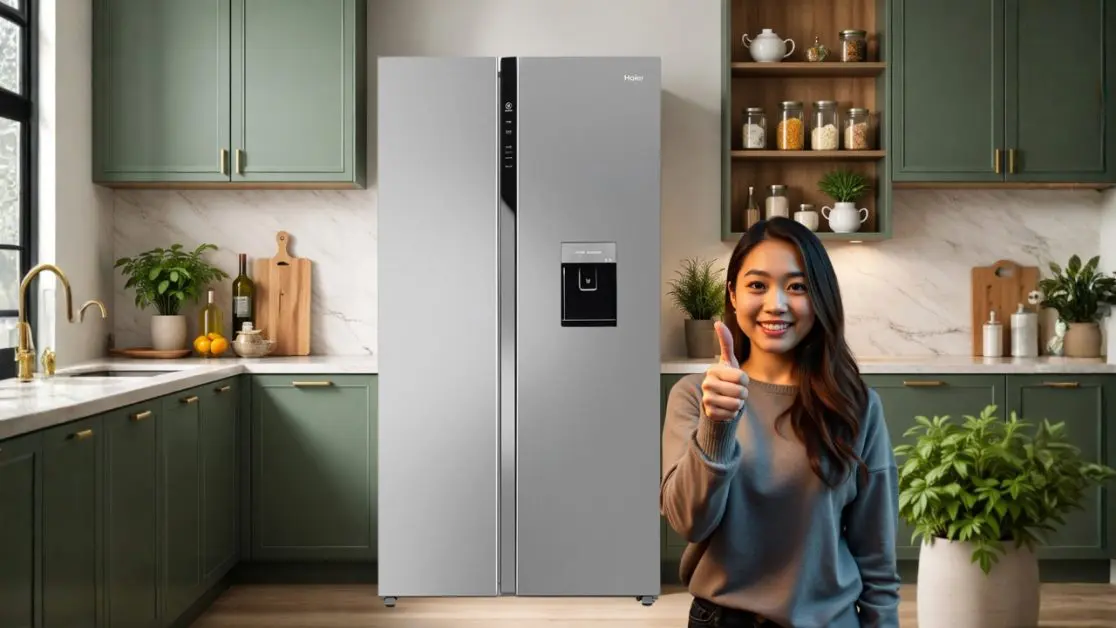
The shift is not about luxury.
It is about time and predictability.
Three patterns are shaping this shift
1. Smaller kitchens, smarter decisions
Urban homes are shrinking.
Every appliance must justify its space.
A smart water dispenser replaces multiple tools.
Fewer devices. More function.
2. Health awareness is rising
According to WHO guidelines, access to safe drinking water directly impacts long-term health outcomes.
Indian households are becoming more conscious about:
- Contamination risks
- Water storage hygiene
- Temperature suitability for digestion
Clean water is no longer optional. It is expected.
3. Lifestyle speed has changed
Working professionals. Online classes. Late-night routines.
Nobody plans water anymore.
They expect it to be ready.
What makes a water dispenser “smart”?
Smartness is not about WiFi alone.
It is about context awareness.
Here’s how smart systems typically work
- Temperature control
Hot, cold, or room temperature on demand - Precision dispensing
Exact quantity control reduces wastage - Hygiene-first design
Closed systems prevent contamination - Energy efficiency
Smart sensors reduce unnecessary power use - Integration with other appliances
Some refrigerators now include built-in dispensers
For example, models like the Haier 592L Graphite Black 3 Door Smart Convertible Refrigerator (HRT-683WGKU1) integrate an in-built water dispenser that provides BPA-free water access directly without opening the fridge
That one detail changes behavior.
You stop opening the fridge repeatedly.
You reduce energy loss.
You simplify access.
Small change. System-level impact.
The three ways Indian homes currently manage drinking water
Let’s be honest.
There are three dominant systems today.
One option is the “traditional bottle system”
Steel bottles. Earthen pots. Stored water.
Cost: Low
Effort: High
Problem: Inconsistent temperature, hygiene depends on handling
This system works. Until life gets busy.
The second option is the “RO + fridge combo”
Purifier for clean water. Refrigerator for cooling.
Cost: Moderate
Effort: Medium
Problem: Requires planning, refilling, storage management
It solves purity. Not convenient.
The third option is the “integrated by rated smart dispenser system”
Single appliance or built-in feature that manages temperature and access.
Cost: Higher upfront
Effort: Low
Benefit: Instant, consistent, controlled hydration
It reduces decision fatigue.
And that is the real upgrade.
Why built-in dispensers are quietly becoming the preferred choice
Look closely at how modern appliances are evolving.
They are not adding features.
They are removing steps.
For instance, refrigerators like the Haier 598L Black White Glass 3 Door Smart Convertible SBS (HRT-683WISU1) allow users to access clean water without opening the door
This is not about convenience alone.
It is about system efficiency.
What changes when water becomes instantly accessible?
- Fewer door openings means better cooling retention
- Lower electricity usage over time
- Reduced contamination from repeated handling
- Faster hydration habits, especially for children and elders
The appliance starts influencing behavior.
That is what smart design does.
The hidden cost of not upgrading your water system
Most people calculate appliance cost.
Few calculate behavior cost.
Here’s what outdated systems cost you daily
- Time spent refilling bottles
- Energy lost from repeated fridge openings
- Health risk from improper storage
- Friction during peak usage times
Individually, these seem small.
Collectively, they shape your daily experience.
“Efficiency is not about speed. It is about removing repetition.”
A smart water dispenser does exactly that.
How smart water systems fit into real Indian moments
Technology matters only when it fits into life.
Let’s ground this.
Morning rush
Tea needs hot water.
Kids need room temperature water.
Someone wants warm water with lemon.
One system. Three outputs.
Afternoon heat
Cold water demand spikes.
No waiting. No planning.
Just access.
Evening family time
Guests arrive.
Nobody asks, “Thanda ya normal?”
It’s already available.
Late night routines
Working late. Studying late.
Hydration becomes effortless.
What should you look for in a smart water dispenser?
Not all systems are equal.
The difference lies in how they reduce friction.
Checklist for choosing the right system
- Multiple temperature options
- Hygiene-first design with BPA-free materials
- Energy-efficient operation
- Easy maintenance and cleaning
- Integration with existing appliances
Optional but valuable features
- Digital control panels
- Child lock safety
- Smart connectivity
For example, many modern Haier appliances combine digital control panels and smart connectivity for easier control without opening doors
That is not feature stacking.
That is friction removal.
So, do Indian homes really need a smart water dispenser?
Here’s the honest answer.
Not every home needs one.
But every home benefits from less friction.
If your home values:
- Time efficiency
- Consistent hygiene
- Reduced daily effort
- Seamless living
Then a smart water dispenser is not an upgrade.
It is a system correction.
The bigger shift this represents
This is not about water.
It is about how homes evolve.
Earlier, appliances worked independently.
Now, they work as systems.
A refrigerator is no longer just for storage.
It manages freshness, access, and even hydration.
A water dispenser is no longer just for dispensing.
It manages behavior.
The insight most people miss
Comfort is not created by big features. It is created by removing small inconveniences.
A smart water dispenser does not shout for attention.
It quietly fixes a daily problem you stopped noticing.
And that is why it matters.
What this means for your home
The future of Indian homes is not more appliances.
There are fewer decisions.
Water. Temperature. Access. Hygiene.
Handled.
So your home feels a little more sorted.
A little more predictable.
A little more yours.
And sometimes, that’s the upgrade that changes everything.
Frequently Asked Questions
Why do I still struggle with something as basic as drinking water at home?
Because your system is fragmented. You rely on multiple appliances RO for purification, fridge for cooling, bottles for storage which creates constant micro-decisions (refill, wait, adjust temperature). A smart dispenser removes these decisions by centralizing everything.
I feel like I’m constantly managing water refilling bottles, checking temperature. Is this normal?
Yes, in traditional setups. But it’s not efficient. That constant “mental load” is exactly what smart systems are designed to eliminate.
Do I actually need a smart water dispenser or am I overthinking it?
You don’t need one but if you value time, consistency, and less daily friction, it becomes a meaningful upgrade rather than a luxury.
I store water in bottles. How risky is that for hygiene?
It depends on handling. Frequent touching, inconsistent cleaning, and open storage increase contamination risk. Smart dispensers use closed systems to minimize exposure.
My RO gives clean water. Why isn’t that enough?
RO solves purity, not accessibility or temperature. You still need to store, cool, and manage that water manually.
Does temperature really affect health or is that exaggerated?
It matters more than people think. Many Indian households prefer specific temperatures (warm for digestion, room temp for daily drinking). Smart systems support this without extra steps.
Do I need WiFi or app control for it to be useful?
Not necessarily. Core value comes from automation and accessibility, not connectivity.
Are built-in fridge dispensers better than standalone ones?
They’re more space-efficient and reduce steps (no extra appliance, no door opening). Ideal for smaller kitchens.
Will this actually change my habits or just sit there like another appliance?
It changes behavior subtly, you drink more water, waste less time, and stop planning hydration.