

If there’s one season that challenges Indian kitchens the most, it’s the monsoon.
The air thickens. The house gets filled with the smell of fried snacks and in some corner of the fridge, a jar of homemade mango pickle fights to stave off mold growth.
We all understand this struggle.
Storing snack food during monsoons certainly looks straightforward, but anyone who has had achaar get fungus or bhujia go soggy knows all too well there is much more to it than just ‘simple’ storing.
But how do you make sure everything stays crisp, packed with flavor, and dry without keeping an eye on the weather outside or moisture sneaking into every single box?
This guide is aimed at preserving dearly guarded rainy-day snacks and lovingly crafted pickles for every household that battles humidity wars starting every June.
First, Why Does Everything Spoil So Fast in Monsoon?

Before we talk about tips, let’s understand the root problem.
- Humidity levels go up: Moisture finds its way into containers, jars, and even sealed packets.
- Fluctuating temperatures mess with food: The heat outside plus indoor dampness = unstable food environment.
- No sunlight drying: Those good old days of sun-drying your snacks or sterilising your jars on the terrace? Not possible anymore.
- Power cuts ruin refrigeration: Just when you need the fridge to work harder, voltage drops make it work slower.
This combination is why your perfectly crisp mathris becomes chewy, or your garlic chutney starts smelling a bit “off.”
But don’t worry. With the right fridge and some smart storage habits, you can actually beat all of this.
Let’s Start With Pickles: Because They Deserve Respect
There’s a lot of emotion behind every jar of Indian pickle. It’s not just food. It’s family memory, craft, care, and flavour packed into glass.
But pickles are also sensitive. Especially during the monsoon.
Store in Glass, Not Metal
Always use clean, dry glass jars. Avoid steel or aluminium; they react with acidic ingredients like lemon, vinegar, or mustard oil.
Clean Lid, Always
After every use, wipe the rim and lid of the jar. Even one drop of leftover masala can lead to fungus when humidity is high.
Make Use of a Dedicated Zone
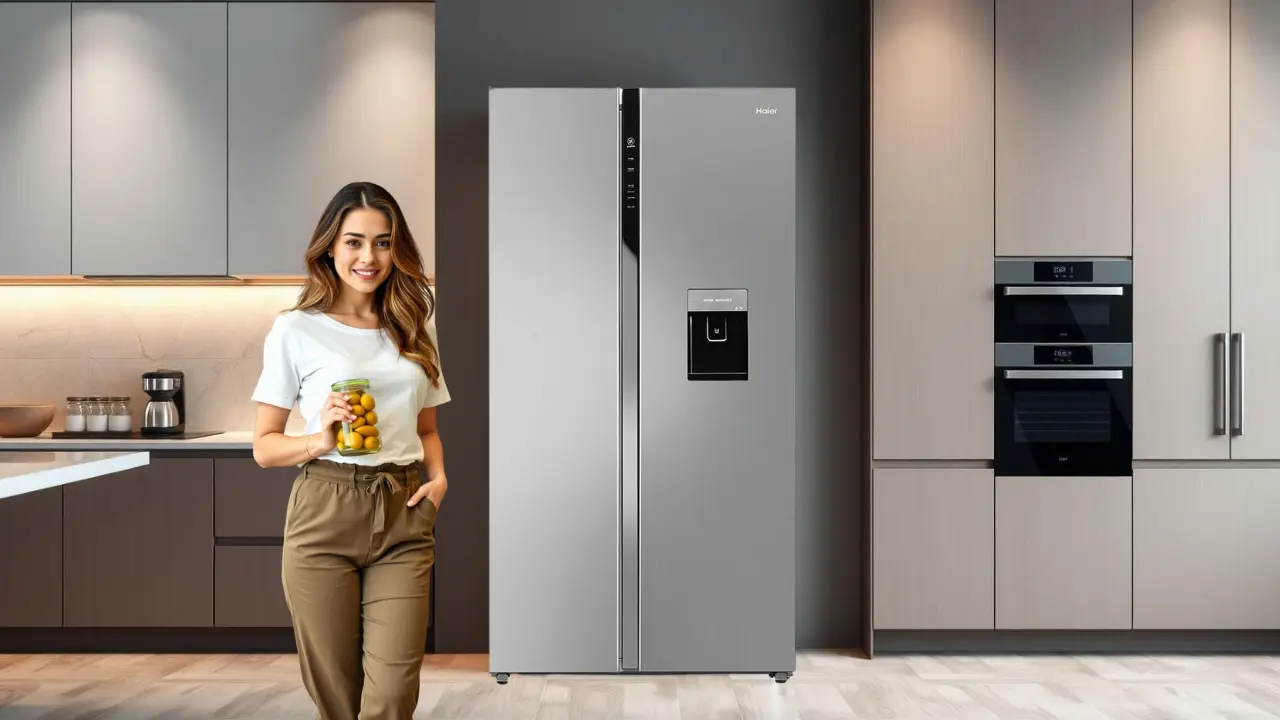
If you’re storing more than one jar (and let’s be honest, most Indian homes do), create a proper zone in your fridge for it. The 596L Side-by-Side Fridge, for example, has four spacious drawers and large door bins, ideal for lining up multiple jars without crowding.
This also helps you find things easily without opening every jar to guess.
Avoid the Freezer
Pickles need to be cool, not frozen. Keep them in the mid-rack or a vegetable zone with a balanced temperature. Fridges with Expert Inverter Technology help maintain this cooling even during low voltage.
What About Snacks? Crunch Is Everything
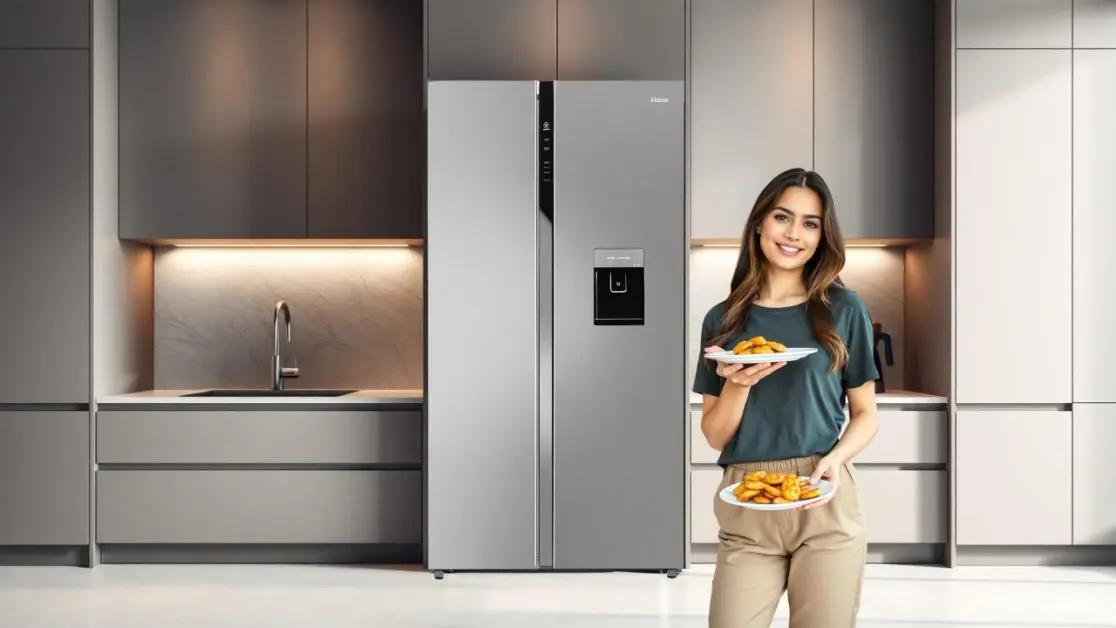
If there’s one thing the monsoon steals quickly, it’s that satisfying crunch. From banana chips to mathri to murmura moisture ruins texture before you know it.
But with a few home tricks and smart cooling zones, you can win.
Use Airtight Inside Airtight
This sounds odd, but it works. Put your snacks in a smaller airtight box and then place that inside a bigger one along with a few grains of uncooked rice or rock salt at the bottom. This absorbs any moisture that sneaks in.
Don’t Store Hot Snacks
Just made fresh namak para? Wait till it’s completely cool before storing. Even a bit of leftover steam can make your snack soggy in a day.
Avoid the Fridge Door
Fridge doors are the warmest spots. Not good for moisture-sensitive items. Use a fridge with toughened glass shelves and multi-fan cooling (like in the Haier HRS-682SWDU1) to ensure even airflow that keeps your snacks dry and fresh longer.
Rotate, Don’t Hoard
Monsoon is not the time to hoard 2 kg of bhujia in one jar. Store smaller quantities and rotate them every few days. Label your snack boxes. It makes a surprising difference.
Chutneys, Sauces, and Semi-Wet Items: Handle With Care

Green chutney, garlic-thecha, dry coconut chutney they’re flavour bombs, but they’re also the first to go bad if you’re not careful.
Here’s how to keep them fresh:
- Use small glass jars, ideally with wide mouths.
- Store in the vegetable box this is where humidity control is best.
- Always use a dry spoon. No shortcuts here.
- Finish within a week, or make smaller batches if your family isn’t using it fast enough.
Fridges like Haier’s with Deo Fresh Technology help reduce odour transfer. This means your chutney won’t start smelling like leftover rajma after two days.
Dealing With Power Cuts: The Silent Spoiler
You’ve done everything right, but then boom, no power for three hours.
This is where a fridge with Inverter Compressor like the one in the Haier 596L comes into play. It keeps cooling consistent, and reduces energy use too. So even if there’s a voltage drop, your food doesn’t pay the price.
You also get digital control on the outside so you don’t need to open the door just to check the temperature. That helps in keeping internal air stable.
Odours in Monsoon? You’re Not Alone
That musty smell in the fridge isn’t just in your head. It’s real, and it’s annoying.
The solution?
- Keep a small bowl of baking soda or coffee powder inside. Natural deodoriser.
- Clean the fridge every 10-12 days. Especially during the monsoon.
- Avoid mixing too many categories in one zone. Keep spicy snacks separate from sweets and chutneys
Haier’s Deo Fresh feature is built exactly for this. It neutralises odours instead of just masking them.
Bonus Section: Dry Fruits, Seeds, and Misc. Monsoon Staples

People often forget that the monsoon affects almonds, flaxseeds, makhana, and roasted peanuts too.
- Store them in glass or vacuum-sealed containers.
- Use the top-most shelf in your fridge to store these if your kitchen is very humid.
- Don’t store it in paper or jute bags. That was for winter. Monsoon needs tighter control.
The good thing about side-by-side fridges is the wide shelf space. You can stack jars side-by-side instead of on top of each other, which improves airflow and visibility.
Quick Checklist: What to Do Every Week
To make your monsoon food storage foolproof, just follow this:
- Clean jar lids and container rims regularly
- Rotate snacks and label everything with dates
- Check the vegetable box for dampness every 5 days
- Wipe condensation from fridge shelves if you notice any
- Don’t overcrowd give your food space to breathe
- Use separate zones for spicy, sweet, and wet items
- Store pickles in the mid-section, never at the bottom or top
- Finish older batches before opening new ones
It may sound like a lot, but once you get into the habit, it becomes second nature.
Why the Right Fridge Makes All the Difference
Honestly, all the hacks in the world won’t work if your fridge is fighting against the weather instead of working with it.
Here’s why HRS-682SWDU1 Side-by-Side Refrigerator makes monsoon storage easier:
- 100% Convertible Zones: You can turn one section into a full fridge if you have more pickles or dry goods this season.
- Expert Inverter Compressor: Keeps food safe even during voltage drops and reduces energy bills.
- Digital Control Panel: Adjust temperature without opening the door.
- Deo Fresh Tech: Prevents odour mix and bacteria growth.
- 3-Fan Cooling System: Ensures even temperature in every corner.
- Extra Wide Shelves and Drawers: More room for more containers.
It’s one of the few fridges designed to handle Indian kitchens, Indian foods, and Indian seasons.
The Real Flavour of Monsoon Is in What You Preserve
Pickles remind us of home. Snacks remind us of family. And chutneys make even the gloomiest day feel a little more special.
If your fridge can’t keep up with the care you put into your food, it’s time to change that.
Because when the clouds roll in and tea starts brewing, you deserve more than just soggy bhujia and spoiled achaar.
You deserve flavour that lasts.
Want a fridge that respects Indian food habits and handles monsoon like a pro?
Explore Haier India made for families who love their food just the way it’s meant to be: fresh, flavourful, and fuss-free.