
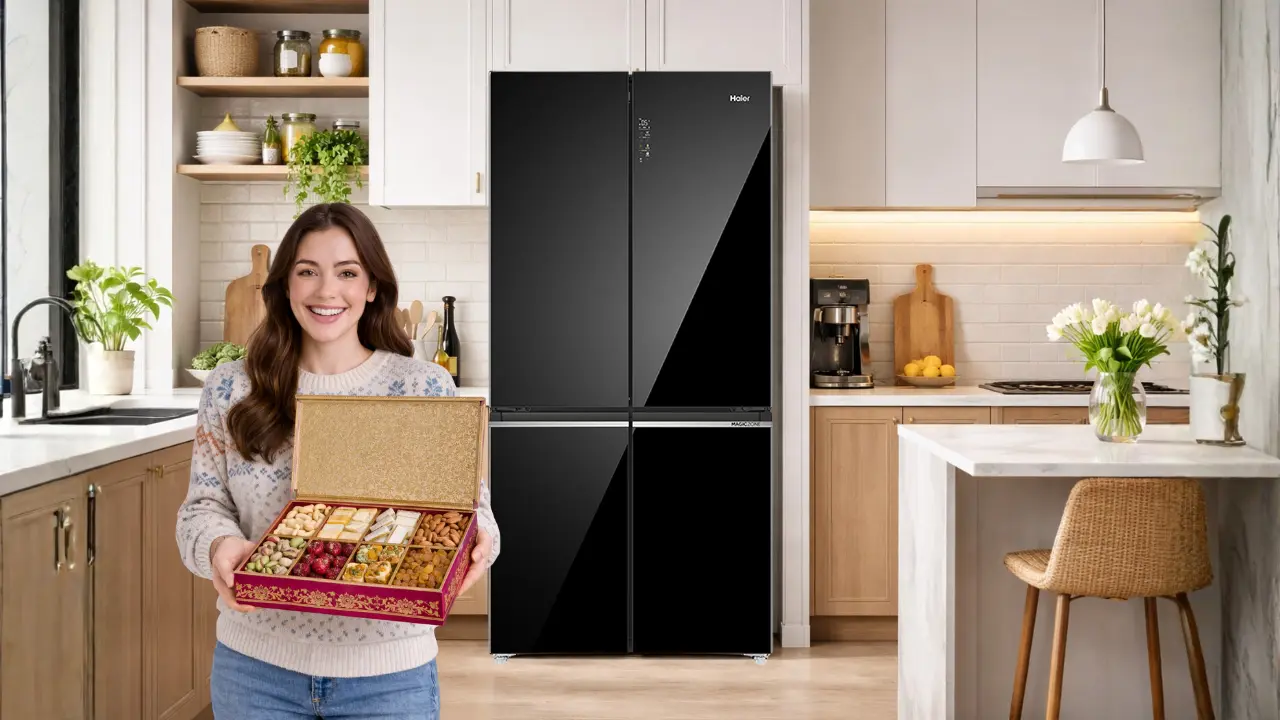

Wedding kajus, barfis and dry fruits stay fresh when moisture, temperature and airflow are managed together.
Airtight containers help, but they are only one part of the system.
The real difference comes from where you store these items, how stable the temperature is, and whether the space is designed to protect delicate festive foods from humidity swings.
Now let us unpack what actually happens in real Indian homes.
The wedding sweet problem everyone recognises
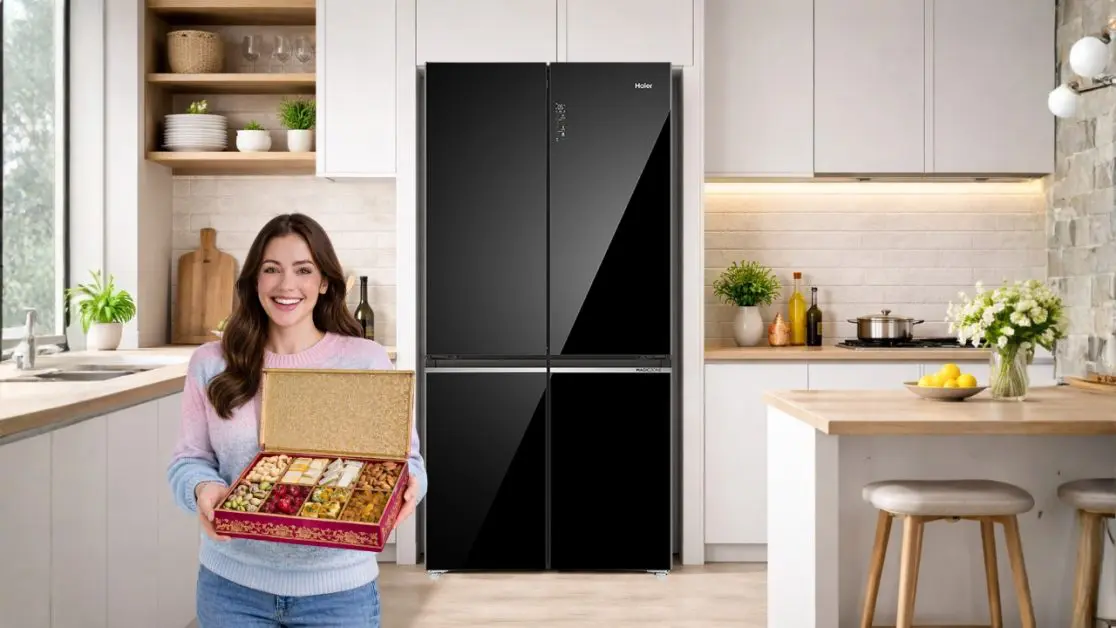
The wedding is over.
The guests have left.
The sweets are still there.
Kajus wrapped in silver paper.
Barfis layered in cardboard trays.
Dry fruits poured into jars that looked clean enough.
Two days later, disappointment.
The kaju has softened.
The barfi feels sticky.
The dry fruits smell slightly off.
This is not poor quality food.
It is moisture doing quiet damage.
Indian kitchens during the wedding season are high-traffic spaces. Doors open often. Cooking heat lingers. Humidity enters slowly. Festive foods, which are already sensitive, absorb that moisture without warning.
Food does not spoil loudly.
It fades.
Why moisture is the real enemy of wedding sweets
Moisture changes structure.
- Kajus absorb humidity and lose crunch.
- Barfis release internal moisture, causing sugar bloom and stickiness.
- Dry fruits oxidise faster, dulling taste and aroma.
Food preservation data shows that even a small increase in humidity can reduce the shelf life of nuts and milk-based sweets by more than half.
The system is simple.
Air plus moisture plus time equals texture loss.
Once you understand this, storage stops being guesswork and starts becoming intentional design.
The biggest myth in festive food storage

Myth: Airtight containers are enough.
They are not.
Airtight containers seal whatever condition the food enters in. Warm kajus cool and condense inside. Fresh barfis release steam that gets trapped. You have locked moisture inside the system.
The real decision happens before the lid closes.
How to store wedding kajus so they stay crunchy
First, let kajus cool completely
Fresh kajus carry surface warmth.
- Spread them on a clean tray.
- Keep them uncovered for 30 to 45 minutes.
- Make sure there is no residual heat.
This single pause prevents condensation later.
Second, choose containers that suit Indian kitchens
You have three sensible options.
One option is glass jars with rubber seals.
The second option is food-grade steel boxes.
The third option is zip-lock pouches placed inside a hard container.
Each behaves differently.
| Container type | Moisture control | Daily convenience | Long-term freshness |
| Glass jar | High | Medium | Excellent |
| Steel box | Medium | High | Good |
| Zip-lock inside box | High | Medium | Very good |
Glass works best when you want stability and visibility without frequent opening.
Third, use the refrigerator intentionally
At room temperature, kajus last about a week.
Stored correctly in the refrigerator, they last up to three weeks.
The key is where you place them.
- Avoid door shelves where temperature fluctuates.
- Keep them away from fruits and vegetables.
- Choose a stable cooling zone.
This is where flexible compartments like My Zone become useful. Instead of treating the refrigerator as one cold box, you treat it as multiple environments designed for different foods.
Modern refrigerators allow you to set My Zone for items like dry fruits and festive snacks, keeping temperature steady and moisture low .
Barfis need structure, not improvisation
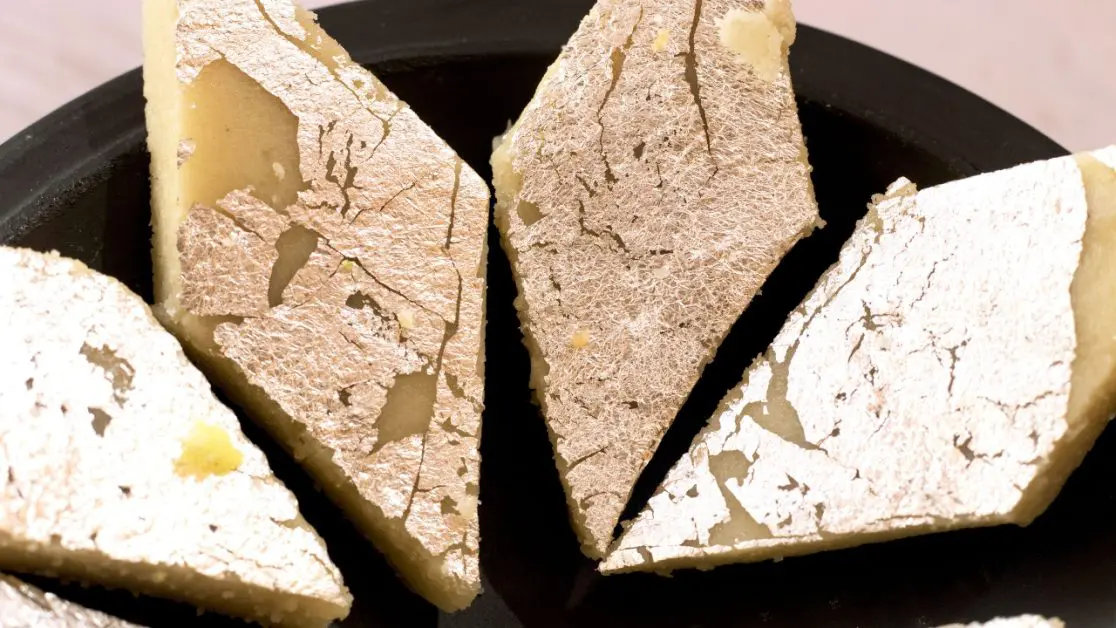
Barfis behave differently because sugar attracts moisture and milk solids release it.
That means barfis must be protected from both external humidity and their own internal moisture.
Never stack barfis immediately
Stacking traps heat and steam.
Instead:
- Lay them flat on a tray.
- Let them cool fully.
- Line each layer with butter paper before stacking.
Refrigeration is essential
Barfis at room temperature last a day.
Refrigerated properly, they stay fresh for five to seven days.
The correct setup looks like this:
- Airtight container.
- Butter paper between layers.
- Placement in a stable cooling zone.
Barfis absorb surrounding smells easily. Refrigerators with odour control and even airflow protect sweetness without transferring flavours from daily cooking items.
Dry fruits need category-based storage
Most homes store all dry fruits together.
That is convenient.
It is also inefficient.
Each dry fruit reacts differently to moisture.
| Dry fruit | Moisture sensitivity | Best storage approach |
| Almonds | Low | Cool shelf or My Zone |
| Cashews | Medium | Airtight, My Zone |
| Raisins | High | Airtight, refrigerator |
| Dates | High | Refrigerated compartment |
| Pistachios | Medium | Airtight, low humidity zone |
Using My Zone lets you separate moisture-sensitive items without mixing them with vegetables or cooked food. It creates a calm environment where festive foods stay unchanged for longer.
Why festive storage fails during wedding season
Wedding season changes how kitchens behave.
- Fridge doors open frequently.
- Storage volumes increase suddenly.
- Sweet boxes share space with everyday food.
This creates temperature swings and micro-condensation.
Features like multi-airflow cooling distribute cold evenly across shelves, reducing moisture pockets and keeping festive items stable. Odour absorption systems quietly prevent cross-contamination between sweets and savoury food.
The refrigerator stops being just cold storage.
It becomes a food management system.
The small habit that quietly ruins sweets
Opening containers repeatedly.
Every opening introduces humid air.
Every closing traps it inside.
A simple fix works.
- Use smaller containers.
- Divide kajus and dry fruits by usage frequency.
- Store daily-use portions separately from long-term storage.
Less exposure means longer freshness.
A practical festive storage checklist
Before storing any wedding sweet, ask:
- Is it fully cooled?
- Is the container completely dry?
- Does this item absorb moisture easily?
- Should it go into My Zone or general refrigeration?
- Will I open this container daily?
Five questions.
Weeks of difference.
The bigger idea behind smart festive storage
Food storage is not about containers.
It is about systems.
Stable temperature.
Controlled humidity.
Thoughtful zoning.
The same thinking that keeps busy organisations running smoothly helps Indian homes stay calm during festive overload.
When systems work quietly, life feels sorted.
Final thought
Wedding kajus, barfis and dry fruits carry emotion.
They are meant to be enjoyed slowly, shared generously, and remembered fondly.
Moisture steals that experience first.
Store with intention.
Use the right zones.
Let smart features like My Zone do the quiet work.
Because good storage is not about preserving food.
It is about preserving moments.