
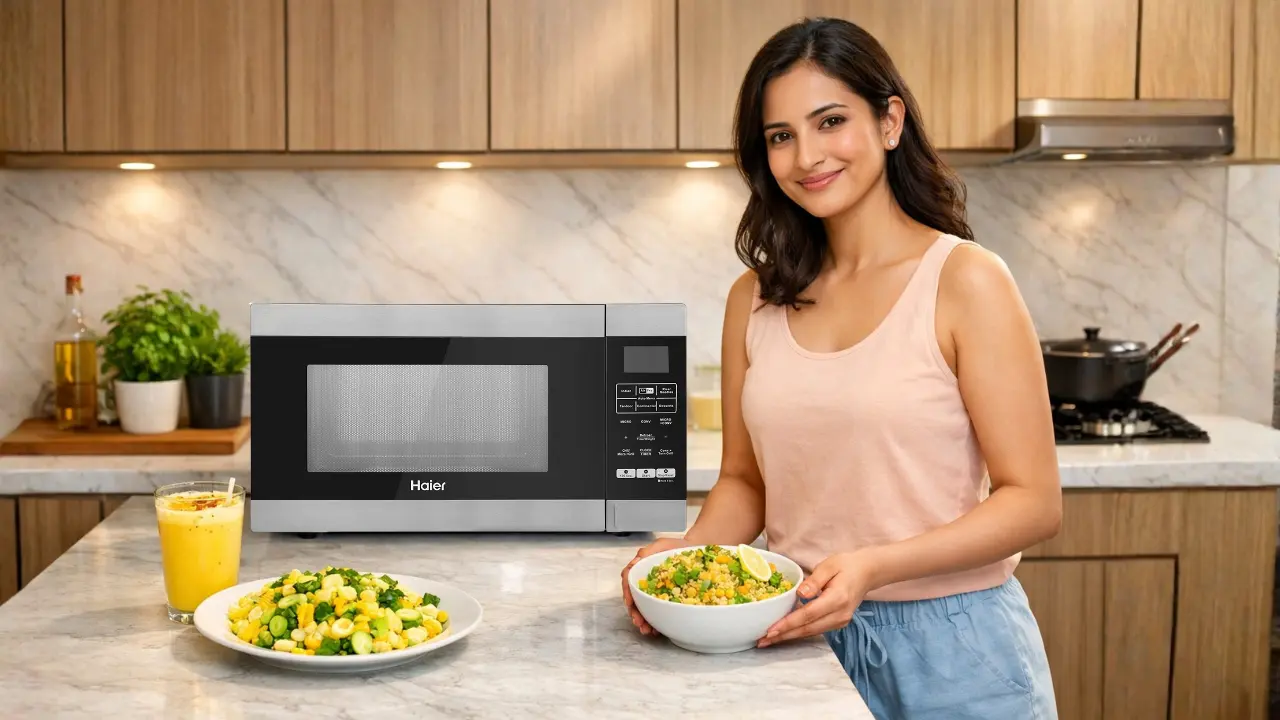

Energy-efficient cooking before peak summer means preparing meals in ways that reduce heat, shorten cooking time, and lower electricity use while keeping food fresh and nutritious.
Smart cooking methods, efficient appliances, and lighter seasonal ingredients help Indian households stay comfortable as temperatures begin to rise.
The shift starts quietly.
One morning the kitchen feels warmer than usual. The afternoon sun lingers longer on the balcony. The fan runs faster. Lunch feels heavier than it should.
Summer is arriving.
And the way we cook needs to change with it.
The hidden cost of cooking in Indian summers.
Indian kitchens are powerful places. Pressure cookers whistle. Tawas glow. Oil crackles.
But power has a cost.
A hot kitchen triggers a chain reaction.
More heat in the room leads to:
- Longer fan or AC usage
- Higher electricity bills
- Reduced comfort during meal prep
The result is simple.
Cooking creates heat. Heat demands cooling. Cooling consumes power.
Energy-efficient cooking breaks this cycle.
Why Pre-Summer Is the Smartest Time to Change Cooking Habits
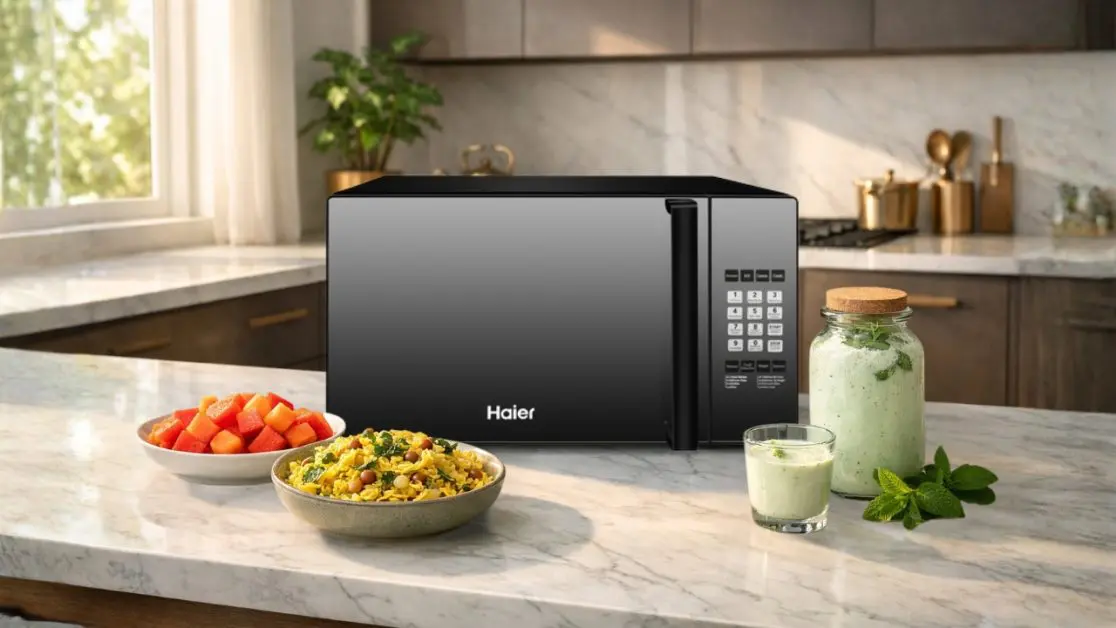
Most households wait until May to think about summer cooking.
By then the heat had already arrived.
The smarter move is March and April.
These weeks act like a transition season. Winter comfort meals begin to feel heavy, but peak summer ingredients have not fully arrived yet. It becomes the perfect window to adjust how meals are prepared.
Three shifts usually happen in Indian homes during this period:
| Seasonal Change | Kitchen Impact | Smart Response |
| Rising outdoor temperature | Kitchens heat faster | Use faster cooking methods |
| Lighter food cravings | Heavy curries feel uncomfortable | Switch to steamed, grilled, or baked dishes |
| Higher electricity demand | Fans and AC run longer | Reduce cooking heat and duration |
Small adjustments here create big savings later.
Energy Efficiency Begins With Time
Cooking energy is closely linked to time.
The longer a stove runs, the more heat and electricity the kitchen generates.
Which means efficiency is not just about appliances. It is about reducing cooking duration.
Three strategies work particularly well before peak summer.
1. Cook faster
Shorter cooking cycles mean lower energy consumption.
Modern convection microwave ovens combine multiple heating methods to speed up cooking significantly. Some models combine microwave energy, grill heat, and convection baking in a single system.
For example, the Haier 25L Convection Microwave Oven (HIL2501CBSH) uses combination cooking modes that can reduce cooking time by up to 30 percent depending on the dish.
Less time cooking means less heat released into the kitchen.
2. Cook multiple dishes together
Batch cooking saves both energy and time.
Instead of cooking vegetables, snacks, and bread separately, convection cooking allows several items to cook simultaneously.
Think of it like using a theatre stage instead of a single spotlight.
More output. Same energy.
3. Cook once, eat twice
Preparing larger portions that can be stored for the next meal reduces repeat cooking cycles.
Smart refrigerators then keep these meals fresh without spoilage.
Efficiency is rarely about effort. It is about planning.
The Shift Toward Lighter Cooking Methods
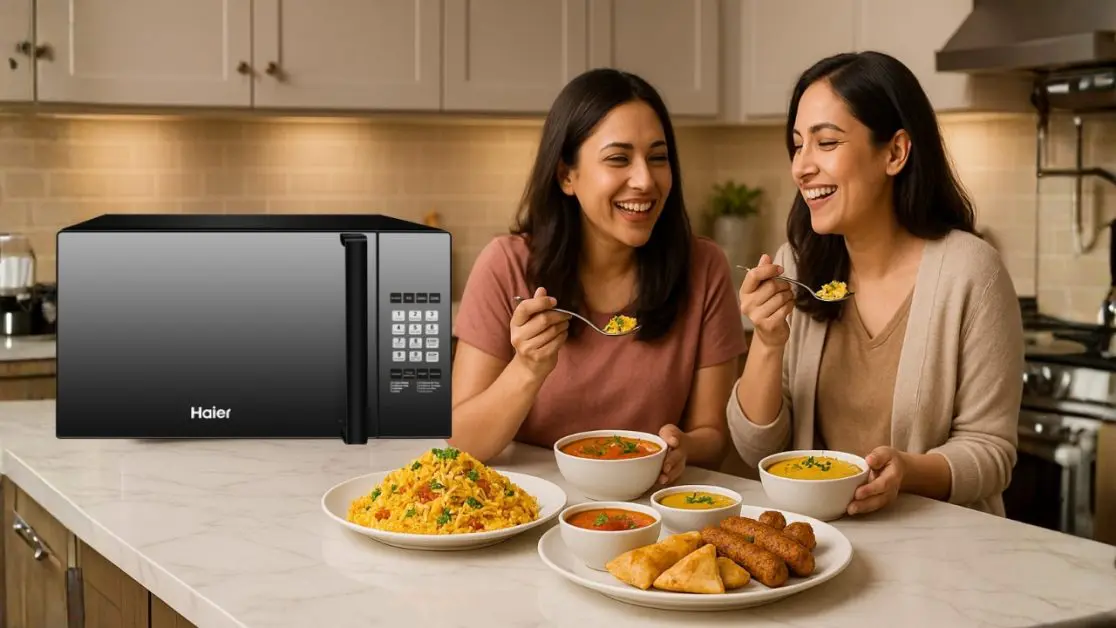
Summer cooking is not just about reducing heat.
It is also about reducing oil and heaviness.
Many modern households are shifting toward cooking methods that use less oil while preserving flavour.
Consider these three options.
One option is steaming
Steamed dishes such as idli, vegetables, and dumplings cook quickly and retain nutrients.
Microwave steaming also uses less water and energy than traditional boiling methods.
The second option is grilling
Grilling adds flavour while reducing oil.
Paneer tikka, vegetables, and kebabs cook quickly under controlled heat.
The third option is air frying
Air frying circulates hot air to crisp food without deep frying.
Some modern convection microwaves integrate this capability.
For example, the Haier 30L Convection Microwave With In-Built Air Fryer (HIL3001ARSB) includes dedicated air fryer cooking options along with grilling and convection modes.
This allows households to prepare snacks with significantly less oil while avoiding prolonged stovetop heat.
Health improves.
Energy consumption drops.
Why Modern Kitchens Are Moving Beyond the Gas Stove
Gas stoves remain the backbone of Indian kitchens.
But they are not always the most energy-efficient option.
Gas cooking releases heat directly into the room, which raises indoor temperature. During peak summer, this extra heat often forces families to run fans or air conditioning longer.
Alternative cooking systems address this challenge differently.
| Cooking Method | Heat Released Into Kitchen | Energy Efficiency |
| Gas stove | High | Moderate |
| Electric hot plate | Medium | Moderate |
| Convection microwave | Low | High |
Microwave ovens cook food using electromagnetic waves that heat water molecules inside the food directly, which reduces overall cooking time.
Less heat escapes into the kitchen.
The room stays cooler.
This is particularly helpful during Indian summers when every degree matters.
Small Habits That Reduce Cooking Energy
Energy-efficient cooking does not require a new kitchen.
Often it comes down to simple daily habits.
Use lids while cooking
Covered pots retain heat better, reducing cooking time by up to 25 percent.
Cut ingredients smaller
Smaller pieces cook faster.
Less cooking time equals less energy used.
Pre-plan meals
Knowing what to cook prevents repeated reheating cycles.
Use auto cook programs
Modern appliances include preset cooking programs that automatically adjust power levels and time.
For instance, certain Haier convection microwave models include dozens or even hundreds of auto cook menus that simplify cooking decisions and optimise power usage.
Automation saves both energy and mental effort.
The Psychology of Summer Cooking
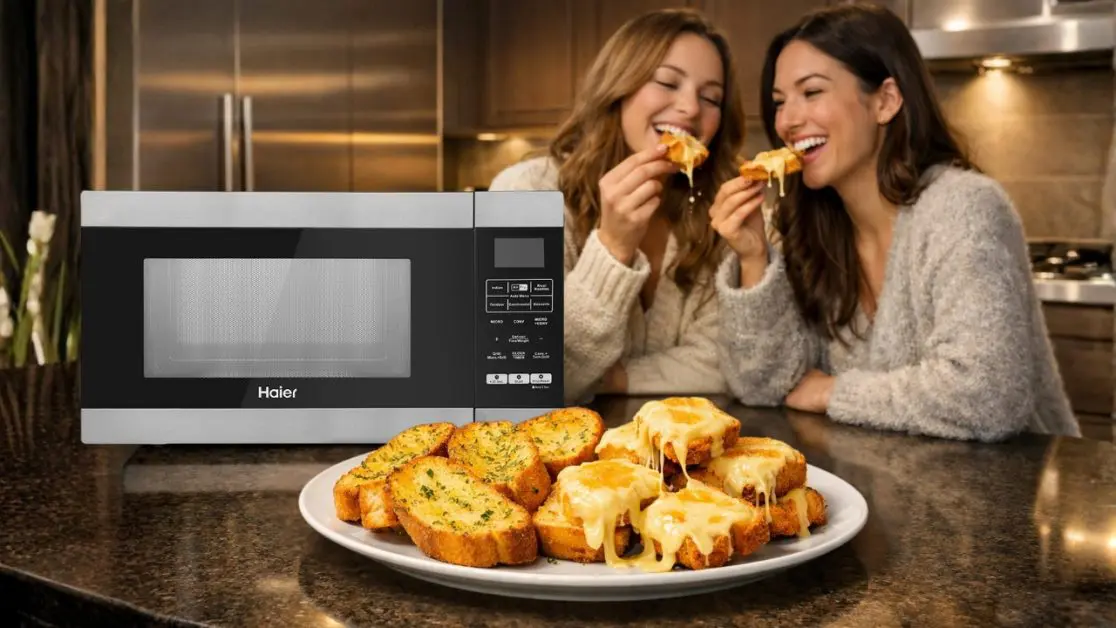
Cooking patterns reflect climate.
Heavy winter meals satisfy warmth and comfort. Summer meals demand the opposite.
Lighter textures.
Shorter cooking times.
Fresh ingredients.
This shift shows up in everyday Indian dishes.
| Winter Meals | Summer-Friendly Alternatives |
| Rich curries | Light vegetable stir fries |
| Deep fried snacks | Air fried or grilled snacks |
| Long simmer dals | Quick pressure cooked dals |
| Heavy desserts | Fruit bowls or chilled sweets |
Food adapts to weather.
Energy-efficient cooking simply accelerates that adaptation.
The Kitchen Is an Energy System
A home works like a network.
Heat produced in one corner affects comfort somewhere else.
Cooking heat increases indoor temperature. Increased temperature raises cooling demand. Cooling demand increases electricity usage.
Understanding this system changes how we cook.
One appliance alone cannot solve the problem.
But a combination of habits, planning, and efficient appliances can reshape the entire cycle.
Efficient cooking shortens heat exposure.
Shorter heat exposure reduces cooling needs.
Reduced cooling lowers electricity consumption.
The system balances itself.
A Small Change That Makes Summer Easier
Before peak summer arrives, most people think about air conditioners.
But the kitchen often deserves equal attention.
Because the kitchen runs daily.
Morning tea. Afternoon lunch. Evening snacks.
Every cooking decision affects the temperature of the home.
Energy-efficient cooking is not about sacrifice.
It is about smarter choices.
Cook faster.
Cook lighter.
Cook with systems that reduce heat instead of amplifying it.
When kitchens become efficient, homes become calmer.
And summer becomes easier to live with.
Frequently Asked Questions
I feel like my kitchen gets hotter every week. Should I actually change how I cook before summer arrives?
Yes. The weeks before peak summer (March–April in many parts of India) are ideal for adjusting cooking habits. Kitchens heat up faster as outdoor temperatures rise, so switching to faster cooking methods, lighter meals, and efficient appliances early helps reduce heat buildup and energy use before the hottest months arrive.
Why do my normal winter meals suddenly feel heavy when the weather starts warming up?
Your body naturally shifts toward lighter foods as temperatures rise. Rich gravies, long-simmered dishes, and deep-fried snacks produce more heat during cooking and feel heavier to digest. Summer cooking typically moves toward steamed foods, grilled items, and quick stir-fries that require less cooking time.
Does cooking faster really reduce electricity usage?
Yes. Cooking energy is closely linked to time. The longer a stove or appliance runs, the more energy it consumes and the more heat it releases into the kitchen. Faster cooking methods reduce both electricity use and indoor heat buildup.
Why do people say convection microwave ovens are more efficient?
Convection microwave ovens combine microwave heating, grilling, and convection baking. This allows food to cook faster and sometimes multiple dishes can cook at the same time. Because cooking time is shorter, less heat escapes into the kitchen.
Is gas cooking less efficient during summer?
Gas stoves release a large portion of heat directly into the room. In summer, that extra heat raises indoor temperature, which often increases fan or air-conditioner use. Appliances that cook food internally like microwave ovens release less heat into the kitchen.
What are auto cook menus and do they really help?
Auto cook menus are preset cooking programs built into modern appliances. You select a dish (like paneer tikka or pizza), and the appliance automatically adjusts power levels, temperature, and cooking duration. This prevents overcooking and unnecessary energy use.
Does cooking with lids really save energy?
Yes. Cooking with lids traps heat and steam inside the pot, allowing food to cook faster. This can reduce cooking time by up to 25%, which directly lowers energy use.
Why do smaller chopped vegetables cook faster?
Smaller pieces have more surface area exposed to heat, allowing them to cook faster. Shorter cooking time means less gas or electricity is used.