


It started with a showroom. But it’s triggering a mindset shift.
When Tesla finally opened its doors in Mumbai’s BKC, it wasn’t just a car launch. It was a cultural moment.
A red Model Y parked under soft showroom lights isn’t just a vehicle. It’s a signal. To every tier-1 techie, tier-2 dreamer, and Instagram scroller glued to the livestream it whispered: The future is finally here, and it looks sleek, smart, and AI-driven.
But here’s the twist.
Tesla isn’t just changing how we drive.
It’s changing how we expect everything else at home to perform.
We’re no longer satisfied with “dumb” machines
The Indian middle class has always been aspirational. But aspiration used to mean “imported-looking design” or “it has more buttons.”
Now? Aspiration means automation, intelligence, and personalisation.
If a car can cool your seat before you step in, why shouldn’t your AC learn your habits and pre-cool your room?
If Tesla’s navigation predicts your destination, shouldn’t your refrigerator know when you’re low on milk?
That’s the ripple effect.
Tesla has redefined what it means for a machine to be smart. And that expectation is flowing right into Indian homes.
Smart homes aren’t a luxury anymore. They’re a mindset
Earlier, AI at home meant asking Alexa to play music.
Now, we want our appliances to think for themselves.
Take AI Gravity Series AC. It doesn’t just cool. It learns. The AI Climate Assistant studies your patterns. Comes alive before you even lift the remote. Adjusts cooling dynamically with 7- in -1 Convertible Modes. And if that sounds like a Tesla-like leap, it’s because it is.
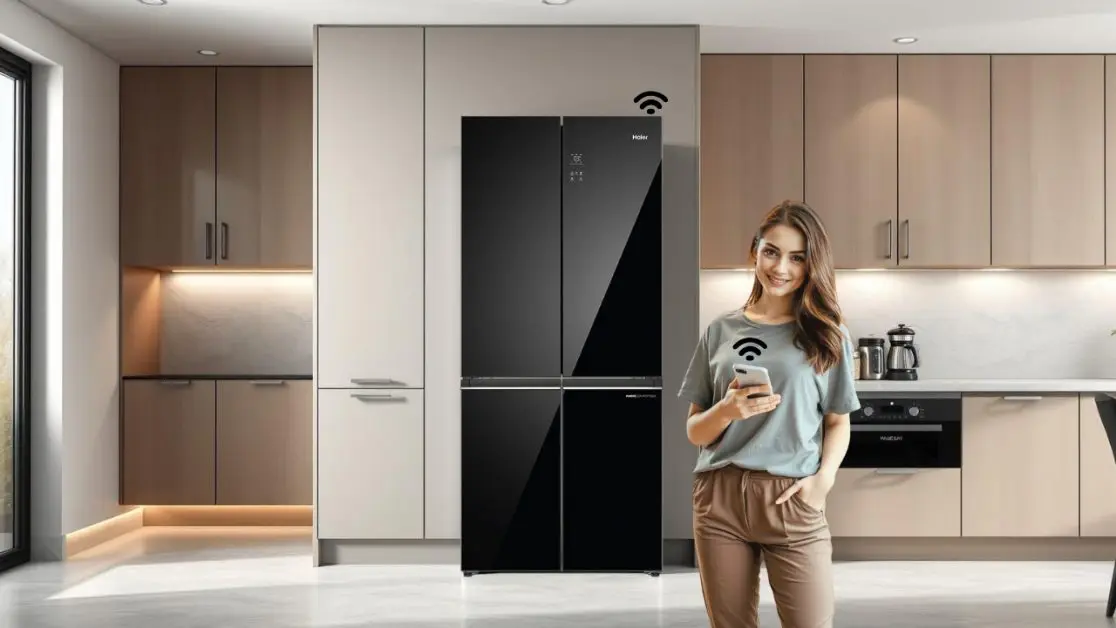
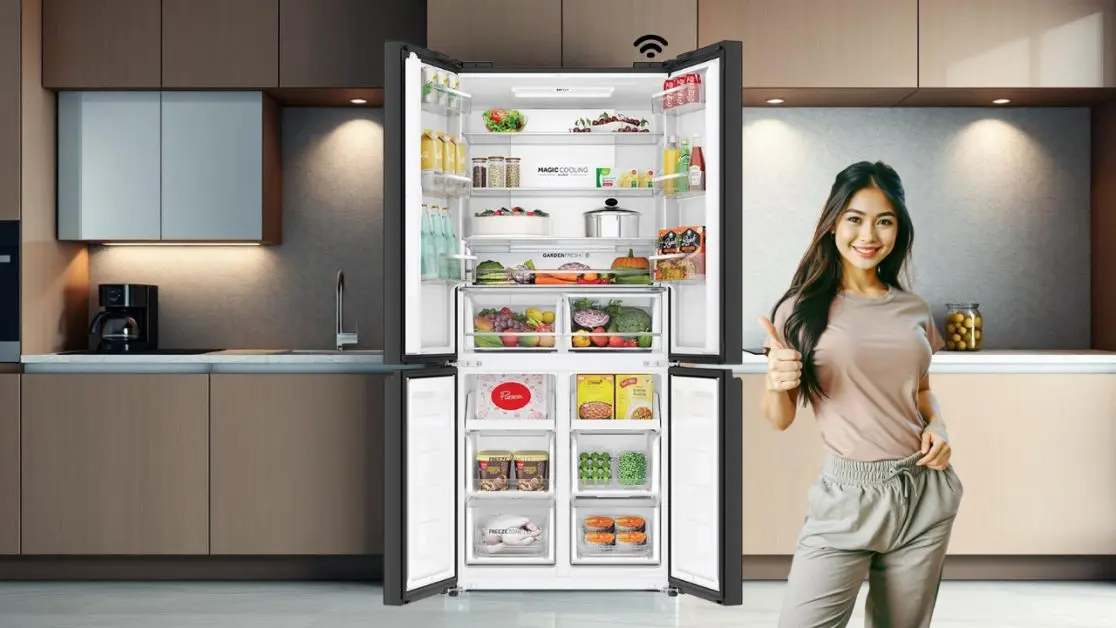
Same goes for the Lumiere 4-Door Refrigerator. It’s not just about storage anymore. It’s about sensing what’s inside, tracking your groceries, syncing with your phone, and optimizing energy based on usage. Yes, it’s a fridge. But it behaves like an intelligent system.
Tesla made intelligence desirable. Home tech is catching up

There’s a pattern emerging.
- Minimalist design. Black glass finishes. Recessed handles. Just like a Model Y dashboard.
- Silent efficiency. Whisper-quiet ACs, frost-free cleans, dual compressors tuned like EV motors.
- AI brains behind the scenes. Systems that monitor, learn, auto-adjust, and even self-clean.
Super Micro Anti-Bacterial Filter in its Gravity Series AC is doing what HEPA filters did for Tesla’s Bioweapon Defense Mode. Quietly improving the air we breathe, without fanfare.
And here’s the kicker.
These aren’t concepts or prototypes. They’re already available. In Ghaziabad. In Pune. In Guwahati.
Indians no longer wait for the West to validate innovation.
Tesla entering India has flipped a switch.
Now, we expect more. Not 5 years later. Today.
The questions are sharper:
- “Does this AC adjust when my electricity usage peaks?”
- “Can I check my fridge inventory from my phone?”
- “Will this water heater remember my morning timing?”
If the answer’s no, it’s already outdated.
This shift isn’t just about tech. It’s about identity
When you install a smart AC or fridge today, you’re not just buying convenience.
You’re signaling something deeper.
That you care about:
- Energy consciousness
- Time saved through automation
- Design that speaks your language
- Systems that understand your lifestyle
That’s the Tesla effect. It’s not about four wheels.
It’s about a new kind of Indian who expects intelligence everywhere, not just outside, but inside the home.
So what does this mean for your next appliance purchase?
One option is to buy what your parents bought. Familiar brands, buttons, manual modes.
The second? You buy based on price per feature chasing discounts and wattage.
But the third and the one we’re seeing more of every day is this:
You choose the product that feels like it belongs to the future you’re stepping into.
The one that:
- Integrates with your routines
- Saves you energy and thought
- Learns you, not just listens to you
The AI-powered lineup isn’t trying to be flashy. It’s trying to earn its place in a world where intelligence is no longer optional.
The bigger shift?
We’re not buying machines anymore. We’re onboarding systems.
Just like Tesla reimagined a car as a software platform on wheels, Haier is doing the same inside your home across air, food, comfort, and control.
And the smart Indian buyer?
They’re not just noticing. They’re expecting it.
Final thought: If your tech doesn’t learn, it’s falling behind.
Whether it’s on four wheels or behind four fridge doors AI is not the future. It’s the present tense.
So the next time you feel the soft breeze of an AC that learned your routine, or your fridge pings you about low veggies remember: this is what smart feels like.
And it’s not coming soon.
It’s already here.