


In Bigg Boss Season 19, it isn’t just the fights, friendships, or Salman Khan’s weekend takedowns grabbing attention.
The sleek, oversized Haier Mini LED TV placed behind him has become a real conversation starter, a reminder that in today’s homes, the screen isn’t just entertainment, it’s atmosphere.
Why Are Viewers Noticing the TV More Than the Drama?
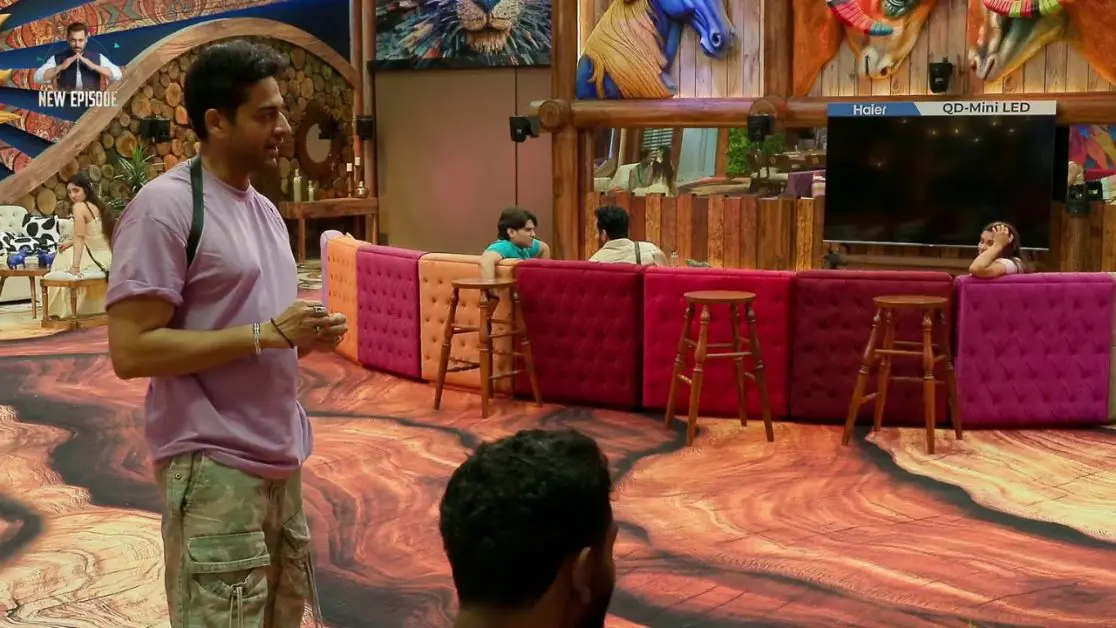
Bigg Boss thrives on drama. But this year, memes, tweets, and even fan pages aren’t just about contestants’ one-liners. They’re about that massive television glowing behind Salman.
Why? Because it reflects a shift in what audiences value.
The living room centerpiece isn’t just furniture anymore. Its status, mood-setter, and conversation hub rolled into one.
In homes just like in the Bigg Boss house the screen quietly dictates the vibe.
Screens Are the New Stage
Think about it.
A living room in Mumbai during a cricket final.
A student apartment in Bangalore hosting a K-drama binge.
A joint family in Lucknow watching Salman grill contestants on Saturday night.
The common denominator? Everyone’s eyes are glued not to the décor, but to the TV.
And when that TV is sleek, borderless, and glowing with Dolby Vision IQ-powered colors, it doesn’t just show content. It becomes the content.
Bigg Boss as a Mirror of Indian Homes

Bigg Boss has always been a social lab, friendships tested, tempers flared, alliances formed. But the house is also a stage for something subtler: the appliances, furniture, and gadgets placed inside.
In Season 19, the Mini LED TV behind Salman is more than set design. It’s an unspoken signal: this is what modern Indian homes aspire to.
- The size matters : a 65 or 189cm (75) screen transforms even a simple sofa into theatre seating.
- The sound matters : Harman Kardon speakers with Dolby Atmos don’t just play dialogue, they make the room vibrate like a cinema.
- The speed matters : a 144Hz refresh rate means when Rashid Khan bowls in the Asia Cup, you don’t miss a flicker of motion.
The contestants may grab headlines, but the tech behind them sets the tone.
Why Big Screens Are Now Social Currency
In earlier decades, showing off meant crockery cabinets or imported sofas. Today, it’s the screen.
Three reasons explain why:
1. Entertainment as lifestyle – Families bond less around dining tables, more around weekend movie nights.
2. Hybrid work-life – That massive screen doubles as a Zoom monitor, a fitness coach, or a karaoke board on New Year’s Eve.
3. Festive hosting – When relatives gather for Diwali or Ganesh Chaturthi, the big TV isn’t the background , it’s the anchor.
In short: if your living room is the stage, your TV is the spotlight.
What the Haier Mini LED Brings to the Show
The Mini LED H65M95EUX and H75M95EUX are not just screens, they’re systems.
- Dolby Vision IQ + Atmos: Adapts brightness and sound to your room’s lighting and acoustics.
- Harman Kardon Audio: Balanced highs, deep lows perfect for Salman’s voice or an F1 engine roar.
- Google TV with hands-free control: No more remote-hunting during tense elimination moments.
- Game Mode with AMD FreeSync Premium: From FIFA to Fortnite, lag is no longer an excuse
Placed behind Salman, this isn’t just product placement. It’s a lifestyle statement.
The Invisible Role of Appliances in Culture
Here’s the hidden system at work:
- Contestants fight – Viewers laugh or rage.
- Salman intervenes – Viewers lean closer.
- TV screen glows – Viewers screenshot, share, and ask: “Which model is that?”
The appliance isn’t passive. It’s an active culture.
Just as kitchens once symbolised progress with microwaves, and drawing rooms once flaunted landline phones, today’s Indian households flaunt their screens.
How This Reflects Indian Buying Patterns
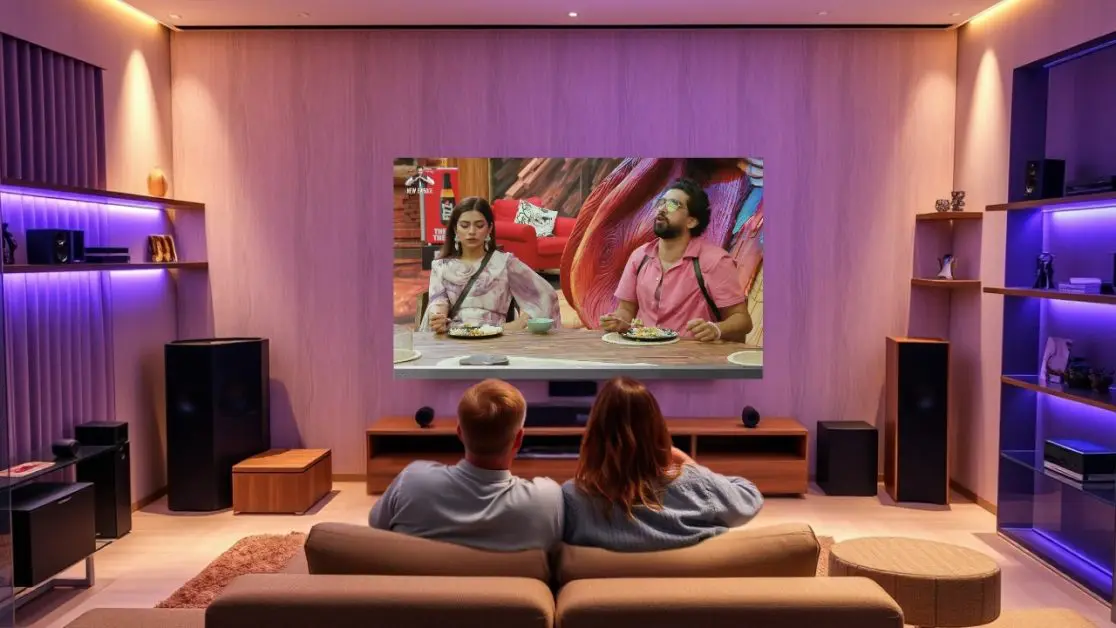
Here’s the bigger pattern:
- Tier 1 cities lean towards bigger, smarter, immersive TVs as extensions of lifestyle.
- Tier 2 cities see it as an aspirational single upgrade that changes the entire vibe of a home.
- Young couples want it for Netflix and cricket nights.
- Parents buy it for durability, storage-friendly OS, and family use.
The product behind Salman trends because it mirrors what’s happening in homes across India.
Choices That Define the Living Room
So what does this mean if you’re setting up your own space?
Three options:
- Keep it functional – A smaller screen, basic sound, just enough for daily soaps.
- Go aspirational – Invest in a 165cm (65) Mini LED that doubles as a gaming, movie, and work hub.
- Go all-in – A 189cm (75) screen with cinematic sound and 144Hz clarity that redefines what “watching TV” means.
Each option has costs and benefits.
But the trend shows most households are moving from option 1 to option 2, fast.
The TV as Family Member
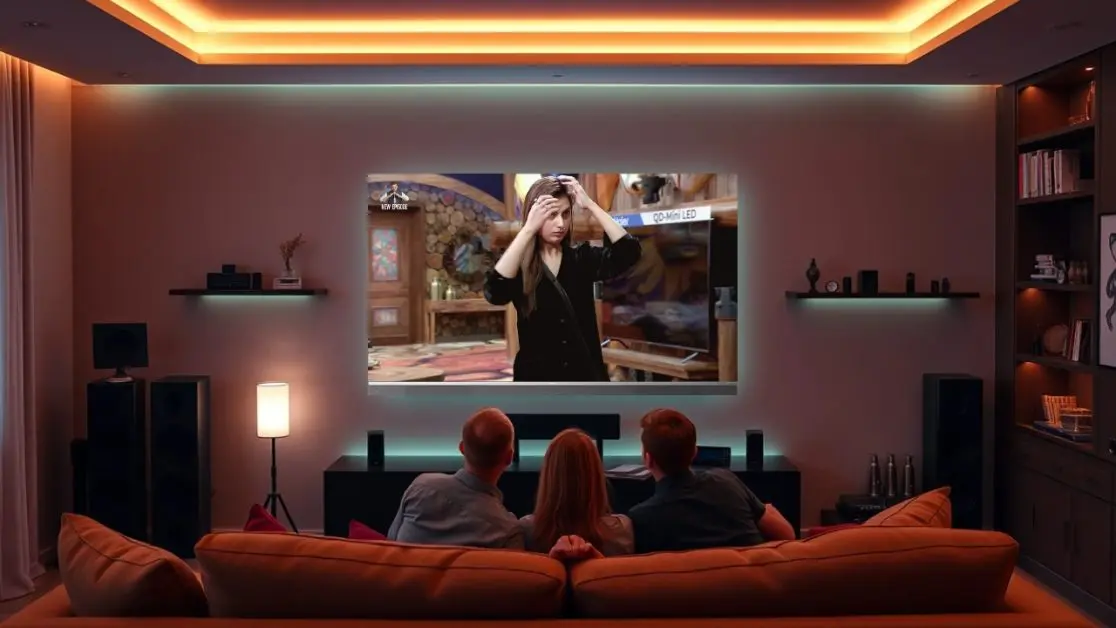
Sounds dramatic, but think about it.
- It speaks when you ask Google Assistant a question.
- It hosts when you stream a family wedding live.
- It entertains, educates, and even disciplines when it plays Salman’s “Weekend Ka Vaar.”
Appliances are no longer silent. They participate.
What This Means Beyond Bigg Boss
The real insight here:
When audiences talk about a TV trending more than contestants, they’re not really talking about Bigg Boss. They’re talking about themselves.
They’re saying: our living rooms deserve the same glow, the same clarity, the same presence.
Salman just happens to be standing in front of it.
Final Thought
Bigg Boss has always been about human dynamics. But this season, the unspoken alliance is between households and their screens.
The contestants may fight for survival.
Salman may fight for control.
But the Haier Mini LED behind him is quietly winning the real game: redefining what Indian homes expect from entertainment.
Because in the end, the TV isn’t just behind Salman. It’s in front of us all.