


TV screen safe modes, like energy-saving and adaptive brightness settings, protect your display during long streaming hours by reducing strain, preserving panel life, and maintaining consistent picture quality.
For extended Puja sessions, enabling these modes on modern OLED TVs ensures both visual comfort and durability.
Why Safe Mode Matters During Festive Streaming

Think of Durga Puja or Navratri in today’s India. Families keep their TVs running for hours sometimes all day streaming live pandal coverage, devotional music, or special mythological serials.
But here’s the overlooked truth, screens are not designed for uninterrupted marathon play without adjustment. Bright static visuals, high contrast frames, and long hours of constant playback can cause:
- Temporary image retention (ghosting of static elements).
- Eye fatigue from over-bright displays.
- Higher power consumption and unnecessary heat buildup.
- Reduced panel life over time.
Safe Mode exists for these very reasons. It’s not about dimming the joy, but about protecting the experience.
What Does “TV Screen Safe Mode” Actually Do?
Safe Mode is like a quiet backstage crew in a theatre. You don’t see it working, but you feel its effect.
On Haier’s OLED series (55, 65, and 77 models), it takes form through:
1. Energy Saving Mode – Reduces brightness levels intelligently to conserve power without compromising clarity.
2. Dolby Vision IQ – Auto-adjusts contrast and colour based on ambient light in your room, so you’re never blinded during aarti replays at night.
3. Pixel Dimming – Each pixel adjusts individually, lowering strain from static visuals like onscreen logos or subtitles.
4. 120Hz Refresh Rate with MEMC – Ensures smooth transitions for fast-moving sequences (think dhunuchi dance videos), reducing blur and strain.
5. Auto Standby/Screen Saver – Activates if the TV detects inactivity, protecting against static burn-in during paused frames.
Safe Mode isn’t a single switch. It’s a set of quiet guardians working together.
The Festive Household Test
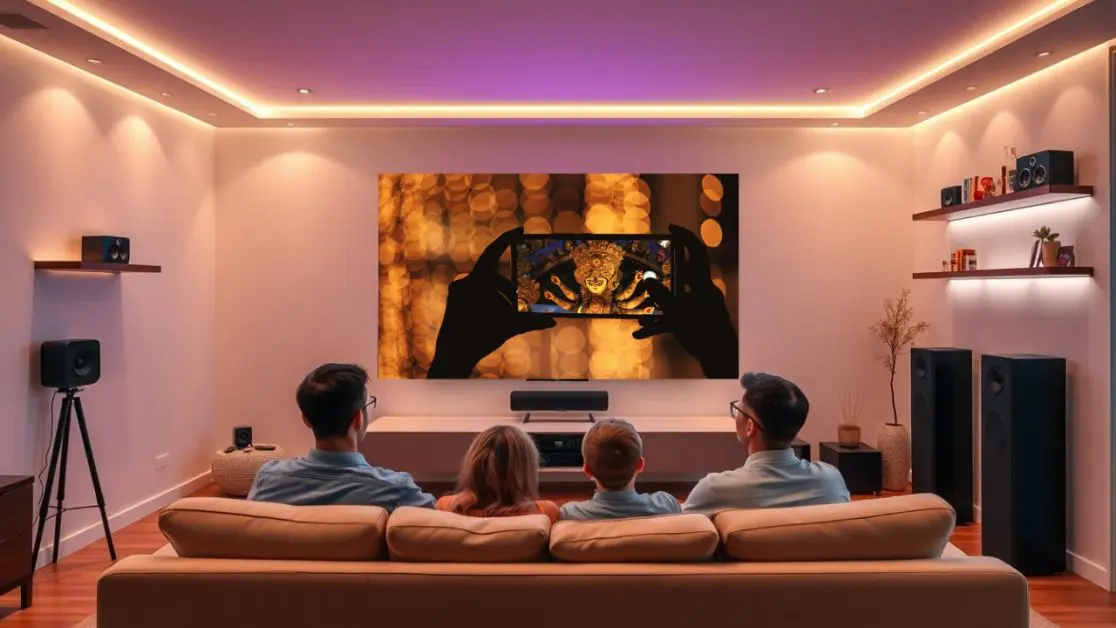
Imagine this:
- In Kolkata, grandparents keep live Aarti streaming from Belur Math on for six straight hours.
- In Delhi, cousins tune into live Garba events till late night.
- In Bangalore, working professionals keep devotional playlists looping through their OLED TV while prepping bhog.
Without safe settings, the TV is overworked and eyes are overexposed. With Safe Mode on, brightness adapts, colours stay natural, and the TV quietly regulates itself for a full day of streaming.
This is what separates watching a festival from living it comfortably.
Options for Setting Safe Mode During Pujas
There are three systematic ways families can approach this:
1. Adaptive Option
Enable Dolby Vision IQ + Energy Saving Mode.
- Pros: Balanced brightness, power savings, extended panel life.
- Cons: Slightly dimmer during bright daylight viewing.
2. Comfort Option
Enable Blue Light Reduction + Pixel Dimming.
- Pros: Reduces eye strain during late-night bhajans.
- Cons: Warm tint may alter original colour slightly.
3. Performance Option
Keep 120Hz + MEMC ON, with Energy Saver on low.
- Pros: Smooth motion, detailed visuals for cultural dance performances.
- Cons: Slightly higher power use compared to full eco mode.
Every household can choose depending on whether they value power efficiency, comfort, or vibrancy.
What Experts Say About Long Screen Use

- According to the American Academy of Ophthalmology, reducing brightness and blue light during extended screen sessions lowers digital eye strain by 30–40%.
- A report by Display Supply Chain Consultants (DSCC, 2023) noted that OLED panels with adaptive dimming last 20% longer when used with eco modes.
- Indian energy experts estimate households can save ₹500–700 in power bills during festive months simply by running TVs on energy-saving settings.
Safe Mode is not only about the TV it’s about your eyes, your bills, and your festive rhythm.
Hidden Systems at Work
Behind Safe Mode are invisible systems that mirror life itself:
- Constraint creates endurance. By dimming brightness slightly, the TV lasts longer just like pacing yourself during a long night of Puja hopping.
- Adaptation creates comfort. Dolby Vision IQ adjusts visuals to your room like your eyes naturally adjusting from sunlight to candlelight.
- Prevention creates freedom. Pixel dimming stops burn-in before it begins just as proper bhog storage prevents food waste.
Technology here is not loud. It’s quietly wise.
Practical Festive Tips for Screen Safety
Here’s a checklist for Indian homes during extended Puja streaming:
- Enable Energy Saving Mode before starting live sessions.
- Turn on Adaptive Brightness (Dolby Vision IQ) to match your room lighting.
- Activate Screen Saver if you step away for aarti or prasadam.
- Lower volume using 2.1 Channel Woofer’s bass controls to avoid distortion from long use.
- Use Smart Voice Control to switch modes hands-free when rituals keep your hands occupied.
These are small acts that create large comfort.
Haier OLED TVs – A Natural Fit for Long Sessions
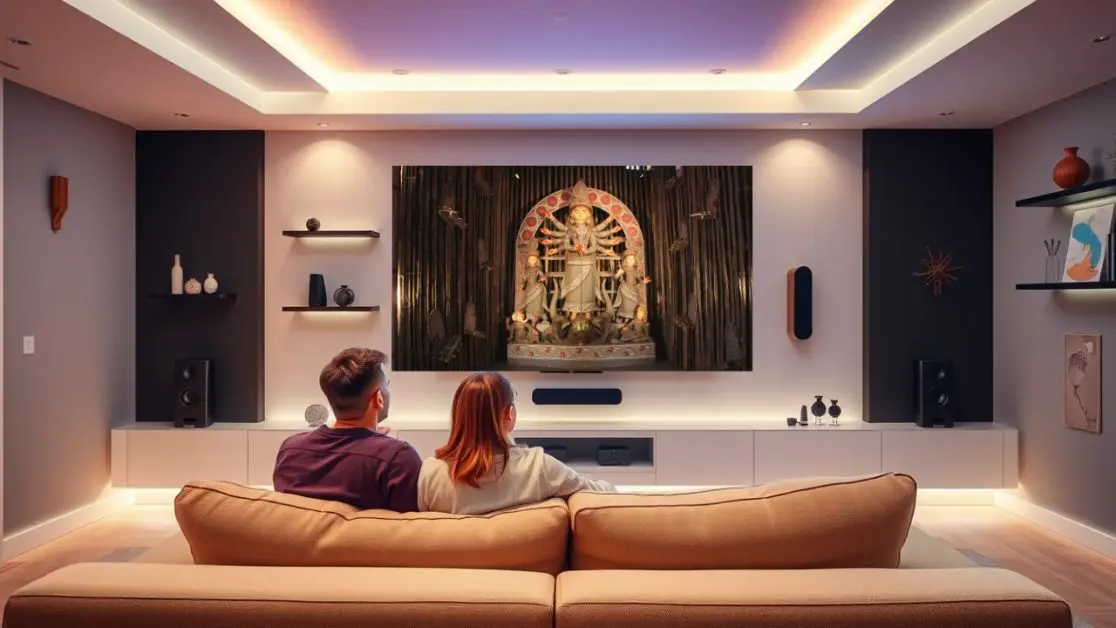
Haier’s OLED 55, 65, and 77-inch TVs come preloaded with exactly these safe features:
- Dolby Vision IQ + HDR10+ – Adaptive, lifelike visuals.
- Dolby Atmos with 2.1 Channel Woofer – Clear sound even at low volume, reducing fatigue.
- Energy Saving Mode – Lower bills, longer TV life.
- Pixel Dimming – Perfect protection for long pandal visuals.
- 120Hz Refresh Rate – Smooth playback of cultural dances.
The implication? You don’t have to choose between devotion and durability.
The Larger Principle
Festivals teach us that joy is not in excess but in balance.
Safe Mode is simply balance applied to technology. Instead of draining power, over-brightening visuals, and tiring your eyes, it allows your TV to sustain the experience.
Because the real goal is not just to watch Puja. It’s to stay present through it without distraction, strain, or worry about wear and tear.
The Takeaway
When households think of extended festive streaming, they often focus on internet speed or channel availability. Rarely do they think about screen safety.
But as our rituals become hybrid half in pandals, half on screens Safe Mode becomes cultural infrastructure. It’s the unsung feature that keeps both the device and the family tuned in.
Festivals end, but memories remain. With Safe Mode, so does the health of your TV.
Final Thought
Safe Mode is less about dimming brightness and more about illuminating endurance.
It ensures that when you stream Durga Puja from Kolkata, Navratri from Gujarat, or Ganesh Visarjan from Mumbai, you’re not just consuming visuals, you’re sustaining them.
That’s the quiet magic of technology designed with rhythm in mind.