
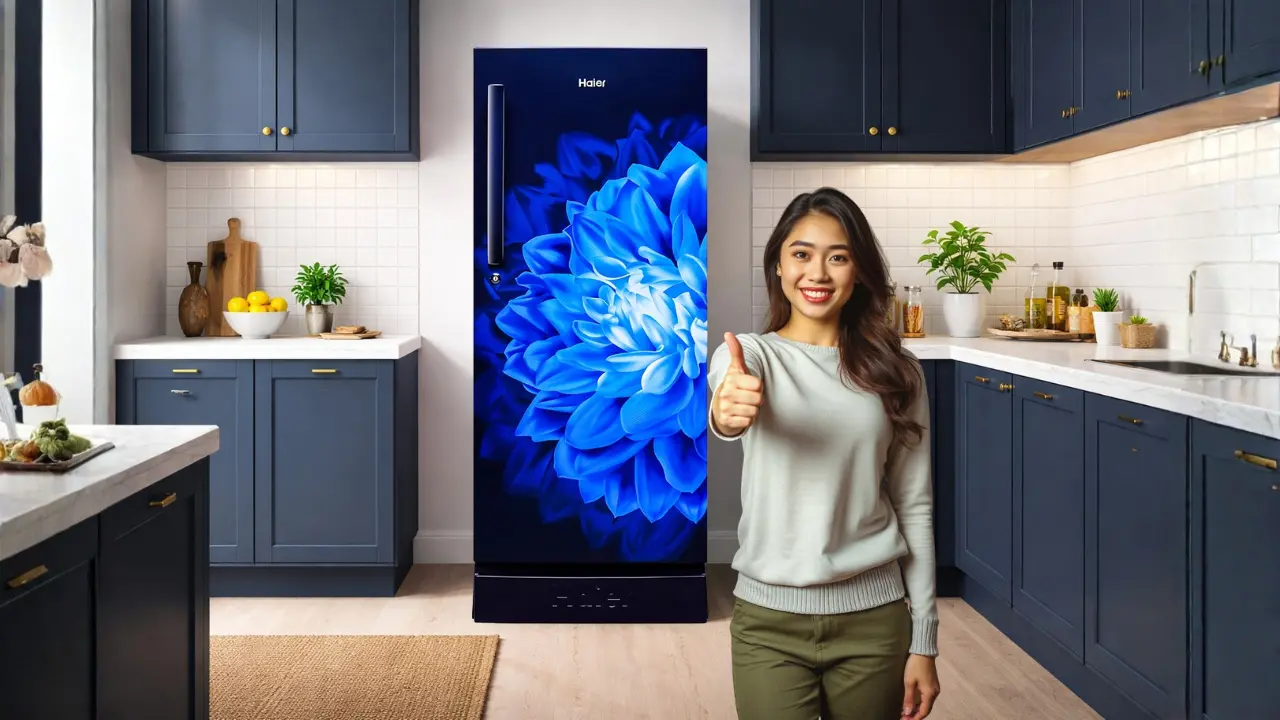

BEE 5-Star Ratings mean lower electricity bills, smarter energy use, and long-term savings.
A BEE 5-Star rating, issued by the Bureau of Energy Efficiency, tells you that an appliance uses significantly less electricity compared to lower-rated models. In simple terms, a 5-star appliance costs less to run every month, reduces power wastage, and supports energy efficiency goals set by the Government of India.
That is the short answer.
Now let us understand what that really means inside a real Indian home.
Why does the BEE star label matter more than we admit?
Picture this.
It is May in Delhi. The AC runs 10 hours a day. The refrigerator works 24 hours. The washing machine runs every alternate day. The electricity bill jumps.
Nobody planned it. But it happens.
According to the Bureau of Energy Efficiency, star ratings help consumers compare the energy consumption of appliances in a standardized way. The difference between a 2-star and a 5-star appliance can mean up to 20 to 30 percent lower electricity usage, depending on the category.
That gap adds up.
A refrigerator runs all year. That means 8,760 hours annually. Even a small efficiency improvement becomes meaningful over time.
Energy efficiency is not about one month. It is about five summers.
And that is where BEE 5-Star ratings become less about labels and more about systems.
What Exactly Is a BEE 5-Star Rating?
The System Behind the Stars
The Bureau of Energy Efficiency, under the Ministry of Power, assigns star ratings from 1 to 5 based on how much electricity an appliance consumes under standard test conditions.
Here is how it works:
- 1 Star: Higher electricity consumption
- 3 Star: Moderate energy efficiency
- 5 Star: Highest energy efficiency in that category
Each product category has its own testing criteria. Refrigerators, air conditioners, washing machines, and water heaters all follow different benchmarks.
For example:
| Appliance Type | Key Metric Measured | What 5-Star Indicates |
| Refrigerator | Annual Energy Consumption (kWh/year) | Lowest yearly power use |
| Air Conditioner | ISEER rating | Superior cooling per unit of electricity |
| Washing Machine | Energy & water efficiency | Optimized wash cycles |
| Water Heater | Heat retention & power draw | Better insulation & lower losses |
These ratings are updated periodically as technology improves. That means a 5-star model today is more efficient than a 5-star model from 10 years ago.
Standards evolve. Efficiency rises.
That is how progress works.
The Hidden Cost of Ignoring Star Ratings
Short-Term Savings vs Long-Term Thinking
When buying an appliance, most households face three options.
One option is to choose the lowest upfront price.
The second option is to choose a mid-range model.
The third option is to choose a BEE 5-Star appliance.
Let us break it down.
Option 1: Lower upfront cost
- Benefit: Immediate savings at purchase
- Cost: Higher electricity bills every month
- Long-term impact: Greater total ownership cost
Option 2: Balanced choice
- Benefit: Moderate pricing
- Cost: Moderate electricity savings
- Long-term impact: Average efficiency
Option 3: 5-Star efficiency
- Benefit: Reduced power consumption year after year
- Cost: Slightly higher upfront investment
- Long-term impact: Lower overall lifecycle expense
According to government estimates, choosing higher-rated appliances can reduce household electricity consumption significantly over time.
Cheap today can be expensive tomorrow.
That principle applies in business. It applies in homes.
Why 5-Star Matters in Indian Conditions
India is not a mild-weather country.
Summers cross 45°C in many cities. Power fluctuations are common. Refrigerators run non-stop. AC usage peaks.
In such conditions, efficiency is not a luxury. It is survival.
Take refrigerators.
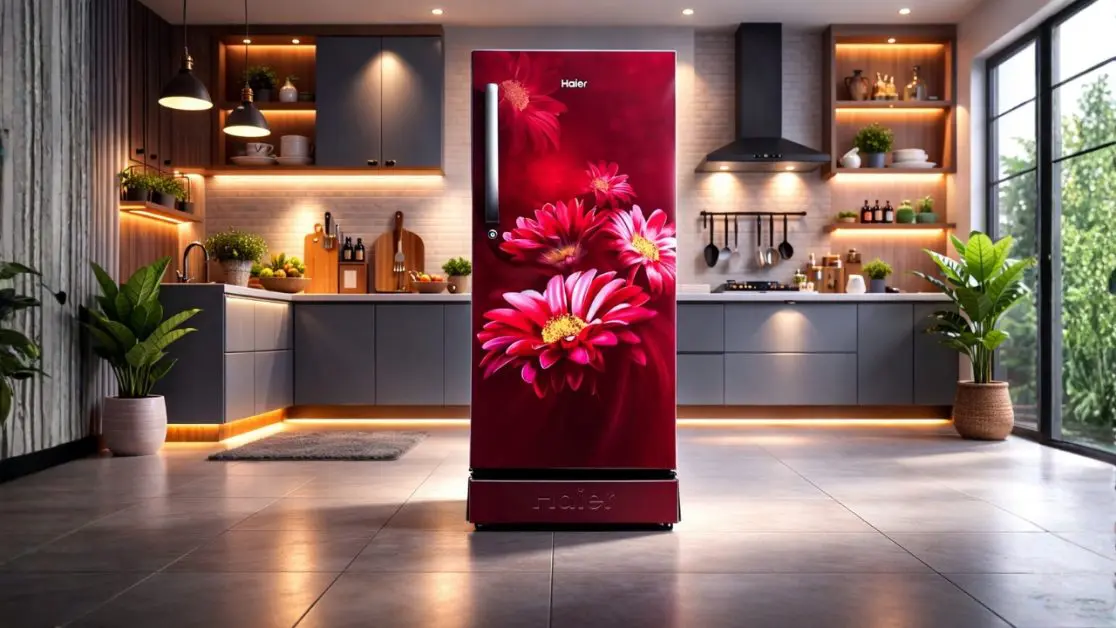
A model like the Haier 215L 5 Star Direct Cool Fridge With Base Drawer (HRD-2355PMD-P) combines a 5-star rating with features designed for Indian homes, including stabilizer-free operation and inverter compressor technology.
What does that mean practically?
- Stabilizer-free operation protects against voltage fluctuations
- Inverter compressor adjusts power intelligently
- Direct Cool system optimizes cooling cycles
- Auto-connect home inverter keeps food safe during outages
This is not just about a star label. It is about designing for real-world conditions.
Efficiency works best when it understands context.
Does 5-Star Always Mean Best for Everyone?
The Honest Answer
Not always.
Here are three scenarios.
1. Short-term rental living
If you plan to move within a year, upfront cost may matter more than long-term efficiency.
2. Low-usage households
If the appliance runs rarely, energy savings may not be dramatic.
3. High-usage family homes
If the refrigerator runs full, AC runs long hours, and washing happens daily, 5-star makes strong financial sense.
According to India’s Ministry of Power, energy-efficient appliances can significantly reduce peak load demand nationwide. That means fewer blackouts and lower strain on infrastructure.
When individual choices scale, systems change.
Your fridge does not just cool food. It participates in the national grid.
Breaking Down the Numbers Simply

Let us simplify with a practical example.
Imagine:
- A 2-star refrigerator consumes 350 kWh per year
- A 5-star refrigerator consumes 250 kWh per year
Difference: 100 kWh annually
If electricity costs ₹8 per unit, that is ₹800 saved per year.
Over 10 years, that becomes ₹8,000.
That difference often covers the price gap.
Multiply that logic across ACs, water heaters, washing machines.
Efficiency compounds.
How to Read a BEE Label Without Overthinking It
What to Look For on the Sticker
A typical BEE label includes:
- Star rating graphic
- Annual energy consumption (kWh/year)
- Brand and model number
- Label validity year
Do not just count stars.
Look at the annual consumption figure.
Two 5-star appliances can still differ slightly in consumption. Choose the lower number when possible.
Precision beats assumption.
Energy Efficiency Is a Lifestyle Signal
We rarely talk about this.
But appliance choices signal mindset.
Choosing BEE 5-Star appliances reflects:
- Long-term thinking
- Environmental awareness
- Cost discipline
- System-level awareness
It is similar to investing.
Short-term returns feel good. Long-term strategy builds stability.
Homes function the same way.
How Haier Fits Into This Conversation
Haier’s focus on inverter compressors, stabilizer-free operation, and intelligent cooling aligns with BEE’s energy-efficiency benchmarks.
For instance, the Haier 215L 5 Star Direct Cool Fridge With Base Drawer integrates:
- 1 Hour Icing Technology
- Heavy Duty efficient compressor
- Connect Home Inverter feature
- Toughened glass shelves for Indian cookware
These features work together as a system.
Efficiency is rarely one feature. It is layered engineering.
That layered thinking defines modern appliances.
The Bigger Picture: Energy Ratings and the Future of Indian Homes
India’s electricity demand is growing fast. Urbanization increases load. Climate change intensifies heat waves.
The Bureau of Energy Efficiency exists for a reason.
When millions of homes shift toward 5-star appliances, peak demand reduces. Carbon emissions reduce. Household budgets stabilize.
Individual discipline creates collective stability.
That is the invisible system behind the sticker.
So, Should You Always Choose 5-Star?
Here is a simple decision framework:
- If the appliance runs daily and long hours, choose 5-star.
- If electricity cost matters to your monthly budget, choose 5-star.
- If you plan to use the product for 5 to 10 years, choose 5-star.
- If usage is minimal or temporary, evaluate cost-benefit carefully.
The key is alignment.
Not every choice is about the highest rating. It is about the right rating for your lifestyle.
The Insight Most People Miss
A BEE 5-Star rating is not about perfection.
It is about optimization.
It tells you that within defined constraints, this appliance uses energy more intelligently.
And that idea scales.
Homes that think long-term operate differently. They feel calmer. Bills surprise less. Decisions feel intentional.
Energy efficiency is quiet discipline in action.
Next time you see that red star label, do not treat it as decoration.
It is a signal.
A signal that small choices, repeated daily, shape the future of your home.
And sometimes, that is exactly what we need.
Frequently Asked Questions
I’m confused between a cheaper 2-star fridge and a 5-star model. Am I really saving money by choosing the 5-star one?
Yes if you plan to use it for years. A 5-star model can use 20–30% less electricity. Over 8–10 years, the lower bills often recover the higher upfront cost.
My budget is tight right now. Should I prioritize upfront savings or long-term electricity savings?
If cash flow is the immediate concern, you may choose mid-range. But if you can stretch slightly, 5-star usually reduces total ownership cost over time.
Is the price difference between 3-star and 5-star actually worth it?
For appliances that run daily (AC, refrigerator), yes. For rarely used appliances, the savings may be marginal.
I plan to move cities in a year. Does buying a 5-star appliance still make sense?
Maybe not. If usage duration is short, you may not fully recover the cost difference.
How do I calculate whether the 5-star premium is justified for my household usage?
Compare annual kWh consumption on the label. Multiply the difference by your electricity rate and expected years of use.
My fridge runs 24/7 in peak Delhi summer. Does 5-star really make a noticeable difference?
Yes. Since refrigerators run 8,760 hours a year, even small efficiency gains compound significantly.
I left my AC running 10 hours daily last May. Would a 5-star AC reduce my bill meaningfully?
Yes. Higher ISEER ratings mean better cooling per unit of electricity. Over long summers, savings are visible.
Voltage fluctuations are common in my area. Does star rating help with that?
Star rating measures energy efficiency, not voltage protection. But many 5-star models (like inverter-based ones) often include stabilizer-free operation.
If my washing machine runs every alternate day, will I feel the difference?
Yes, but savings will be moderate compared to refrigerators and ACs.
Is energy efficiency still important if power cuts are frequent in my city?
Yes. Efficient appliances reduce load when electricity is available and often integrate inverter-friendly features.