
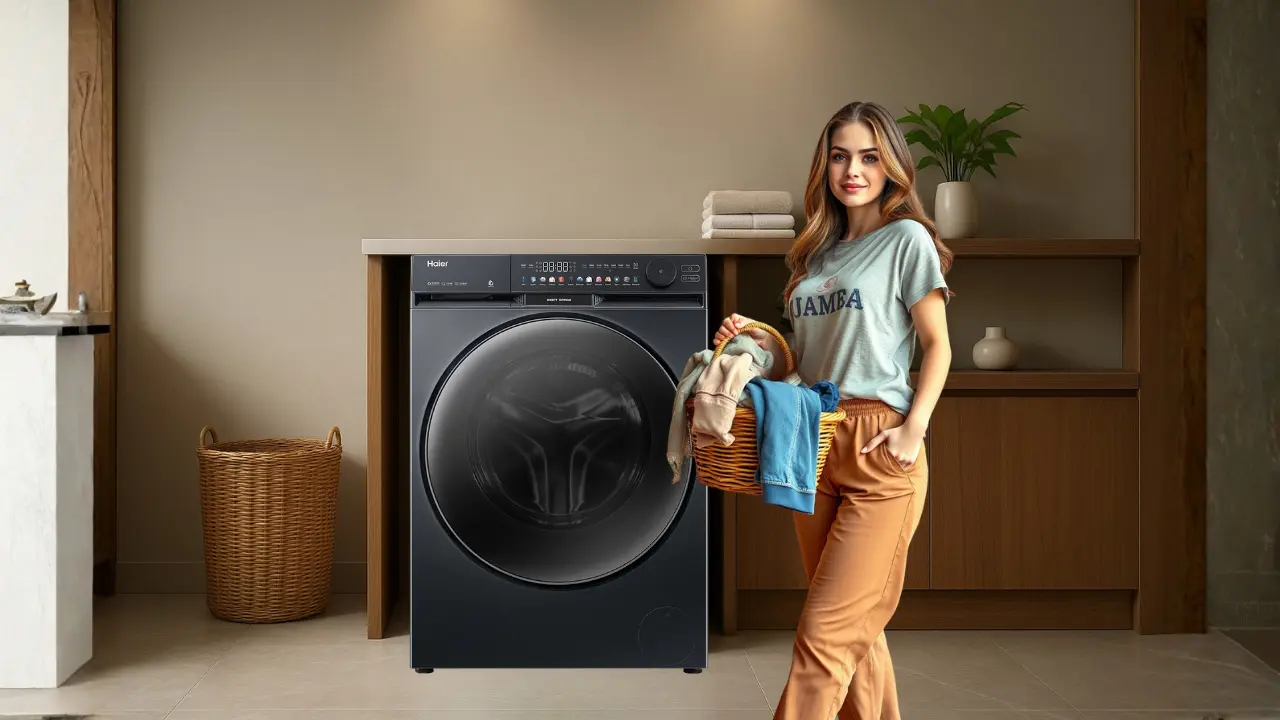

When rains retreat, habits shift.
In Bhopal this monsoon, storm after storm left balconies dripping, clotheslines sagging, and laundry routines in chaos. Families delayed wash days. Young professionals stacked clothes in corners of tiny flats. Parents worried about damp smells settling into uniforms and office wear.
And then, the skies cleared.
Suddenly, routines weren’t just restored they were reinvented. Urbanites didn’t simply go back to old washing habits; they rewired them for a new season.
What changes when the clouds move away?
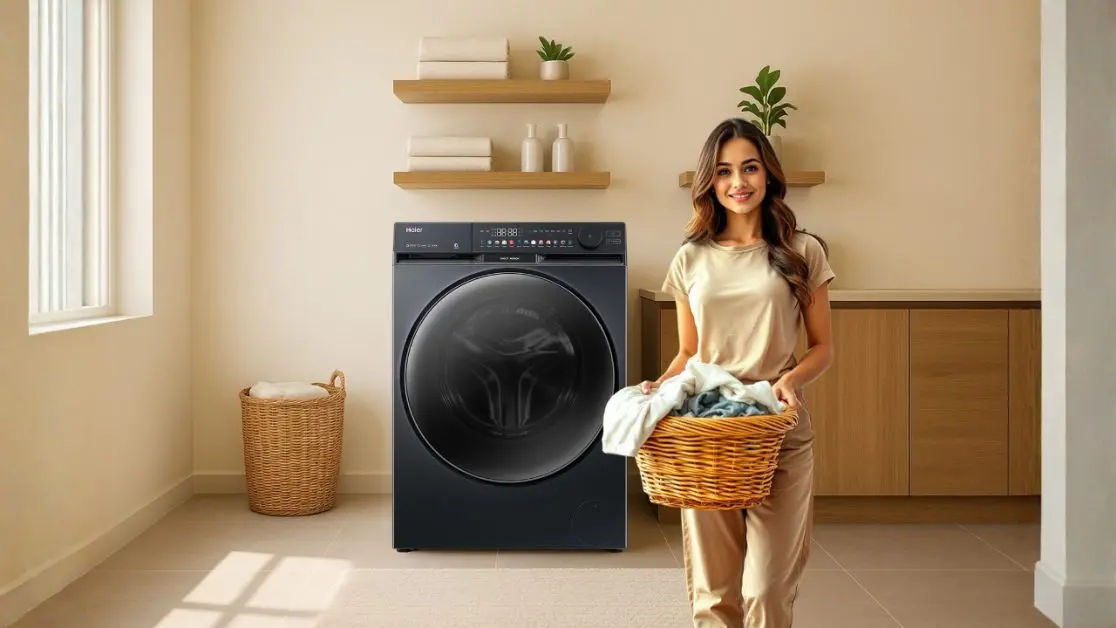
It’s easy to think laundry is just about water and detergent. But it’s about timing, energy, and space.
During heavy rains, people in apartments resort to quick washes and longer indoor drying times. After the storms, three invisible shifts happen:
1. Time resets – Families can wash in bulk again, knowing sunlight will do half the work.
2. Fabric priorities change – Heavier items like duvets and jeans re-enter the cycle.
3. Technology gets re-evaluated – Machines that save time, energy, and sanity suddenly look less like luxuries and more like essentials.
The Bhopal backdrop
Urban India’s middle class faces a unique dilemma every monsoon. On one side, there’s tradition: airing clothes under the ceiling fan, spraying room freshener to hide damp odors. On the other, there’s modernity: smart washing machines with steam cycles that refresh clothes without a full wash.
Bhopal households, squeezed between storm disruptions and the desire for efficiency, started leaning towards the latter. And once the rain stopped, that leaning became a lifestyle.
The rise of smarter laundry
Here’s what we saw post-monsoon:
- Millennials in tech parks shifting to “Quick 15” wash cycles before office hours.
- Parents choosing allergy-care programs for school uniforms to fight the damp-season residue.
- Singles living alone embracing app-controlled washes that could start while they were stuck in traffic.
Machines like Haier’s Super Drum range began fitting seamlessly into this rhythm. With Direct Motion Motors that stay whisper-quiet even in small apartments, and Refresh cycles that steam-clean clothes between wears, the washer transformed from appliance to ally.
Why routines actually stuck
The switch wasn’t temporary. It stuck because of four systemic benefits:
1. Consistency – No waiting for the sun. Smart cycles handle freshness on demand.
2. Cost savings – 5-star energy ratings mean electricity bills didn’t spike even with more frequent washes.
3. Convenience – Bigger drum sizes (up to 11kg) meant fewer loads, freeing up evenings for family time.
4. Control – The Hai Smart App gave users the confidence of remote scheduling, something deeply valued in unpredictable urban days.
From dampness to discipline
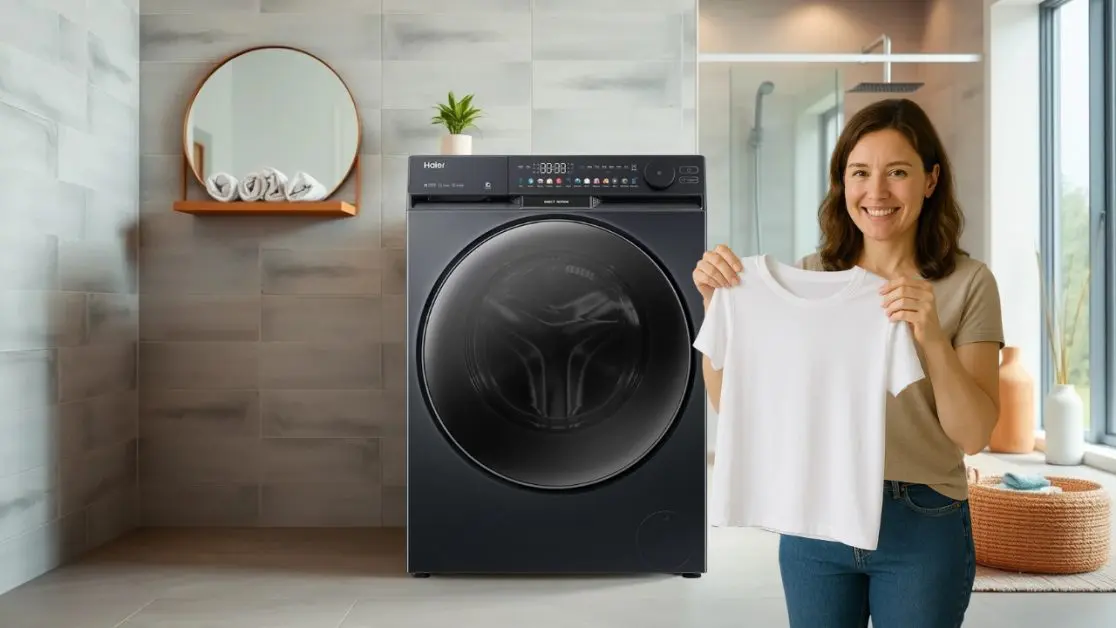
One Bhopal family we observed, the Sharmas, used to juggle weekend washing marathons. Damp monsoon months left them exhausted, with piles of clothes half-dry on plastic chairs.
Post-storm, their new machine’s Pillow Drum design treated bedding and uniforms gently but thoroughly. The difference wasn’t just cleaner clothes. It was a calmer weekend.
What this teaches us about urban living
- Constraints shape creativity. Monsoon rains forced people to rethink the “when” and “how” of laundry.
- Technology fills seasonal gaps. Once families experienced steam refresh cycles or child-lock safety during storm season, they didn’t step back.
- Habits outlast weather. Even when skies cleared, the convenience of smarter routines proved addictive.
The bigger picture
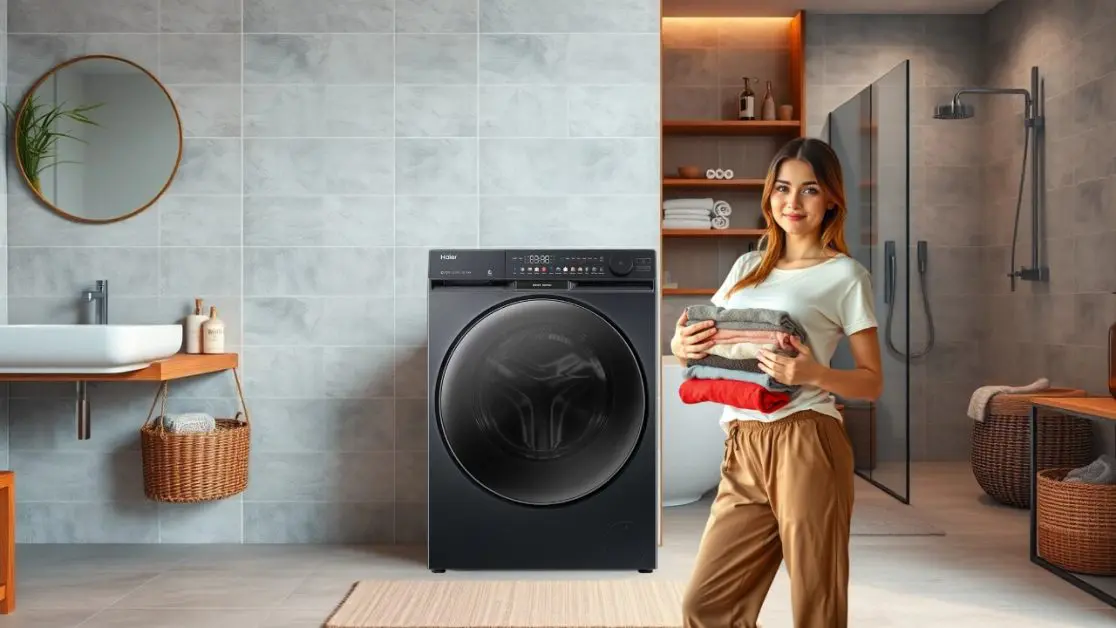
Laundry is never just laundry. It’s about how urban India manages time, energy, and mental load.
Bhopal’s storm-to-sun transition reveals something profound
Once a family discovers a smarter system, they rarely return to the old way. The direct motion motor becomes as crucial as the fridge’s cooling zone or the AC’s energy-saving mode. It’s no longer about owning an appliance, it’s about buying back headspace.
Final thought
Weather disrupts habits. Technology rewires them.
And in Indian cities, where storms remind us of our limitations, and clear skies remind us of our possibilities, the humble washing machine now sits at the centre of daily resilience.
Not because it washes clothes.
Because it helps families reclaim rhythm.