
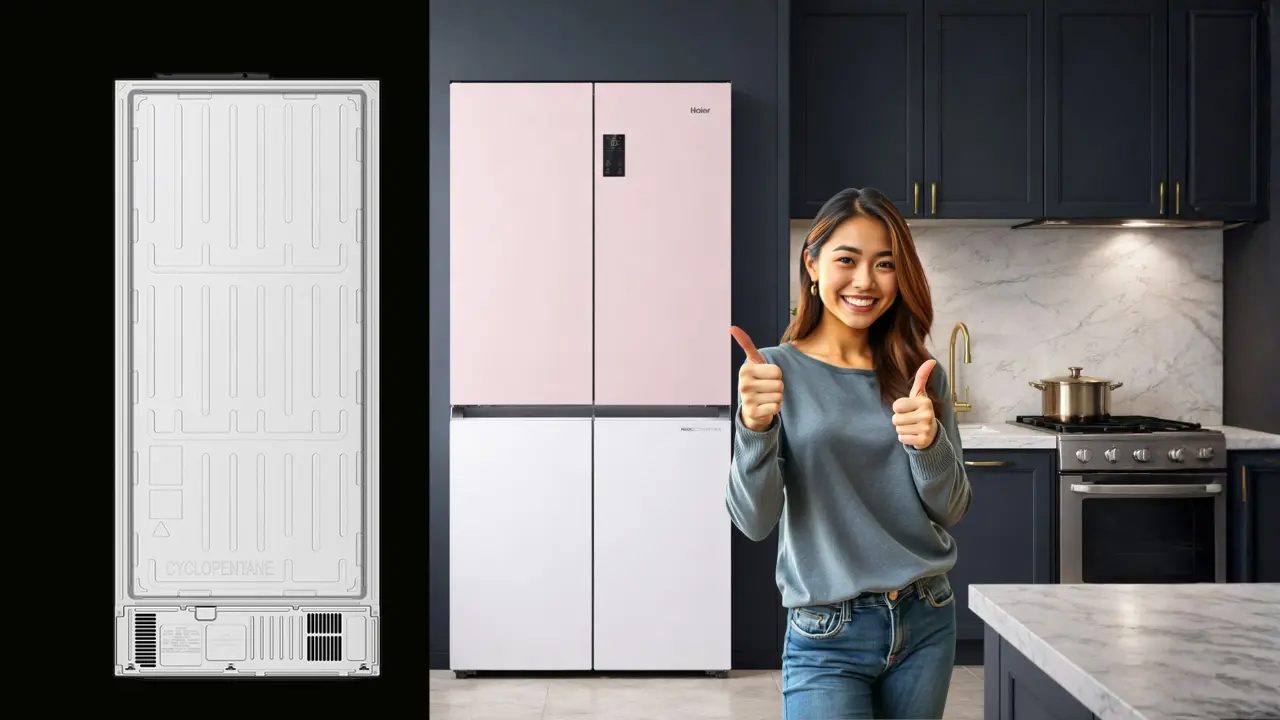

Back design in home appliances matters because it affects airflow, safety, durability, installation flexibility, and long term efficiency.
A well engineered back panel helps heat escape, protects internal components, reduces dust buildup, and allows appliances to fit neatly into modern homes. Good design hides complexity while improving everyday reliability.
That is the technical explanation.
The real story begins somewhere much more ordinary.
Inside a kitchen.
Or beside a wall in the living room.
The moment nobody thinks about.
You move into a new home.
A refrigerator arrives. The delivery team slides it into place. The doors open smoothly. The color matches the cabinets.
Everything looks perfect.
Then someone says something practical.
“Leave some space behind it.”
That sentence reveals a quiet truth.
Most appliances do not only live in front of you.
They also live behind the wall line.
And the back of an appliance often decides how well the front performs.
The front creates the experience.
The back protects the system.
Design works like that in many parts of life.
A theater audience sees the stage.
But the performance only works because of the lighting rigs, cables, and machinery behind the curtain.
Appliances follow the same principle.
The visible surface attracts attention.
The hidden structure ensures reliability.
The invisible engineering behind appliances
Why the back panel is a critical design system
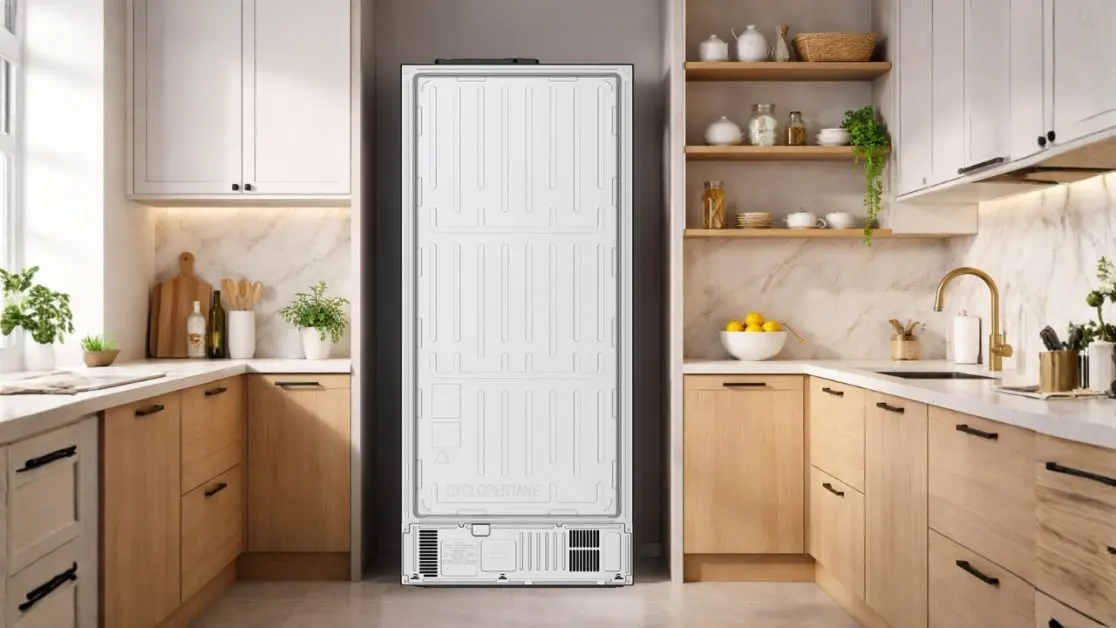
Look at any refrigerator, washing machine, or air conditioner closely.
The back panel is not empty.
It houses the operational ecosystem.
- compressors
- ventilation channels
- electrical components
- cooling coils
- insulation layers
- wiring systems
All of these elements generate heat.
And heat is the silent enemy of appliance efficiency.
When airflow is restricted, appliances work harder.
Harder work means higher electricity consumption.
According to energy efficiency research from the International Energy Agency, poor ventilation around refrigeration systems can increase power usage by up to 15 percent.
So the back design performs three essential roles.
| Function | What it does | Why it matters |
| Heat Dissipation | Allows heat from compressors and motors to escape | Improves energy efficiency |
| Component Protection | Shields internal systems from dust and damage | Extends appliance life |
| Installation Clearance | Maintains safe distance from walls | Prevents overheating |
A good appliance design hides these technical decisions.
But they quietly shape everyday performance.
Modern homes have changed appliance placement
Space constraints are redefining design priorities
Walk into a modern Indian apartment.
Space tells its own story.
Kitchens are more compact.
Laundry areas are narrower.
Wall niches are carefully measured.
In many homes, appliances sit almost flush against walls or cabinets.
That is why back design has evolved dramatically in recent years.
Older appliances required large gaps behind them.
Newer systems use smarter airflow engineering.
Some manufacturers redesign condenser placement.
Others reshape ventilation paths.
The goal remains simple.
More performance in less space.
This shift becomes even more visible in modern refrigerators.
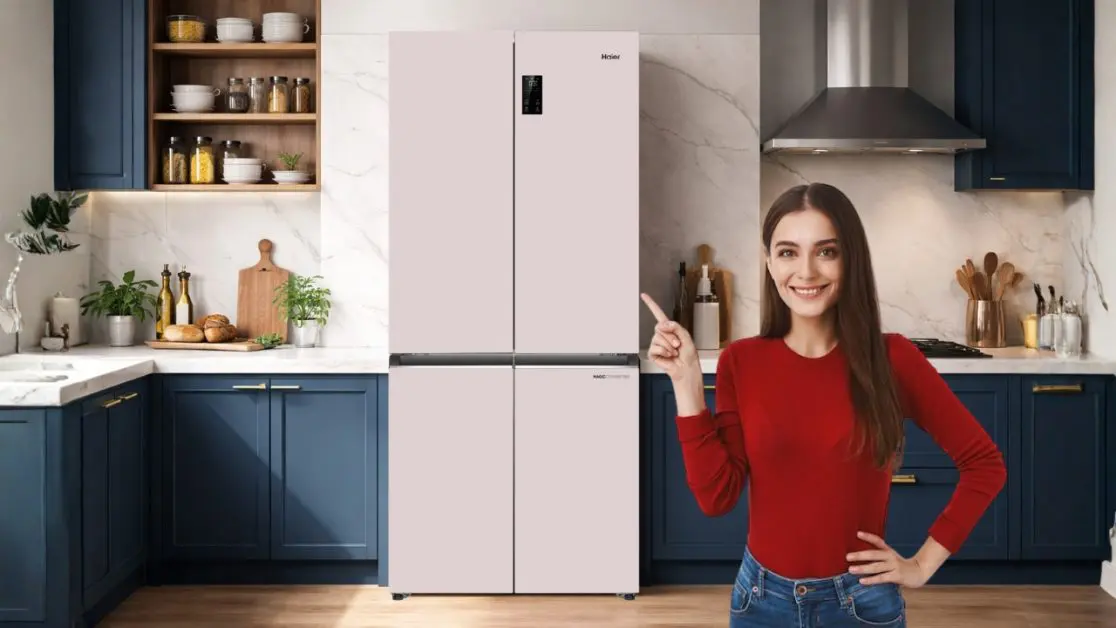
For example, appliances like the Haier Lumiere series integrate advanced cooling systems with optimized internal airflow so the appliance maintains consistent cooling without requiring excessive external clearance.
In simpler words.
The appliance becomes smarter about how it breathes.
Cooling systems depend on airflow
Why ventilation design matters for refrigerators
Refrigerators work by moving heat.
Not removing it.
Moving it.
Inside the fridge, cold air circulates to preserve food.
But the heat extracted from that process must escape somewhere.
That escape route often sits at the back.
Advanced refrigerator systems now use technologies like 360 degree cooling airflow to maintain consistent temperatures across shelves.
The internal system cools food evenly.
The external structure releases excess heat efficiently.
Both sides work together.
Think of it like breathing.
You inhale oxygen.
You exhale carbon dioxide.
Cooling systems behave similarly.
Airflow in.
Heat out.
The back panel becomes the lungs of the appliance.
Three hidden decisions designers make
Every appliance back design solves the same puzzle
Appliance engineers face three choices when designing the rear structure.
Each option has trade offs.
Option 1: Traditional exposed systems
This design leaves compressors and coils visible.
Benefits:
- easier repairs
- better heat release
- lower manufacturing cost
Costs:
- dust accumulation
- more noise
- less aesthetic appeal
This design dominated appliances for decades.
But modern homes expect cleaner lines.
Option 2: Semi enclosed back design
Some appliances partially shield internal components.
Benefits:
- improved safety
- better airflow management
- reduced dust entry
Costs:
- slightly more complex manufacturing
- limited repair access
Many modern refrigerators use this approach.
It balances performance with practicality.
Option 3: Fully integrated airflow systems
This is the newest design philosophy.
Airflow channels move internally.
Vent paths redirect heat through controlled openings.
Benefits:
- cleaner installation
- quieter operation
- improved energy efficiency
Costs:
- higher engineering complexity
- tighter manufacturing tolerances
This approach reflects a broader shift.
Appliances are becoming architectural elements.
Not just machines.
Back design also affects safety
Why stability and load distribution matter
Home appliances often carry significant weight.
A fully loaded refrigerator can exceed 120 kilograms.
When doors open repeatedly, weight shifts forward.
That movement creates pressure on hinges, shelves, and racks.
Good design prevents instability.
For example, modern refrigerators often incorporate anti tipping door racks and reinforced shelving systems to handle heavy utensils and containers common in Indian kitchens.
Why does this matter?
Because Indian households store differently.
Steel containers.
Large cooking vessels.
Bulk grocery storage.
Designing appliances for these habits requires structural reinforcement.
And the support framework usually begins at the back panel.
The unseen structure distributes weight across the entire appliance body.
Invisible engineering.
Visible stability.
Dust, humidity, and Indian homes
Environmental design is not optional
Homes in India experience very different environmental conditions compared to many global markets.
- higher humidity during monsoons
- airborne dust in urban areas
- kitchen heat from cooking
- voltage fluctuations in older buildings
Appliance backs must adapt.
Poor sealing allows dust to enter motors.
Moisture can affect wiring systems.
Modern appliances therefore include protective layers and insulated back panels to guard internal components.
The benefit appears over time.
Machines last longer.
Maintenance reduces.
And reliability improves quietly in the background.
A simple test anyone can do
Stand behind any appliance in your home.
Look carefully.
You will notice something interesting.
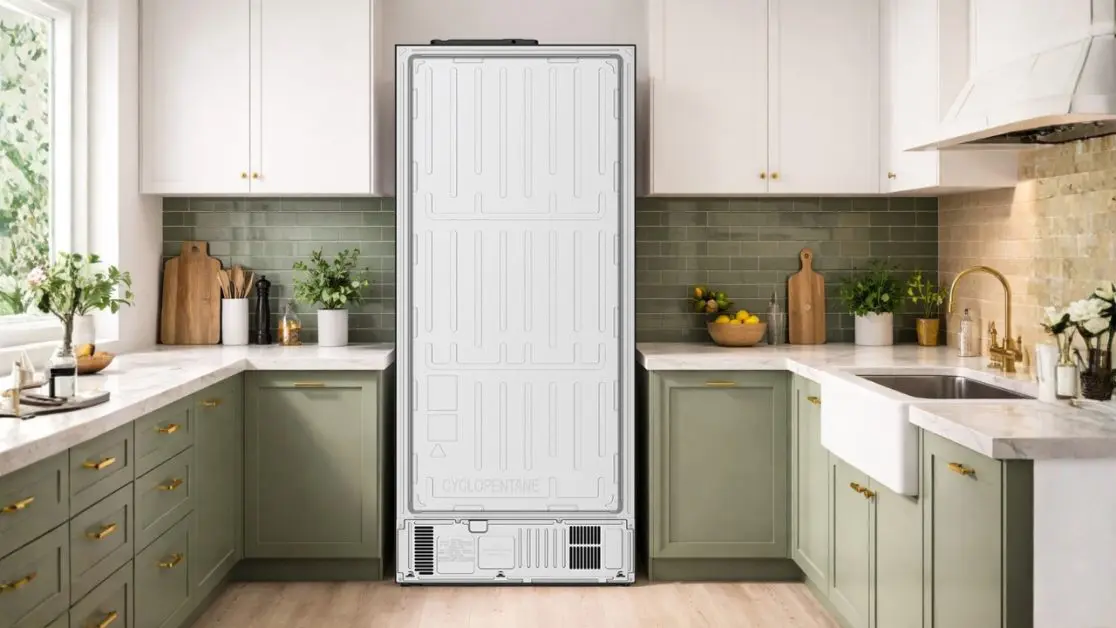
The back is rarely flat.
There are vents.
Structural ridges.
Panel layers.
Air channels.
None of this is accidental.
Designers build these shapes deliberately.
They guide airflow.
Strengthen the body.
Reduce vibration.
A flat panel would look simpler.
But it would perform worse.
Engineering rarely prioritizes appearance over physics.
What buyers rarely ask but should
When people shop for appliances, the conversation usually focuses on visible features.
Capacity.
Color.
Smart controls.
Energy ratings.
All important.
But there is another dimension worth noticing.
Structural design.
Here are three quiet questions worth asking.
- How does the appliance manage airflow behind the unit?
- Does the design allow stable installation in smaller spaces?
- How well are internal components protected from dust and moisture?
The answers reveal how thoughtfully the product was engineered.
Good appliances simplify life.
Great appliances solve problems you never notice.
The deeper lesson about design
Most people judge appliances by what they see.
But design works best when the most important decisions remain invisible.
The back panel represents that philosophy.
It carries the hidden systems that support everyday comfort.
Cooling performance.
Energy efficiency.
Safety.
Durability.
Everything depends on it.
You rarely admire the back of a refrigerator.
But it quietly determines how fresh your food stays.
And that leads to a broader truth.
Good design attracts attention.
Great design removes friction from life.
In homes where appliances work smoothly, life feels easier.
Dinner preparation runs faster.
Laundry becomes predictable.
The kitchen stays organized.
Behind many of those small daily conveniences sits a structure nobody talks about.
The back of the machine.
Quiet.
Engineered.
Essential.
And that is why back design matters far more than it appears.
Frequently Asked Questions
Do I really need to care about the back design of an appliance when buying?
Yes. It directly affects energy use, lifespan, and how well the appliance fits your space.
Why do salespeople always tell me to leave space behind appliances?
Because airflow is critical. Without it, heat builds up and reduces efficiency.
I only looked at color and size. Did I miss something important?
Possibly. Structural design (especially airflow and protection) impacts long-term performance more than aesthetics.
Why do newer appliances need less space behind them?
They use smarter internal airflow and redesigned condenser systems.
What is “360-degree cooling” and does it relate to back design?
Yes. Internal airflow systems work alongside external heat dissipation for efficiency.
Are modern appliances safer than older ones?
Generally yes better insulation, airflow control, and structural stability.
My fridge is overheating. Could wall placement be the reason?
Yes. Lack of clearance restricts heat escape.
Why does my appliance vibrate or feel unstable?
Poor weight distribution or uneven support often linked to structural design.