
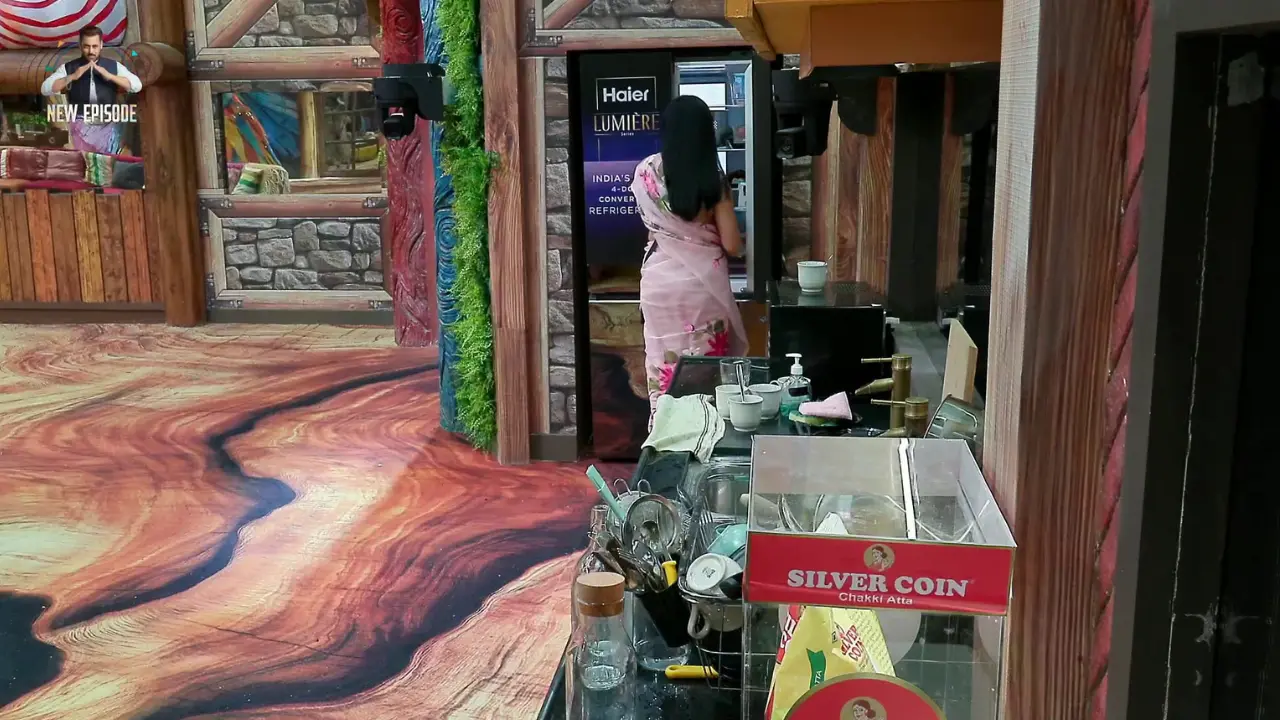

People keep going to the fridge not just for food, but for comfort, clarity, and connection.
In homes (and on shows like Bigg Boss), the refrigerator doubles as a stage for emotions, a quiet escape, and even a family bulletin board.
It’s less about hunger, more about habit, memory, and meaning.
The fridge is never just a fridge
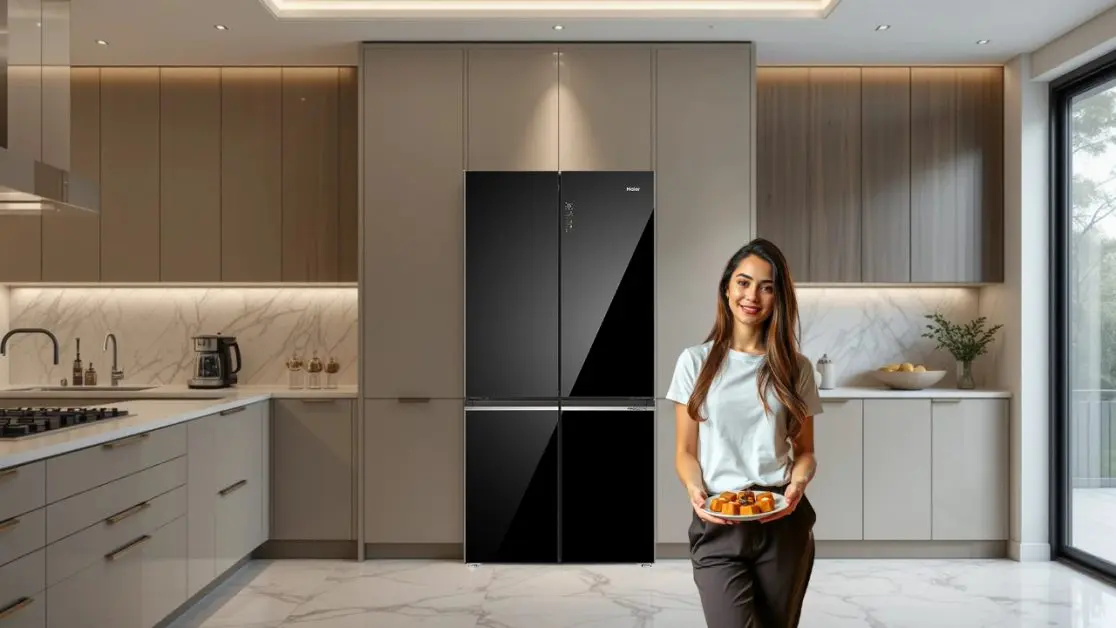
Think about the last time you opened your fridge.
Were you really hungry? Or just restless?
For most people, the refrigerator is not just an appliance. It’s a pause button. A place to gather your thoughts while staring at half-cut mangoes, leftover biryani, or a forgotten chocolate bar. In the chaos of daily life, the act of opening the fridge feels like reclaiming a small corner of order.
Reality TV shows like Bigg Boss capture this truth in high definition. Contestants aren’t always going there for snacks. They go because the fridge is neutral territory. Unlike the couch, which sparks group debates, or the garden, which hosts alliances, the fridge offers something else an excuse to breathe.
The psychology of “fridge visits”
Why do we keep circling back? Psychologists point to three reasons:
1. Comfort-seeking – Cold air, familiar smells, and that soft LED glow mimic a ritual of reassurance.
2. Decision-making space – Opening the fridge becomes a physical metaphor for searching options, not just for meals but for clarity.
3. Micro-breaks – In fast-paced environments, even five seconds at the fridge door feels like a mental reset.
In other words, the fridge is less about food and more about framing. It frames a moment of calm.
From Bigg Boss house to your 2BHK

What happens inside the Bigg Boss house mirrors our homes in smaller ways.
- Teenagers stand with the door open, pretending to look for juice, when they’re actually escaping a family argument.
- Parents lean in at midnight, not just for milk but for a slice of quiet in a house that never rests.
- Couples find their shared rhythm here arguing over shelf space, laughing about forgotten leftovers, or planning the next grocery run.
The fridge becomes a mirror of family dynamics. Who opens it, when, and for what often says more than words.
Technology changes the meaning of the fridge
Modern refrigerators are not silent bystanders anymore. They shape behavior.
Take the Haier Lumiere Series for instance:
- Smart Sense AI adjusts cooling based on usage, almost like it understands your late-night cravings.
- Convertible fridge space lets families reconfigure storage before festivals, when fresh mithai takes precedence over frozen peas.
- Sun Lit Interiors with 2×2 ft LED panels don’t just illuminate food, they illuminate moments making it easier to see what’s there and what’s missing.
Suddenly, opening the fridge isn’t just about staring into the void. It’s about being guided. Technology turns idle staring into purposeful action.
So why do contestants keep going back?
Because the fridge is the one place that doesn’t judge.
It doesn’t pick sides.
It doesn’t interrupt.
It doesn’t argue back.
Instead, it offers three things that every human craves:
- Predictability – You know what’s inside, even if you still look twice.
- Possibility – A new snack combination, a glass of cold water, or even just inspiration.
- Privacy – A door that literally shields your face for a moment.
In a house where cameras catch every emotion, that fleeting privacy is priceless.
What this teaches us about our own lives

The fridge is a system, and like any system, it reveals patterns:
- Excessive visits = emotional unrest. When we keep checking the fridge without reason, we’re often looking for control elsewhere.
- Shared shelves = silent negotiations. Who gets the top shelf? Who sneaks in the desert? Household power plays live here.
- Upgrades = lifestyle shifts. Moving from a single-door to a 4-door convertible isn’t just about capacity. It reflects how families evolve from storing quick snacks to hosting elaborate spreads.
The patterns inside the fridge mirror the patterns inside the home.
The fridge as cultural symbol
In India, the fridge has quietly become more than utility:
- During festivals, it safeguards the motichoor laddoos until guests arrive.
- During cricket nights, it’s the source of endless cold drinks and midnight pakora storage.
- During summers, it becomes the oasis everyone flocks to after stepping in from 42-degree heat
The fridge isn’t just keeping food fresh. It’s keeping traditions, moods, and relationships intact.
The hidden system of freshness
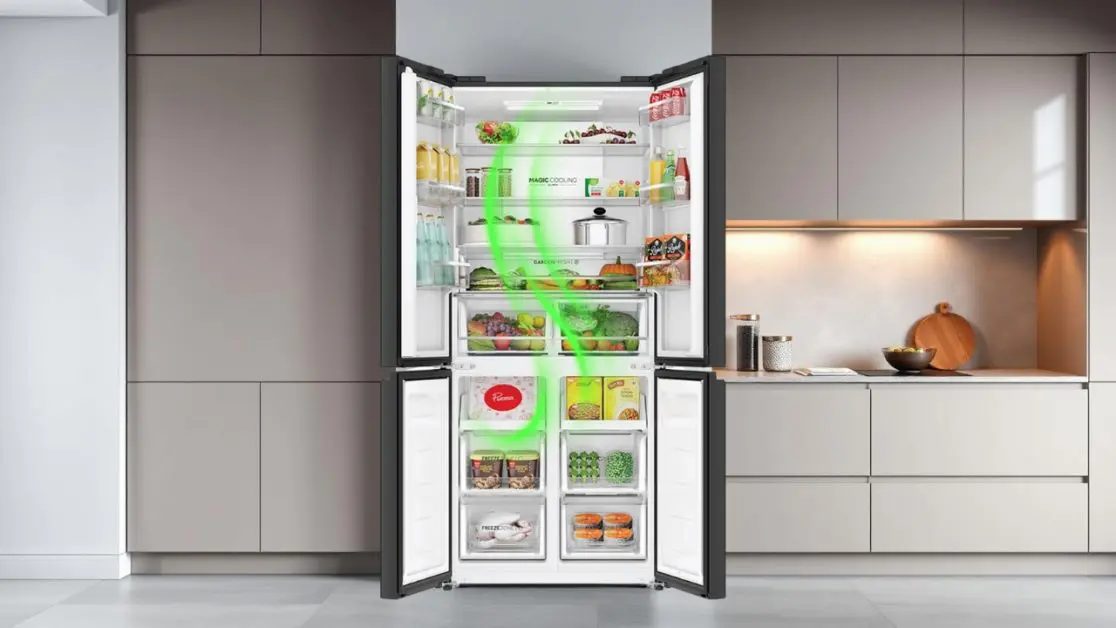
There’s a reason people trust modern refrigerators with more than storage. Features like:
- ABT pro Technology to absorb odours and keep produce crisp
- Toughened glass shelves to handle heavy Indian utensils
- My Zone compartments to preserve delicacies without compromise
aren’t just technical upgrades. They’re cultural answers. They respond to how Indian households actually live, cook, and argue.
The bigger implication
When people keep going to the fridge whether in a reality show or your home they’re telling us something profound.
The fridge has become a symbol of pause, possibility, and presence.
- A pause from arguments.
- A possibility for discovery.
- A presence that anchors daily life.
And when technology like Lumiere Series respects this emotional role, not just the functional one, it transforms the humble fridge into something else entirely: a quiet companion.
Final thought
Here’s the truth, people don’t keep opening the fridge because they’re always hungry. They open it because it represents hope.
Hope that there’s something good waiting.
I hope that life is a little more organized than it feels.
Hope that fresh beginnings can be found, even in last night’s leftovers.
That’s why contestants keep going to the fridge. And that’s why we do too.