


The Shift Is Natural: As Winter Ends, Indian Kitchens Move From Rich Comfort Foods to Fresh, Lighter March Meals
As winter fades and March arrives, Indian households naturally shift from heavy comfort food to lighter, fresher meals.
Rich gravies and buttery parathas slowly make space for vegetable bowls, grilled snacks, and quick seasonal dishes.
The change is not about restriction. It is about rhythm. Warmer days call for food that feels lighter, cooks faster, and keeps the body energized.
This seasonal transition has always existed in Indian kitchens.
What has changed today is how modern kitchens make that shift easier.
Why Our Bodies Start Preferring Lighter Meals in March
Think about a typical winter dinner.
Dal makhani is slow cooking on the stove.
Gajar ka halwa simmering in milk and ghee.
Hot parathas coming straight from the tawa.
Winter meals are rich because the season demands warmth and energy.
But March introduces a new balance.
Days become warmer. Sunlight lasts longer. The body begins craving freshness rather than heaviness.
According to the Indian Council of Medical Research, lighter meals rich in vegetables, grains, and hydration help maintain energy levels as temperatures rise.
The shift is not simply cultural.
It is physiological.
What Changes Inside the Kitchen
By early March, the cooking pattern inside many Indian homes begins to change.
| Winter Cooking Style | March Cooking Style |
| Long simmering gravies | Quick sautéed vegetables |
| Butter rich breads | Light rotis and rice bowls |
| Deep fried snacks | Grilled or air fried options |
| Dense desserts | Fruit based sweets |
The difference is subtle.
But it transforms everyday meals.
Seasonal Produce Drives the Transition
Step into a vegetable market in March and you will see the shift instantly.
Fresh cucumbers stacked beside green beans.
Tender gourds replacing root vegetables.
Bright coriander and mint fill the air with fragrance.
Seasonal produce guides the menu.
And fresh ingredients naturally lead to lighter cooking.
Three Simple March Meal Patterns
Most households follow a combination of these three patterns as winter fades.
1. Fresh and Fast Meals
These meals depend on minimal cooking and maximum freshness.
Examples include:
- Vegetable poha with peanuts and lemon
- Sprouts salad with cucumber and tomatoes
- Paneer vegetable wraps
- Lemon rice with roasted peanuts
Fresh ingredients reduce cooking time while keeping meals nutritious.
2. Light Comfort Meals
Comfort food does not disappear in March. It simply becomes lighter.
Common examples include:
- Lauki sabzi with roti
- Vegetable dal with steamed rice
- Vegetable khichdi with yogurt
- Idli with coconut chutney
These meals feel familiar yet refreshing.
3. Smart Snack Alternatives
Even evening snacks begin to change.
Instead of deep fried options, families often choose:
- Air fried sweet potato wedges
- Roasted makhana
- Paneer tikka
- Fruit chaat
Flavor remains.
Oil reduces.
Why Faster Cooking Matters in Modern Homes
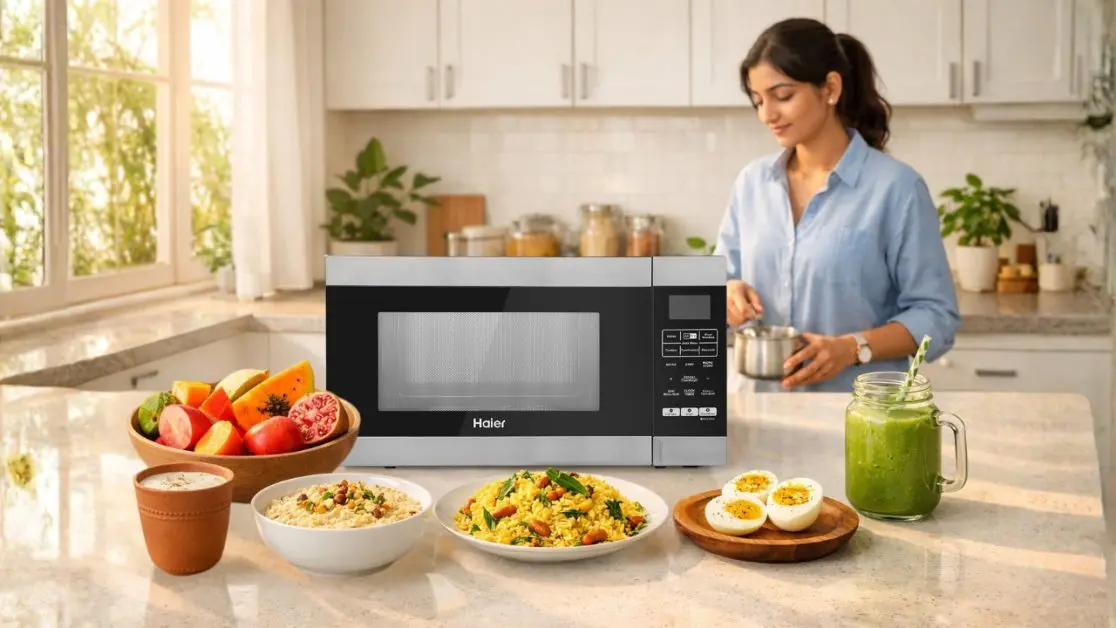
There is another shift shaping the modern Indian kitchen.
Time.
Millennial families, young professionals, and couples setting up new homes prefer meals that are quick without compromising nutrition.
This is where smart cooking tools quietly help.
Where Modern Kitchen Technology Helps
For example, a convection microwave combines baking, grilling, reheating, and air frying in a single appliance.
The Haier 25L Convection Microwave Oven (HIL2501CBSH) offers 305 auto cook menus that automatically adjust cooking power and time, simplifying everyday cooking for busy households.
That matters particularly in March.
Meals are often assembled – tossing together salads, grilling vegetables, heating leftovers or baking snacks.
Cooking doesn’t happen over long chunks of time. Meals are built in stages, with quick applications of heat.
The kitchen becomes less rigid.
Cooking Habits Evolve When The Seasons Change
Seasonal cooking shifts the focus of the kitchen.
Cooking in winter meant slow cooking and often multiple meals being cooked at once.
Cooking in March means quick meals and focuses on being fresh.
Winter Cooking Habits
March Cooking Habits
Slow cooking
Short cycles of cooking
Thick gravies
Quick sautéed meals
Heavy munchies
Air fried/grilled munchies
Big batch cooking
Single/small portion cooking
It also makes the transition easier with new technology.
Take the convection microwave allowing you to cook with no oil or less oil, easily helping families cook healthier munchies without sacrificing taste.
That means popular foods like paneer tikka, vegetable kebabs, and samosas can be cooked with far less oil.
The result feels lighter.
Yet satisfying.
Lighter Meals Often Mean Better Evenings

Something interesting happens when meals become simpler.
Evenings slow down.
When dinner preparation takes less time, families gain something valuable.
Time together.
Instead of spending hours in the kitchen, the focus shifts to conversations, television shows, or simply relaxing after a long day.
The Kitchen as a Lifestyle System
A comfortable home rarely depends on one single element.
It depends on systems that quietly support daily routines.
A refrigerator that keeps vegetables fresh longer.
A microwave that cooks quickly.
A television that turns movie night into an immersive experience.
When these systems work together, everyday living becomes smoother.
Life feels organized rather than rushed.
Five Simple March Meals for Busy Weekdays
Here are practical meal ideas that work perfectly during the transition from winter comfort food to light March meals.
| Meal | Preparation Style | Why It Works |
| Vegetable poha bowl | Quick sauté | Light and energizing breakfast |
| Paneer tikka wraps | Grill or convection | High protein evening snack |
| Lemon coriander rice | Quick tempering | Fresh flavor and fast cooking |
| Vegetable dal soup | Pressure cook | Comfort without heaviness |
| Sweet potato wedges | Air fry | Healthy snack alternative |
Many of these meals involve grilling or baking rather than frying.
Combination cooking modes in convection microwaves can reduce cooking time by up to 30 percent when microwave, grill, and convection functions work together, helping meals come together quickly.
That speed becomes especially useful on busy weekday evenings.
The Seasonal Lesson Hidden Inside Our Kitchens
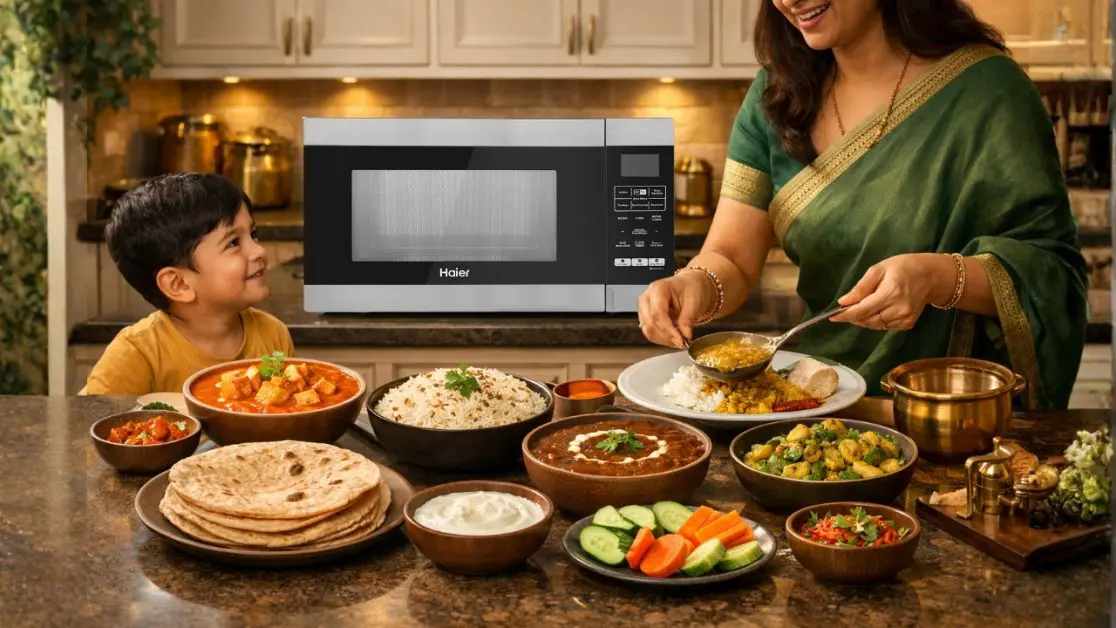
The transition from winter comfort food to light March meals may seem small.
But it reflects a deeper truth.
Seasonal cooking is a form of wisdom that Indian kitchens have practiced for generations.
It aligns the body with the weather.
It aligns ingredients with the season.
And today, modern kitchen appliances make that rhythm easier to maintain.
One Insight Worth Remembering
Heavy meals warm the winter.
Light meals energize the summer.
A well designed kitchen makes both effortless.
And when cooking becomes easier, the home feels calmer.
Which, in the end, is exactly what every modern household hopes for.
Frequently Asked Questions
Why do I suddenly feel like eating lighter food when March begins?
As temperatures rise, the body naturally prefers foods that are easier to digest and hydrating. Heavy winter meals like buttery parathas and thick gravies generate heat and energy, which the body needs in colder weather. In March, lighter meals with vegetables, grains, and fresh ingredients help maintain comfort and steady energy.
Is switching from winter comfort food to lighter meals actually healthier?
Yes. Seasonal eating helps balance digestion, hydration, and energy levels. Lighter meals with vegetables, pulses, and grains support metabolism and prevent sluggishness during warmer months.
Do Indian kitchens traditionally change meals with the seasons?
Yes. Seasonal cooking has always been part of Indian food culture. Winter menus emphasize warmth and richness, while spring and early summer bring lighter cooking methods and fresh produce.
Why do I naturally start craving lighter meals when March arrives?
As temperatures rise, the body requires less heat-producing energy from food. Heavy winter dishes rich in ghee, butter, and slow-cooked gravies can start feeling too dense. Fresh vegetables, grains, and lighter cooking methods support better digestion and hydration in warmer weather.
Is it normal that winter comfort food suddenly feels too heavy in March?
Yes. Seasonal appetite changes are common. Warmer days reduce the body’s need for high-calorie foods designed to keep us warm in winter.
Why do Indian households traditionally switch from rich gravies to lighter meals around March?
The shift is seasonal and cultural. Fresh produce becomes more available, cooking styles adapt to warmer weather, and lighter meals help maintain energy levels throughout longer days.
Should I stop eating my favorite winter foods completely in March?
Not necessarily. Instead of eliminating them, most families adapt recipes to lighter versions, such as using less butter, smaller portions, or pairing them with fresh vegetables.