
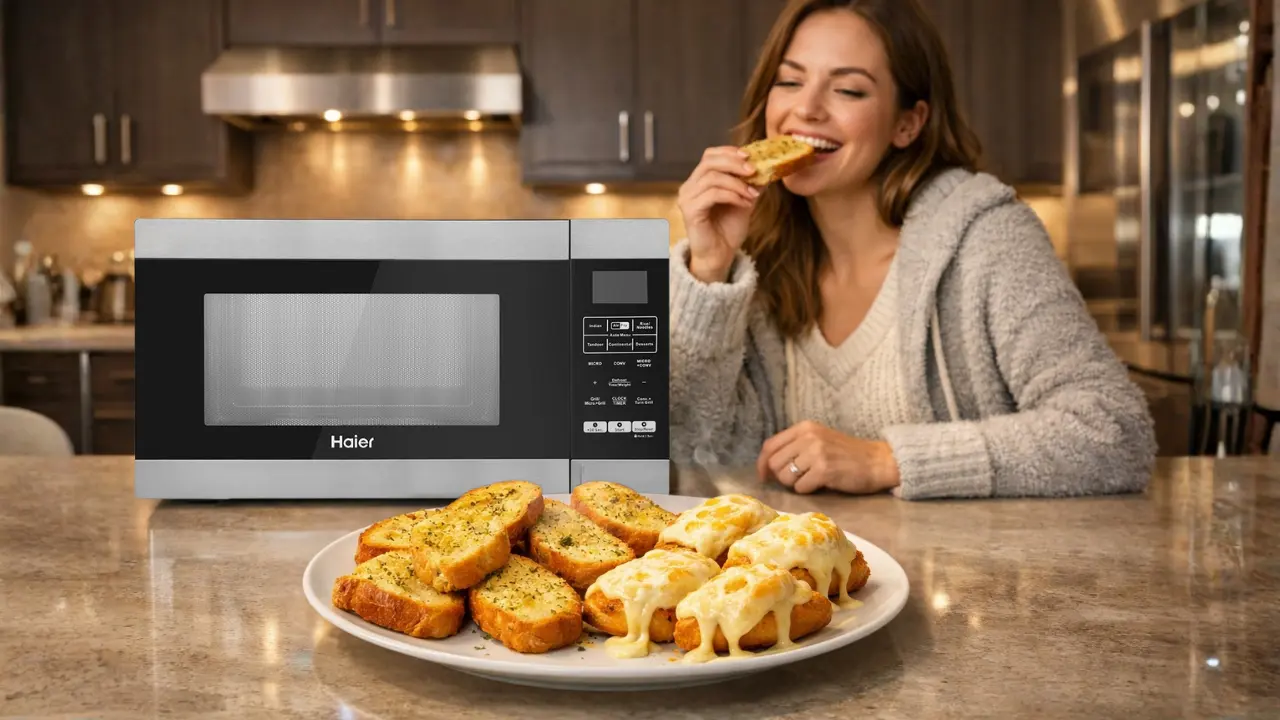

Yes, winter comfort foods like garlic bread, cheese toast, and simple melts can be ready in under three minutes when your kitchen is set up for speed and even heat.
The secret is not rushing. It is using the right cooking system that delivers consistent warmth, controlled power, and predictable results every single time.
That changes everything.
Winter changes how we cook, not just what we eat
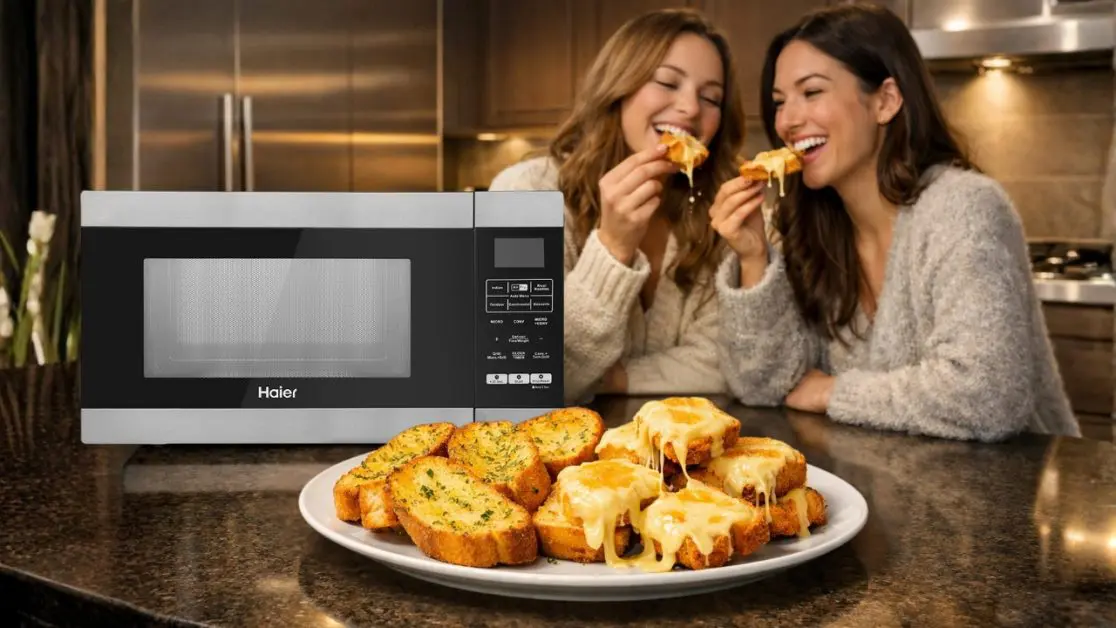
Winter does not make us adventurous in the kitchen.
It makes us efficient.
You come home later. The light fades faster. The idea of chopping, stirring, and waiting feels heavier than it did in summer. What you want is warmth that arrives quickly and feels earned.
This is why garlic bread and cheese melts dominate winter evenings.
They are:
- Familiar
- Comforting
- Ready before impatience sets in
And more importantly, they fit into the small gaps of modern life.
Between meetings.
Between episodes.
Between work and rest.
Winter food succeeds when it respects time.
Why garlic bread and cheese melts work so well in cold months
This is not nostalgia.
It is physics and psychology working together.
They rely on surface heat, not slow cooking
Garlic bread and cheese melts do not need deep cooking. They need:
- Even heat on the surface
- Quick moisture release
- Controlled browning
That makes them ideal for appliances that deliver focused, reflective heat inside a compact cavity.
Stainless steel interiors, for example, reflect heat more efficiently and reduce cooking time, which is why modern convection microwaves finish these foods faster than traditional ovens .
They trigger instant sensory comfort
The smell of butter warming.
Cheese stretching.
Bread crisping at the edges.
These cues signal comfort before the first bite.
Speed matters because anticipation matters.
The three minute rule that defines winter snacks
There is an unspoken rule in Indian homes during winter evenings.
If it takes more than three minutes, it feels like work.
That is the invisible threshold where hunger turns into irritation.
Under three minutes feels effortless
- You stay in the kitchen
- You do not check your phone
- You do not regret starting
This is where quick-cook comfort foods win.
And this is also where modern convection microwaves quietly change behavior.
What actually happens inside a fast winter cook
Let us break the system down.
A typical modern convection microwave uses three things together:
1. Microwave energy to heat moisture inside the food
2. Convection heat to brown and crisp the surface
3. Grill or combination modes to finish edges evenly
When these work together, cooking time drops by up to 30 percent compared to single-mode cooking, depending on the dish and load size .
That is how garlic bread finishes before the kettle boils.
One food, three winter moments
The same garlic bread behaves differently depending on context.
One option is the solo evening
You come back to a quiet house.
- Two slices
- Light cheese
- Medium power
- One plate
This works best in smaller capacity microwaves that heat quickly without excess space, like a 20L cavity designed for single servings .
Cost: Minimal energy use
Benefit: No leftovers, no cleanup
The second option is the shared family pause
Kids doing homework.
Someone is reheating tea.
The TV murmuring in the background.
Now you need:
- Even cooking across multiple slices
- No burnt corners
- Predictable timing
Larger 25L cavities with preset bread and cheese functions help here by standardizing power and time automatically .
Cost: Slightly higher power
Benefit: Zero monitoring, consistent results
The third option is the winter gathering
Friends arrive unplanned.
You need volume.
This is where combination cooking and larger 30L cavities shine, especially models that integrate air frying and convection together for crisp finishes without oil .
Cost: More wattage
Benefit: Batch cooking without slowdown
The same food adapts to the system around it.
Cheese melts teach us something about modern kitchens
Cheese is unforgiving.
Too little heat and it sweats.
Too much heat and it separates.
Fast, controlled cooking matters more than raw power.
That is why modern microwaves use multi power levels and combination modes instead of brute force.
A typical high power microwave may run at 800 to 900W for core heating, while convection and grill modes handle surface texture separately .
This separation of roles is the real upgrade.
Good systems do one thing at a time, well.
The hidden benefit of quick winter cooking
Speed changes habits.
When food takes minutes, not effort, people cook more often at home.
That has ripple effects:
- Less ordering
- Fewer oily snacks
- More control over portions
Microwaves that support oil free or low oil cooking enable this shift without asking for discipline or sacrifice .
Comfort does not have to mean excess.
Why winter food feels better when the kitchen feels calm
There is a reason winter cooking rituals feel grounding.
The kitchen becomes warmer than the rest of the house.
Light reflects off steel and glass.
Sounds soften.
Modern appliances with mirror glass finishes and clean control panels blend into this mood rather than interrupt it, which subtly encourages use instead of avoidance .
Design influences behavior more than we admit.
A simple framework for winter comfort cooking
Think in systems, not recipes.
Ask three questions before you cook
1. How many people am I feeding?
2. How much attention can I give?
3. How quickly do I want comfort to arrive?
Your answers decide the tool, not the food.
This is why the same garlic bread feels effortless one day and annoying the next.
What this says about modern Indian homes
Homes today are not built around long cooking sessions.
They are built around transitions.
- Work to rest
- Screen to silence
- Hunger to comfort
Appliances that respect these transitions quietly earn their place.
They do not shout values.
They demonstrate it, one warm plate at a time.
The larger insight hiding in a three minute snack
This is not about garlic bread.
It is about designing life around realistic energy levels.
When tools reduce friction, habits improve naturally.
When cooking feels light, people cook more.
When comfort arrives quickly, it feels deserved.
The future of home living is not about doing more.
It is about making small things easier.
And sometimes, that future smells like buttered bread and melted cheese on a winter evening.