


Winter cooking does not need to be stressful because the pressure comes from outdated kitchen systems, not from the season itself.
Cold mornings, shorter days, and heavier meals ask for better rhythm, not longer hours near the stove. When tools, habits, and expectations align, winter cooking becomes calmer, warmer, and deeply satisfying.
This is the quiet shift happening inside Indian homes right now.
Not harder work.
Smarter flow.
Why does winter cooking feel heavier in everyday homes?
It begins with intention.
You want hot food.
You want nourishment.
You want comfort at the end of a long day.
Then reality steps in.
Vegetables take longer to soften.
Gravies thicken and demand attention.
Standing near the gas stove feels draining.
Cleaning feels colder than cooking.
This is not about willpower.
It is about friction.
Most kitchens still operate on summer logic even when winter clearly plays by different rules.
The real problem is not cold weather. It is broken timing

Every stressful winter meal follows a familiar pattern.
- One dish finishes early and goes cold
- Another needs constant stirring
- Someone reheats food twice
- Energy drains faster than expected
Stress builds because heat, time, and effort are not aligned.
Winter magnifies inefficiency.
When timing collapses, comfort disappears.
Winter kitchens work better in layers, not steps
Summer cooking moves in a straight line.
Prepare.
Cook.
Serve.
Winter cooking prefers overlap.
Warm something while another dish cooks.
Reheat gently while baking finishes.
Hold food at the right temperature without supervision.
This layered approach is where modern Indian kitchens quietly evolve.
Not through speed.
Through balance.
Option one is doing everything fresh, every single time
This is the traditional approach.
It feels honest.
It smells incredible.
It also demands stamina.
What it costs
- Longer standing time
- Higher gas usage
- Constant monitoring
What it gives
- Familiar taste
- Full control
This approach works when time and energy are abundant.
Winter rarely offers either.
Option two is smart preparation with controlled finishing
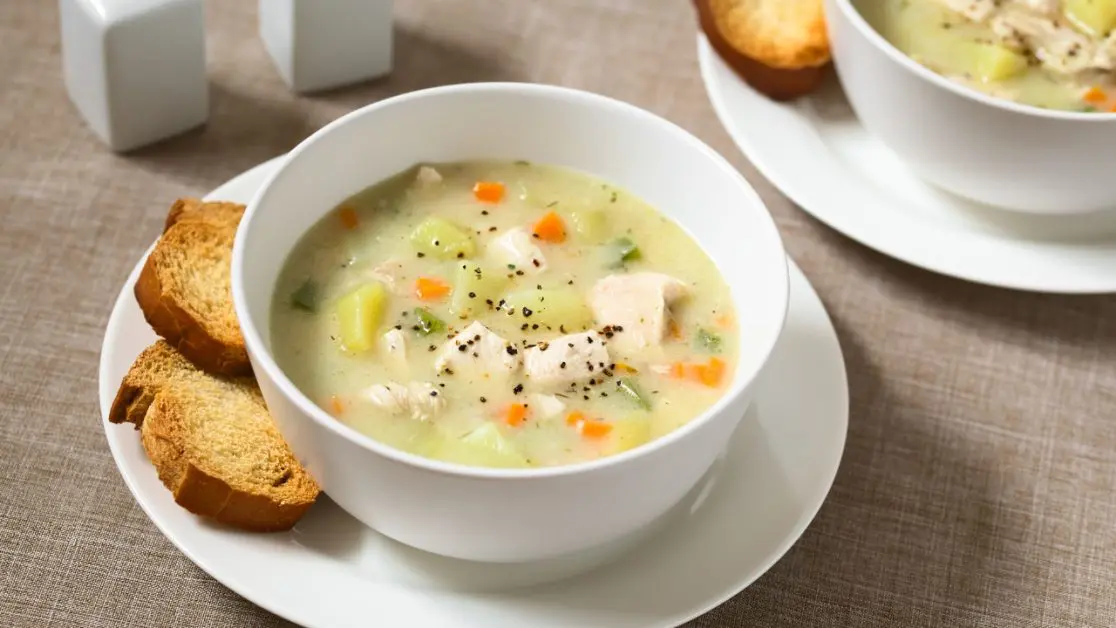
This is where stress begins to fade.
Cook once.
Finish when needed.
Indian homes already do this naturally.
- Sabzi cooked in the afternoon and reheated at night
- Dough prepared earlier, rotis made fresh
- Gravy cooked in bulk, vegetables or paneer added later
The missing link is reheating that respects texture.
Winter exposes weak reheating faster than any other season.
Why reheating decides whether winter meals feel comforting or exhausting
Bad reheating dries food.
Uneven heat ruins flavour.
Repeated boiling kills texture.
Good reheating restores warmth without punishment.
This is why winter kitchens lean toward appliances that understand food behaviour, not just raw heat.
Modern convection microwaves allow:
- Even reheating without constant stirring
- Gentle warming of gravies without reboiling
- Baking and grilling without hovering
Food science studies show microwave cooking preserves more nutrients than boiling or repeated stovetop reheating, especially for vegetables and leftovers. In winter diets, this matters more than most people realise.
Bread is where winter stress hides silently
Ask any Indian household what becomes tricky in winter.
The answer is often bread.
Rotis cool quickly.
Parathas lose softness.
Garlic bread turns chewy.
Tandoori rotis feel stale within minutes.
Bread needs controlled warmth, not direct flame.
This is where specialised features in convection microwaves quietly reduce effort. The Haier HIL2501CBSH 25L Convection Microwave Oven includes a dedicated bread basket function designed for Indian breads like naan, paratha, kulcha, tandoori roti, and garlic bread. It allows even heating without drying or flipping, removing last minute pressure during meals .
This is not convenient for its own sake.
It is rhythm protection.
Option three is designing meals that respect winter physics

Winter friendly meals share hidden traits.
They:
- Reheat evenly
- Improve with rest
- Hold warmth longer
Rajma, chole, sambhar, khichdi, dals, roasted vegetables, and baked dishes thrive in winter.
Stress appears when these meals are treated like summer food.
When menus align with season physics, kitchens calm down naturally.
Why winter kitchens need more than one heat source
A single stove creates congestion.
Modern kitchens distribute heat responsibility.
- Stove for fresh cooking
- Microwave for reheating and finishing
- Convection mode for baking and roasting
- Refrigerator for planned leftovers
This division removes waiting.
No crowding.
No rushing.
No panic.
The Haier HIL2501CBSH 25L Convection Microwave Oven supports this flow with combination cooking modes that use microwave, grill, and convection together.
Depending on the dish, this can reduce cooking time significantly while keeping textures intact .
Why multitasking fails more in winter
Multitasking sounds efficient.
In winter, it drains.
Cold air slows movement.
Steam fogs glasses.
Hands tire faster.
Good systems remove thinking.
Auto cook menus and preset timings reduce decision fatigue. Instead of guessing heat and time, the kitchen responds automatically.
With over 300 auto cook menus designed for Indian dishes, modern convection microwaves reduce supervision and mental load, especially during winter evenings when energy dips .
Smaller kitchens feel winter pressure first
Compact kitchens amplify seasonal discomfort.
- Odours linger longer
- Vapour builds faster
- Movement feels restricted
Features like built-in deodoriser functions help remove vapours after cooking, keeping the kitchen breathable even after frying or masala-heavy meals. Less smell means less fatigue. Less fatigue means calmer evenings.
Winter cooking is emotional, not just practical
Winter meals carry expectations.
They should be comfortable.
They should slow time.
They should gather people.
Stress enters when effort overshadows emotion.
The best winter kitchens protect emotional energy.
They allow:
- Hot food without hurry
- Warmth without exhaustion
- Togetherness without chaos
What winter cooking reveals about modern living
Winter exposes systems.
It shows whether kitchens support people or fight them.
When cooking feels stressful, skill is rarely the issue.
Friction is.
Homes that feel calmer this season share one truth.
They remove unnecessary struggle.
A simple winter framework that works

Think in layers, not rules.
- Prepare once
- Finish gently
- Reheat intelligently
- Serve without rush
This framework respects energy, time, and warmth.
Why this matters beyond the kitchen
Stress free winter cooking reshapes evenings.
Families linger longer at the table.
Professionals unwind without irritation.
Solo living feels less empty.
Warm food delivered calmly changes conversations.
This is not about appliances.
It is about systems that support life.
The quiet future of Indian kitchens
The future kitchen is quieter.
It does not demand attention.
It works alongside daily life.
Winter accelerates this shift.
Not because people want shortcuts.
But because they want peace.
The one insight worth remembering
Winter cooking becomes stressful when kitchens stay rigid while life adapts.
The season does not demand more effort.
It asks for better alignment.
When systems adjust, winter becomes what it was always meant to be.
Warm.
Comforting.
Unhurried.
And surprisingly effortless.
Frequently Asked Question
Why do modern kitchens work better with more than one heat source in winter?
Because winter cooking is layered:
Stove for fresh cooking
Microwave for reheating and finishing
Convection for baking and roasting
This removes congestion and waiting.
How do auto-cook menus actually help in winter?
They remove decision fatigue. Instead of guessing heat and time when you’re already tired, the system responds automatically, especially useful during cold evenings.
Is combination cooking really useful or just a marketing term?
In winter, combination modes matter more. Using microwave + grill + convection together reduces cooking time while protecting texture, exactly where winter cooking usually fails.
Is a microwave useful for Indian breads like roti, naan, or paratha in winter?
Yes, when it provides even heating. Gentle microwave reheating helps maintain softness without flipping, hovering, or burning.
Does microwave reheating affect nutrition in winter meals?
Less than repeated boiling. Microwaves often preserve nutrients better than stovetop reheating, especially for vegetables and leftovers.
How does a microwave help in small kitchens during winter?
It reduces steam, crowding, and stove dependency. Less heat buildup and faster finishing make compact kitchens feel calmer.
Can a microwave really replace some stove work in winter?
Not replace, but support. Using the stove for fresh cooking and the microwave for reheating, baking, or finishing creates balance instead of overload.