
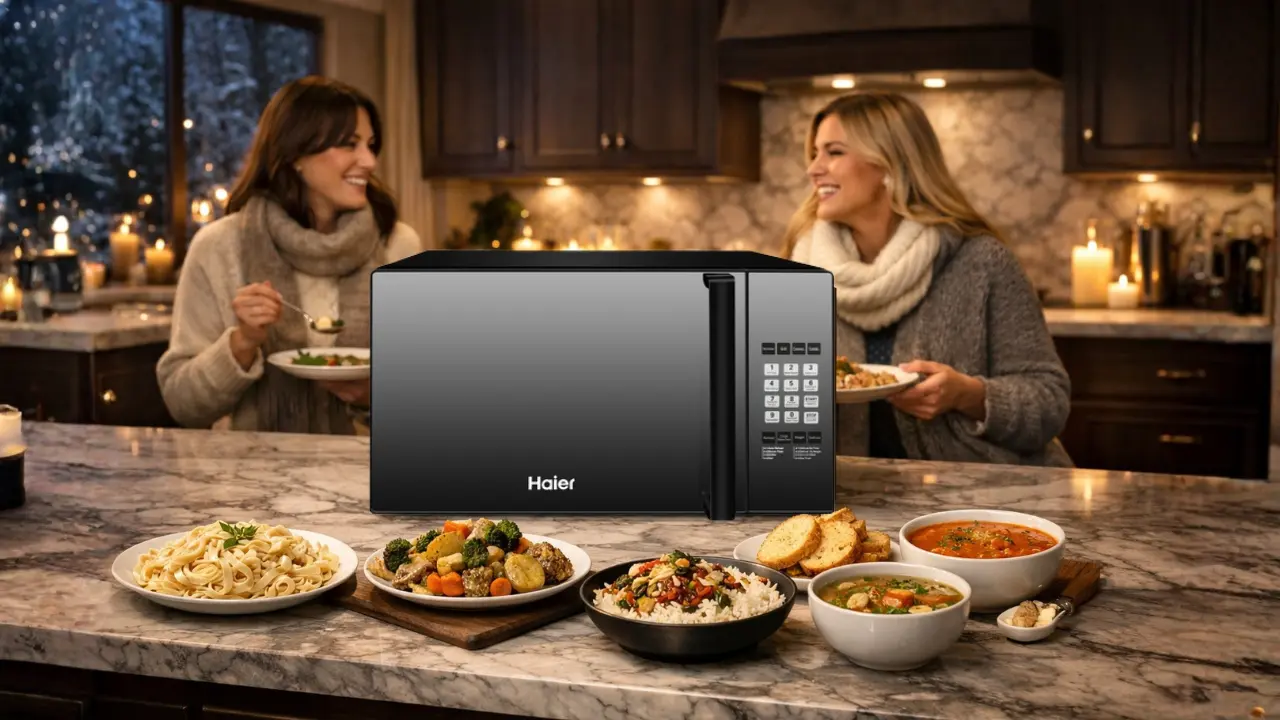

When winter workdays run late, the smartest microwave trick is layered reheating. Cover food lightly, heat in short bursts, pause in between, and finish gently.
This simple system keeps moisture intact, warms food evenly, and makes leftovers taste closer to freshly cooked. Dinner gets saved without effort or disappointment.
Winter evenings quietly change how dinner decisions get made
Winter shrinks the day.
The light fades early.
Commutes stretch longer.
Meetings refuse to end on time.
By the time you reach home, cooking from scratch feels ambitious. Ordering food feels repetitive. So most Indian homes turn to what is already there.
Yesterday’s rice.
That dal you packed carefully.
A few rotis wrapped in foil.
Leftovers become the plan.
The problem is not the food.
The problem is how it gets reheated.
Why reheating feels harder in winter

Cold air pulls moisture out of food faster.
Food straight from the fridge has a larger temperature gap between the surface and the centre.
When you microwave everything in one long cycle, the outside overheats while the inside struggles to catch up. Texture breaks before warmth arrives.
That is why winter leftovers feel dry, uneven, and tiring.
The microwave is not failing.
It is being rushed.
The winter mistake almost everyone makes
Most people reheat food like this:
- High power
- One long cycle
- No cover
- No pause
It looks efficient.
It feels logical.
It quietly ruins dinner.
Heat needs time to move. Moisture needs space to stay.
Speed is the enemy of comfort food.
The microwave trick that actually saves dinner
Here is the shift that changes everything.
Reheat in layers, not in one go.
Treat heat like a conversation, not a command.
The layered reheating method
1. Cover lightly
Use a microwave safe lid or plate. Not airtight. Just enough to trap steam.
2. Short heat burst
Heat for 60 to 90 seconds. No more.
3. Pause inside the microwave
Let the food rest for 30 seconds. Heat spreads inward.
4. Stir, flip, or rotate
This resets temperature balance.
5. Finish gently
One final short burst to bring everything together.
This adds one extra minute.
It saves the entire meal.
Why this works better in winter than summer
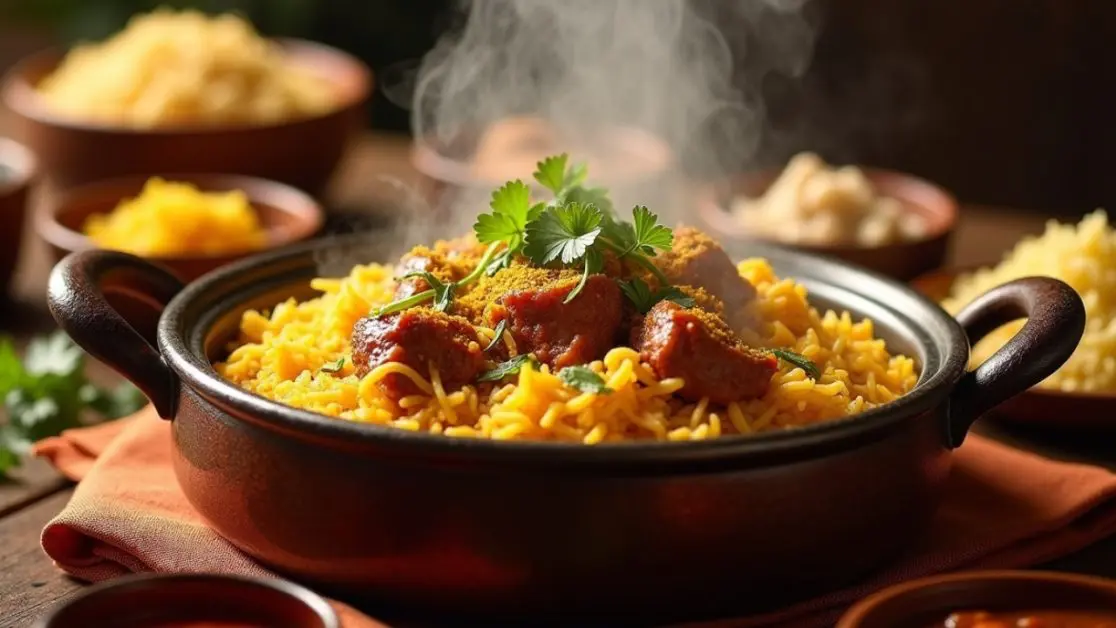
Winter food reheating fails because moisture escapes too fast.
Layered reheating slows heat transfer. Steam stays trapped. Texture stays intact. Temperature equals naturally.
It works because it respects physics, not because it feels fancy.
Good systems work quietly.
Different winter foods need different reheating systems
One shortcut does not fit all. Winter meals vary. Your reheating approach should too.
Rice and biryani
Best approach:
- Sprinkle a few drops of water
- Cover loosely
- Reheat in two short cycles
Why it works:
Rice loses moisture first in cold weather. Steam brings softness back.
Dal, rajma, chole, curries
Best approach:
- Stir before reheating
- Short burst heating
- Stir again midway
Why it works:
Liquids heat unevenly. Stirring redistributes warmth.
Rotis and parathas
Best approach:
- Wrap in a slightly damp cloth or paper towel
- Heat briefly
Why it works:
Direct microwave heat makes flatbreads stiff. Gentle steam keeps them soft.
Snacks like samosas or cutlets
Best approach:
- Short microwave warm up
- Finish using convection or combination mode if available
Why it works:
Microwaves heat inside first. A finishing mode restores surface texture.
This is where modern microwaves quietly make life easier
Microwaves are no longer single function boxes.
Modern convection models are built as systems that understand Indian food habits.
For example, the Haier HIL2501CBSH 25L Convection Microwave Oven includes 305 auto cook menus, combination cooking, and a bread basket function designed specifically for Indian breads like naan, paratha, and kulcha .
These features matter more in winter, when reheating is frequent and texture matters more than speed.
When winter evenings turn snack heavy
Some winter nights are about comfort snacks rather than full meals.
That is where combination appliances help.
The Haier HIL3001ARSB 30L Convection Microwave with In Built Air Fryer allows reheated snacks to regain crispness without extra oil, thanks to its dedicated air fryer menus and convection power .
It turns reheating into finishing.
That distinction changes how food feels.
For smaller kitchens and solo routines
Not every home needs a large appliance.
The Haier HIL2001CSSH 20L Convection Microwave with Mirror Glass Design suits smaller households and solo professionals, offering oil free cooking, stainless steel cavity, and auto cook menus that simplify daily winter meals without clutter .
Less space.
Same comfort.
A simple table that explains the difference
| Reheating habit | Winter result | Smarter alternative |
| One long cycle | Dry food | Layered reheating |
| No cover | Moisture loss | Loose lid or plate |
| High power only | Uneven heat | Medium power bursts |
| No pause | Cold centre | Rest time included |
Small changes.
Big emotional difference.
Why this matters more than it seems
Dinner sets the tone for the evening.
When reheated food works, evenings feel calmer.
When it fails, everything feels heavier.
Good reheating reduces:
- Unnecessary food delivery
- Guilt about leftovers
- Decision fatigue after long days
Comfort comes from systems that do not demand attention.
The winter lesson hiding inside your microwave
Winter teaches constraint.
Less energy.
Less time.
Less patience.
The best solutions accept limits instead of fighting them.
Layered reheating works because it slows down just enough to work properly.
That is the real trick.
One last thing most people forget in winter
Smell lingers longer when windows stay shut.
Some Haier convection microwaves include deodorizer functions that remove residual odours after cooking, keeping the cavity fresh and preventing flavours from mixing across meals .
Yesterday’s fish curry does not need to follow you into today’s dinner.
What to remember the next time work runs late
Remember this one line:
Reheating is not about speed. It is about sequence.
Layer the heat.
Trap the steam.
Pause when needed.
On winter nights, that is how dinner stays warm, familiar, and quietly comforting.
Frequently Asked Questions
Why does deciding dinner feel harder in winter evenings?
Shorter daylight, longer commutes, and cold weather drain mental energy. When reheated food fails, it adds frustration. When it works, the evening softens.
Why does reheated food taste drier in winter than in summer?
Cold air pulls moisture out faster, and fridge-cold food has a bigger temperature gap between the outside and inside. One long microwave cycle overheats the surface before the centre warms.
Why is reheating everything on high power a mistake?
Speed kills texture. High power + no pauses causes dry edges, cold centres, and broken structure, especially in winter.
What is the “layered reheating” microwave trick everyone talks about?
1. Cover lightly (not airtight)
2. Heat 60–90 seconds
3. Pause 30 seconds (inside microwave)
4. Stir / flip / rotate
5. Finish with a short burst
It adds one minute. It saves the meal.
Why does rice turn hard when reheated in winter?
Rice loses moisture first in cold weather.
Fix: Sprinkle a few drops of water, cover loosely, reheat in two short cycles.
Why does my dal get hot on top but cold underneath?
Liquids heat unevenly.
Fix: Stir before reheating, heat briefly, stir again midway.
How do I get crispness back without deep frying?
Warm briefly in the microwave, then finish in convection or combination mode if available.