


The future of water heating in India lies in AI-powered smart heaters that learn from your daily habits, save energy through intelligent scheduling, and provide safer, cleaner hot water on demand.
These connected appliances will quietly reshape how Indian households manage comfort, cost, and convenience.
Why water heating suddenly feels like a technology story
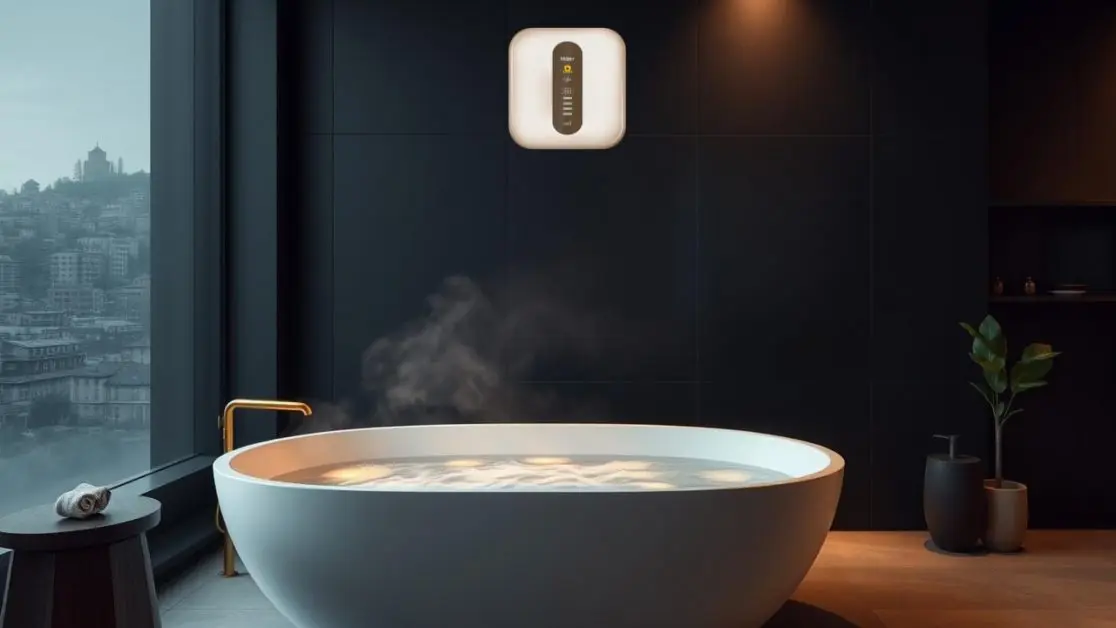
For decades, water heaters were invisible appliances. You bought one, switched it on, and rarely thought about it until something went wrong.
But modern homes are different. Energy bills matter more. Hygiene matters more. And convenience matters most of all. The rise of AI and smart technology has quietly pulled water heating into the same conversation as smart TVs and connected fridges.
Today’s water heater isn’t just about hot showers. It’s about smarter mornings, safer evenings, and a lifestyle that feels a little more in tune with the rhythm of your household.
What problems do Indian households face with traditional water heaters?
- Energy waste: Heaters running longer than necessary.
- Safety risks: Overheating, leaks, and unpredictable voltage.
- Hygiene concerns: Stagnant water can foster bacteria.
- Convenience gap: No remote control, no memory of usage patterns, no automation.
When you add these up, it’s clear: the problem isn’t just hot water. It’s hot water that doesn’t adapt to modern living.
AI and smart technology: the invisible upgrade
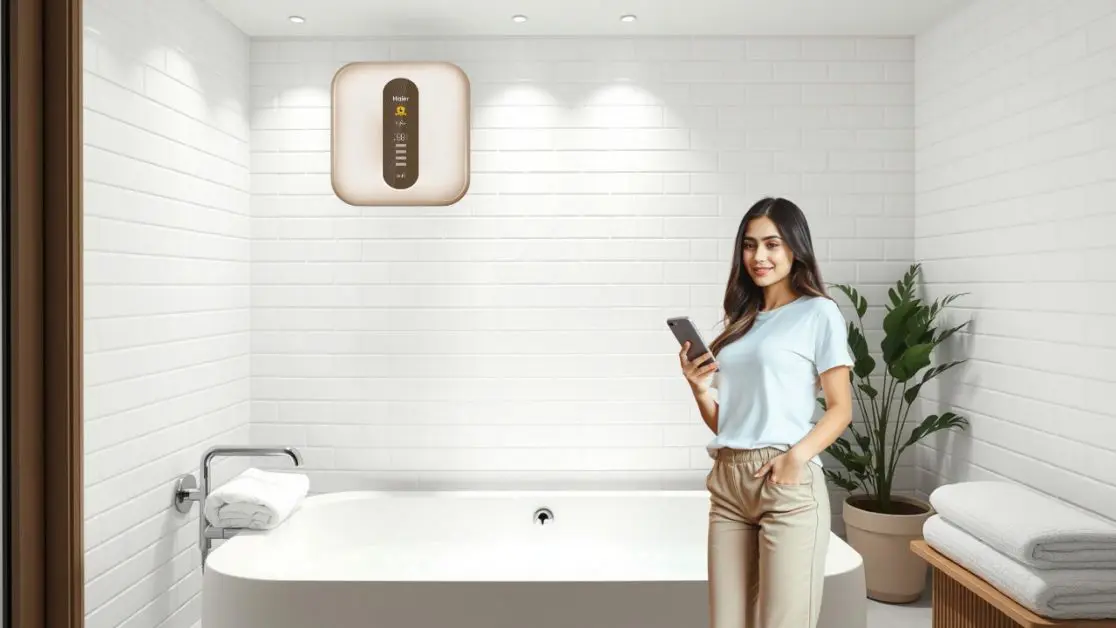
Think of AI in water heating as the same upgrade that smartphones brought to calling. It doesn’t just do the old job faster, it redefines what’s possible.
Here’s how:
1. Learning your habits
AI-enabled heaters track when you typically use hot water. Over time, they pre-heat water before you need it, cutting wait time and saving electricity.
2. Remote access and scheduling
Smart WiFi heaters let you control them from your phone. If you’re stuck in traffic or your evening workout ran late, you can still return to a perfectly timed hot shower.
3. Safety automation
Dual thermal protection and auto cut-off systems powered by smart sensors ensure water never overheats or reaches unsafe conditions
4. Hygiene boost
Modes like Bacteria Proof Systems heat water at specific intervals (around 80°C) to eliminate bacterial growth
5. Energy insights
Some systems provide real-time energy consumption reports, letting you see exactly how much electricity your hot water habits cost.
A closer look at today’s smart water heaters
Take the Haier Smart WiFi Water Heater (15L Square, 5-Star model) as an example. It shows how everyday water heating is being reshaped by AI-driven design
- Smart Timer and Memory: Automates schedules and recalls past usage.
- Shock-proof, overheat-proof, and voltage-proof safety: Protects in Indian conditions of fluctuating electricity.
- Anti-bacterial mode: Keeps water cleaner for longer.
- RSC U-turn Flow Technology: Ensures water circulation, preventing stagnation.
- Superior insulation: Retains heat, cutting energy waste.
The takeaway? A device that was once basic is now a connected ecosystem player in your home.
Why does this matter now?
Because Indian households are changing.
- Millennials and Gen Z buyers want appliances that sync with their app-first lifestyle.
- Parents are balancing safety and efficiency, especially in high-rise apartments.
- Working professionals want hot water that matches unpredictable schedules.
And above all everyone wants lower energy bills without compromising comfort.
The broader trends shaping water heating

1. AI-driven personalization
Every family has unique routines. AI ensures heaters don’t just run on timers, but actually predict demand.
2. Integration with smart homes
Imagine your water heater syncing with your solar rooftop panel or your voice assistant. That’s not science fiction, it’s the next two years.
3. Sustainability pressure
India’s urban homes are under pressure to cut electricity usage. Smarter heaters mean less energy wasted on unnecessary heating cycles.
4. Health as a feature
What used to be “hot water” is now “clean, bacteria-free hot water.” AI-enabled modes are making hygiene central to water heating.
The economics of smarter heating
A 5-star, AI-enabled heater costs more upfront. But here’s the math:
- Energy saved: Up to 15–20% lower running costs with insulation and smart scheduling.
- Maintenance saved: Features like glass-lined tanks and incoloy heating elements last longer
. - Safety saved: The value of avoiding accidents is incalculable.
Over 5 years, the premium pays back not just in rupees, but in peace of mind.
So what should households look for in the next 5 years?

When evaluating water heaters, ask three simple questions:
1. Does it learn and adapt to my household’s schedule?
2. Does it communicate with me, my phone, or my smart home ecosystem?
3. Does it protect from bacteria, overheating, and voltage risks?
If the answer is yes to all three, you’re looking at the future-ready choice.
From invisible to indispensable
The future of water heating isn’t about replacing geysers with “gadgets.” It’s about moving from invisible utility to indispensable ally.
Just as fridges went from storage boxes to freshness systems, and TVs became family entertainment hubs, water heaters are becoming intelligent comfort managers.
And like all good technology, the best part is you don’t even notice the complexity. You just notice life getting a little easier, a little safer, and a little more efficient.
Final thought
Hot water may seem ordinary. But when it’s powered by AI and smart systems, it quietly becomes extraordinary. It’s not just about technology it’s about how everyday comforts are being reimagined for Indian households that want more than just functionality.
Smart water heating is the future. And the future has already begun.