
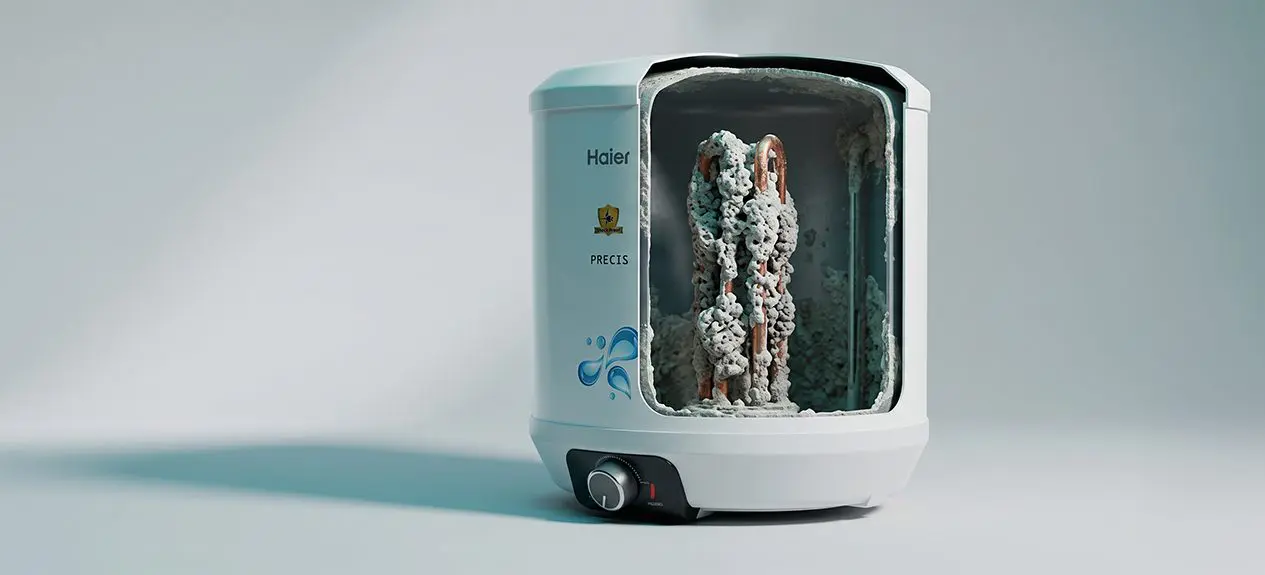

A geyser is one of those appliances that creeps into the daily routine. When choosing one, most people think about the capacity, heating speed or energy consumption, but it’s just as important to know the quality of the water running through it.
This is especially relevant in areas where hard water is common. Understanding the connection between the quality of the water and the geyser can help homeowners make better-informed decisions about maintenance and eligibility for installation of the appliance they bring home. Regular cleaning can also help keep hard water geyser damage from becoming more serious over time.
Now let’s see how much your geyser can really be affected by hard water from inside. So that you are clear with the basics and aren’t clueless.
How Does Hard Water Start Affecting Your Geyser from Within?
The conditions inside the geyser can already be changing due to hard water before the results are noticeable in day-to-day use. By looking at what happens inside, it is easier to see why performance problems tend to creep up gradually:
- Hard water carries more minerals into the geyser. Hard water has relatively high concentrations of dissolved calcium and magnesium. Some homes get mineral buildup faster than others.
- Scale formation is promoted by heating. When hard water is heated, some of the dissolved minerals can come out of solution and form a solid, commonly called scale. Repeated heating is more likely to cause buildup inside the water heater.
- Scale begins to form on the inside surfaces. Mineral deposits tend to build up slowly on hot surfaces or areas with a lot of hot water. This scaling in water heater systems can build up gradually over time.
- It can get a coating over time. As the scale continues to grow, it can form a layer around the heating element. This can make it more difficult for heat to efficiently transfer into the water.
- Sediment settles slowly to the bottom of the tank. Mineral deposits may also collect on the bottom of the storage tank. If left unchecked, this build-up can add to the strain on the geyser and ultimately affect its performance.
Warning Signs of Hard Water Build-Up in a Geyser
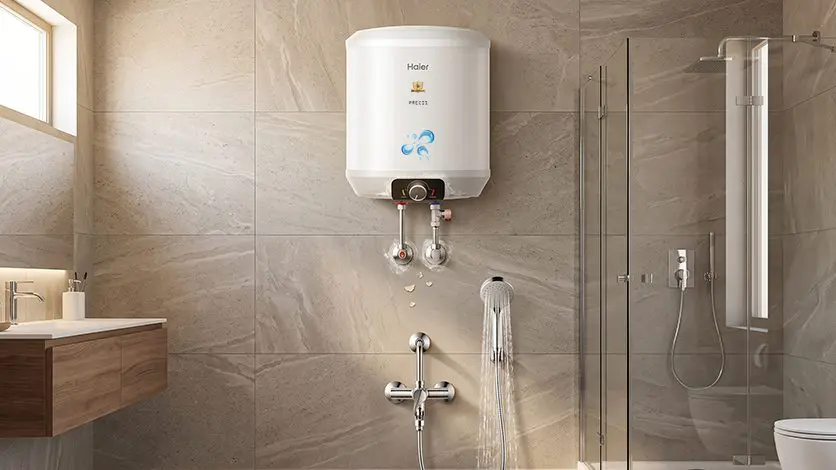
Hard water builds up out of sight, so it’s difficult to see at first. However, some changes related to the hot water supply can give you helpful clues:
- The flow of warm water begins to diminish. Sometimes mineral deposits start to close off outlets, valves or connected pipes, resulting in a marked decrease in hot-water flow.
- You see tiny flakes of minerals in the water. Mineral deposits can harden and break off from internal surfaces, and you may see white or pale particles coming through the hot-water outlet.
- Repeatedly, chalky deposits form around the hot-water outlet. If you repeatedly find yourself cleaning white crust from around the geyser’s outlet connections or nearby fittings, it may be a sign that you have high mineral content in your water supply.
- Visible mineral crust around the pressure-relief area. Hard water can cause deposits to form around valves and points of connection where small amounts of water or moisture are consistently present.
- Hot-water fixtures require more frequent cleaning than normal. More likely to clog from mineral deposits carried through the system are showerheads, aerators and taps attached to the hot water line.
(Want to know in detail?
Read through: How Water Heaters Handle Hard Water Conditions)
Features That Matter When Choosing a Geyser for Hard Water
Not all geysers treat mineral-heavy water the same way. Here are five things to pay more attention to:
- Corrosion-resistant inner tank. Look for water heaters that have a coated or well-protected inner tank. A good tank lining would increase the appliance’s compatibility with difficult water conditions and reduce corrosion risks as a consequence of prolonged use.
- A robust heating element. It’s a straight contact heater. If you continue to heat water, it will become hot. If mineral build-up remains a concern, then a geyser with a powerful, corrosion-resistant heating element can help deliver a more consistent performance.
- A magnesium anode rod. A magnesium anode rod is used to protect the inner tank by attracting corrosive reactions to itself. The rod wears out gradually and should be checked and changed as part of routine servicing when needed.
- Easy access for regular cleaning. Even a durable geyser can develop scale in hard-water areas. A design that permits access for inspection and cleaning during servicing permits the removal of deposits before they begin to impact on heating performance. Prevention of hard water geyser damage can also be achieved through regular cleaning.
- Easy temperature control. It can also be useful to be able to control the temperature of the water in hard water conditions. Keeping the temperature at reasonable levels, rather than unnecessarily high levels, can help reduce excessive scale formation, while still meeting everyday hot-water needs.
How Haier Water Heaters Are Designed with Durability in Mind
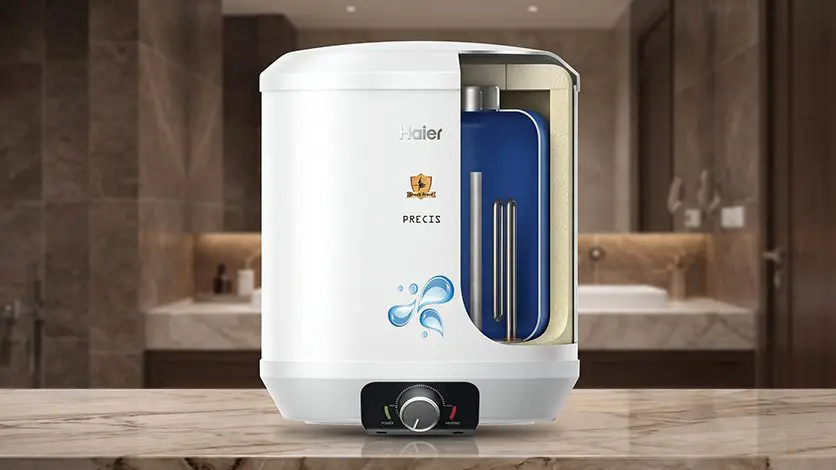
Haier’s philosophy of water-heater longevity combines materials, internal protections and safety-minded engineering. The models differ somewhat in the way they combine these elements.
Corrosion-resistant tanks protect from the inside
Haier water heaters are equipped with tank technologies such as corrosion-proof UMC tanks or tanks coated with titanium. For example, the AQUALAD PRO range uses a titanium tank for better corrosion resistance and durability in hard water.
Heavy-duty elements for difficult water conditions
The heating element is another part that regularly comes into contact with mineral-rich water. Some models are built with Incoloy 800SS heating elements, while selected models of AQUALAD use Titanium Guard heating elements that resist corrosion and last long.
Magnesium rods for extra tank protection
A magnesium rod is also available in some Haier storage water heaters. This sacrificial part is intended to corrode instead of the tank material, thus helping to protect the inner tank from corrosion. As the rod is slowly worn away, it is still an important part of long-term maintenance to check and replace it when necessary.
Conclusion
Hard water doesn’t usually destroy a geyser overnight. The bigger concern is a gradual buildup. Minerals settle, and scale becomes thicker. It will not work as well to heat up and may stress some of the internal components more.
The best approach is a good water heater with the proper temperature settings and regular maintenance. Staying ahead of scale early on can help keep performance high day-to-day, reduce unnecessary strain on the appliance and lead to a longer, more reliable water heater life.
FAQs
Can hard water damage a geyser?
Yes, Hard water contains minerals like calcium and magnesium. These minerals can be deposited as scale inside the geyser and on the heating element when water is heated. This build-up can reduce the efficiency of the appliance over time and put additional strain on the appliance.
Does hard water reduce a geyser’s lifespan?
It might. Regular build-up of scale can make the heating element work harder and can affect the geyser’s performance over time. Good cleaning and maintenance at the appropriate times will help control these deposits and promote a longer life for the water heater.
Which geyser is best for hard water areas?
In case you have hard water, choose a geyser with a corrosion-resistant or coated inner tank, a long-lasting heating element and a magnesium anode rod. These properties may offer better protection against mineral build-up and corrosion.
Do you need a water softener for my geyser?
Not always. If your water is very hard and scale is building up regularly, a water softener can help. Water softeners eliminate calcium and magnesium from water. But under less harsh hard water conditions, regular descaling, tank cleaning and proper geyser maintenance might be enough.
How often should I service the geyser?
The exact time depends on the quality of the water and the amount of water used. Haier recommends that in hard-water areas the internal tank is cleaned and the magnesium rod replaced by a service engineer every 1-2 years. If the geyser takes a while to heat up, makes weird noises, or encounters other issues, it may need to be looked at a little earlier.