

Water stays fresh through long winter nights when the heater prevents stagnation, resists bacterial growth, and maintains clean contact surfaces.
Technologies like glass-lined tanks, anti-bacterial modes, and smart heating cycles help keep stored water safe, odour-free, and consistent. The right system protects both the water and the experience of using it.
Why this matters on a cold night
Picture a regular winter evening in North India.
Dinner wraps up. Everyone settles under blankets. And somewhere in the bathroom, the water heater fills its tank and waits for the morning rush.
Except winter changes how tanks behave.
Cold air slows everything. Water sits longer. Freshness becomes a question. By sunrise, you want water that feels clean, smells neutral, and warms up instantly.
This tension lives in every Indian home. The tank stays full. The night stays long. And freshness becomes the hidden variable.
Winter is not just about heating speed.
It is about keeping water right.
What does freshness even mean in a winter water tank
Freshness sounds like a simple word. Yet it hides three deeper systems at play.
1. Movement
Still water ages faster.
A tank that fills once at night and never circulates until morning risks mild stagnation.
2. Temperature
Cold water does not support bacterial growth as quickly, but inconsistency in temperature can still lead to mild odour or mineral settling.
3. Surface contact
If the inner tank material reacts with water, even slightly, you end up with metallic undertones or discolouration.
Freshness, then, is not just about water. It is about the container, the temperature, and the timeline.
So how do you keep water fresh through long winter nights
There are three broad approaches.
Each one solves a different part of the problem.
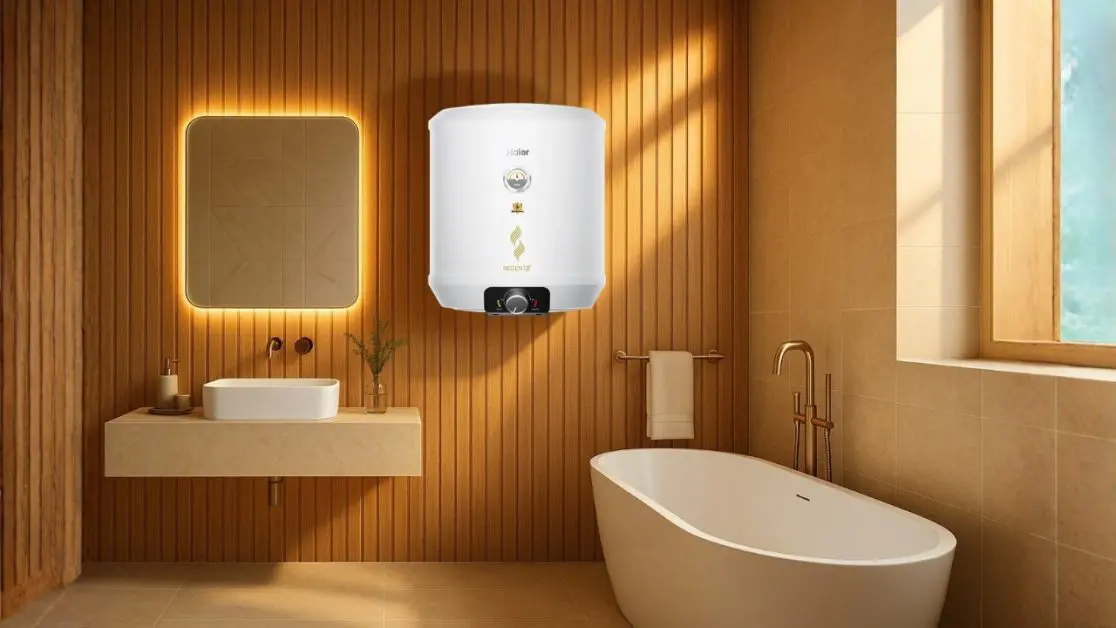
Option one: Choose a water heater with the right inner tank for winter
A tank is a storage system.
Its material decides how your water behaves while sitting overnight.
Three common types exist across India.
1. 304 stainless steel tanks
- Resist corrosion
- Hold temperature longer
- Prevent metallic taste
- Ideal for homes with moderate usage
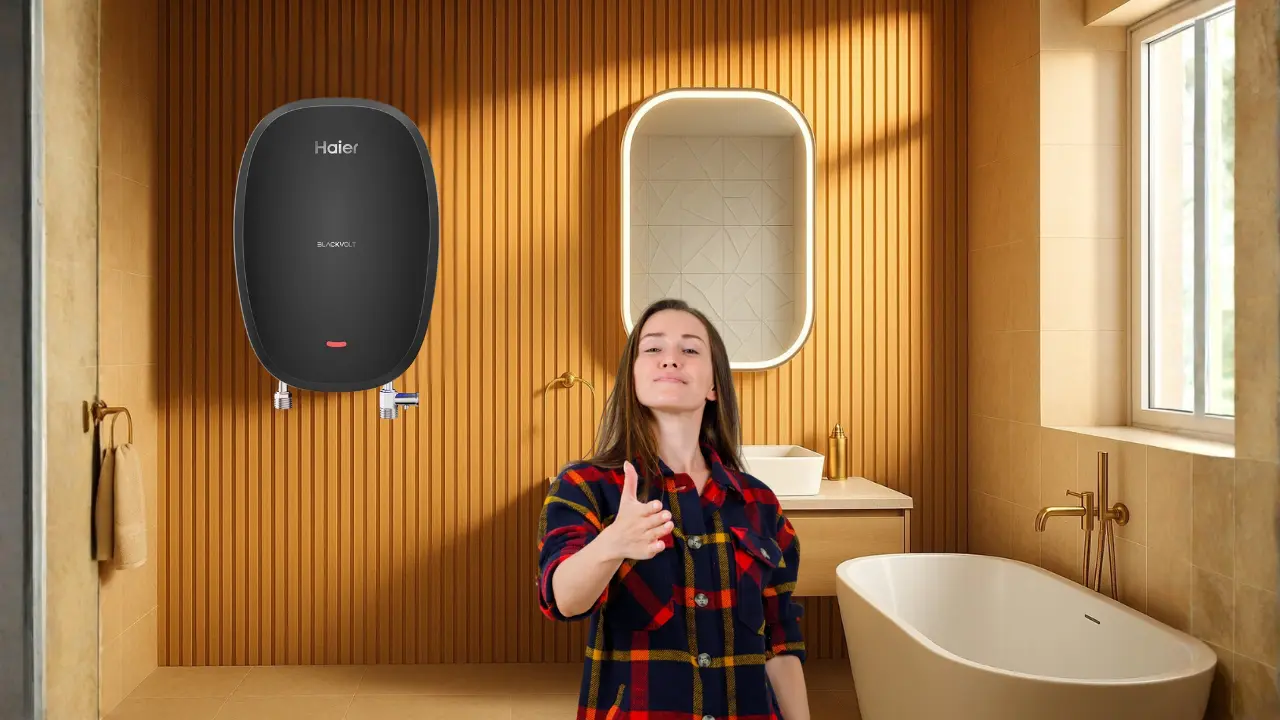
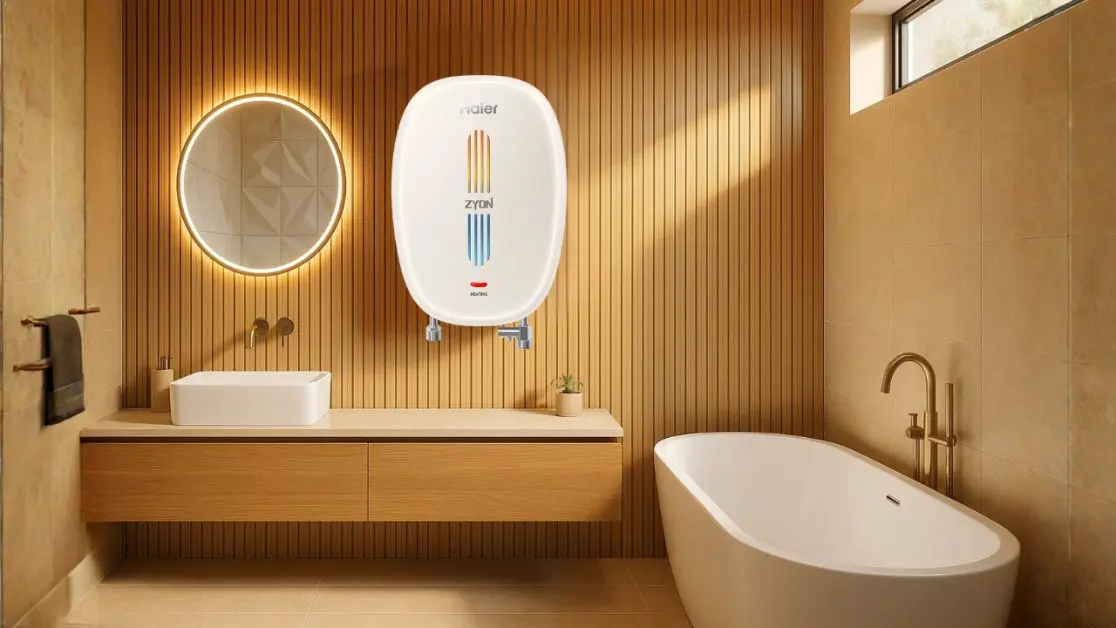
- Found in compact instant heaters like Haier’s 3L ZYON and BLACKVOLT series
2. Glass-lined tanks
- Protect water from direct metal contact
- Reduce odour formation
- Improve hygiene for longer storage hours
- Better for families who store water overnight and use it in batches
3. ABS outer bodies with insulated cores
- Prevent external chill from affecting stored water
- Reduce heat loss
- Improve next-morning heating efficiency
Cost-benefit view
- Stainless steel keeps water neutral.
- Glass-lined tanks keep water pure.
- Insulation keeps water consistent.
Freshness is a multi-layered outcome. The tank material decides most of it.
Option two: Use heating cycles that prevent stagnation
Winter brings a pattern.
People heat water early in the evening, then again at sunrise.
In between, the tank sleeps.
This long pause allows micro-stagnation.
Three heating strategies help stop that.
1. Short reheating cycles
A few heaters offer auto-cut features that bring water back to a mild warm state without wasting power. This reduces stagnation and keeps the inner tank active.
2. Smart memory modes
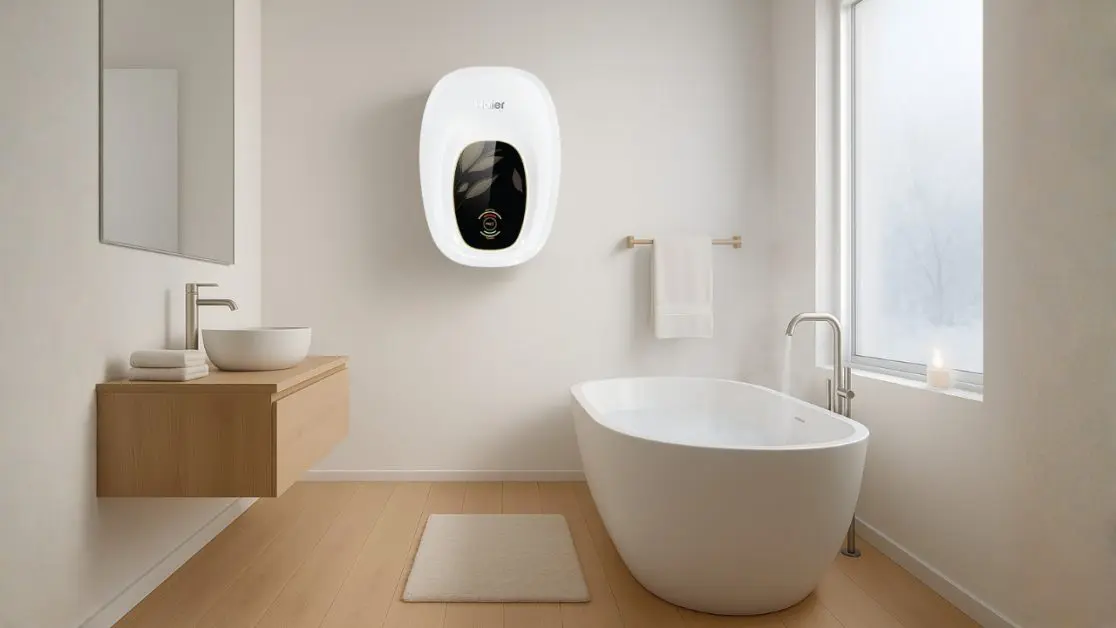
Some modern heaters learn your routine and maintain temperature accordingly.
This solves two problems at once.
You get fresh-feeling water. And no one argues about who forgot to switch the heater on.
3. Quick-heating models for early mornings
Instant heaters, especially 3 kW variants, refresh water by heating it on demand.
The water you use is freshly pulled from the pipeline, which naturally solves freshness concerns.
Haier’s instant 3L models like the EI3V series use copper heating elements and stainless steel tanks to deliver on-demand fresh water without long storage periods .
Heating speed influences freshness. Stored water is one identity. Freshly heated water is another.
Option three: Improve the system around the heater, not just the heater itself
Sometimes the solution sits outside the appliance.
Four everyday choices shape tank freshness more than most people realise.
1. The distance between tank and tap
Shorter pipelines mean less water sitting idle.
If your home allows it, place the heater closer to the bathroom it serves.
2. Water quality and TDS level
High TDS water settles faster overnight.
A pre-filter or basic sediment filter reduces mineral deposits and keeps morning water cleaner.
3. Usage frequency
Homes where someone bathes late at night and someone early morning naturally keep water circulating.
Low-use households need smarter systems.
4. Insulation around pipes
A simple foam layer prevents cold air from cooling pipeline water.
Freshness is often about consistency, and insulation helps preserve it.
Aphorism:
Fresh water is not just heated water.
It is water that has not waited too long.
Why winter changes everything
Winter slows movement, thickens reactions, and keeps water colder for longer.
This looks like an advantage, but it hides a pattern.
Cold slows bacteria, yes.
But cold also prevents natural circulation that keeps water lively.
A full tank in winter behaves like a closed room with no airflow.
Clean, but stale.
The goal is not warmth.
The goal is interaction.
Between temperature.
Between material.
Between movements.
Freshness is a dynamic state.
What modern Indian homes actually need
Every home faces a different version of winter.
Families in North India
Longer nights.
Sub-zero winds.
Higher morning demand.
They need tanks that preserve purity for 8 to 12 hours.
Working professionals living alone
One shower a day.
One refill a night.
They need systems that prevent overnight stillness.
Couples in new apartments
Moderate use.
Stylish bathrooms.
Consistent routines.
They need heaters that stay efficient without constant monitoring.
Parents with school-going children
Peak usage at 6:30 AM.
No time for waiting.
They need instant heating or stable storage.
Different homes.
Same concern.
Fresh water at sunrise.
Where Haier fits into this winter equation
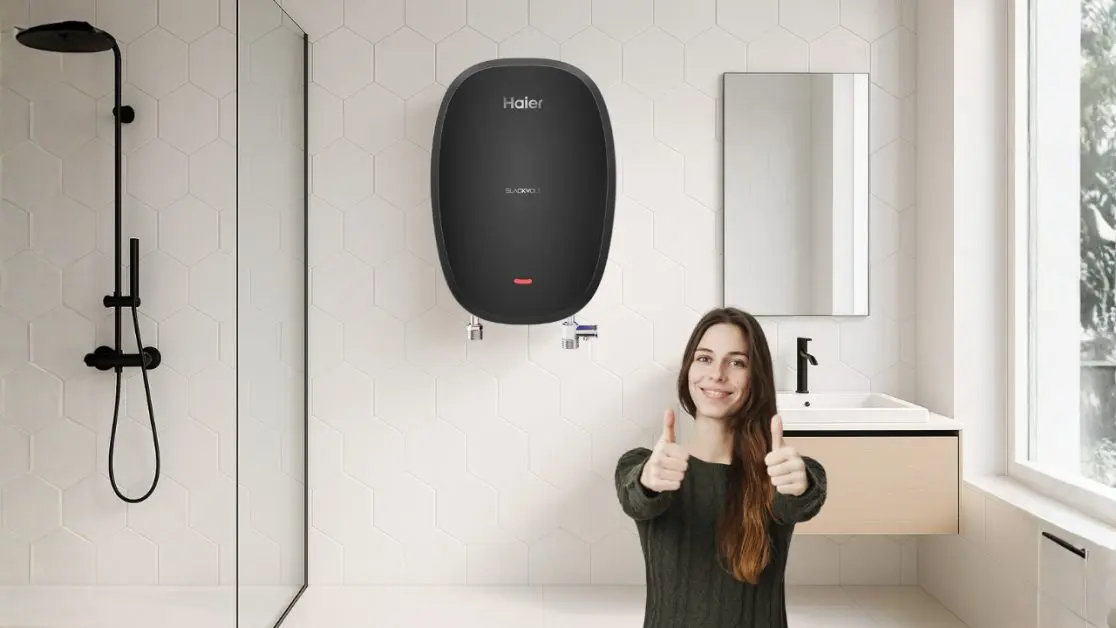
Not as a pushy product mentioned.
But as a system designed for this exact winter story.
Three quiet features matter most.
1. Stainless steel or ISI-certified tanks in instant heaters
Haier’s range of instant 3L heaters, including the ZYON and BLACKVOLT models, use 304 SS inner tanks and copper elements to keep water clean, neutral, and fresh for short-term storage and fast reheating .
2. Rapid heating for on-demand freshness
A 3 kW heater refreshes water instantly.
The water you use is freshly drawn, not stored overnight.
3. Compact designs for smaller winter bathrooms
Most Indian homes lack space.
A compact, efficient heater placed close to the outlet reduces pipeline stagnation.
This is not about selling a model.
It is about seeing how a well-designed appliance aligns with real winter patterns across India.
A quick reference table for winter freshness
| Challenge | Cause | Solution |
| Odour by morning | Overnight stagnation | Instant heaters or short reheating cycles |
| Metallic taste | Reactive tank material | Glass-lined or 304 SS tanks |
| Heat loss | Poor insulation | PUF insulation and shorter pipe distance |
| Sediment settling | High TDS water | Pre-filter or sediment filter |
| Inconsistent temperature | Cold wave conditions | Smart heating patterns |
What this means for the way we live
Winter teaches a simple lesson.
Systems matter more than moments.
You do not need to intervene every night.
You need a heater that understands the long pause between night and morning.
Freshness, then, becomes a design choice.
Not a chore.
A small appliance, chosen well, shapes mornings quietly.
A better tank.
A smarter heating cycle.
A cleaner path between inlet and outlet.
All invisible.
All meaningful.
The takeaway that stays with people
Fresh water is not an accident.
It is an outcome.
Of material.
Of timing.
Of the way a system behaves when no one is watching.
And winter is the season where these hidden systems reveal their importance.