
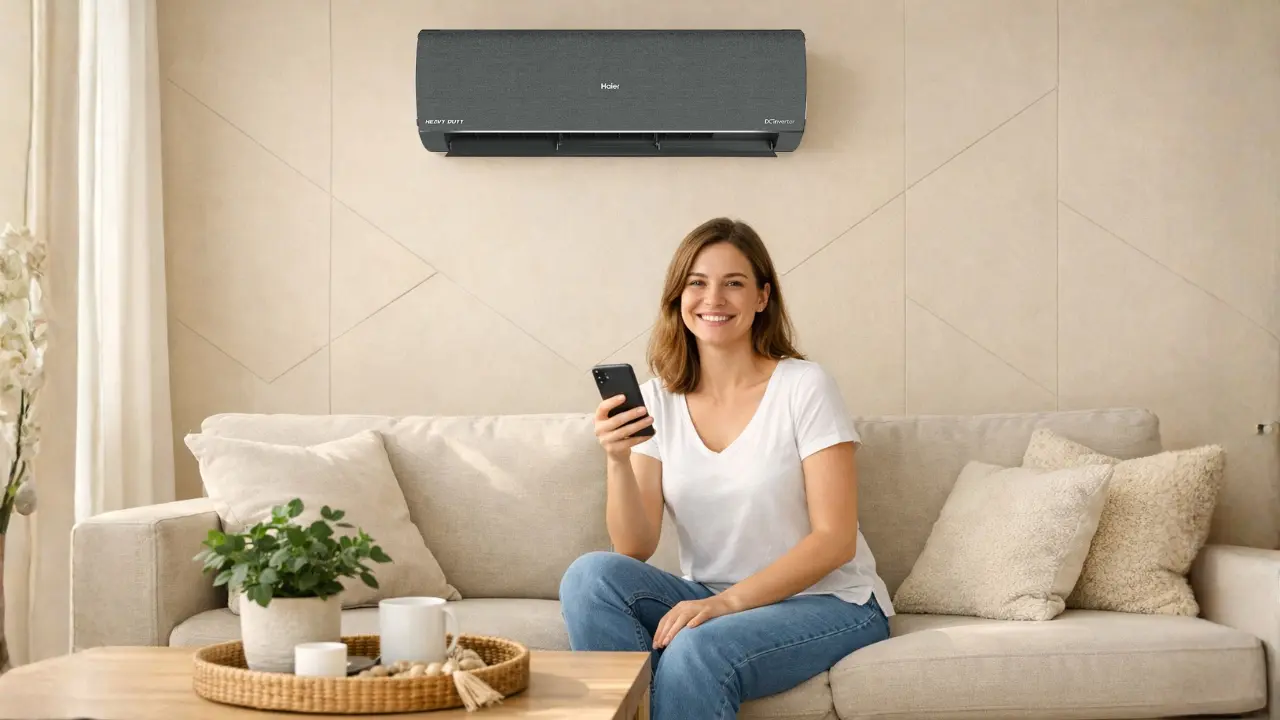

Transparent electricity tracking means knowing exactly how much power your home appliances use, when they use it, and what it costs you in real time.
When energy use becomes visible, decisions become smarter. You cool better. You waste less. You spend with intention, not surprise.
That is the short answer.
The longer answer lives in Indian living rooms, in monthly bill shock, in parents asking, “AC kitna chala?” and in young professionals staring at unit consumption without context.
Electricity tracking is not about numbers.
It is about control.
The evening bill moment we all recognise.
It is 8:30 pm.
Dinner is done. The TV runs in the background. The AC hums steadily. Someone casually opens the electricity bill on their phone.
A pause.
The amount feels higher than expected.
No one knows why.
According to India’s Central Electricity Authority, residential electricity consumption in urban India has steadily risen over the past decade due to air conditioning, larger appliances, and increased device usage.
The India Meteorological Department also confirms that summer heat waves are lasting longer in several cities, pushing AC usage higher.
More devices. Longer hours. Rising tariffs.
Yet most homes still operate blindly.
What you cannot see, you cannot optimise.
That is where transparent electricity tracking changes the game.
What Transparent Electricity Tracking Actually Means
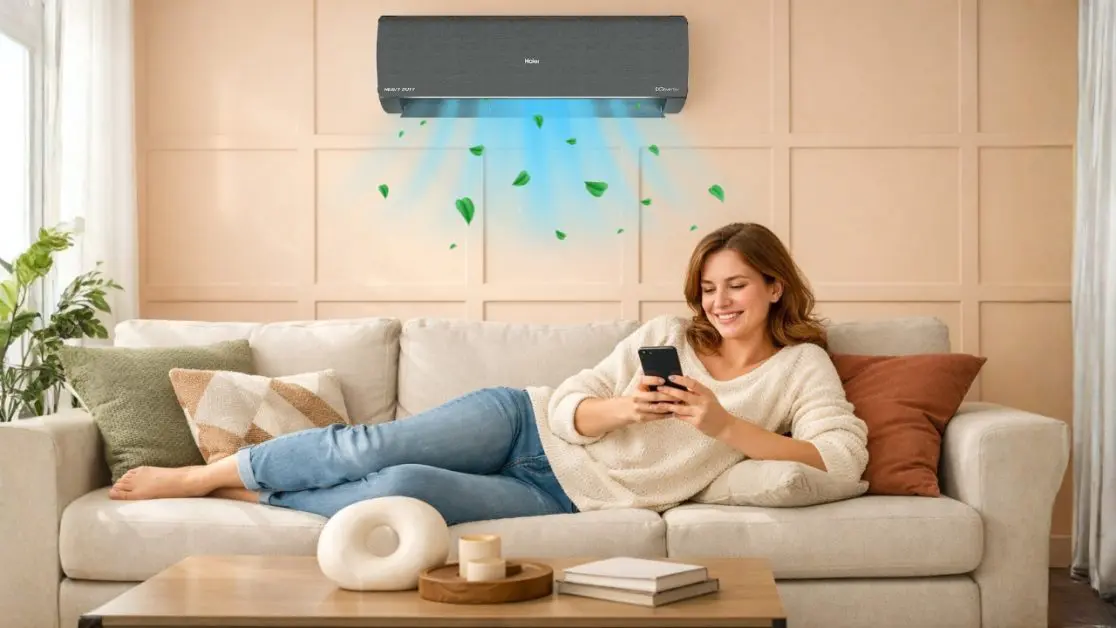
Transparent electricity tracking is simple in principle.
It answers three questions clearly:
- How many units are you consuming?
- Which appliance consumes the most?
- What does that translate to in rupees?
Many modern smart appliances now provide this data inside companion apps.
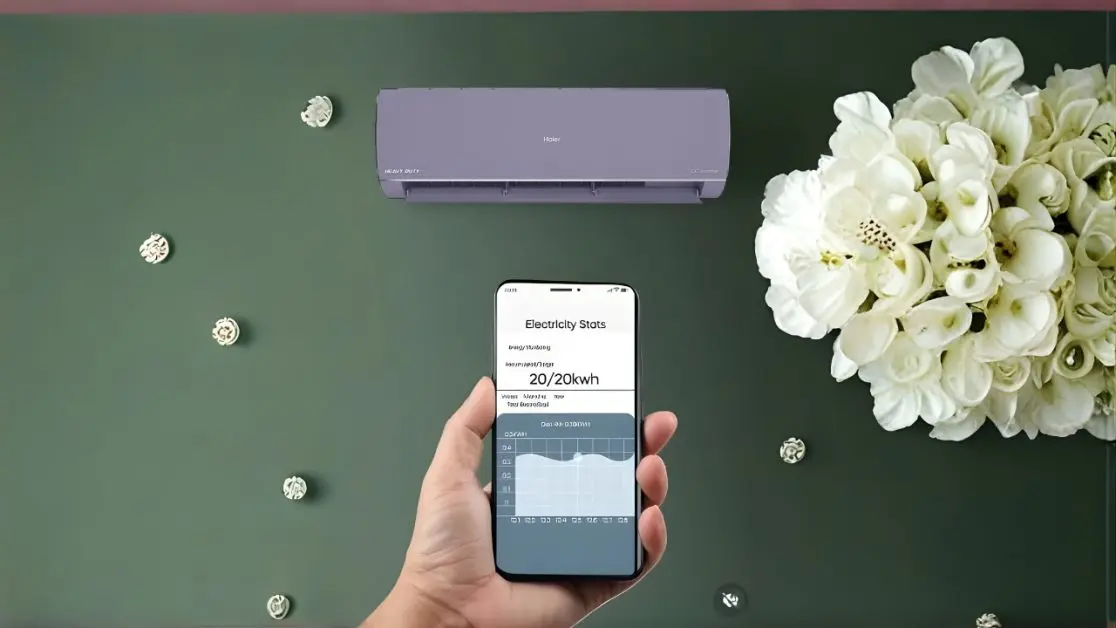
For example, Haier’s AI Atmox powered air conditioners include Electricity monitoring 2.0 and Atmox Power Manager features that display consumption in graphical and calendar formats, along with cost tracking and target setting.
This is not a gimmick.
It is structured visibility.
Why Electricity Tracking Changes Behaviour Instantly
Let us break this down.
When you see consumption in units, it feels abstract.
When you see it in currency, behaviour changes.
According to behavioural economics studies by the International Energy Agency, households with real time energy feedback reduce electricity usage by 5 to 15 percent*. Simply by seeing data.
No force. No penalty.
Just awareness.
Transparency turns habits into choices.
That one shift defines smarter homes.
Three Ways Indian Homes Typically Handle Electricity
Let us be honest. Most households fall into one of these three patterns.
One option is reactive living
- Use appliances freely.
- Adjust only after bill shock.
- No tracking.
- No targets.
Cost:
- Unpredictable bills.
- Stress at the end of the month.
- No data for improvement.
Benefit:
- Zero effort in the short term.
The second option is restrictive living
- Avoid AC use.
- Switch off aggressively.
- Sacrifice comfort to save.
Cost:
- Compromised comfort.
- Family disagreements.
- Frustration in peak summer.
Benefit:
- Lower bills, but at a lifestyle cost.
The third option is transparent optimisation
- Track usage daily or weekly.
- Set realistic consumption targets.
- Use smart features like AI Eco 2.0 or Human Detection.
- Balance comfort and efficiency.
Cost:
- Minimal learning curve.
- Occasional app check.
Benefit:
- Predictable bills.
- No comfort sacrifice.
- Data driven adjustments.
The third option wins because it respects both comfort and control.
How Smart AC Electricity monitoring 2.0 Creates Better Decisions
Air conditioners are often the biggest electricity contributors in Indian homes. Bureau of Energy Efficiency data shows that AC usage can account for 40 to 60 percent* of household electricity consumption in summer months.
That is not small.
Now imagine this scenario.
Instead of guessing how long the AC ran, you see:
- Daily consumption graph
- Normal mode vs Eco mode duration
- Real time cost display
- Custom energy targets
Haier’s AI Atmox Power Manager showcases these views inside its Electricity monitoring 2.0 interface.
Suddenly, decisions become clear.
Run at 24°C instead of 20°C.
Use AI Eco 2.0 during moderate heat.
Let Human Detection auto power down when the room is empty.
Each action connects to visible numbers.
When energy becomes measurable, waste becomes optional.
AI Eco 2.0 and Human Detection: Automation Meets Awareness
Electricity tracking alone informs.
Automation acts.
The AI Eco 2.0 system in Haier’s AI Atmox powered AC adjusts cooling levels based on temperature gaps, automatically shifting between efficiency modes to reduce overcooling.
Human Detection goes further. It senses room occupancy and automatically reduces power or switches off after inactivity.
This combination creates a powerful loop:
- Monitor usage.
- Automate efficiency.
- Review savings.
- Refine behaviour.
It feels less like appliance management.
More like energy intelligence.
Transparent Tracking During Indian Summers
Indian summers are not gentle.
In cities like Delhi, Jaipur, and Nagpur, peak temperatures regularly cross 40°C. Extended heat waves increase cooling demand across households.
Here is the hidden system:
- Higher heat means longer AC runtime.
- Longer runtime means higher unit consumption.
- Higher consumption pushes slabs upward.
- Slab increase means higher per unit cost.
Electricity tariffs in many states operate on slab based pricing. That means the more you consume, the higher your marginal rate.
Tracking daily consumption helps avoid crossing into higher slabs unnecessarily.
A simple weekly check can prevent a tariff jump.
That is not a small insight.
It is a strategic advantage.
Electricity Tracking for New Homes and Young Families
Millennials and Gen Z homeowners approach homes differently.
They budget monthly subscriptions.
They track investments on apps.
They measure calories and steps daily.
But electricity remains old school.
Why?
Electricity tracking aligns naturally with digital lifestyles.
For couples setting up new homes:
- It builds shared accountability.
- It avoids blame over bills.
- It creates transparency early.
For working professionals living solo:
- It simplifies budgeting.
- It prevents surprise spikes during peak months.
For parents:
- It teaches children the cost of energy.
- It builds conscious consumption habits.
Energy awareness becomes cultural.
Not just functional.
Five Practical Habits That Transparent Electricity Tracking Enables
Here is what visible data allows:
- Compare weekday vs weekend consumption.
- Identify peak hours.
- Track mode usage.
- Set monthly energy caps.
- Review savings from Eco mode.
These are not technical upgrades.
They are behavioural upgrades.
And behavioural upgrades compound.
The Broader Pattern: Visibility Drives Performance
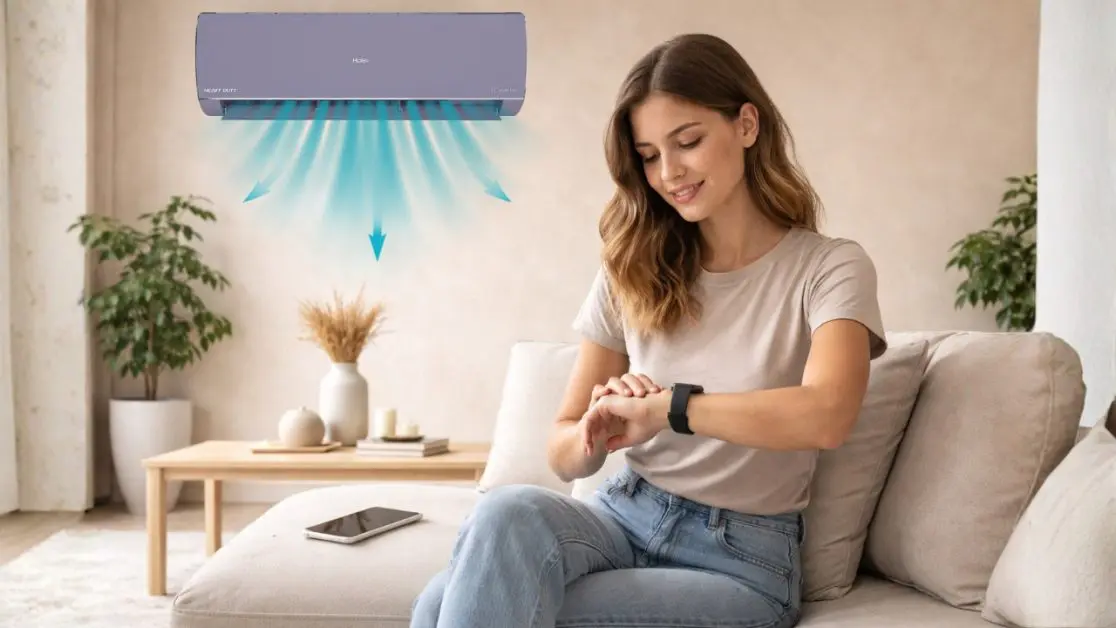
Think about a bookstore.
When books are stacked randomly, sales drop.
When they are categorised clearly, customers decide faster.
Electricity tracking works the same way.
Clarity drives choice.
Choice drives optimisation.
Optimisation drives savings.
The hidden system is simple.
Visibility precedes efficiency.
From Appliance to Energy Partner
Smart appliances are no longer passive machines.
They analyse temperature.
They detect occupancy.
They track usage patterns.
They display cost awareness.
Haier’s AI Atmox powered systems integrate Electricity monitoring 2.0, AI Eco 2.0, Human Detection, and Power Management into one ecosystem.
This is not about pushing a product.
It is about shifting mindset.
From reacting to bills.
To anticipate outcomes.
The Decision Framework for Smarter Electricity Use
If you want a simple lens, use this three step framework:
Step 1: Make energy visible
Choose appliances or systems that show real time consumption.
Step 2: Set intentional targets
Define a realistic monthly unit or cost goal.
Step 3: Automate optimisation
Enable AI Eco 2.0, occupancy detection, and smart adjustments.
Then review weekly.
Not obsessively.
Just consciously.
That is enough.
The Real Payoff Is Not Just Savings
Savings matter.
But the deeper benefit is calm.
No last minute bill panic.
No uncomfortable summer arguments.
No guessing.
In uncertain economic climates, households value predictability. Transparent electricity tracking creates that predictability.
It turns energy from an invisible cost into a managed resource.
And that shift mirrors something larger.
In business, transparency drives smarter investments.
In homes, transparency drives smarter living.
Different scale. Same principle.
Smarter Homes Start With Smarter Visibility
Electricity will always power our lives.
But it does not have to control them.
When energy usage becomes transparent, decisions sharpen. Waste shrinks. Comfort remains intact.
Smarter decisions through transparent electricity tracking are not about technology alone.
They are about clarity.
And clarity changes everything.
That is the insight most homes are quietly waiting for.
Frequently Asked Questions
Why does my electricity bill suddenly feel higher even when my usage habits haven’t changed much?
Electricity bills often rise due to longer appliance runtime, especially air conditioners during hotter months. Rising tariffs, slab-based pricing, and additional devices at home can also increase costs even if daily habits seem unchanged.
I keep asking my family “AC kitna chala?” but no one knows. How do I actually track this?
Smart appliances or electricity monitoring systems show real-time consumption data. Instead of guessing runtime, you can see daily unit usage and cost directly inside a companion app.
Why do electricity bills feel unpredictable in Indian homes?
Most homes lack real-time consumption visibility. People only see the total bill at the end of the month, without knowing which appliances contributed the most or when the usage happened.
Is electricity tracking really necessary if I already try to save power?
Yes. Good intentions alone rarely translate into measurable savings. Transparent tracking connects habits with real data, helping you adjust usage more effectively.
What exactly does transparent electricity tracking mean?
It means being able to clearly see how much electricity you use, which appliances consume it, and what it costs in real time.
Does seeing electricity usage actually change behavior?
Yes. Research shows that households with real-time feedback typically reduce electricity usage by 5–15%, simply because awareness influences decisions.
Why does seeing energy cost in rupees make a bigger impact than seeing units?
Units feel abstract, but money feels real. When energy consumption converts into rupee values, people instantly understand the financial impact.