
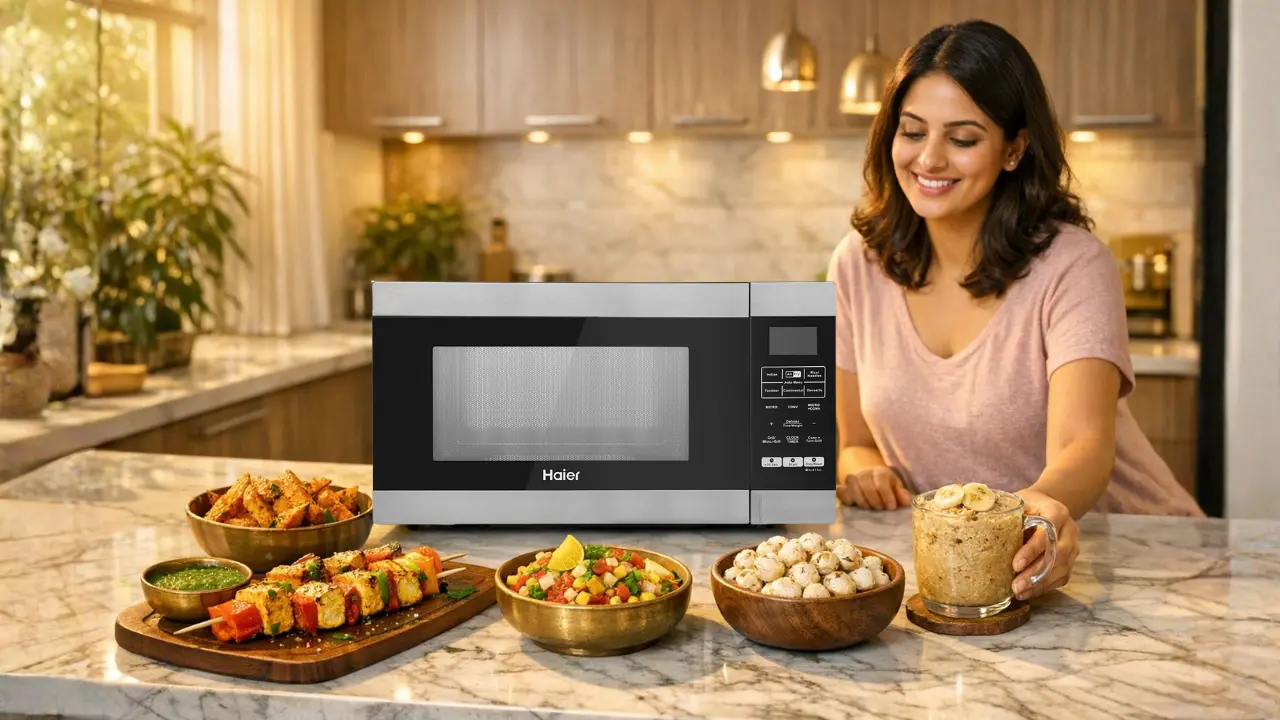

Yes. March weather changes demand lighter, faster cooking.
As winter fades and temperatures begin rising across India, cooking habits naturally shift. Heavy gravies and long stove sessions start feeling uncomfortable.
Light meals, quicker cooking, and smarter kitchen tools become the better choice. The goal is simple: eat fresh, cook faster, and keep the kitchen cooler while maintaining nutrition and taste.
The kitchen feels different when seasons change.
It is 6:45 pm in mid March.
The sun still lingers outside. The air carries a hint of warmth. Someone opens the kitchen window before starting dinner.
This moment matters more than it seems.
Indian kitchens operate on rhythm. Winter invites slow cooking, deep gravies, and simmering dals. But March quietly changes the rules.
Long stove sessions heat the entire kitchen. Oil-heavy meals feel heavier than they did in January. Even the idea of standing beside a gas flame begins to feel unnecessary.
Seasonal shifts influence how we cook far more than most people realise.
The India Meteorological Department notes that average temperatures across many Indian cities rise sharply between February and April. In cities like Delhi, Nagpur, and Ahmedabad, evening temperatures can climb by 4 to 6°C during this transition.
Heat changes appetite.
Heat changes cooking behavior.
And smart kitchens adapt.
Good cooking is seasonal thinking.
Why March Is the Month That Changes Indian Cooking Habits
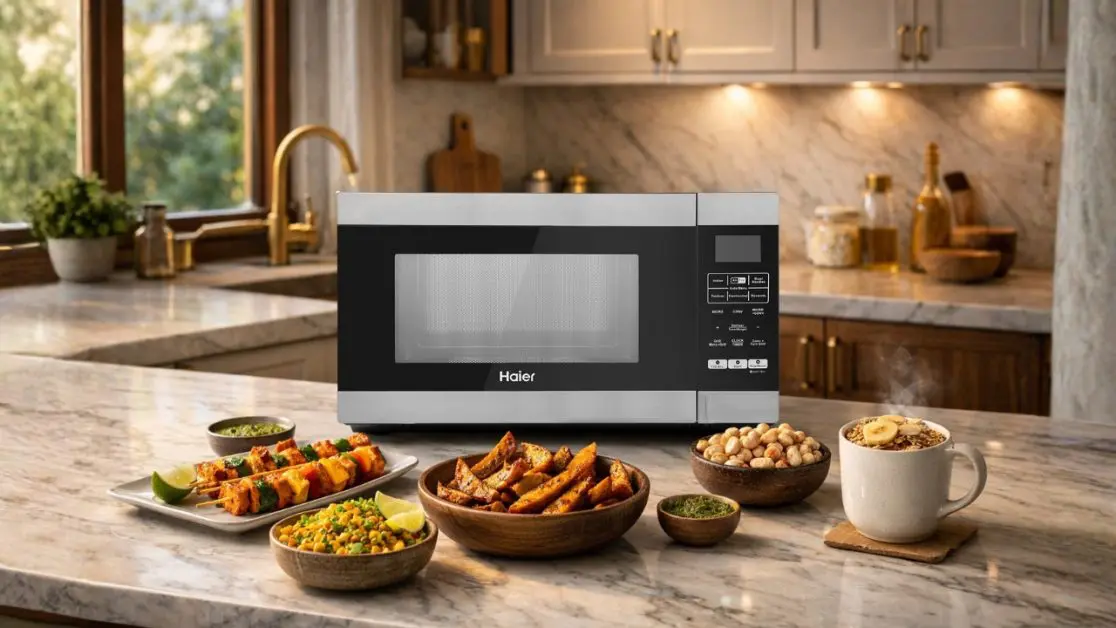
The quiet transition between winter and summer
March sits in a fascinating space.
Winter recipes still exist in memory. Summer meals are not fully here yet. Kitchens sit between two worlds.
In simpler terms:
Your body prefers lighter food when the air gets warmer.
Three visible shifts inside real Indian homes
By mid March, most households begin noticing small changes.
1. Cooking time becomes shorter
Nobody wants a kitchen filled with heat at 7 pm. Quick cooking starts winning.
2. Food becomes lighter
Steamed vegetables, grilled snacks, and fruit-based desserts replace creamy gravies.
3. Appliances become helpers
People rely more on efficient appliances rather than long stovetop cooking.
This shift is not a trend.
It is a pattern repeated across millions of homes every year.
Light Cooking Methods That Work Better in March
The question becomes simple.
How do you cook without heating the whole kitchen?
There are three effective approaches.
Option 1: Steam, microwave, and cook faster
Microwave cooking reduces cooking time dramatically. Less time cooking means less heat in the kitchen.
Modern convection microwaves also combine grilling, baking, and steaming in one compact appliance.
For example, appliances like the Haier 20L Convection Microwave with Mirror Glass Design (HIL2001CSSH) include 66 preset auto cook menus that automatically adjust cooking time and power levels, making quick meal preparation easier.
Short cooking cycles also help preserve nutrients because food spends less time exposed to heat.
Option 2: Air fry instead of deep frying
Oil-heavy snacks feel heavier as temperatures rise.
Air frying solves this problem.
A modern convection microwave with air fryer capability allows crisp snacks with minimal oil. Appliances like the Haier 30L Convection Microwave with In-Built Air Fryer (HIL3001ARSB) offer 36 dedicated air fryer menus and over 300 auto cook programs designed for fast, oil reduced cooking.
Less oil means lighter meals.
And less heat stays trapped in the kitchen.
Option 3: Cook once, snack smartly
Many modern households prepare ingredients once and assemble snacks throughout the week.
This approach reduces daily cooking time and avoids repeated heat buildup in the kitchen.
Examples include:
- Pre roasted makhana
- Boiled corn stored in the refrigerator
- Air fried sweet potato cubes
- Chilled fruit bowls
- Paneer tikka made in a convection microwave
Smart kitchens reduce friction.
Five Light Evening Snacks Perfect for March Weather
Evening snacks become important during seasonal transitions.
They bridge the gap between lunch and dinner without feeling heavy.
Here are five options that work well in warmer evenings.
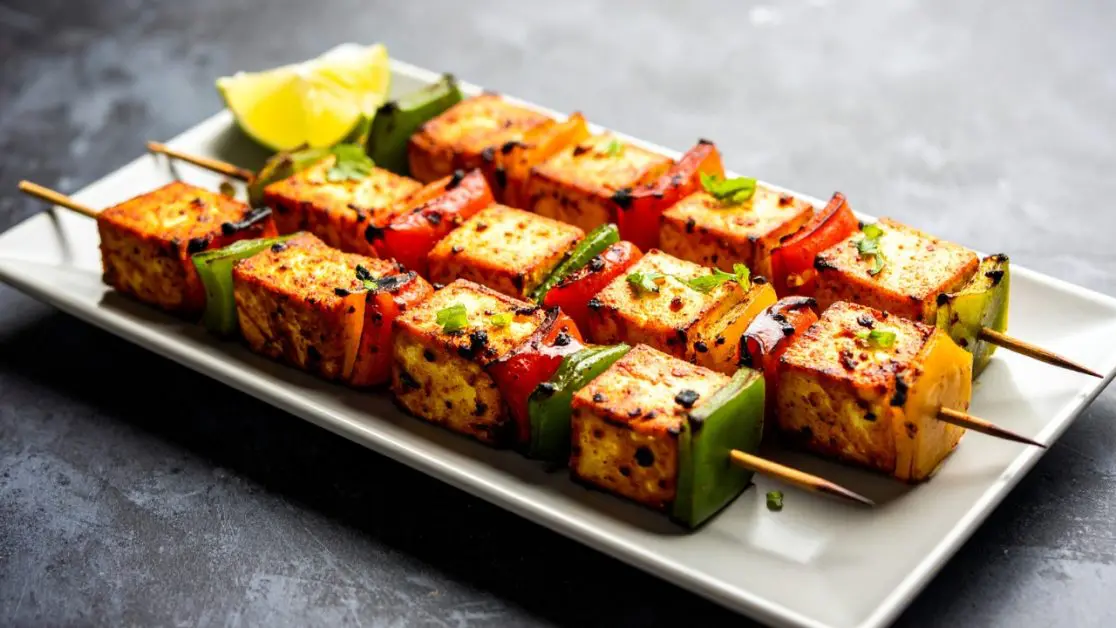
1. Paneer Tikka Skewers
Quick. Protein rich. Light.
Paneer cubes marinated in yogurt and spices cook perfectly in convection mode.
2. Air Fried Sweet Potato Wedges
Sweet potatoes contain complex carbohydrates and fiber. According to USDA nutrition data, they also provide vitamin A and potassium.
Air frying reduces oil dramatically.
3. Corn Chaat
Steamed corn mixed with onion, tomato, lemon juice, and chaat masala creates a quick refreshing snack.
4. Banana Oat Mug Cake
A small dessert cooked in minutes inside a microwave.
No oven. No long baking session.
5. Roasted Makhana Bowl
Makhana contains protein and calcium according to research from the Indian Journal of Traditional Knowledge.
A warm bowl feels comforting without feeling heavy.
Quick Snack Comparison Table
| Snack | Cooking Time | Cooking Method | Why It Works in March |
| Paneer Tikka | 8 to 10 min | Convection grill | High protein, light |
| Sweet Potato Wedges | 12 min | Air fryer | Minimal oil |
| Corn Chaat | 5 min | Steam or microwave | Hydrating, refreshing |
| Mug Cake | 2 min | Microwave | Fast dessert |
| Roasted Makhana | 5 min | Air fry or roast | Light evening snack |
Short cooking cycles keep kitchens cooler.
The Hidden System Behind Seasonal Cooking
Many people assume cooking habits are cultural.
In reality, they are environmental.
Temperature changes influence appetite. Appetite influences recipes. Recipes influence appliances.
This chain reaction happens quietly inside every home.
Think of it like a bookstore.
In winter, readers pick thick novels. In summer, they choose lighter books. The reader does not change.
The environment does.
The same principle applies to food.
Seasonal cooking is environmental intelligence.
Why Smart Appliances Fit the March Kitchen
When the weather warms, efficiency matters.
Convection microwaves combine multiple cooking methods into a single system.
For example:
- Microwave heating for fast cooking
- Grill mode for crispy snacks
- Convection baking for light meals
- Air fryer capability for healthier snacks
Some models also include stainless steel cavities that improve heat reflection and cooking efficiency.
This design reduces cooking time and keeps heat contained inside the appliance instead of spreading through the kitchen.
Small details.
Big impact.
Three Principles That Make March Cooking Easier
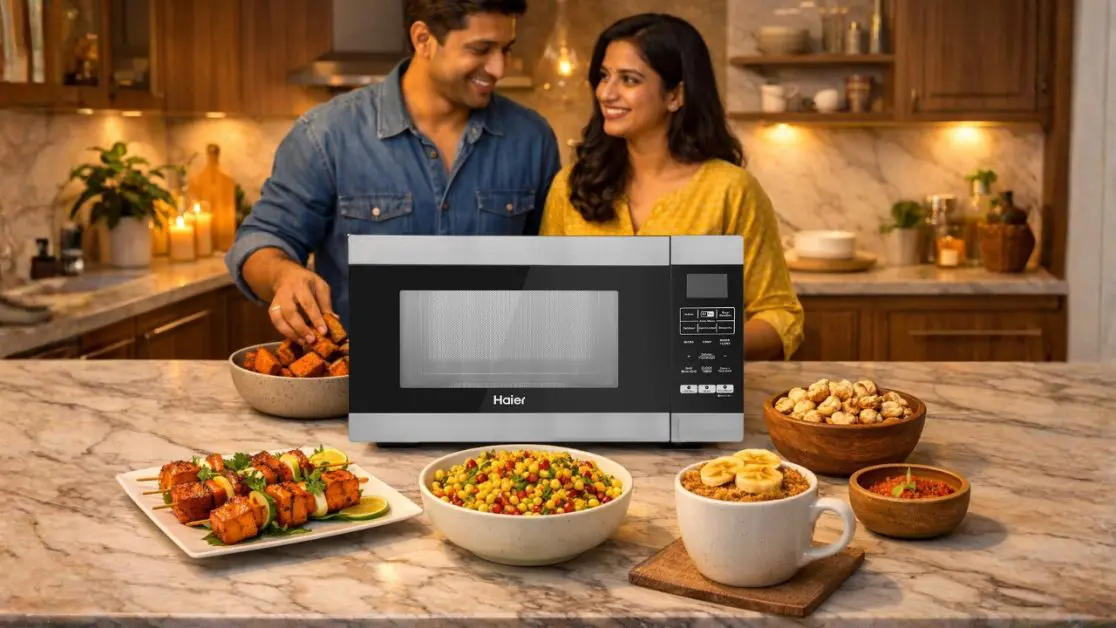
After watching hundreds of Indian kitchens operate through seasonal shifts, a few patterns stand out.
1. Cook lighter
Lighter meals reduce digestive load in warmer weather.
2. Cook faster
Short cooking cycles keep the kitchen cooler.
3. Cook smarter
Multi function appliances reduce complexity and save time.
These principles apply everywhere.
From Mumbai apartments to small town kitchens.
The Bigger Insight Hidden Inside Everyday Cooking
Cooking habits reveal something deeper about how people adapt.
Systems change slowly.
People change instantly.
The moment March heat arrives, kitchens reorganize themselves.
Dinner becomes simpler. Snacks become lighter. Cooking becomes quicker.
Not because someone planned it.
Because comfort demands it.
And the kitchens that adapt fastest always feel the most effortless.
Smart homes do not try harder.
They simply adjust sooner.
That small shift makes everyday life feel easier.
And in a busy household, ease is the quiet luxury everyone appreciates.
Frequently Asked Questions
Why does my kitchen suddenly feel hotter in March even though summer hasn’t started yet?
March is a transition month when evening temperatures start rising. Even a small increase of 4–6°C can make gas stove cooking feel uncomfortable because the flame adds additional heat to the kitchen environment.
Why do heavy curries and gravies feel harder to eat in March?
As temperatures rise, the body naturally prefers lighter foods that are easier to digest. Oil-heavy gravies feel heavier because the body requires less energy-dense food in warmer weather.
Is it normal that I suddenly want lighter meals in the evening during March?
Yes. Appetite patterns shift with seasonal temperature changes. Warmer weather naturally encourages lighter, fresher foods.
What are easy evening snacks I can cook in March without spending too much time in the kitchen?
Quick options include paneer tikka skewers, roasted makhana, air-fried sweet potato wedges, corn chaat, and microwave mug cakes.
What meals feel lighter but still filling during the March weather transition?
Protein-rich snacks like paneer tikka, steamed corn chaat, or roasted makhana offer nutrition without the heaviness of creamy gravies.
How can I decide between cooking a full meal and preparing quick snacks on warmer evenings?
When temperatures rise, many households prefer lighter snacks or small plates rather than large, heavy dinners.
How can I cook dinner without making my kitchen feel like an oven?
Use faster cooking methods such as microwave cooking, air frying, or steaming. These methods reduce cooking time and minimize heat buildup.
Does shorter cooking time really keep the kitchen cooler?
Yes. Less cooking time means less heat generated from the stove or appliance.
Why do people start opening kitchen windows more in March?
Ventilation becomes more important as temperatures rise and cooking heat becomes more noticeable.