
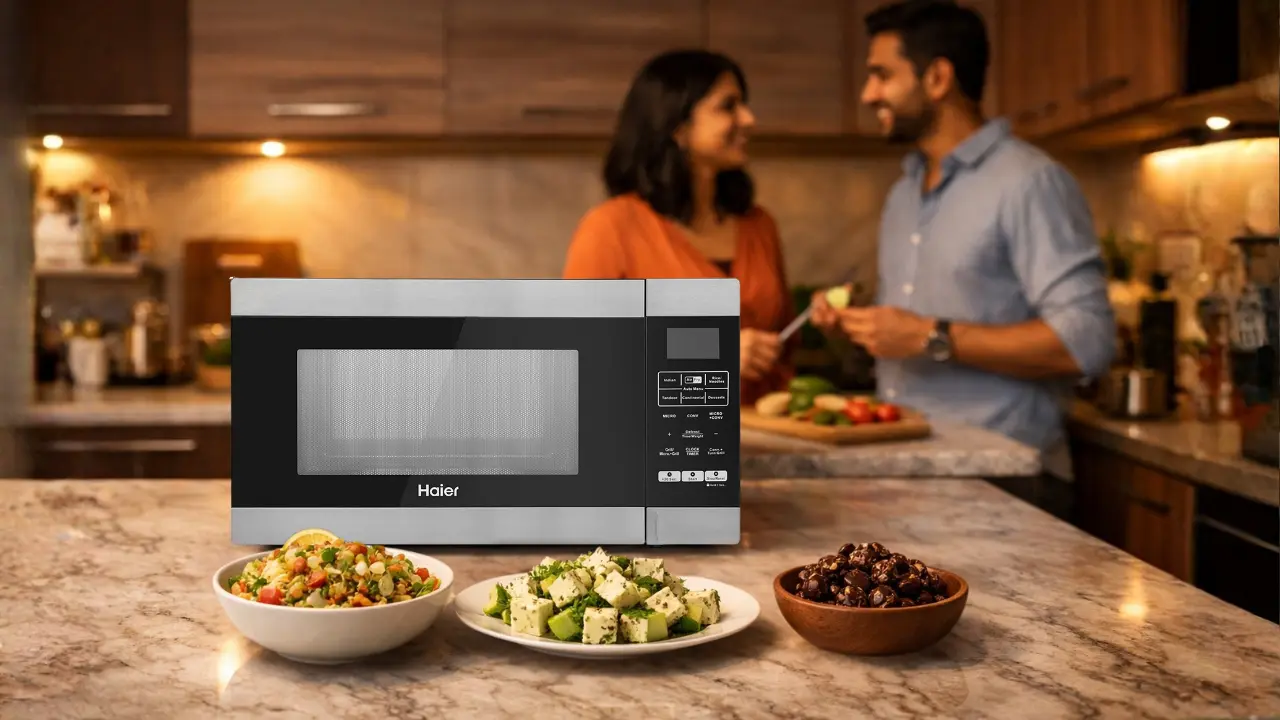

Light evening snacks without heating the whole kitchen are simple foods prepared using quick cooking methods such as microwaving, air frying, or minimal heat techniques.
The goal is comfort without excess heat, especially in Indian evenings when kitchens already feel warm. The right snack balances speed, nutrition, and temperature control.
Evenings in Indian homes follow a rhythm.
The front door opens. Bags drop near the sofa. Someone asks, “Chai banauna?”
And suddenly everyone wants a snack.
Not a full meal.
Not something heavy.
Just something warm, light, and satisfying.
But there is a quiet problem hidden inside this ritual.
Traditional snacking often means turning on the stove. Oil heats. The kitchen warms. The house feels heavier. In summer months especially, the simple act of making pakoras can raise the temperature of the whole space.
A small snack.
A big heat problem.
The question modern kitchens quietly ask is this:
Can evening snacks feel comforting without turning the kitchen into a furnace?
The answer is yes. But the solution is not only about recipes.
It is about systems.
Why Evening Snack Time Often Overheats the Kitchen
Most Indian snacks follow a familiar pattern.
Deep frying.
Long pan roasting.
Continuous gas flame.
These methods produce wonderful flavors. But they also release heat into the room.
In simple terms:
- Gas flames heat the air around the pan
- Oil retains heat longer
- Kitchens without strong ventilation trap warmth
Now combine that with Indian evenings.
Around 6:30 pm:
- The day’s heat still lingers
- ACs or fans are already running
- Families gather for tea
- The kitchen is active again
One small snack preparation can raise indoor kitchen temperatures by several degrees.
A better system keeps the snack, not the heat.
The Hidden Principle Behind Smart Evening Snacking
Here is the quiet insight.
The best evening snack systems minimize heat exposure while maximizing flavor and speed.
Instead of asking what snack should we cook, modern kitchens ask a different question:
What snack requires the least heat to create the most comfort?
Three approaches work beautifully.
1. Microwave Cooking
Microwave cooking heats food internally through electromagnetic waves rather than heating the surrounding air.
That means:
- Faster cooking
- Less kitchen heat
- Minimal oil
In fact, microwave cooking often preserves nutrients more efficiently because of shorter cooking times and limited water use.
Modern convection microwaves also expand what is possible.
For example, models like the Haier 25L Convection Microwave Oven (HIL2501CBSH) include more than 305 auto cook menus and combination cooking modes that combine microwave, grill, and convection functions to cook food faster and more efficiently.
A snack that once took 20 minutes on a pan can finish in a fraction of the time.
And the kitchen stays cool.
2. Air Frying Instead of Deep Frying
Indian snack cravings often come from crisp textures.
Samosas.
Cutlets.
Aloo tikki.
Traditional frying fills the room with heat and oil vapors.
Air frying changes the equation.
Hot circulating air cooks food evenly while using little or no oil.
For instance, appliances such as the Haier 30L Convection Microwave with In-Built Air Fryer (HIL3001ARSB) include dedicated air fryer menus that allow crispy snacks without the heavy oil heating process.
The result:
- Crisp texture
- Less oil
- Lower ambient heat
The snack still feels indulgent.
The kitchen feels calmer.
3. Smart Pre-Programmed Cooking
One reason people avoid quick snacks is uncertainty.
How long should this cook?
Will it burn?
Do I need to stand there watching?
Pre-set cooking systems remove that friction.
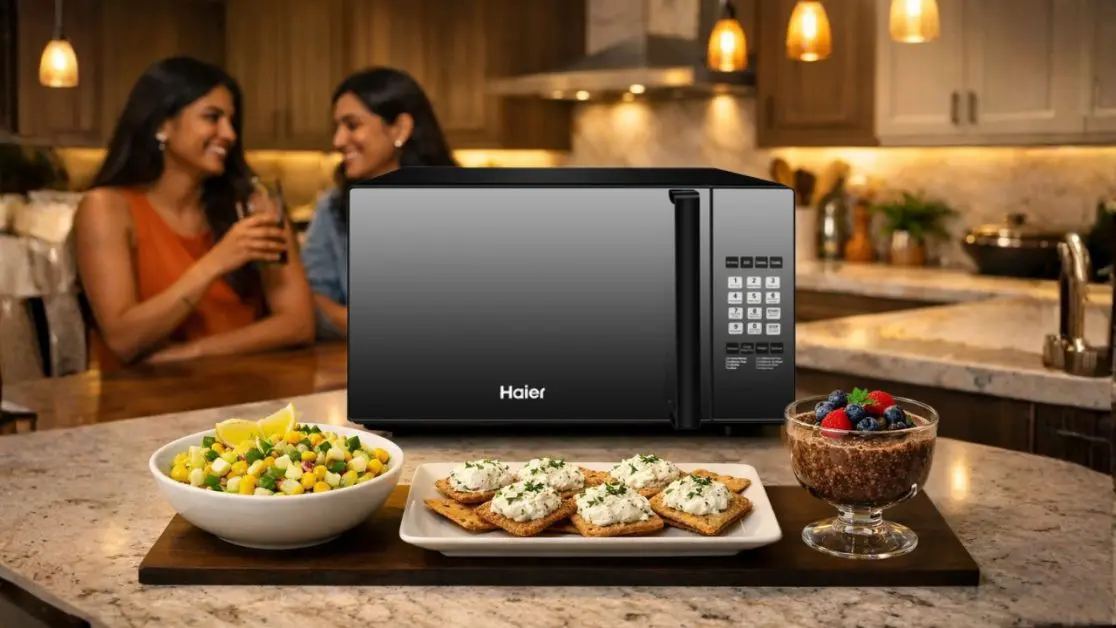
For example, compact appliances like the Haier 20L Convection Microwave with Mirror Glass Design (HIL2001CSSH) include 66 auto cook menus that automatically select power levels and time combinations.
Less guesswork.
Less standing near heat.
More relaxed evenings.
And that matters more than it seems.
Because snacks are rarely about food alone.
They are about moments.
Five Light Evening Snacks That Keep the Kitchen Cool
Now let us make this practical.
These snacks require minimal heat yet deliver satisfying textures and flavors.
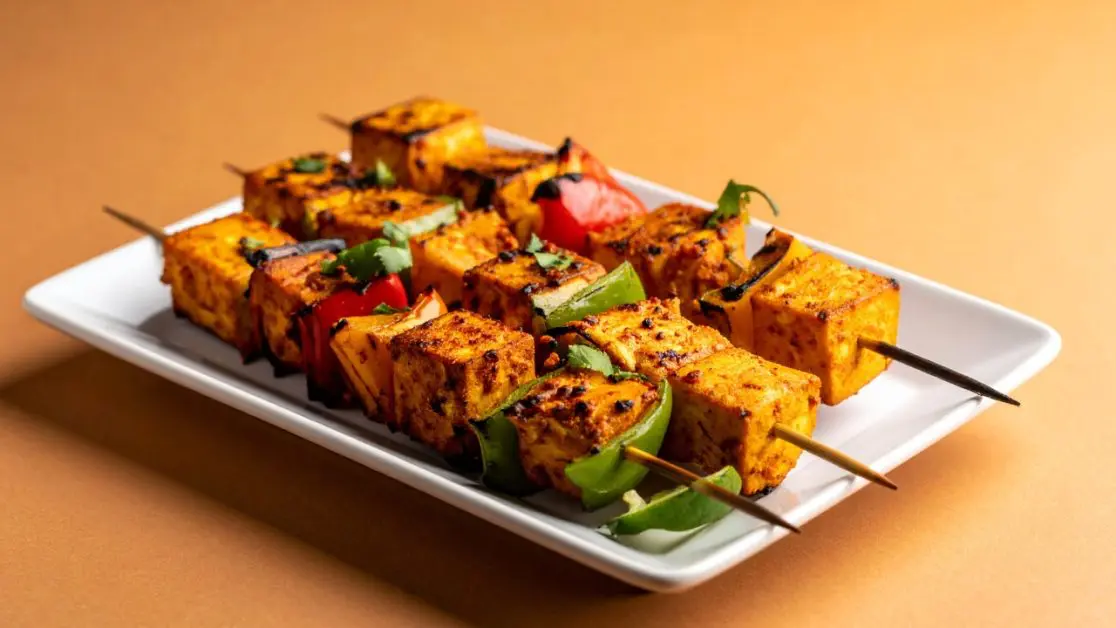
1. Paneer Tikka Bites
Paneer cubes marinated with yogurt, spices, and lemon.
Cook using grill or convection mode for about 7 to 8 minutes.
Benefits:
- High protein
- Minimal oil
- Quick preparation
Perfect for evenings when hunger arrives suddenly.
2. Vegetable Mug Upma
Upma in a mug sounds unusual.
But it works beautifully.
Mix semolina, vegetables, and water in a microwave-safe mug. Cook for two to three minutes.
Cost:
- One mug
- Minimal ingredients
Benefit:
- Warm, comforting snack in minutes.
3. Sweet Potato Air-Fried Cubes
Sweet potatoes cut into cubes with light spices.
Air fry for 10 minutes.
The outside turns crisp.
The inside stays soft.
Nutrition stays high. Oil stays low.
4. Corn and Peanut Chaat
Not every snack needs cooking.
Boiled corn, roasted peanuts, chopped onions, lemon juice, and chaat masala.
Five minutes.
No heat.
Sometimes the smartest kitchen move is simply avoiding the stove.
5. Banana Oat Mug Cake
A small bowl.
Mashed banana.
Oats.
A little cocoa.
Milk.
Microwave for two minutes.
The result feels like dessert.
But it remains light enough for evening tea.
Quick Snack Comparison
| Snack | Cooking Method | Time | Kitchen Heat |
| Paneer Tikka | Grill/Microwave | 8 min | Low |
| Mug Upma | Microwave | 3 min | Very Low |
| Sweet Potato Cubes | Air Fry | 10 min | Low |
| Corn Peanut Chaat | No cooking | 5 min | None |
| Banana Oat Mug Cake | Microwave | 2 min | Very Low |
The pattern becomes clear.
Smart snacks reduce heat exposure without sacrificing flavor.
Why Cooler Cooking Matters in Modern Homes
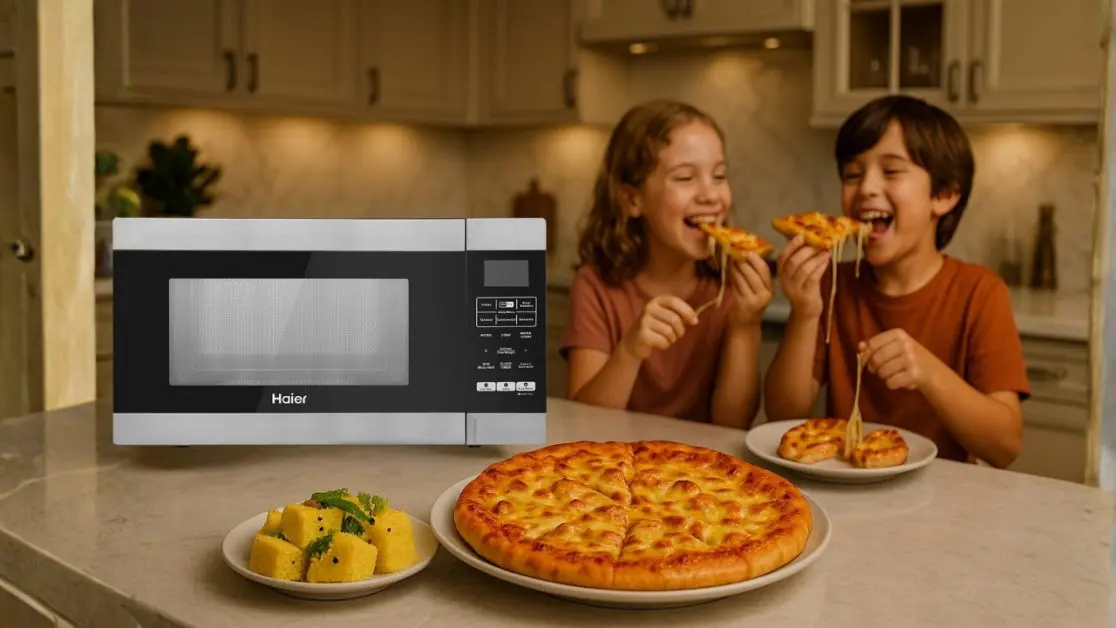
Modern Indian homes are evolving.
Apartments are compact.
Open kitchens connect to living rooms.
Families gather in shared spaces.
Heat now spreads faster through the home.
What once stayed inside a separate kitchen now travels across the living room.
Evening cooking habits matter more.
And the smallest design change can transform daily comfort.
A convection microwave with grill, air fry, and pre-set cooking functions becomes more than a gadget.
It becomes a system that protects the rhythm of the home.
The Real Secret Behind Stress-Free Evenings
Here is the deeper pattern.
The best kitchens remove friction from everyday moments.
Not just cooking friction.
Decision friction.
When snacks are easy:
- Families gather faster
- Children eat healthier
- Working professionals avoid junk deliveries
- Kitchens stay calmer
Technology quietly supports this shift.
Features like auto cook menus, oil-free cooking options, and combination cooking modes reduce time, heat, and effort simultaneously.
The snack becomes effortless.
Which is exactly what evenings should feel like.
The One Insight Worth Remembering
Evening snacks are not about food.
They are about transition.
Workday to family time.
School to relax.
Noise to calm.
And the best kitchens understand this.
They design systems where small comforts happen easily.
No overheating.
No chaos.
No unnecessary effort.
Just tea.
A light snack.
And the feeling that home is exactly where it should be.
Cool. Comfortable. Ready for the evening ahead.
Frequently Asked Questions
What are the easiest evening snacks I can make when I’m tired and don’t want to cook much?
Light snacks like corn and peanut chaat, banana oat mug cake, vegetable mug upma, paneer tikka bites, or air-fried sweet potatoes work well. They require minimal cooking time and little to no stovetop heat.
I just got home from work and everyone wants chai. What snack can I make in under 5 minutes?
Quick options include corn chaat, roasted peanuts with lemon and spices, microwave mug upma, or a mug cake. These require very little preparation and almost no kitchen heat.
Why do evening snacks feel like so much work after a long day?
Because traditional snacks often involve deep frying or long stovetop cooking, which requires constant attention and heats the kitchen. Quick microwave or air-fryer snacks reduce that effort.
I left my snack mixture (like chopped vegetables or corn) on the counter for a few hours. Is it still safe to eat?
If it was left uncovered in warm temperatures for more than 2 hours, it’s safer to discard it. Freshly preparing chaat ingredients is usually quick and safer.
I reheated a snack in the microwave but it became soggy. What did I do wrong?
Microwaves heat moisture quickly. For crispy snacks like cutlets or samosas, use grill or convection mode or reheat in an air fryer instead.
My kitchen gets very hot when I fry snacks. Is that normal?
Yes. Gas flames and heated oil release a lot of ambient heat, especially in compact kitchens with limited ventilation.
What cooking methods keep the kitchen cooler while making snacks?
Microwave cooking, air frying, and no-cook snacks generate far less ambient heat than stovetop frying.
Why does deep frying make my kitchen so hot?
Because heated oil retains and radiates heat, while gas flames also heat the surrounding air.
How long do microwave snacks usually take?
Most microwave snacks take 2–5 minutes, depending on the recipe.
Is air frying really faster than frying on the stove?
Often yes. Air fryers preheat quickly and cook evenly, reducing overall cooking time.
What are auto cook menus in microwaves and how do they help with snacks?
Auto cook menus automatically set power levels and cooking time, so you don’t have to guess settings.
Can a convection microwave replace frying snacks?
Yes. Convection microwaves can grill, bake, and air fry, producing crispy textures without deep frying.