
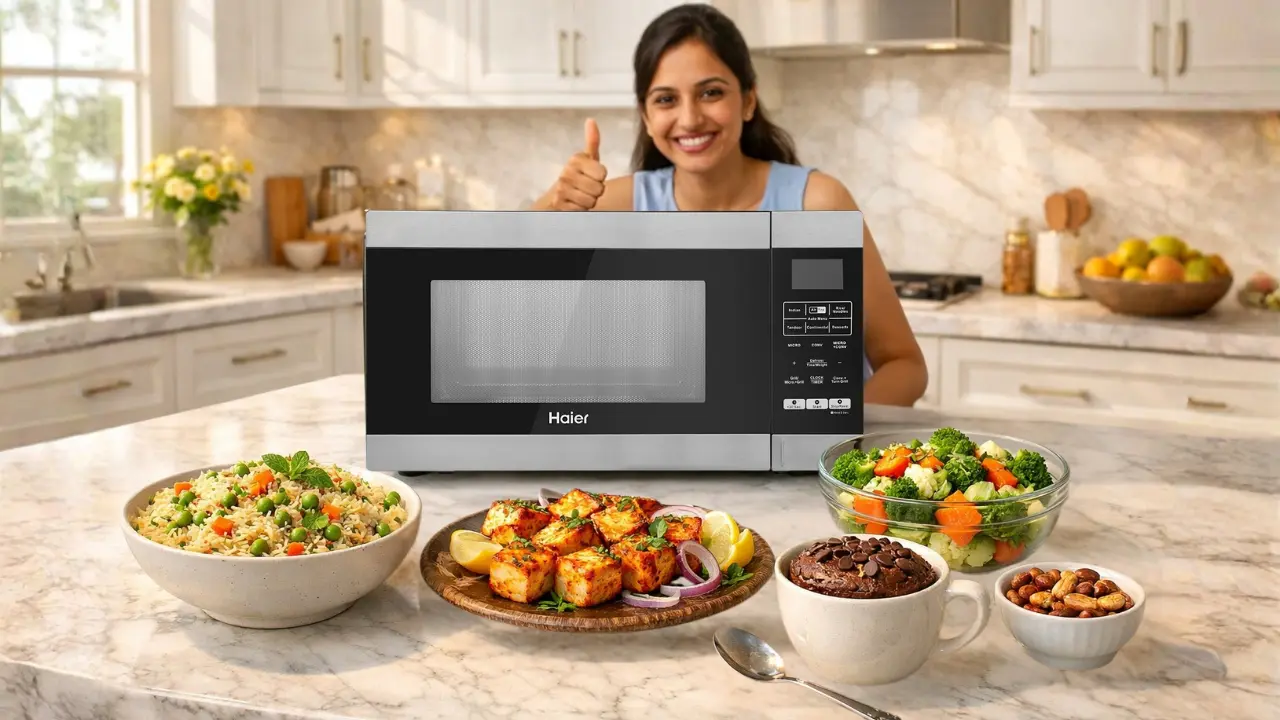

Child lock in microwaves prevents accidental usage, protects children from burns or misuse, and ensures controlled, safe operation in busy households.
It is not just a feature. It is a silent safeguard that turns a powerful appliance into a predictable and family-safe system.
The 7:30 PM kitchen moment that explains everything.
It is evening.
Dinner is halfway done. Something is heating. A call comes in. A child walks into the kitchen.
Curious. Fast. Unpredictable.
They press a button.
The microwave starts.
This is not a one-off situation. It is a system pattern.
Modern kitchens are shared spaces. And shared spaces demand appliances that assume unpredictability.
Safety is not about control. It is about designing for real life.
Why Microwaves Need Protection in Real Homes
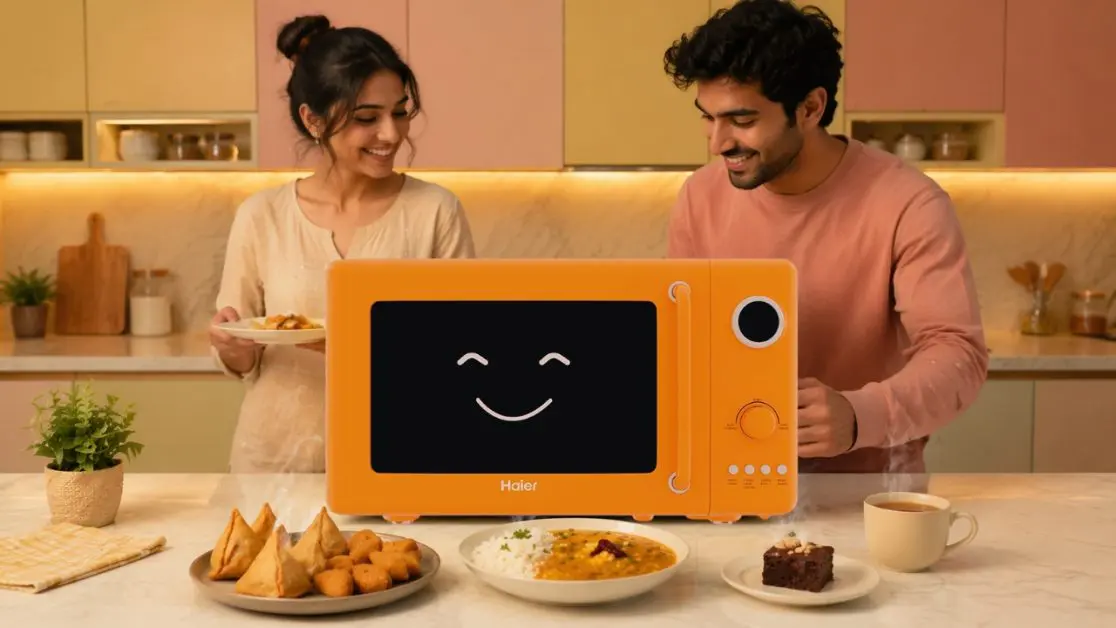
A microwave feels simple.
Press. Heat. Done.
But what is happening inside is anything but simple.
- High-speed electromagnetic heating
- Internal temperature spikes within seconds
- Uneven heating in liquids and food
- Instant operation with minimal delay
Now place this into an Indian household:
- Kids moving in and out of the kitchen
- Parents multitasking across chores
- Multiple users interacting with one appliance
- Fast, distracted decision-making
The result?
A system that works quickly. But reacts instantly to mistakes.
The faster the appliance, the greater the need for safeguards.
What Exactly Does a Child Lock Do?
Child lock is not just a feature.
It is a pause button for unintended actions.
When activated, it:
- Disables control panel inputs
- Prevents accidental start
- Locks cooking settings mid-cycle
- Requires intentional unlocking before use
It slows things down at the right moment.
And in kitchens, most mistakes happen because things move too fast.
Three Real-Life Scenarios That Reveal Its Importance
1. The Curious Touch Problem
Children explore by pressing buttons.
They do not understand heat. They understand interaction.
Without child lock:
- Microwave can start unexpectedly
- Food can overheat
- Steam burns become possible
With child lock:
- Interaction stops before activation
- Curiosity does not turn into risk
Curiosity remains safe.
2. The Multi-Tasking Parent Problem
Evening kitchens are layered.
You are cooking, answering calls, helping with homework.
Without child lock:
- A random press can reset the timer
- Heating cycles can restart unknowingly
With child lock:
- The system stays stable
- No interruptions mid-process
Less correction. More control.
3. The Shared Household Problem
Microwaves are used by everyone.
Parents. Kids. Sometimes even guests.
Without child lock:
- Wrong buttons get pressed
- Cooking modes change
- Food overheats or underheats
With child lock:
- Access becomes intentional
- Usage becomes predictable
Consistency replaces confusion.
Child Lock Is Not About Fear. It Is About Design
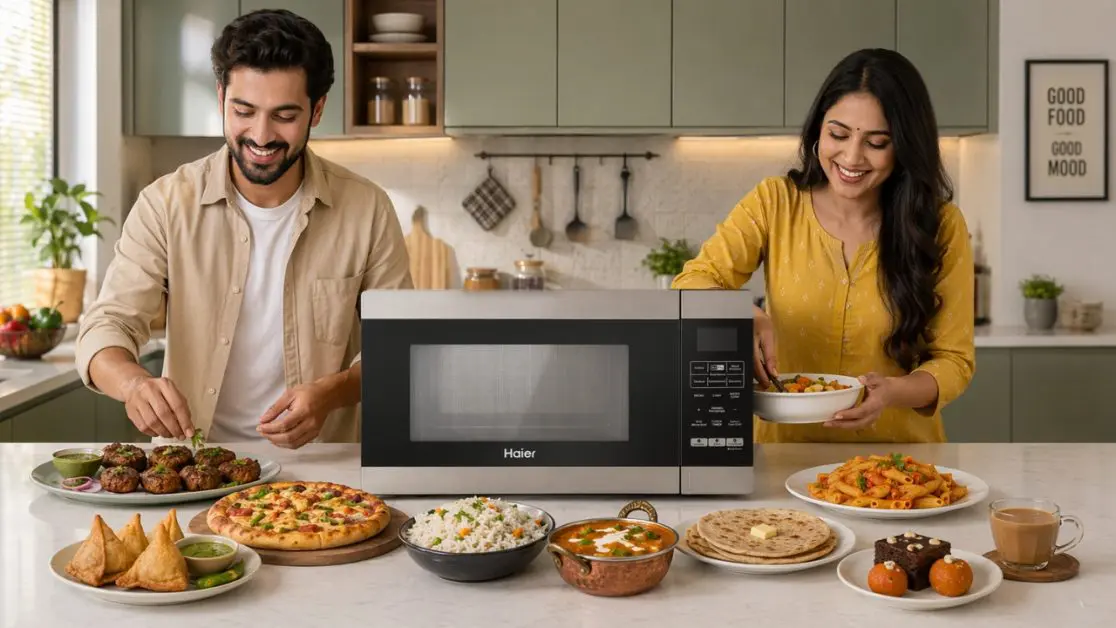
Most people think safety features exist for emergencies.
But good design assumes everyday unpredictability.
Child lock exists because:
- Humans get distracted
- Environments are dynamic
- Mistakes are natural
It is not reacting to danger.
It is preventing it.
A Simple Comparison That Changes Perspective
| Without Child Lock | With Child Lock |
| Accidental starts possible | No unintended operation |
| Kids can trigger functions | Restricted interaction |
| Settings can change mid-use | Stable cooking cycles |
| Requires constant supervision | Reduces supervision load |
| Higher risk of overheating | Safer usage environment |
The difference is quiet.
But it compounds every day.
How Modern Microwaves Combine Speed with Safety
Take the Haier Vogue series as an example.
Models like:
- Haier Vogue 20L Yellow Solo Microwave Oven with Auto Cook Menus I Digital Display (HIL20V1MYPD)
- Haier Vogue 20L Peach Solo Microwave Oven with Auto Cook Menus I Digital Display (HIL20V1MOPD)
- Haier Vogue 20L Blueberry Solo Microwave Oven with Auto Cook Menus I Digital Display (HIL20V1MBPD)
These are designed for real kitchens.
They offer:
- Instant Start for immediate heating
- Jog Dial Control for easy operation
- Auto Cook Menus that adjust time and power automatically
- Digital Display for clarity and control
These features reduce effort.
But they also increase speed of execution.
And when speed increases, so does the need for control.
That is where child lock becomes essential.
Why This Matters More in Indian Homes
Indian kitchens are not linear.
They are layered.
- Multiple dishes cooking together
- High usage during peak hours
- Shared access across generations
- Open kitchen layouts in modern homes
The microwave is no longer a secondary appliance.
It is central to everyday cooking.
Which means the risks are central too.
The more integrated the appliance, the more critical the safety.
The Hidden Cost of Ignoring Child Lock
Most people do not notice safety features until they need them.
But the cost shows up quietly.
1. Mental Load
Constantly watching who touches the appliance.
2. Time Loss
Resetting cycles. Reheating again.
3. Risk Exposure
Minor burns. Overheated containers.
These are not big failures.
They are small, repeated inefficiencies.
And small inefficiencies define daily experience.
Child Lock as a System Upgrade
Think of your kitchen as a workflow.
Every appliance contributes something.
- Speed
- Convenience
- Control
Child lock belongs to control.
It ensures:
- Actions are intentional
- Outcomes are predictable
- Usage is safe across users
Control turns speed into reliability.
What Should You Look For in a Microwave Today?
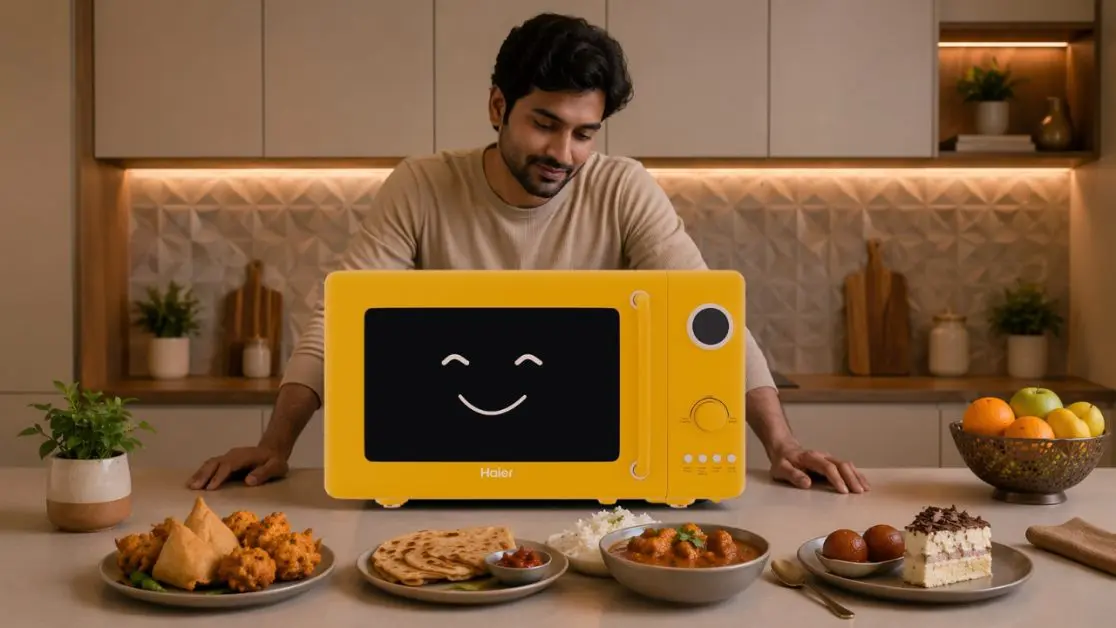
Most people optimize for features.
But real value comes from systems.
One option is speed-first thinking
- Focus on power and instant heating
- Risk increases without safeguards
The second option is convenience-first thinking
- Focus on auto menus and easy controls
- Improves usability, not safety
The third option is system thinking
- Combine speed, ease, and safety
- Prioritise features like child lock
The third option builds long-term reliability.
A Small Feature That Changes Everything
Child lock does not cook your food.
It does something more important.
It changes how confidently you use your appliance.
- Less checking
- Less worry
- Less correction
More flow.
And modern homes are built on flow.
The Larger Insight Most People Miss
Technology is not about adding features.
It is about removing friction.
Child lock removes:
- Accidental actions
- Unintended outcomes
- Invisible stress
The best features are the ones you never notice working.
So, Why Is Child Lock Important in Microwaves?
Because it protects without interrupting.
Because it enables speed without risk.
Because it respects how real homes function.
Not in theory. In everyday life.
The Final Thought
Walk into your kitchen tonight.
Now ask a better question.
Is it just fast, or is it safe when life gets unpredictable?
Because speed impresses.
But safety stays.
Frequently Asked Questions
I already have so many things to manage in the kitchen. Do I really need to think about child lock too?
Yes, because child lock reduces your mental load. Instead of constantly watching who might press what, it creates a built-in safety buffer so you can focus on cooking, not supervising every second.
I feel like I’m overthinking: are accidental microwave starts actually common?
More common than people admit. In shared kitchens, especially with kids, accidental presses happen often. Child lock turns those moments into non-events.
My child just likes pressing buttons. Is that really dangerous with a microwave?
Yes. Microwaves heat instantly and unevenly. A single press can start heating, leading to hot surfaces or steam burns. Child lock blocks that interaction entirely.
I left my kitchen for a minute and my kid touched the microwave. Should I be worried?
If the child lock wasn’t on, it’s worth checking. Even brief activation can overheat food or liquids. With child lock, that risk disappears.
My microwave heats things really fast. Why does that make child lock more important?
Speed increases risk. Faster heating means less reaction time if something goes wrong. Child lock ensures that speed only works when you intend it.
Can accidental starts actually damage food or containers?
Yes. Overheating can cause spills, warped containers, or even dangerous steam buildup. Child lock prevents unintended heating cycles.
If my microwave already has auto-cook menus, do I still need child lock?
Yes. Auto-cooking improves convenience, not safety. Child lock ensures those features are only used intentionally.
Are child locks standard in modern microwaves like the Haier Vogue 20L Yellow Solo Microwave Oven (HIL20V1MYPD)?
Many modern models, including the Haier Vogue series, include child lock as a core safety feature alongside digital controls and auto menus.