
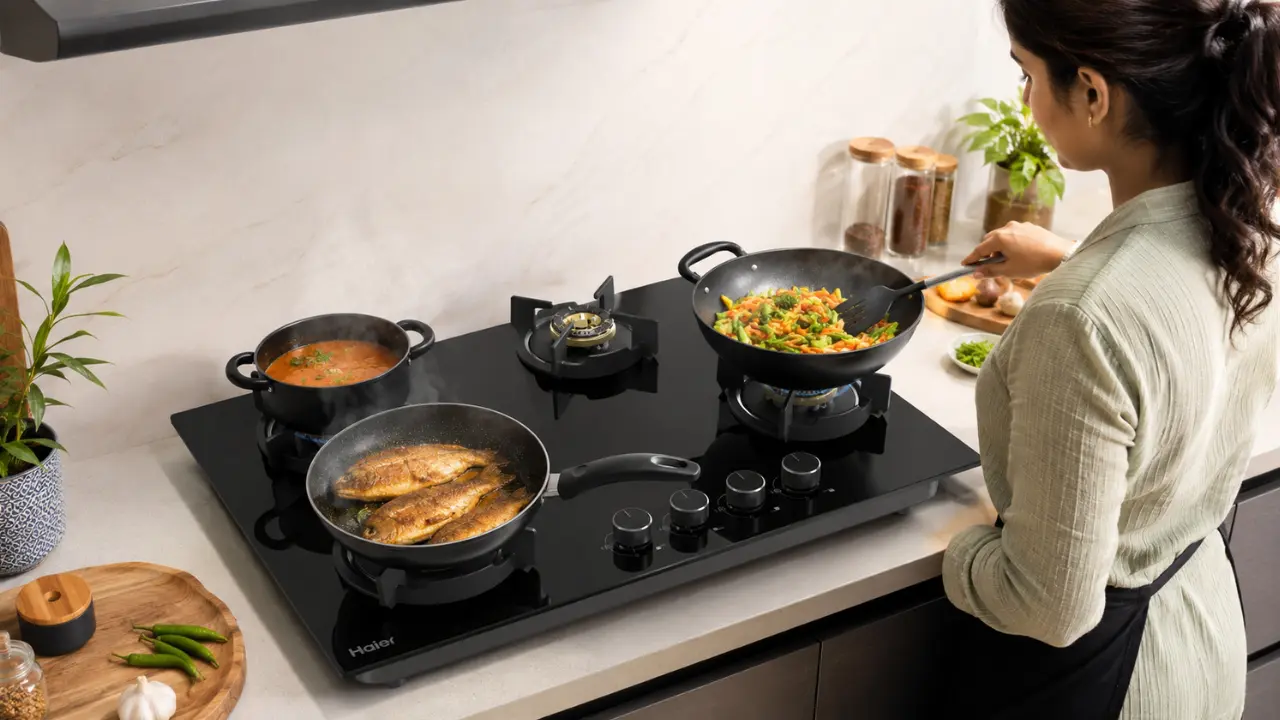

The modern Indian kitchen is smarter than before. But safety still depends on habits people ignore.
A pressure cooker whistles. Oil crackles during tadka. The chimney runs in the background. Someone leaves milk on the stove while answering a work call.
This is an ordinary Indian kitchen.
It is also where some of the most preventable household risks begin.
Gas leaks and smoke buildup rarely start with dramatic mistakes. They begin with small oversights repeated daily. A loose regulator. An aging pipe. A burner left partially open. A kitchen without proper ventilation.
Most people think kitchen safety is about reacting quickly. In reality, it is about designing systems that fail less often.
That changes everything.
Why Indian Kitchens Face Higher Smoke And Gas Risks
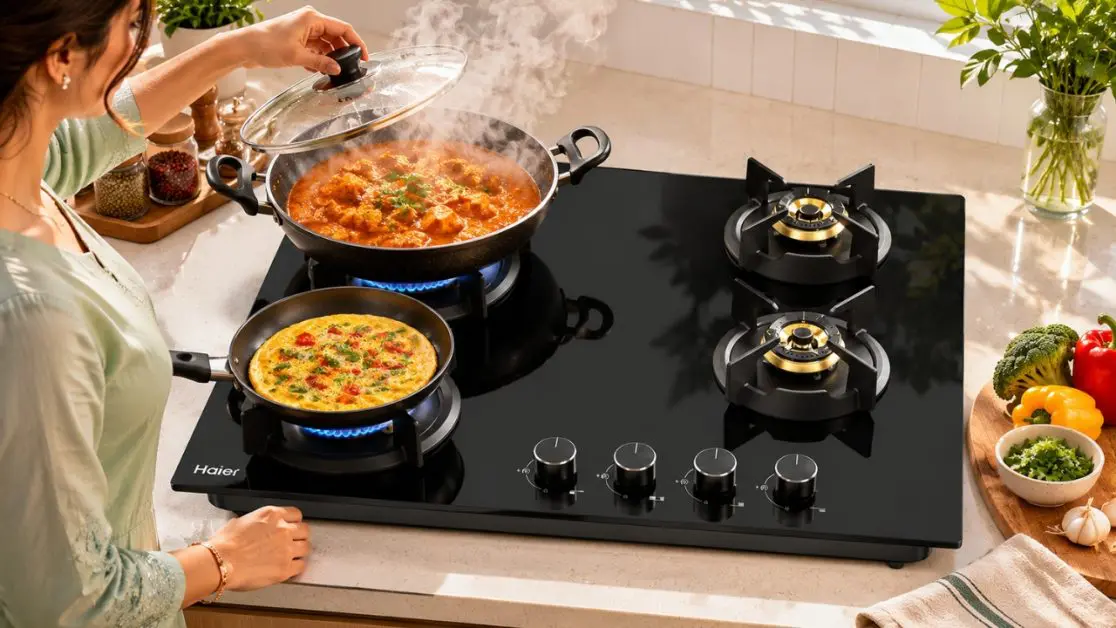
Indian cooking is intense by design.
We roast spices. Deep fry snacks. Cook on high flame. Prepare multiple dishes together during festivals and family gatherings. Our kitchens produce more heat, oil particles, and smoke than many Western cooking environments.
The problem is not cooking itself.
The problem is trapped heat and invisible neglect.
Smoke behaves like traffic
If there is no proper exit route, it builds pressure slowly.
Over time, that smoke settles on:
- Walls
- Cabinets
- Curtains
- Ceilings
- Chimney filters
- Electrical surfaces
What looks like “normal kitchen residue” is often accumulated grease and carbon particles.
And grease changes how fire spreads.
A clean kitchen slows risk.
An ignored kitchen compounds it.
The Most Common Causes Of Gas Leaks In Indian Homes
People assume gas leaks come from major appliance failures.
Usually, they come from ageing accessories.
The hidden weak points are often small
Here are the most common causes:
- Damaged LPG pipes
- Cracks from heat exposure
- Rodent bites
- Bending stress behind cabinets
- Loose regulators
- Poor fitting
- Wear over time
- Improper installation
- Burners left partially open
- Especially after cleaning
- Common in busy households
- Poor ventilation
- Gas concentration increases faster in enclosed kitchens
- Oil and grease accumulation
- Raises ignition risk significantly
- Improper hob installation
- Uneven surfaces
- Inadequate airflow spacing
A kitchen is a system.
Systems fail at connection points first.
How To Detect A Gas Leak Before It Becomes Dangerous
Most households wait for a strong smell.
That is already late.
LPG suppliers intentionally add a sulphur-like smell to help detect leaks early. But smaller leaks often go unnoticed because people become familiar with faint odours.
Early warning signs people ignore
- Hissing sounds near the regulator or pipe
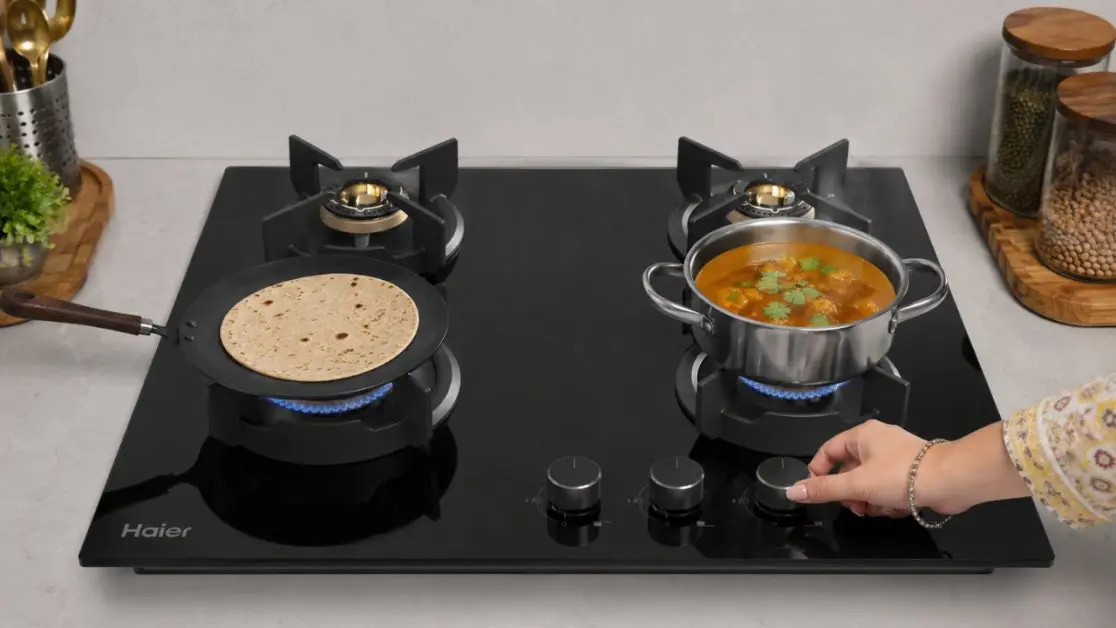
- Burner flames turning orange instead of blue
- Frequent headaches or dizziness in the kitchen
- Unusual soot near cookware
- Sudden increase in gas consumption
One practical habit matters more than technology
Check the gas pipe visually once every two weeks.
Not casually. Intentionally.
Look for:
- Discolouration
- Surface cracks
- Loose connections
- Bending pressure near corners
People inspect their smartphones more carefully than their gas lines.
That imbalance explains a lot.
What To Do Immediately If You Suspect A Gas Leak
Panic creates secondary mistakes.
The first goal is interruption. Not investigation.
Follow this sequence
Step 1: Turn off the regulator
Stop gas flow immediately.
Step 2: Open doors and windows
Ventilation matters more than anything else.
Step 3: Avoid electrical switches
Do not:
- Turn lights on or off
- Use exhaust fans
- Plug appliances in
- Charge phones nearby
Even a small spark can ignite concentrated gas.
Step 4: Avoid open flames
No matchsticks. No lighters. No candles.
Step 5: Contact emergency support
Reach your gas provider or emergency service immediately.
A useful kitchen rule:
If you smell gas, reduce decisions. Follow systems.
Kitchen Smoke Is Not Just About Smell. It Changes Air Quality.
Many Indian families normalise smoke exposure because it feels familiar.
But indoor smoke affects:
- Respiratory health
- Eye irritation
- Wall hygiene
- Appliance longevity
- Overall kitchen comfort
And the impact compounds over years.
Poor ventilation creates invisible fatigue
People often feel exhausted in badly ventilated kitchens without realising why.
Cooking should not feel like standing inside a traffic junction.
This is where kitchen airflow becomes important.
Why Chimneys Matter More In Indian Cooking Setups
A chimney is not just a luxury appliance anymore.
It is an airflow management system.
Especially in Indian kitchens where:
- Frying is frequent
- Spices release airborne oil
- Open kitchens connect directly to living rooms
Without proper extraction, smoke spreads into:
- Sofas
- Curtains
- AC filters
- Dining spaces
The kitchen stops being contained.
Three things matter most in a chimney
1. Suction power
Heavy Indian cooking requires stronger smoke extraction.
2. Filter management
Clogged filters reduce airflow efficiency quickly.
3. Cleaning consistency
Grease buildup inside chimneys increases long-term fire risk.
A chimney ignored for months becomes less effective precisely when you need it most.
Modern Kitchen Appliances Quietly Reduce Everyday Risk
Good appliance design does something subtle.
It reduces the number of failure points.
That matters more than flashy features.
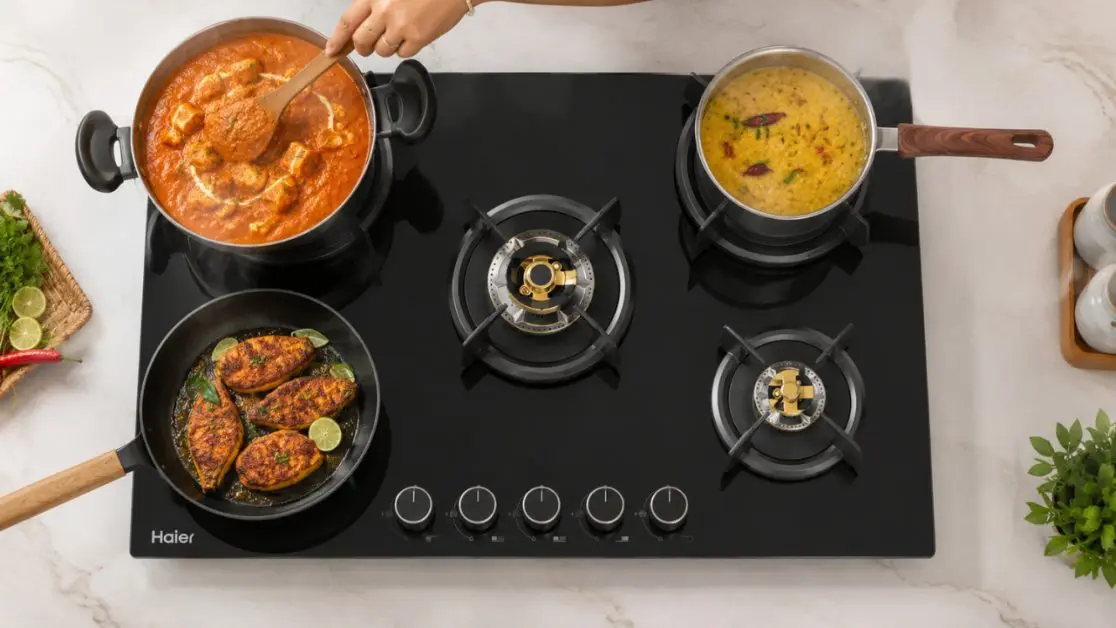
For example, Haier hob models like the Haier Full Brass 4 Burner Auto Ignition Hybrid-Hob With Metal Knobs (HIC-Q77456F) include auto ignition systems operated by battery and full brass burners designed for durability and corrosion resistance.
Similarly, the Haier 4 Full Brass Burner Hybrid-Hob With Metal Knobs & Auto Ignition (HIC-Q66456F) includes flame failure device support across all burners alongside toughened glass construction.
These details matter because kitchen safety often improves through friction reduction.
What does that mean in real life?
One option is manual ignition using external lighters every time.
The second option is integrated auto ignition systems that simplify operation.
The third option is combining safer ignition systems with durable burner construction and proper ventilation planning.
The safest kitchens are rarely the most complicated ones.
They are the most thoughtfully designed.
Simple Kitchen Safety Habits Most Families Underestimate
People search for dramatic solutions.
Most prevention comes from ordinary routines.
High-impact kitchen habits
- Replace LPG pipes periodically
- Clean chimney filters regularly
- Keep ventilation windows partially open while cooking
- Avoid storing flammable cloth near burners
- Never leave oil heating unattended
- Check burner flames regularly
- Wipe grease deposits weekly
- Service kitchen appliances periodically
The overlooked risk: multitasking
Many kitchen accidents happen during interruptions.
A work call.
A child asking for help.
A doorbell during frying.
Attention fragmentation is now a household safety issue.
The kitchen punishes distraction faster than most rooms in the house.
The Open Kitchen Trend Changed Smoke Behaviour
Modern Indian apartments increasingly prefer open kitchens.
Beautiful? Yes.
But open kitchens redistribute smoke differently.
Without proper airflow:
- Cooking odours spread faster
- AC filters collect grease
- Furniture absorbs oil particles
- Indoor air quality declines gradually
Minimalist design needs invisible infrastructure.
Otherwise, aesthetics create maintenance problems later.
This is why modern kitchen planning increasingly combines:
- Chimneys
- Better ventilation
- Safer hob systems
- Heat-resistant surfaces
- Cleaner airflow pathways
Comfort is engineered. Not accidental.
Children And Elderly Family Members Face Different Kitchen Risks
Safety is not universal.
Different people experience kitchens differently.
Children
- Pull utensils accidentally
- Touch knobs curiously
- Enter kitchens during active cooking
Elderly family members
- Reduced smell sensitivity
- Slower response times
- Difficulty detecting smaller leaks
This changes how kitchens should be organised.
Practical adjustments that help
- Keep lighter tools inaccessible to children
- Use stable cookware
- Maintain brighter kitchen lighting
- Avoid clutter near burners
- Install chimneys at appropriate height
A safe kitchen is not built around appliances alone.
It is built around human behaviour.
The Future Of Indian Kitchens Is Quietly Becoming Safer
The biggest shift in Indian kitchens is not automation.
It is awareness.
People increasingly understand that appliances are not isolated products anymore. They are part of a larger living system involving:
- Air quality
- Energy use
- Safety
- Convenience
- Family routines
That is why modern kitchens increasingly prioritise:
- Toughened glass surfaces
- Durable brass burners
- Auto ignition systems
- Better airflow
- Smarter cleaning habits
Not because these features look premium.
Because they reduce daily friction.
And friction is where many household risks begin.
A Kitchen Reflects How A Household Thinks About Care
The safest homes rarely feel paranoid.
They feel intentional.
Someone replaced the old pipe before it failed.
Someone cleaned the chimney before the grease hardened.
Someone chose appliances designed to reduce everyday mistakes.
That is how modern households work now.
Not through fear.
Through systems.
Because prevention is quiet.
And the best kitchen safety systems are the ones people barely notice until the day they matter most.
Frequently Asked Questions
How often should I replace my LPG gas pipe?
Most LPG pipes should be replaced according to the manufacturer’s recommended lifespan, even if they appear fine. Regular visual inspections for cracks, discoloration, stiffness, or damage are essential.
Do I really need a chimney if I already have windows in my kitchen?
Windows help with ventilation, but they may not remove oil particles, smoke, and cooking fumes efficiently. A chimney provides active extraction, especially useful for Indian cooking styles involving frying, roasting, and tadka.
Is auto ignition safer than using a gas lighter every time?
Auto ignition can reduce daily handling errors and simplify operation. However, safety still depends on proper maintenance, leak checks, and responsible cooking habits.
Should I upgrade my old hob if it still works?
Older appliances may have worn components, reduced efficiency, or outdated safety features. Periodic servicing can help determine whether replacement is necessary.
What matters more: a powerful chimney or regular cleaning?
Both matter. Even a powerful chimney loses effectiveness when filters become clogged with grease.