

Sometimes it happens almost overnight.
You buy fresh coriander on Sunday. By Tuesday, it looks tired. Tomatoes become soft before the week is over. Leafy greens lose their crispness. Fruits that looked perfect at the market suddenly seem past their best.
And let’s be honest every Indian household has experienced this frustration.
Food waste doesn’t always equate to money wasted. It also means time wasted. Effort wasted. Having to throw away groceries that haven’t stayed fresh for as long as you had hoped is frustrating.
But keeping your fruits and veggies fresh longer isn’t difficult. It just means being smart about storage practices and having a refrigerator that helps keep your produce fresh day after day.
The latter is where things start to differ.
Freshness Begins Before You Open the Fridge
When people think about food freshness, they typically think refrigeration. Fewer people consider what happens before that stage.
- Freshness actually begins when your fruits and vegetables first enter your home.
- You can start your fruits and veggies off on the right track by remembering a few key practices:
- Toss out bruised or damaged goods
- Don’t wash your veggies until you need to use them
- Place greens in containers that allow them to breathe
- Store produce known to emit ethylene gas away from vegetables that are sensitive to it
Avoid stacking vegetables together; keep them organized
Easy enough, right? It is. And most times these small changes are what separate keeping your vegetables fresh for three days versus seven.
Why Your Fruits and Vegetables Go Bad So Quickly
Many people assume cooling alone preserves freshness.
Not quite.
Fresh produce continues to “breathe” even after harvesting. Moisture levels change. Natural ripening processes continue. Temperature fluctuations speed everything up.
Common reasons for premature spoilage include:
Excess Moisture
Too much moisture encourages bacterial growth and softening.
Inconsistent Cooling
Frequent temperature changes can affect texture and freshness.
Poor Organisation
When fruits and vegetables are crammed together, airflow becomes restricted.
Cross-Odour Transfer
Certain fruits and vegetables can absorb odours from surrounding foods, affecting taste and freshness.
This is why refrigerator design matters more than many people realise.
The Indian Kitchen Has Changed
Think about how Indian families shop today.
Some still visit local markets daily.
Many now purchase weekly grocery supplies from supermarkets, online platforms, or wholesale stores. That means larger quantities of fruits and vegetables remain stored for longer periods.
A refrigerator is no longer just a cooling appliance.
It has become a freshness management system.
And that shift is important.
Because modern households expect:
- Longer-lasting produce
- Better organisation
- Lower food wastage
- Reliable cooling during power fluctuations
- Energy-efficient operation
A refrigerator must support all of these expectations simultaneously.
The Role of Dedicated Fruit and Vegetable Storage
One mistake many households make is mixing everything together.
Apples with coriander.
Tomatoes with spinach.
Bananas next to cucumbers.
The result? Faster ripening and reduced shelf life.
Dedicated storage sections help create better organisation while reducing unnecessary exposure between different food categories.
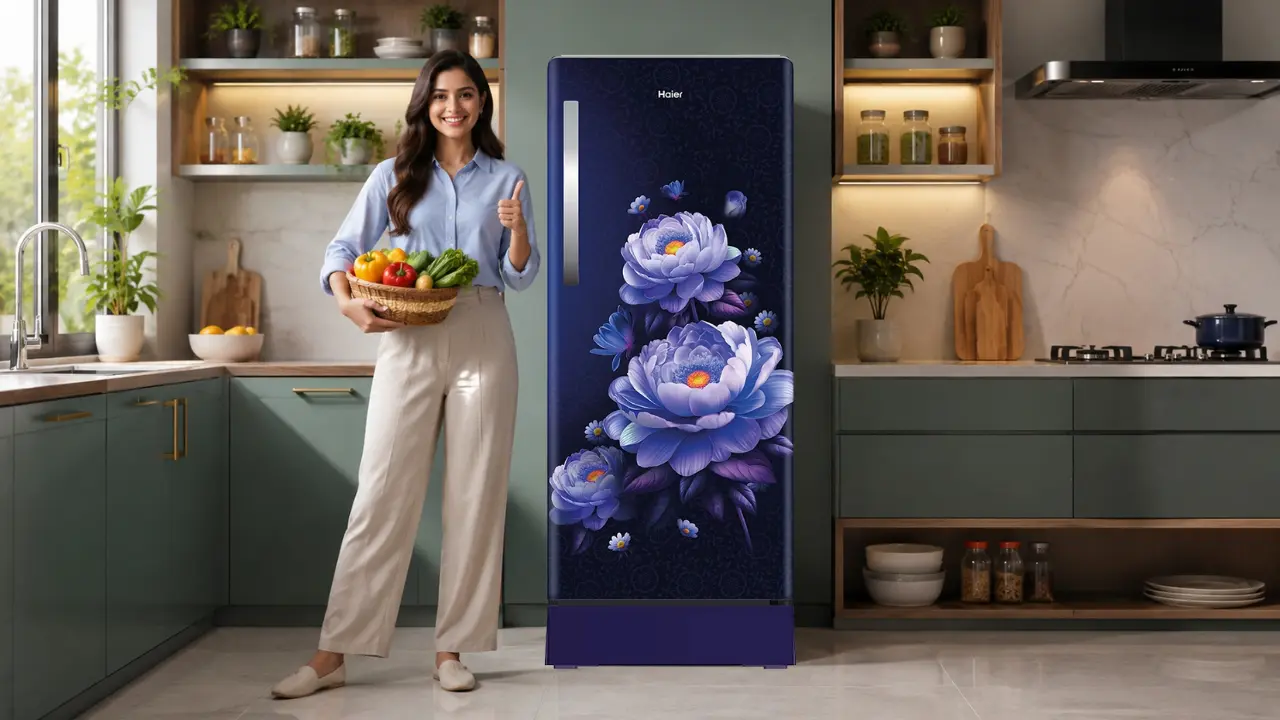
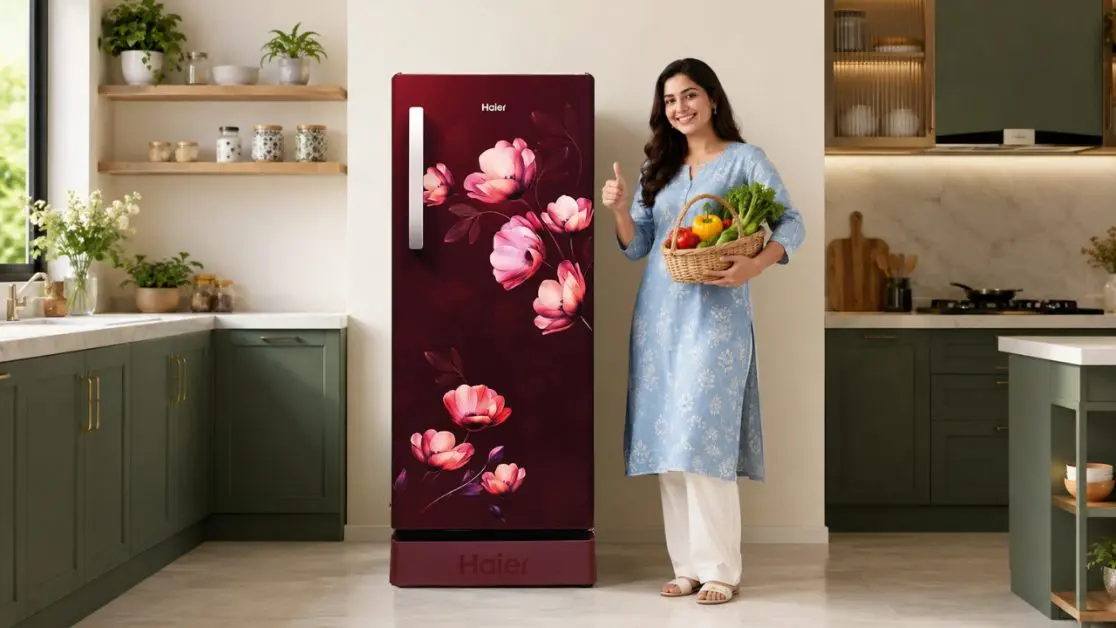
The Haier 190L 5-Star Single Door Refrigerator range includes dedicated fruit and vegetable storage spaces designed to help organise fresh produce more effectively. Selected models also feature an additional fruit box that allows separate fruit storage, helping minimise odour mixing inside the refrigerator.
It’s one of those features that seems small initially.
Until you start using it every day.
A Quick Freshness Checklist for Everyday Use
Before storing your weekly groceries, run through this simple checklist:
Vegetables
- Remove rubber bands and packaging
- Store leafy vegetables separately
- Avoid overstuffing vegetable compartments
- Keep vegetables dry before refrigeration
Fruits
- Separate bananas from other fruits
- Store apples away from leafy vegetables
- Check for overripe fruits regularly
- Remove spoiled pieces immediately
Small actions. Big impact.
Fresh Produce Deserves Consistent Cooling
Imagine storing fresh vegetables during peak Indian summer.
The outside temperature crosses 40°C.
Power fluctuations become common.
The refrigerator opens multiple times a day.
Freshness suddenly becomes much harder to maintain.
This is where cooling consistency matters.
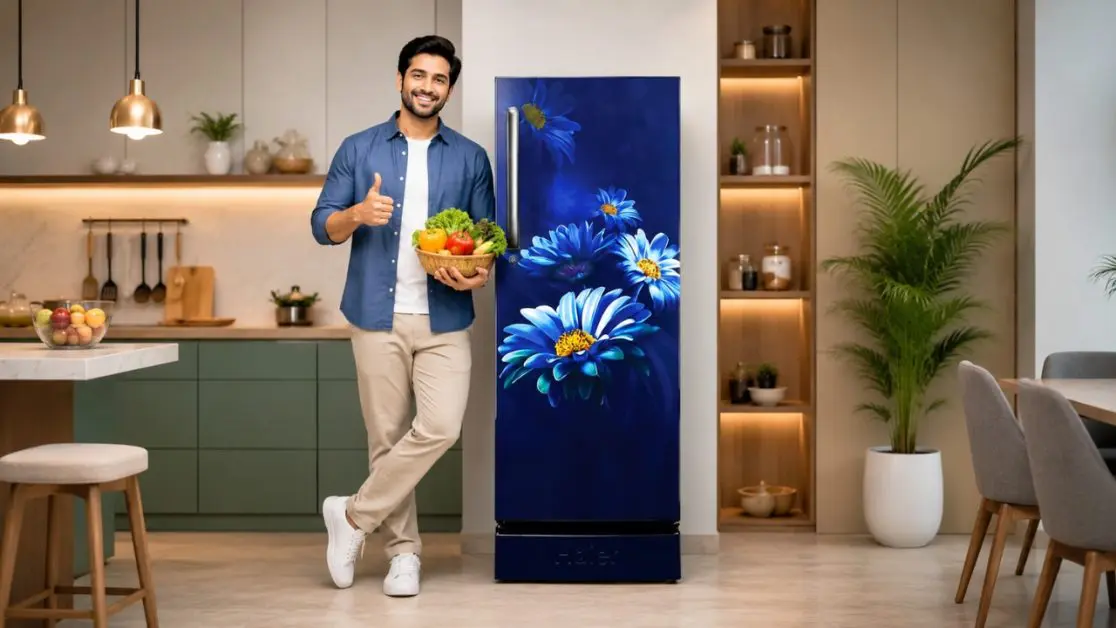
The Haier 190L 5-Star Single Door Refrigerator range features a Heavy Duty Compressor and inverter compressor technology designed for efficient cooling performance and long operational life. The refrigerators are also built for stabilizer-free operation, helping protect the appliance during voltage fluctuations.
For Indian households, that’s not merely convenient.
It’s practical.
Power Outage Need Not Lead to Food Wastage
In some parts of India, power cuts are still commonplace.
And power cuts mean worrying about how to keep things fresh.
If you’ve just gone grocery shopping for the week’s vegetables.
Some variants of Haier’s 190L fridge connect automatically with a domestic inverter*. That means it’ll keep running if there’s a power outage.
It can be a useful feature for households who plan their groceries on a weekly basis.
Prevents wastage during power outages.
Hygiene Matters More Than People Think
Here’s something many homeowners overlook.
Freshness isn’t only about temperature.
It’s also about cleanliness.
Over time, refrigerator gaskets can collect moisture, dust, and residue. Storage areas can become harder to maintain if cleaning is delayed.
A clean refrigerator environment contributes to better food storage practices.
Some models in Haier’s 190L refrigerator lineup include a removable anti-bacterial gasket that can be cleaned easily, helping maintain hygiene inside the appliance.
Simple feature.
Useful benefits.
Signs Your Refrigerator May Not Be Supporting Freshness Properly
If you notice these issues regularly, it may be time to evaluate your appliance:
Warning Signs
- Vegetables wilt within a few days
- Fruits ripen unusually fast
- Ice formation is inconsistent
- Food odours spread quickly
- Storage feels cramped
- Energy bills continue increasing
Fresh produce is often the first indicator that a refrigerator is no longer performing efficiently.
And produce doesn’t lie.
What Modern Indian Families Look For Today
Buying a refrigerator today is different from a decade ago.
People want functionality.
But they also want reliability, efficiency, and design.
A modern refrigerator should offer:
- Dedicated fruit and vegetable storage
- Energy-efficient operation
- Reliable cooling
- Easy maintenance
- Durable shelves
- Home inverter compatibility
- Long-term peace of mind
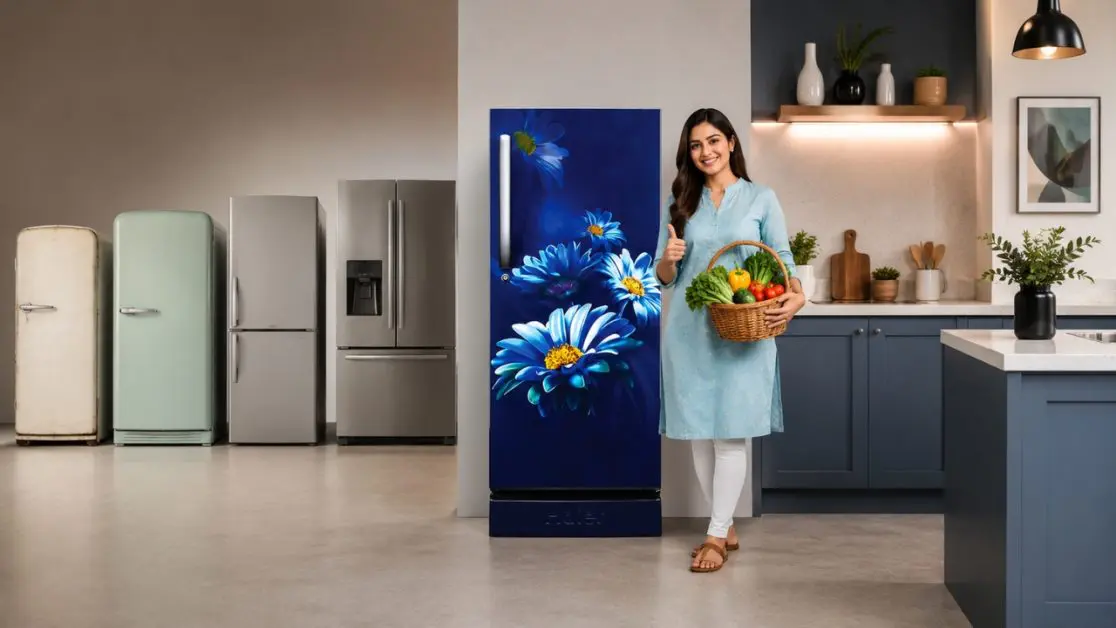
The Haier 190L 5-Star Single Door Refrigerator range addresses these practical household needs with features such as toughened glass shelves, fruit and vegetable storage sections, stabilizer-free operation, inverter compatibility, and a 5-star energy rating.
For many families, that’s exactly the balance they are looking for.
Quick Comparison: Habits That Extend Freshness
Helps Freshness Last Longer
- Storing fruits separately
- Keeping vegetables dry
- Maintaining refrigerator hygiene
- Using dedicated storage compartments
- Organising produce properly
- Monitoring overripe items regularly
Shortens Freshness
- Overcrowding compartments
- Mixing all produce together
- Ignoring spoiled items
- Frequent unnecessary door openings
- Poor refrigerator maintenance
- Inconsistent cooling conditions
Sometimes freshness isn’t about buying better vegetables.
It’s about storing them better.
The Bigger Picture: Less Waste, Better Living
Food wastage affects households more than many realise.
A few spoiled vegetables every week may not seem significant. But over months and years, those losses add up.
Smarter storage habits combined with a thoughtfully designed refrigerator can help families:
- Reduce food waste
- Preserve freshness longer
- Improve kitchen organisation
- Save on grocery expenses
- Enjoy better food quality daily
And that’s really the goal.
Not just cooling food.
Preserving the effort that went into choosing it.
Conclusion
Fresh produce should be enjoyed when it’s freshest, not hurried, frozen or tossed away too soon.
Storage habits are important but the refrigerator is where home freshness management begins. That’s why Haier’s 190L 190L 5- Star Single Door Refrigerator with its special fruit and vegetable storage compartment, Inverter compatible, Stabilizer free, durable glass shelves, superior cooling efficiency and intelligent design was designed with the everyday needs of Indian families in mind.
So that when freshness stays around longer, everything else in the kitchen is that much easier.
Frequently Asked Questions
Why do my vegetables spoil just a few days after buying them?
Fresh produce continues to breathe and lose moisture even after harvest. Excess moisture, temperature fluctuations, overcrowding, and improper storage can all speed up spoilage. Small storage changes can often double freshness.
I buy vegetables only once a week. How can I make them last until my next grocery trip?
Store vegetables dry, avoid washing them before refrigeration, keep leafy greens separate, remove damaged items immediately, and organize produce instead of overcrowding compartments. A refrigerator with dedicated vegetable storage also helps maintain freshness longer.
Is it better to buy groceries weekly or daily?
Weekly shopping is convenient for many households, but it requires proper storage practices. Daily shopping reduces storage time but isn’t practical for everyone. Good refrigeration makes weekly shopping much easier.
Isn’t cooling enough to keep vegetables fresh?
No. Consistent cooling, proper humidity, airflow, and organized storage all contribute to longer-lasting produce.
Why does consistent cooling matter so much?
Frequent temperature changes accelerate moisture loss and ripening, reducing freshness and texture.