
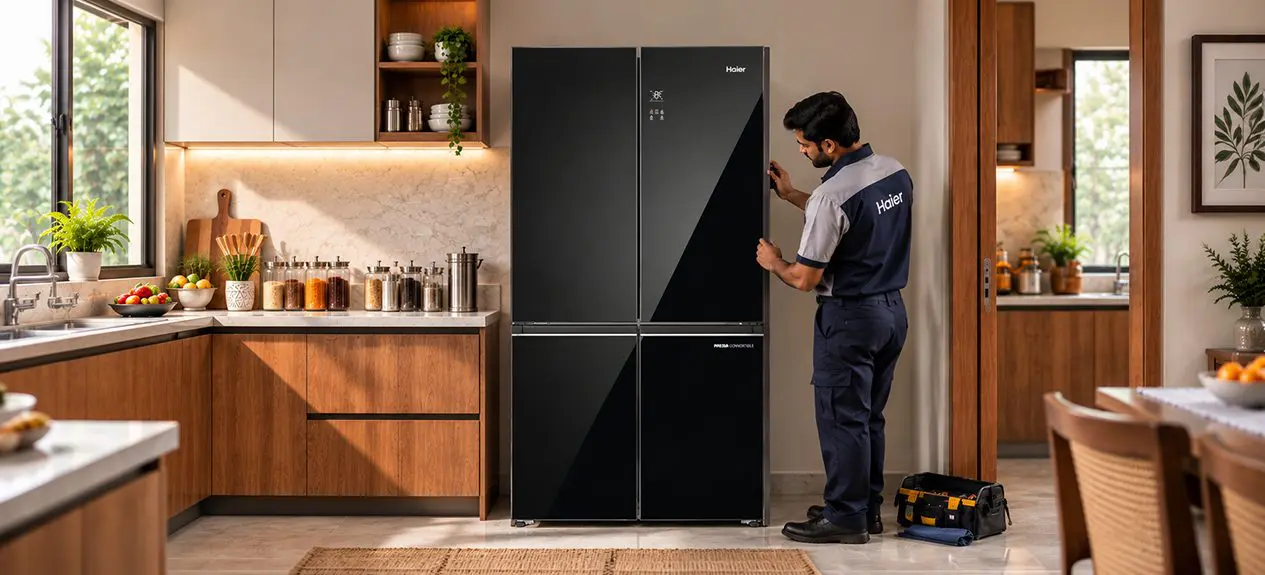

From the first glass of milk in the morning to vegetables stored for the week, a refrigerator supports several household routines without drawing much attention. It preserves ingredients between shopping trips, keeps prepared meals ready for later, and provides dependable frozen storage when plans change.
It is difficult to keep up this routine when the cooling power drops unexpectedly. Food may spoil sooner, ice may soften, and the family may have to rearrange meals or replace groceries. Yet a refrigerator rarely moves from normal operation to complete failure without giving some indication along the way.
A loose door gasket, blocked air vent, unsuitable temperature setting, or dust around an accessible condenser area may appear first. Recognising these signs, maintaining regular care, and knowing when to arrange professional service can help extend fridge lifespan. Let’s understand further:
How Long Should a Refrigerator Last?
A refrigerator in India commonly lasts around 10 to 14 years, though there is no fixed expiry date. Design, room temperature, voltage, usage, and repair history all matter.
For people asking, “How can I extend my fridge’s life?” focus on the habits that reduce avoidable strain. Here are some of them.
Daily Habits That Extend Fridge Life
A refrigerator can function efficiently for years if maintained properly.
Useful refrigerator care tips begin with ordinary routines that may reveal a problem early. Look out for these things:
Right Temperature Settings
A practical fridge temperature setting is generally 3°C to 5°C, with the freezer near –18°C, unless the manual states otherwise. A fridge thermometer can confirm the actual temperature.
So if you have a question, “How to keep a fridge colder?” Do not automatically select the lowest setting. Check the seal, vents, food load, and ventilation first. Excessive cooling may increase runtime or freeze fresh food.
Loading, Airflow, and Door Use
Leave internal vents clear and avoid tightly packed shelves. Close the door promptly, keep containers away from it, and check that the gasket meets the frame evenly. Retain the external clearances stated in the manual.
Cleaning and Defrosting
Wipe spills, remove expired food, and clean the gasket with mild soap and water. Clean accessible condenser coils only where the manual permits; never remove protective panels. Defrost naturally, without blades or direct heat.
Haier refrigerator maintenance in practice: The Haier Lumiere 520L 3 Star Black Glass French Door Refrigerator uses Deo Fresh Technology to absorb odours and impurities. Its auto-defrost system reduces the need for manual defrosting, but cleaning remains necessary.
Read More: Refrigerator Maintenance: How to Extend Its Lifespan
These habits can limit problems from blocked airflow, poor sealing, frost and dirt. If your fridge is still cooling unevenly, leaking, or making a noise you don’t recognize, there are a few safe checks you can do to see if the issue is simple or requires professional help.
Common Problems and Quick Fixes
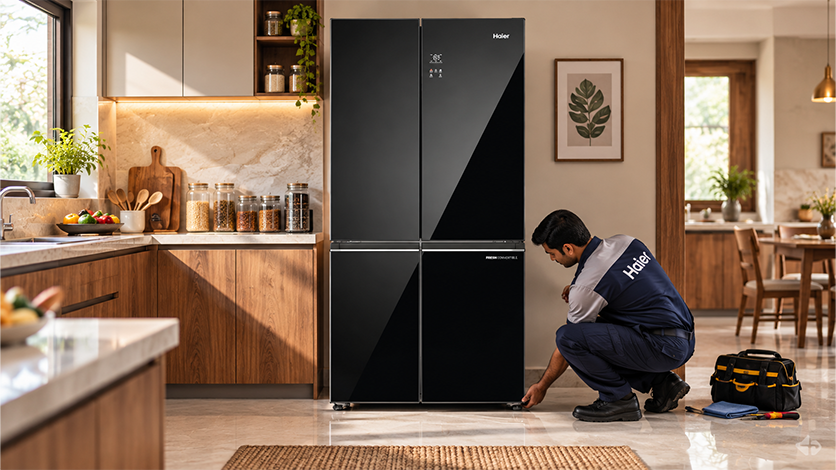
Changes in cooling, frost, noise, or leakage do not always indicate a major fault. Start refrigerator troubleshooting with visible checks, and leave electrical, refrigerant, or compressor work to a trained technician. Inspect these features:
Fridge Not Cooling
If you are questioning yourself, “Why is my fridge not cooling?” confirm socket power, temperature settings, door closure, clear vents, and external clearance. Clean the accessible gasket.
Therefore, the answer to this question, “How to fix a fridge that is not cooling?” stops after these checks. Recurring frost, repeated clicking, or continued warming needs authorised diagnosis.
Read More: Refrigerator Not Cooling Properly: Five Common Reasons and Fixes
Fridge Not Freezing / Over-Cooling
Check freezer setting, convertible mode, door closure, airflow. If fresh items freeze, move food away from vents. Repeatedly turning off the power is not the solution; instead, follow the manual’s reset instructions.
Noise, Leaks, and Odours
A low hum, the movement of a fan, or an occasional click usually comes from normal operation. Grinding, repeated knocking, or clicking that continues is different and should be checked. If water appears, see whether the refrigerator stands level, the door closes tightly, and the visible drain area is clear. For an unpleasant smell, begin by removing old food and wiping any hidden spills.
Disconnect the appliance safely and call for service if water gets into electrical parts or if you smell burning.
When to Repair vs Replace a Refrigerator?
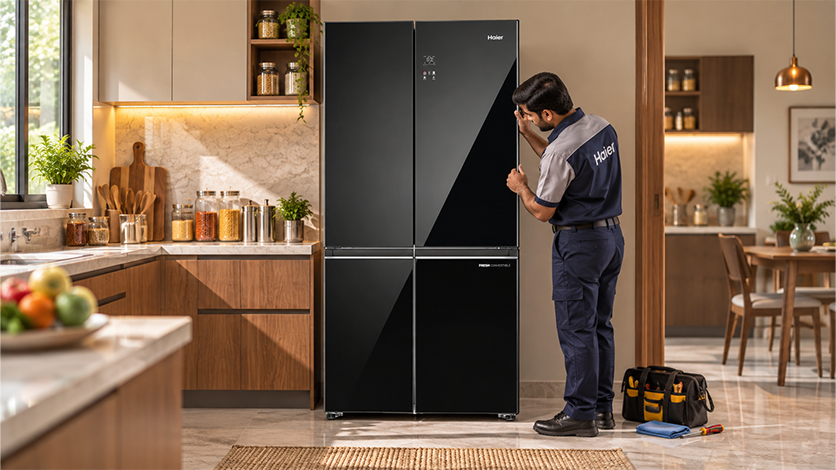
Repair may suit an isolated fault when parts are available, and the cabinet remains sound. Consider replacement when:
- Breakdowns repeat
- Corrosion is extensive
- Parts are unavailable
- The fridge repair quote equals the cost of a suitable new model
Looking at these factors together gives you a clearer answer than using refrigerator age alone. This is particularly important when the refrigerator has already completed a decade of regular use.
Is a 10-Year-Old Fridge Too Old?
Many people also have this query, “Is a 10 year old fridge old?” Well, it is mature, but age alone does not decide. You must also review cooling, energy use, gasket condition, repair frequency, and parts availability. A well-running unit may remain serviceable.
Whether the appliance is new or approaching ten years of use, a simple fridge maintenance routine can help you monitor its condition and address changes early.
Refrigerator Care Checklist for Reliable Cooling
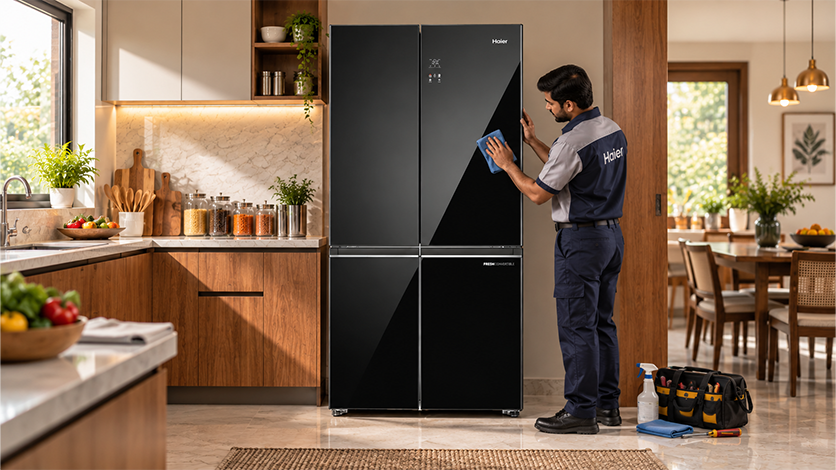
Refrigerator care does not need to be complicated. A short set of checks, repeated through the year, can reveal wear or cooling changes before they interrupt everyday food storage. Follow these refrigerator maintenance tips:
- Keep the recommended temperature and internal vents clear.
- Wipe spills, remove spoiled food, and inspect the gasket regularly.
- Maintain the manual-specified gaps around the cabinet.
- Clean accessible coils only as directed.
- Record new noises, leaks, frost, or temperature changes.
- Keep the invoice, warranty, model number, and service records together.
These little checks help cool a refrigerator on a daily basis. But technical faults require trained attention. Follow the manual and use compatible parts. For diagnosis, warranty guidance, or repair, contact Haier Service & Support.
FAQs
How can I extend my refrigerator’s life?
Maintain suitable temperatures, clear airflow, clean seals, ventilation, and timely repairs.
Why is my fridge not cooling?
Causes include changed settings, a loose gasket, blocked vents, or a component fault.
How long does a refrigerator last?
Many refrigerators last roughly 10 to 14 years, depending on use, conditions, and care.
What temperature should a refrigerator be set to?
Generally, use 3°C to 5°C for the fridge and about –18°C for the freezer, subject to the manual.
Is a 10-year-old fridge too old?
Not automatically. Judge its cooling, energy use, repair record, and part availability.
How do I fix a fridge that is not cooling?
Check power, settings, seals, vents, and clearance. Arrange service if cooling does not return.
How long should I wait before using a new fridge?
For people asking, “How long do you have to leave a new fridge before using it?” follow the installation manual and delivery guidance. The wait depends on how the appliance was transported and positioned