
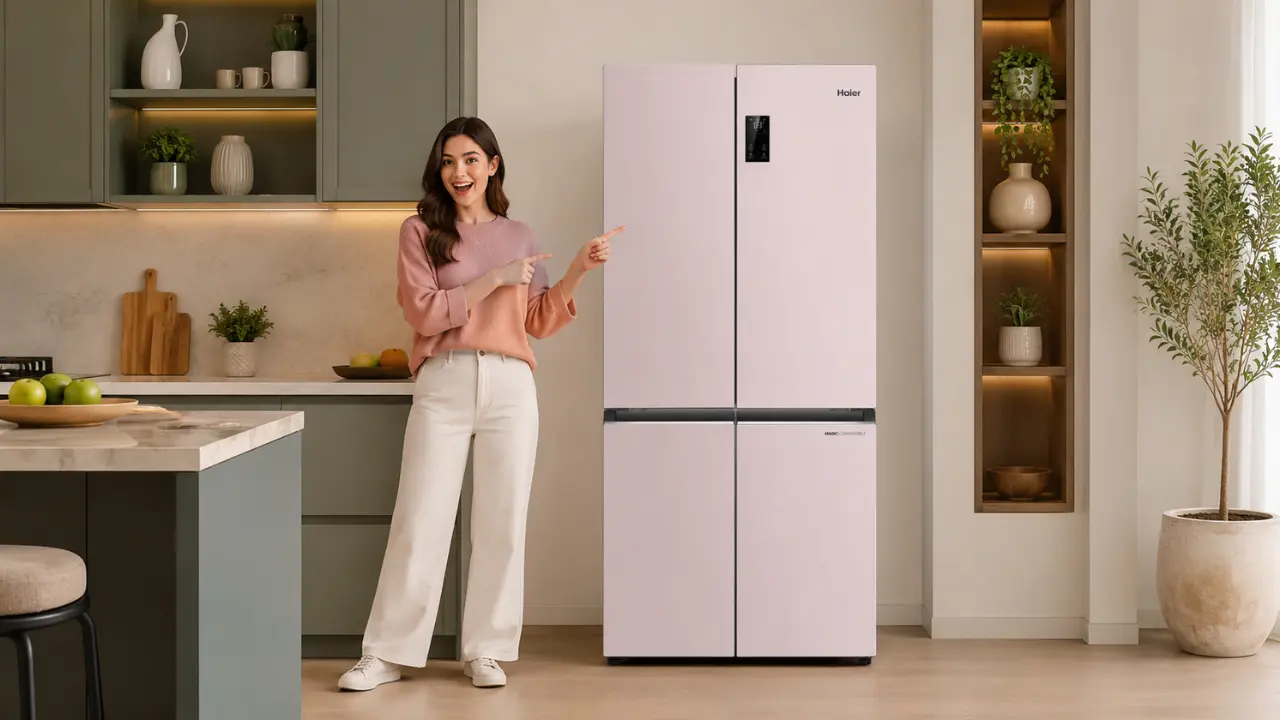

Design in modern appliances is no longer about appearance alone
Modern appliance design shapes how people live, move, store, clean, rest, and even think inside a home. Good design removes friction. It saves seconds repeatedly. It reduces clutter, noise, confusion, and effort. In Indian homes today, the best appliances are not just functional machines. They behave like quiet systems of support.
A refrigerator used to be a box that cooled food.
A washing machine used to be a machine that cleaned clothes.
A microwave used to be a heating device.
That era is over.
Today, appliances are part of how homes feel.
And that changes everything.
A family walks into a kitchen after a long weekday. One person opens the fridge. Someone else reheats dinner. A child grabs water before tuition. Nobody pauses to “figure out” the appliance.
That is design working properly.
The best design disappears into routine.
Most people think appliance design is visual. It is actually behavioural.
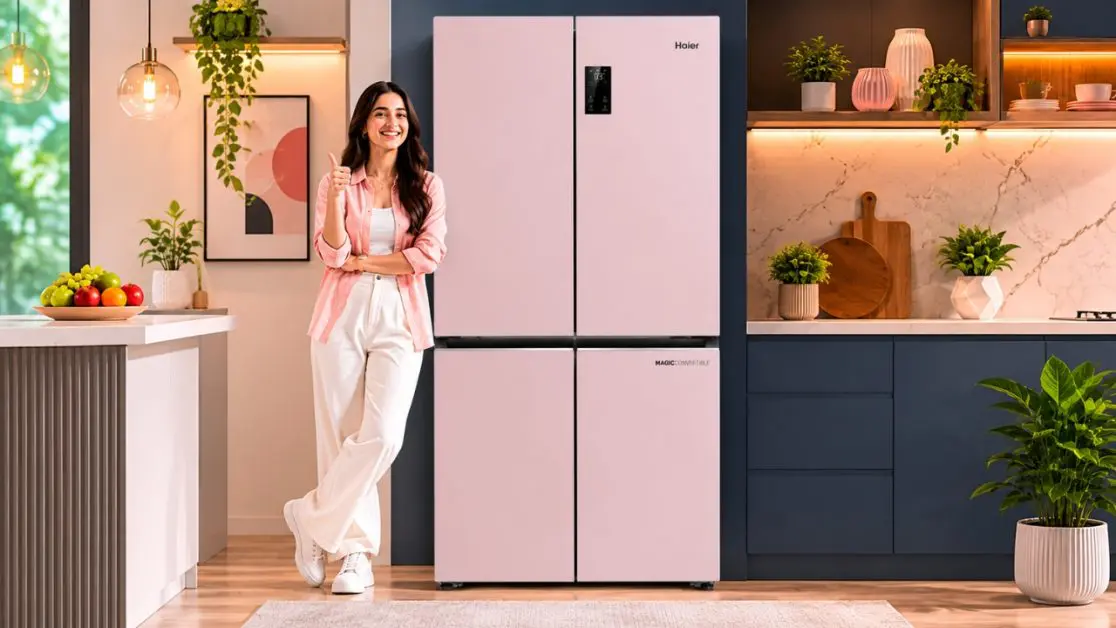
Look closely at a modern Indian home.
The kitchen is no longer hidden behind walls. Refrigerators sit in open layouts. Washing machines move into designer utility spaces. Air conditioners become part of bedroom aesthetics. Televisions dominate living room geometry.
Appliances now shape the emotional tone of a home.
Which means design has to solve three different problems at once:
- Functional efficiency
- Spatial harmony
- Emotional ease
One missing layer breaks the experience.
A refrigerator can cool brilliantly but still feel stressful if shelves waste space.
A microwave can have dozens of features but confuse users daily.
A washing machine can clean powerfully but ruin the room visually.
Good appliance design is not decoration.
It is decision architecture.
The hidden system behind good appliance design
Here is what most people miss:
Every appliance creates invisible routines.
A badly designed appliance adds micro-friction.
A well-designed appliance removes it.
That difference compounds across years.
Consider the modern refrigerator
Indian food habits changed dramatically in the last decade.
Weekly grocery stocking increased.
Frozen storage increased.
Meal prepping increased.
Festival storage needs increased.
Dual-income households changed cooking schedules.
Yet many refrigerator designs stayed trapped in older assumptions.
Tiny freezer sections. Poor visibility. Wasted door space. Shelves that ignore Indian utensils.
The problem was never cooling.
The problem was lifestyle mismatch.
That is why modern refrigerator design evolved toward flexible storage systems, convertible zones, wider shelving, and cleaner layouts.
Products like the Haier Lumiere French Door Refrigerator series reflect this shift through convertible storage logic, large fridge capacity, adjustable shelving, and four-door organization systems designed for changing household needs.
Because modern design begins with one question:
How do people actually live?
A kitchen is a workflow, not a showroom
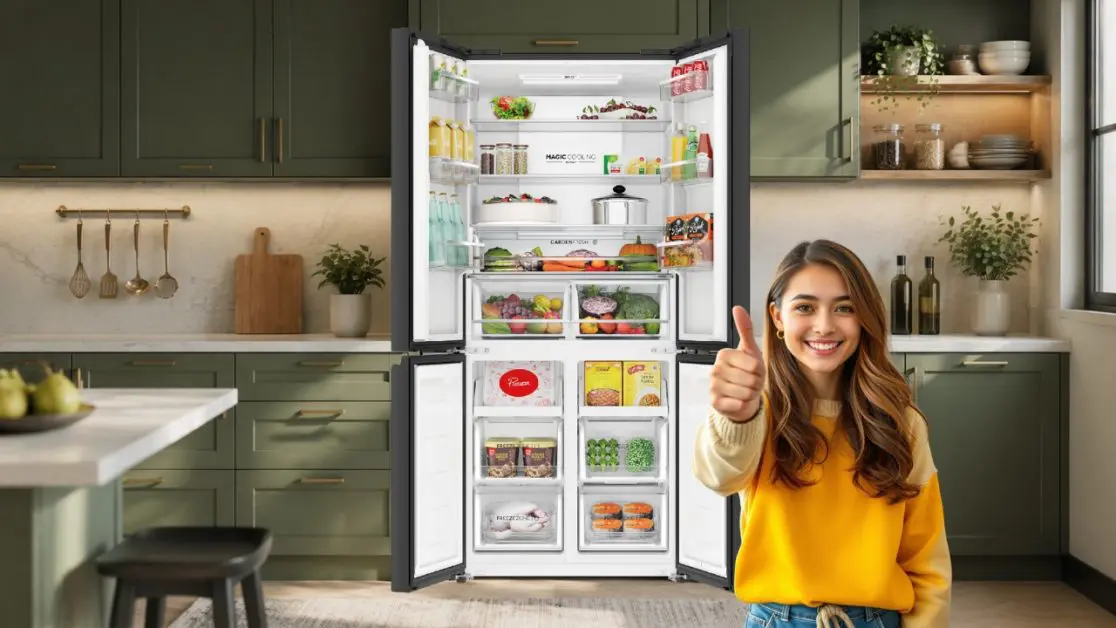
Watch somebody cook during a festival weekend.
Vegetables overflow.
Cold drinks multiply.
Leftovers expand.
Desserts appear from nowhere.
The refrigerator becomes operational infrastructure.
Not décor.
This is why storage design matters more than feature count.
The Haier Lumiere series uses a convertible layout with up to 85% fridge space and flexible storage conversion between fridge and freezer usage.
That sounds technical.
But the real outcome is simple:
Less rearranging.
Less stacking.
Less frustration.
The best appliance design reduces negotiation between people and objects.
Three appliance design philosophies now dominate modern homes
1. Minimal interaction design
One-touch controls.
Cleaner interfaces.
Fewer confusing buttons.
This matters because tired people make worse decisions.
Night-time appliance use especially benefits from simplicity.
2. Flexible space design
Convertible refrigerators.
Adjustable shelves.
Stackable storage systems.
Modern homes demand adaptability because lifestyles change faster than appliance replacement cycles.
3. Emotional design
Colours. Materials. Finishes. Lighting.
People once bought appliances to hide them.
Now they buy appliances that contribute to interiors.
That shift is massive.
Why colour suddenly matters in appliances
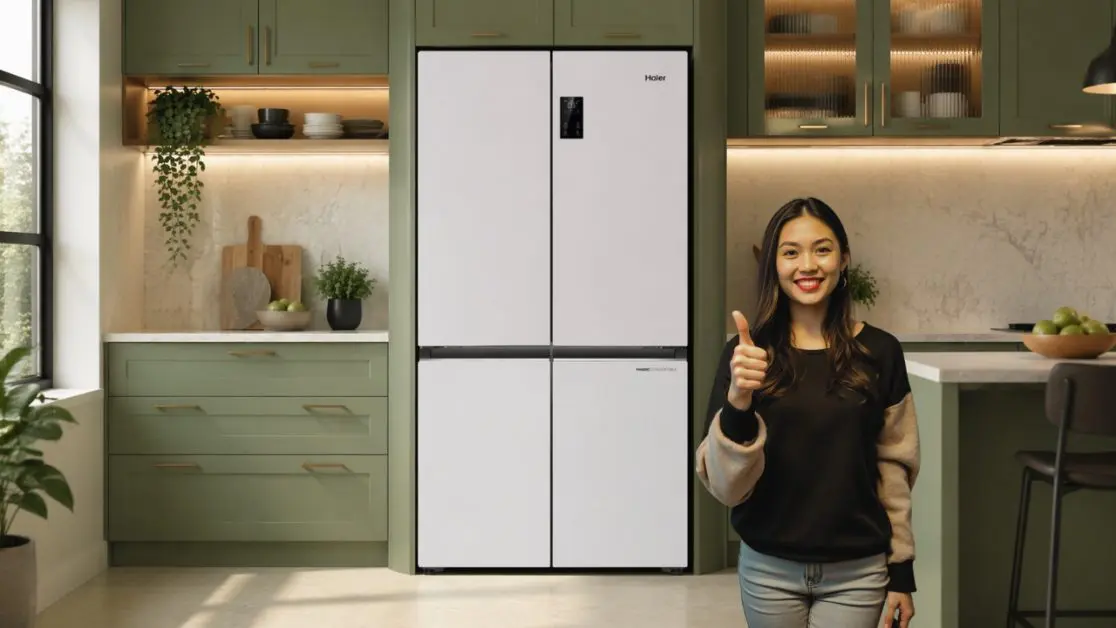
Walk through premium Indian homes today.
White kitchens are everywhere.
Muted palettes dominate.
Warm wood finishes replaced glossy chaos.
Appliances can no longer interrupt the room visually.
They need to belong to it.
That explains why appliance finishes evolved beyond silver and black.
The Haier Lumiere series introduces finishes like Rosetyte White, Mauve Pink, and Pearl White instead of relying only on traditional metallic tones.
This is not merely aesthetic experimentation.
It reflects a larger shift:
Homes are becoming identity spaces.
People increasingly design kitchens the same way they design wardrobes or living rooms.
Appliances now participate in self-expression.
That was rare ten years ago.
Design used to signal status. Now it signals clarity.
Older appliance design often tried to impress through complexity.
More buttons.
More chrome.
More visible technology.
Modern appliance design moves differently.
It prioritises calmness.
Flat surfaces.
Integrated handles.
Symmetry.
Controlled lighting.
Quiet interfaces.
The appliance does not scream for attention.
It supports the room instead.
That is maturity in design thinking.
The best appliance design solves problems users never articulate
Nobody says:
“I want better shelf psychology.”
But people complain constantly about refrigerator stress.
Nobody asks for “visual accessibility.”
But everyone feels irritated when food disappears into dark corners.
Nobody demands “frictionless interaction systems.”
But everybody notices confusing controls.
The best designers observe behaviour users cannot describe clearly.
For example, Haier’s Lumiere series includes:
- Adjustable shelves for larger Indian utensils
- Toughened glass shelving
- Anti-tipping door storage
- Convertible storage zones
- Deo Fresh technology for odour management
Individually, these feel like features.
Collectively, they form a behavioural system.
That distinction matters.
Modern appliance design is increasingly about mental load reduction
People underestimate how exhausting modern life has become.
Notifications never stop.
Work leaks into evenings.
Attention fragments constantly.
In that environment, appliance design becomes psychological support.
Good design reduces cognitive demand.
You do not think about where vegetables fit.
You do not struggle to access freezer sections.
You do not reorganise shelves repeatedly.
You do not open the refrigerator and feel visual chaos.
Small reductions in effort create enormous emotional relief over time.
That is the hidden ROI of design.
Why smart homes fail without thoughtful design
Many brands misunderstand smart living.
Adding technology alone does not improve life.
Sometimes it worsens it.
An overloaded smart interface creates anxiety.
Too many notifications create fatigue.
Too many options create hesitation.
Technology without thoughtful design becomes friction disguised as innovation.
That is why modern appliance design increasingly focuses on invisible intelligence.
The best systems feel intuitive before they feel advanced.
A smart appliance should feel obvious.
Not instructional.
The future of appliances is not more features. It is better integration.
Look at how homes are evolving:
- Smaller urban spaces
- More open layouts
- Hybrid work routines
- Multi-functional rooms
- Greater aesthetic awareness
- Energy-conscious purchasing
This changes appliance expectations permanently.
People no longer evaluate appliances separately from lifestyle.
Everything connects now.
Storage affects cooking.
Lighting affects mood.
Noise affects rest.
Layout affects relationships.
Design affects routine.
A refrigerator is no longer a refrigerator alone.
It is part of the emotional infrastructure of the home.
That is why the role of design in modern appliances keeps expanding.
Not because people became superficial.
Because life became more complex.
And complexity creates demand for systems that quietly restore ease.
The real purpose of design is not beauty. It is a relief.
That may be the most important shift of all.
The best appliance design does not simply look premium.
It reduces daily resistance.
A well-designed appliance saves effort repeatedly without announcing itself.
That is why certain homes feel calmer.
Not because they are larger.
Not because they are expensive.
Because the systems inside them work with people instead of against them.
Modern appliance design is no longer about machines.
It is about rhythm.
And the brands that understand this are not merely building products.
They are shaping how everyday life feels inside the modern Indian home.
Frequently Asked Questions
Why do some appliances feel easier to use than others even when they have similar features?
The difference is usually design, not technology. Well-designed appliances reduce decision-making by making controls intuitive, storage accessible, and daily tasks effortless. Good design removes friction from routines.
How does appliance design affect my daily life?
Appliance design influences how easily you store food, clean clothes, access items, manage space, and complete household tasks. Small improvements save time and reduce frustration every day.
Are more features always better in appliances?
Not necessarily. Too many features can create confusion. The best appliances focus on useful functionality presented through simple, intuitive interfaces.
Why is refrigerator storage design becoming more important than cooling technology?
Most modern refrigerators cool effectively. Today’s challenge is organizing groceries, leftovers, meal prep ingredients, beverages, and festival foods efficiently within limited space.
What makes a refrigerator suitable for Indian households?
Flexible shelving, space for large utensils, convertible storage zones, wide shelves, and adaptable compartments that support varying cooking habits and seasonal storage needs.
Why do I constantly rearrange my refrigerator?
The layout may not match your lifestyle. Poor shelf spacing, limited visibility, and inflexible storage systems often force users to reorganize food repeatedly.