
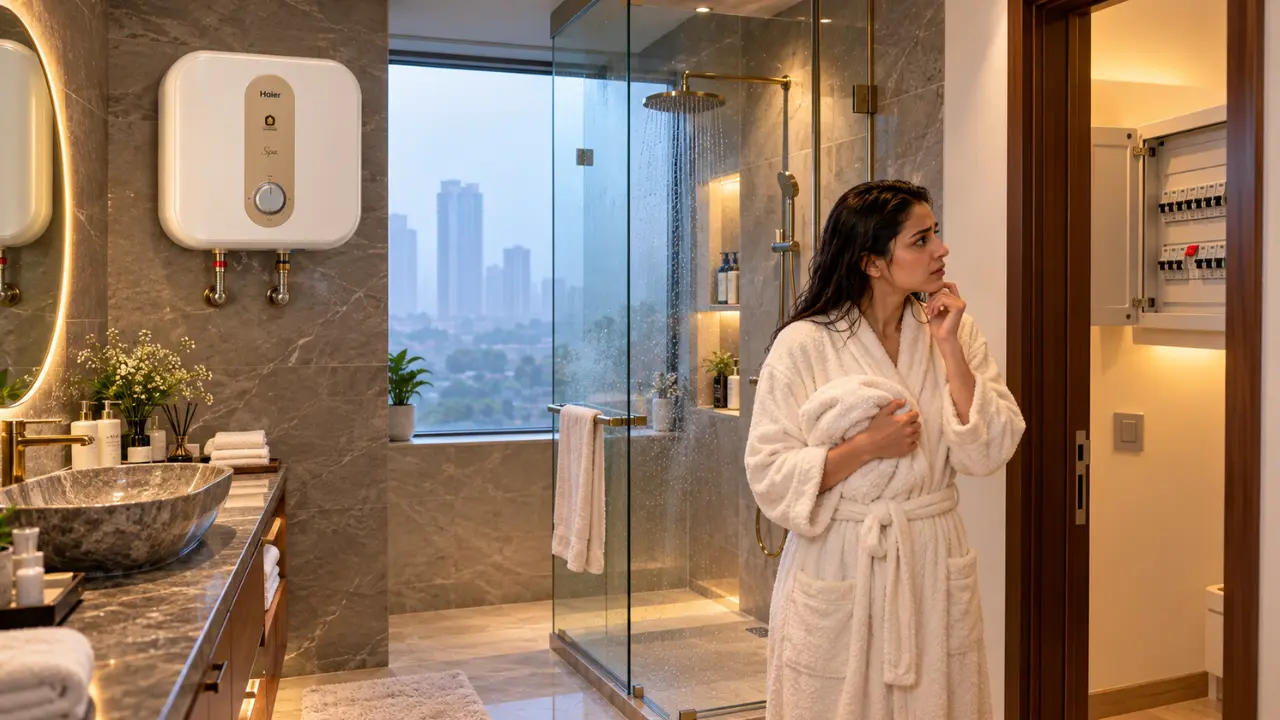

You turn on the geyser, only to get hot water for your morning shower. After a few seconds, the electricity is turned off. You inspect the electrical distribution board and find that the MCB has tripped. You reset it, try again and it happens again.
Sound familiar?
A geyser operating the MCB/ELCB is more than a nuisance, especially if it occurs on a regular basis. Generally, it is a sign of electrical issue, high current or leakage that needs to be addressed. In some cases, the issue is within the water heater. In other instances, the wiring, grounding or protective device may be the culprit.
It’s important to know the difference because a wrong diagnosis could result in repairs that are not warranted or, even worse, an electrical hazard that goes unrepaired.
So, why does a geyser trip the MCB or ELCB and how do you handle it when it does?
What If a Geyser Trips the MCB/ELCB?
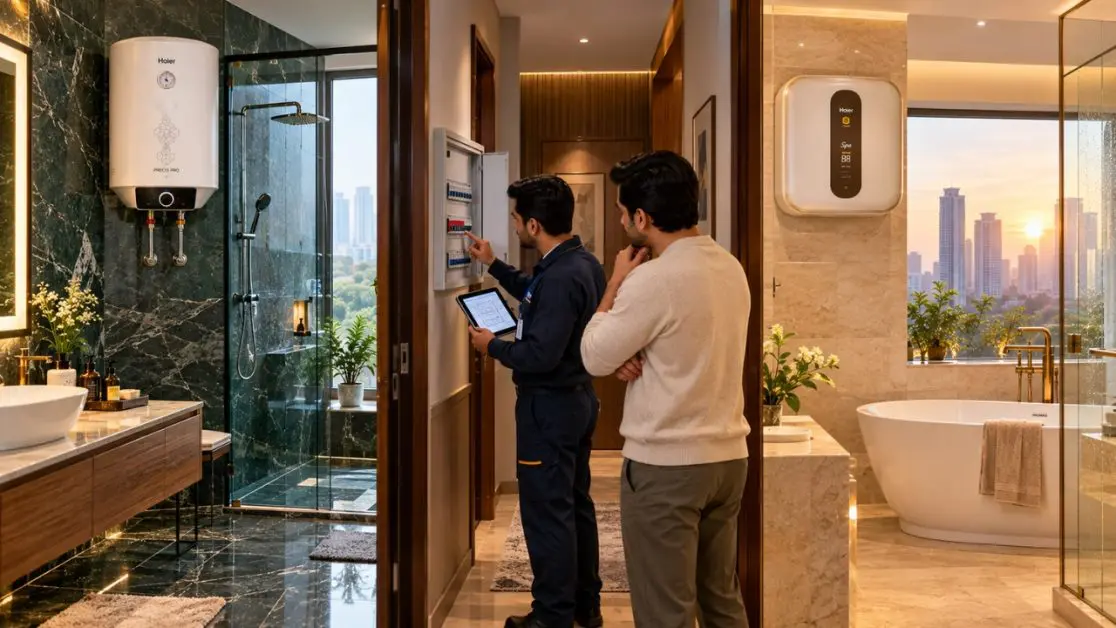
It’s helpful to know what these electrical safety devices do before trying to identify the fault.
MCB and ELCB are sometimes used interchangeably, but they are used to protect against different electrical issues.
MCB: Protection Against Excessive Current
A fuse protects against excessive current. A Miniature Circuit Breaker (MCB) is a device that interrupts the electrical circuit if it detects too much current.
This can occur due to:
- A short circuit in the geyser’s internal circuit.
- Overloaded electrical circuits.
- Faulty wiring or loose electrical connections.
- Heating element that is drawing excessive current.
For instance, if a geyser is connected in a circuit with other high power appliances, the total electrical load could be more than the circuit’s capacity.
The MCB is designed to prevent the wiring from overheating, which could be a hazard.
ELCB: Protection Against Electrical Leakage
ELCB (Earth Leakage Circuit Breaker) is designed to protect against earth-leakage faults.
ELCB is a term used in Indian homes for leakage-protection devices, but in modern installations, this is usually replaced with RCCB or RCBO.
These devices sense the electrical leakage under the operating principles and shut off the power when a fault is detected.
Leakage can occur in a geyser due to the following reasons: damaged insulation, moisture getting into electrical components, or degradation of its heating element.
The main difference is that a normal RCCB does not offer overload and short circuit protection. Must be protected by appropriate overcurrent protection.
What Is Causing Your Geyser to Keep Tripping the MCB?
It’s not always a clear-cut cause. The time of the trip and the condition of the electrical installation can provide some clues.
1. A Damaged Heating Element
The heating element is a device that transforms electrical power into heat. It is installed inside the water heater and needs to be able to endure repeated heating cycles.
With age, this insulation can deteriorate or corrode.
Should the element have an internal electrical fault, it can result in a short circuit or earth leakage.
Some of the common warning signs are:
- The protective device will trip on the start of heating.
- Water heats up very slowly.
- The geyser turns off completely.
- Over time, tripping occurs more often.
A technician may be able to check the resistance of the insulation and the condition of the element to see if it needs to be replaced.
2. Power Outages or Surges and Electrical Short Circuits
Humidity, steam and splashes of water are inevitable in bathrooms.
But it’s not the same when water gets into electrical connections.
Water in the electrical compartment of the geyser can damage the insulation and form a leak path.
This can occur due to worn seals, plumbing leaks or installation issues.
If water is dripping around the electrical connections, turn off the water supply at a safe dry area and have the electrical connections professionally inspected.
Do not touch the geyser or try to open the casing.
3. An Overloaded Electrical Circuit
Imagine a house with a geyser, washing machine and other high power appliances on the same circuit.
The total electrical load could be more than the circuit can safely supply.
Under normal usage, a geyser of 2000W consumes about 8.7 amperes at 230V. Other appliances add to that load.
The MCB can trip if the circuit is under-rated.
The answer is not to just fit a higher rated MCB. Changes must be made by a qualified electrician, who will ensure that the wiring capacity, circuit arrangement and protective-device rating are suitable.
4. Faulty Wiring or Connections
Over the years, electrical connections can deteriorate due to repeated heating, poor installation or from age.
Loose terminals can cause over heating. Damaged insulation may allow conductors to be exposed and the risk of short circuits enhanced.
The geyser may be working properly but the electrical supply system is faulty.
That’s why the replacement of the water heater may not be the answer if the circuit is not checked.
How Does the ELCB Trip When the Geyser Is Turned On?
Leakage protection trips: Concern is typically different from a conventional overload.
For instance, an RCCB will compare the flow of current in the live and neutral conductors. If there is a difference greater than its threshold, it may mean that it is escaping through an unintended path.
Potential causes include:
- Failure of the heating element insulation.
- Water that can cause damage to the electrical components inside.
- Damaged supply cables.
- Wrong connections or wrong neutral wiring.
- Failure of another appliance on the same protection device to function.
A fault may seem to be caused by a geyser, but the fault is actually related to the larger electrical installation.
A trained electrician can isolate the circuits and run the proper tests to determine the source.
If the ELCB keeps resetting, without finding the cause, it is not safe.
Can Hard Water Make a Geyser Trip?
Hard water is found in various cities and residential areas in India.
It has minerals dissolved in it, mainly calcium and magnesium that can form deposits on heating surfaces.
These deposits can over time impact heat transfer and lead to overheating or degradation of heating elements.
But mineral deposits are not the direct cause of an MCB or ELCB tripping.
When a fault occurs that is related, such as the failure of insulation or abnormal current flow, the electrical trip is triggered.
This is a significant difference.
In hard water areas, regular inspection and maintenance of the geyser can help prevent scaling and component deterioration from becoming an issue.
What to Do When Your Geyser Trips?
The best answer is simple: don’t use the appliance until the problem has been diagnosed.
Follow These Precautions
- Turn off the geyser with the dedicated switch if one is available, as long as the switch is dry and safe to reach.
- Avoid repeatedly resetting the MCB or ELCB.
- Look for any visible warning signs, such as water leaks, smoke or external wiring damage.
- If burning smells or abnormal electrical noises are detected, unplug the appliance and do not use it.
- If you have any concerns, please call a qualified electrician or authorized service technician to check.
Never try to test live electrical connections.
Also, do not short circuit an ELCB, RCCB or MCB to enable the geyser to run.
The protective device that keeps tripping is telling you there may be a fault. When that protection is switched off, users may be at risk of electric shock or fire.
How Can the Proper Geyser Design Enhance Electrical Safety?

A water heater should provide more than just a reliable hot water supply. The design and inherent safety measures are also worthy of consideration.
This is especially important in Indian homes where humidity levels in the bathroom, water quality and installation requirements can impact the performance of the appliance.
Haier India has water heaters with technologies that solve these issues.
The Haier 15L Square Spa Ivory, 15L PRECIS ABS Cylindrical and Haier 15L Square Spa Wi-Fi Water Heater are three models to consider.
Haier 15L Square Spa Ivory 5 Star Water Heater
Haier 15L Square Spa Ivory Water Heater (ES15V-S1I) is a compact square water heater equipped with protective technologies.
Its features include:
- Shock Proof Technology that minimizes electrical shock risk in leakage conditions.
- Dual Thermal Proof (TTS): Overheating protection for two stages.
- Water splash resistant (IPX4).
- Corrosion resistant glass lined tank construction.
- Durable heating element made of Incoloy 800.
- High pressure rating of 8 bar for appropriate high pressure installations.
The model is also insulated with PUF/EPS to help maintain water temperature and minimize needless water reheating.
Households who are looking at a storage geyser that has several built-in protective features would find this a useful option.
Haier 15L PRECIS ABS 5 Star Cylindrical Water Heater
The Haier 15L PRECIS ABS Water Heater (ES15V-PRECIS) has a cylindrical shape and has a storage capacity of 15 litres.
The Shock Proof Technology and Dual Thermal Proof system are significant features to consider in electrical and overheating protection.
The model also features:
- IPX4 splash resistance.
- An Incoloy 800 heating element.
- A tank that is lined with glass and is corrosion resistant.
- An MUV valve with pressure relief feature.
- A working pressure of 8-bars.
- Heat insulating material.
The MUV valve is used to meet water-pressure-related safety requirements, whereas the electrical and thermal protection systems have other functions.
These characteristics render the PRECIS a suitable model for analysis for households looking for a conventional cylindrical storage water heater.
Haier 15L Square Spa Wi-Fi 5 Star Water Heater
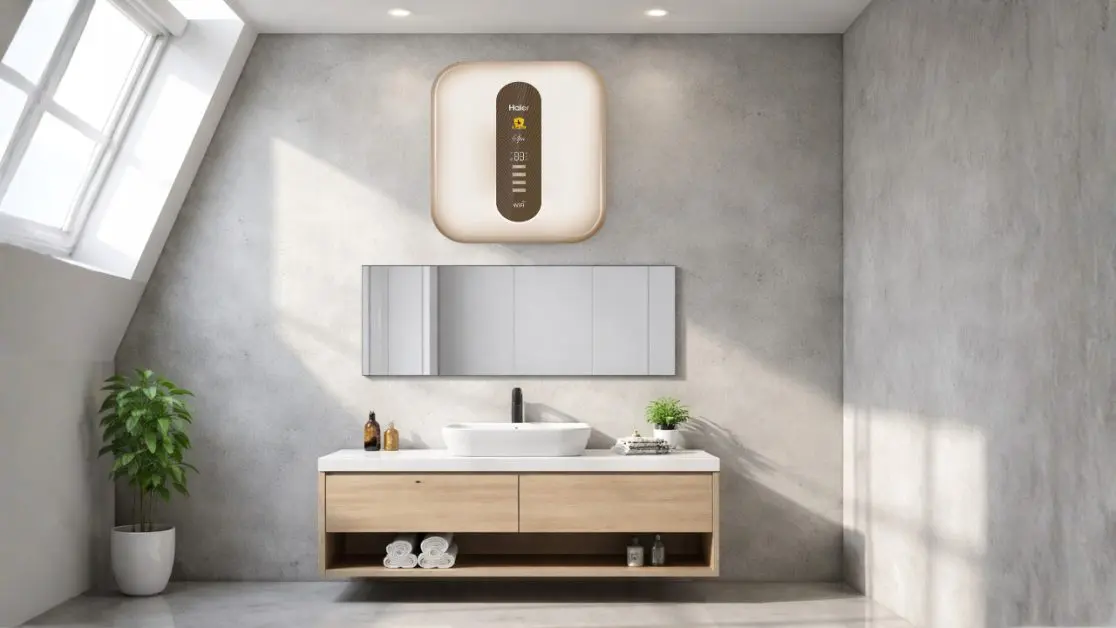
If you prefer a newer water heater model, the Haier 15L Square Spa WiFi Water Heater (ES15V-SD WIFI) is an alternative.
This model comes with Shock Proof Technology, Dual Thermal Proof and IPX4 Splash resistance.
It also has a digital temperature display, a corrosion resistant Titanium coated tank and a Titanium Guard heating element.
Additional features include:
- 8-bar rated working pressure.
- A MUV valve is a pressure related protection valve.
- RSC U-turn Flow Technology for water circulation.
- Heat Retention PUF/EPS insulation.
- Bacteria Proof System Mode for hot water to 80°C.
The combination of its protective features and digital temperature indication make it a consideration when upgrading an existing storage water heater.
Significantly, in-built protection technologies work alongside good electrical installation. They cannot be used to replace proper earthing, properly rated circuit protection or professional maintenance.
How to Stop Geyser Tripping Again?
Not all electrical failures can be avoided. However, there are some maintenance practices that can minimize unnecessary issues.
Prioritise Proper Installation
The geyser should be properly wired, be well earthed and have the correct electrical protection, as per a competent professional.
Do not use extension boards or make up connections with high power water heaters.
Arrange Periodic Inspections
Have a qualified technician check the heating element, electrical connections, thermostat and other components.
In hard water areas, it is also recommended to check for mineral deposits.
Address Small Problems Early
If the heating is unusual, there is visible leakage or it is tripping intermittently, it should never be ignored.
If the damage to parts is discovered early, it may be possible to avoid additional damage.
Choose Protective Features Carefully
When buying a new geyser, check the electrical protection, overheating protection, splash resistance rating and the tank construction.
Haier India water heater range offers a variety of water heaters with these attributes, enabling households to select based on their capacity needs and installation requirements.
Make Electrical Safety a Part of Your Daily Life
If a geyser keeps tripping the MCB or ELCB, it must be addressed by a professional, and not by resetting the switch again.
The issue could be a failing heating element, wiring problems, overload or electrical leakage. The root cause needs to be determined before the appliance can be safely used again.
When choosing a new water heater, look for protection as well as heating performance and capacity.
Check out Haier India’s various storage water heater models such as the 15L Square Spa Ivory, 15L PRECIS ABS and 15L Square Spa Wi-Fi and select the model that fits your family’s hot water needs.
A comfortable hot shower should start with a well-installed, well-maintained water heater.
Frequently Asked Questions
1. Why does my geyser trip the MCB immediately after switching on?
Immediate tripping may indicate a short circuit, damaged wiring, or an internal electrical fault. A qualified technician should inspect the circuit and appliance before further use.
2. Can a faulty thermostat cause a geyser to trip?
A defective thermostat may cause abnormal heating behaviour. However, an MCB or ELCB trip indicates an electrical protection event that requires proper diagnosis.
3. Is it safe to use a geyser that occasionally trips the ELCB?
No. Even occasional tripping can indicate electrical leakage or an installation fault. Stop using the appliance until it has been inspected.
4. Does a geyser need a separate MCB?
A dedicated, appropriately rated circuit is generally advisable for a high-power water heater. The final electrical arrangement should be determined by a qualified electrician according to applicable requirements.
5. Will replacing the heating element stop the MCB from tripping?
Only if the heating element is responsible for the fault. Wiring defects, overloads, and other electrical problems can also cause tripping.
6. Do Haier water heaters have electrical safety features?
Yes. Selected Haier water heaters, including the Square Spa Ivory, PRECIS ABS, and Square Spa Wi-Fi models, feature Shock Proof Technology and Dual Thermal Proof. These protective systems must be supported by proper installation and electrical safety devices.