
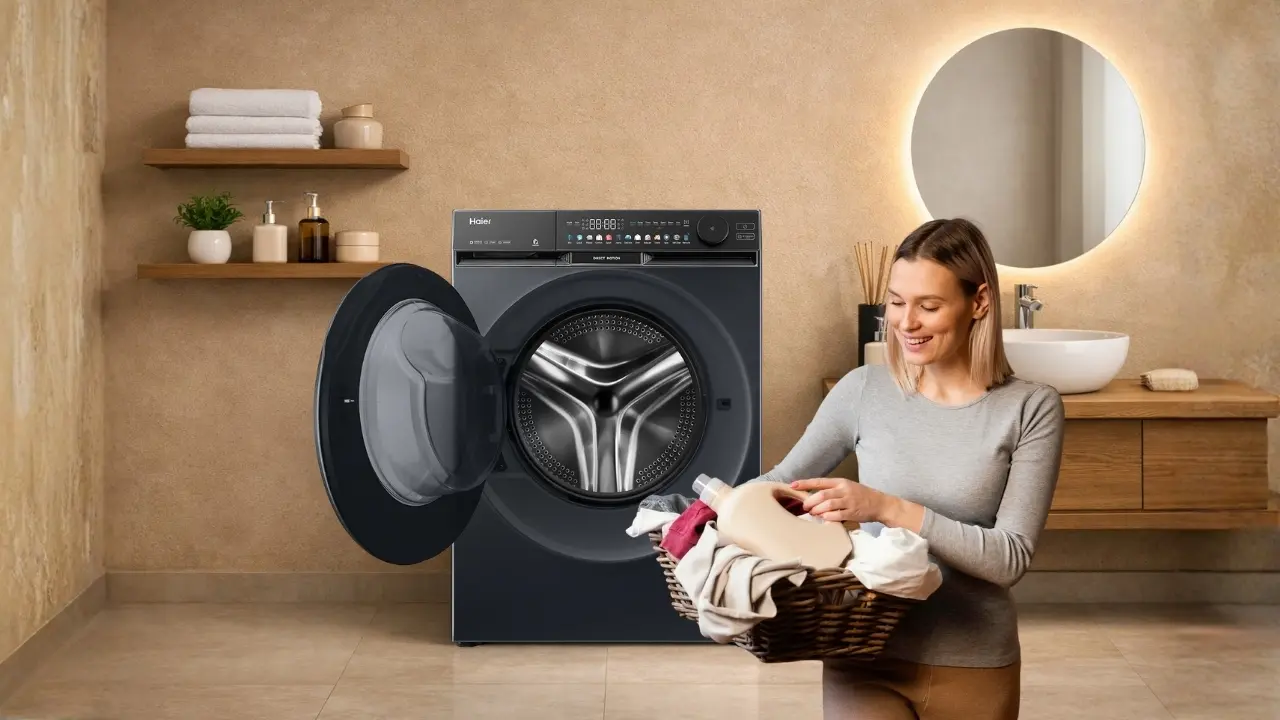

Clean clothes only happen consistently when the machine behind them stays clean too.
In modern Indian homes, laundry is no longer just about removing stains.
It is about hygiene, fabric care, energy use, time saved, and peace of mind. A clean washing machine is not a bonus feature. It is the system that makes everything else work better.
The moment laundry stops being “just laundry”
It usually starts quietly.
A favourite kurta smells faintly musty even after a wash.
Towels feel rough, not fresh.
The machine itself looks clean, but something feels off.
Most households blame detergent. Or water quality. Or humidity.
The real issue often sits deeper.
Laundry is a closed loop system. Dirty clothes go in. Water, heat, motion, and time do their work. Clean clothes come out.
But when the system itself carries residue, bacteria, or detergent buildup, the output changes.
A machine can only clean as well as it is clean.
That is the invisible rule many of us learn late.
Why washing machines get dirty faster than we think
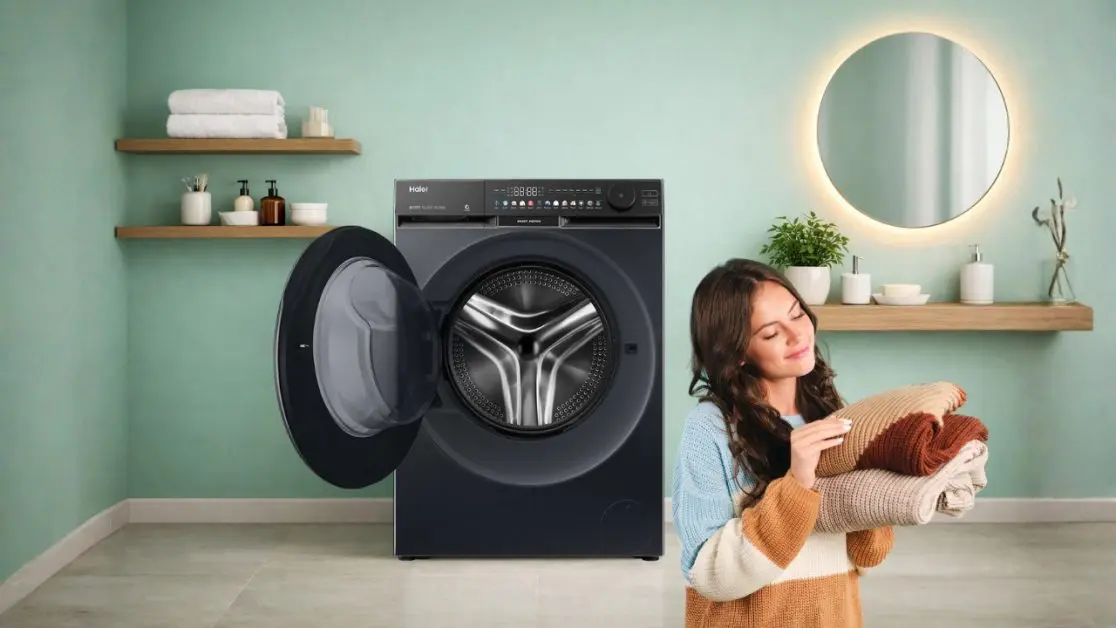
The Indian laundry reality
Indian homes wash differently.
- Heavier fabrics like jeans, cotton sarees, bedsheets
- Frequent quick washes between workdays
- Hard water in many cities
- High humidity during monsoon months
- Detergent overdosing because “extra foam feels safer”
Each factor adds stress to the machine.
Residue builds up behind the drum. Moisture stays trapped in seals. Detergent settles in corners you never see.
Over time, this creates three silent problems.
1. Odour retention
2. Fabric dullness
3. Higher energy and water use
The clothes suffer first. The machine follows.
The false assumption that breaks most machines
If it looks clean, it must be clean.
That assumption ruins more washing machines than overloading ever will.
Modern front-load machines work with precision. Smaller water volumes. Controlled heat. Optimised motion.
But that precision also means maintenance matters more than before.
A neglected modern machine loses efficiency faster than an old one.
Clean machine habits that actually change outcomes
One option is ignoring it
Many households do this.
They wash. They unload. They close the door.
The machine stays shut, damp, and dark.
The cost is invisible at first.
Then it shows up as odour, rewashes, fabric damage, and higher power bills.
The second option is surface cleaning
Wiping the door. Cleaning the detergent tray once in a while.
This helps. But it treats symptoms, not the system.
The third option is designing cleanliness into the machine
This is where modern washing machines change the equation.
Instead of asking users to remember everything, the machine itself reduces buildup, rinses more effectively, and keeps internal parts fresher by design.
That difference compounds over years.
What actually keeps a washing machine clean from the inside
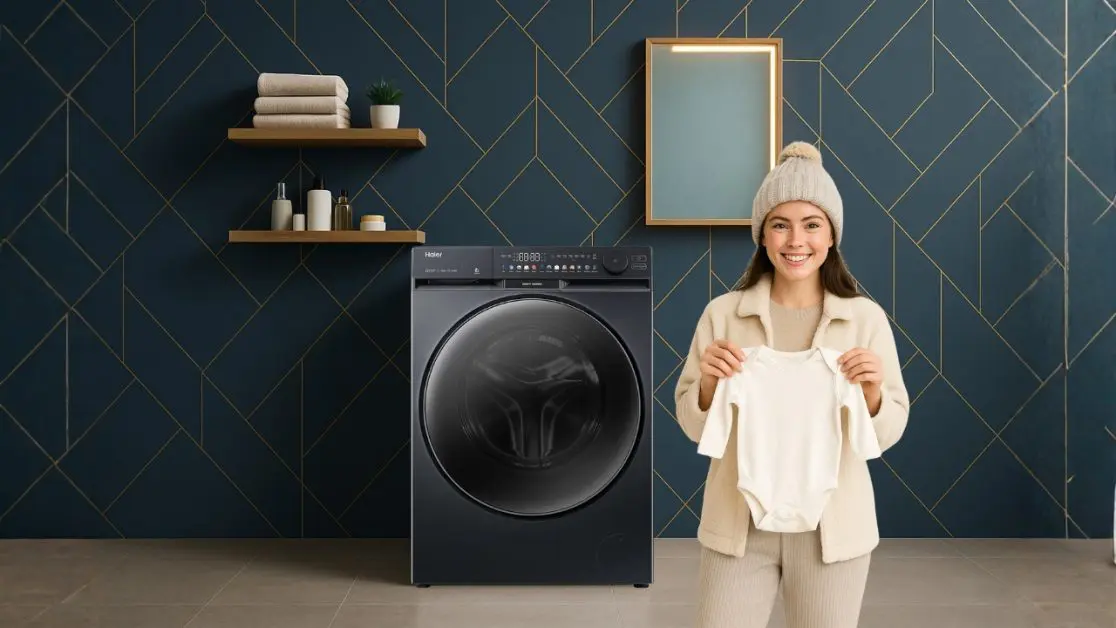
Water flow matters more than you think
A strong internal rinse system ensures detergent and dirt do not cling to the drum or gasket.
Some modern machines use dual spray systems that actively rinse both the drum and door seal after wash cycles.
This reduces residue buildup that leads to odour and bacteria.
In Haier front-load machines, the Dual Spray system is designed to flush out leftover detergent and lint more thoroughly, helping keep the interior cleaner between washes .
The benefit is simple.
Cleaner internals.
Cleaner clothes.
Fewer hygiene issues over time.
Drum design changes fabric outcomes
Drum shape is not cosmetic.
A larger drum diameter allows clothes to lift higher and fall more naturally. This improves wash action while reducing fabric stress.
Haier’s Super Drum with a 525 mm diameter increases space inside the drum, helping clothes move freely without tangling excessively .
The system benefit is subtle but powerful.
- Better dirt removal
- Less fabric friction
- Reduced lint buildup inside the machine
A clean movement creates a cleaner machine.
Motion without vibration protects everything
Traditional belt-driven motors create vibration. Vibration loosens residue and pushes moisture into unwanted corners.
Direct Motion Motors connect directly to the drum. Fewer moving parts. Less vibration. More control.
In Haier front-load washing machines, the Direct Motion Motor reduces noise, vibration, and internal wear while improving energy efficiency .
Less vibration means fewer hidden deposits.
And fewer deposits mean fewer hygiene issues.
Why hygiene cycles matter more now than before
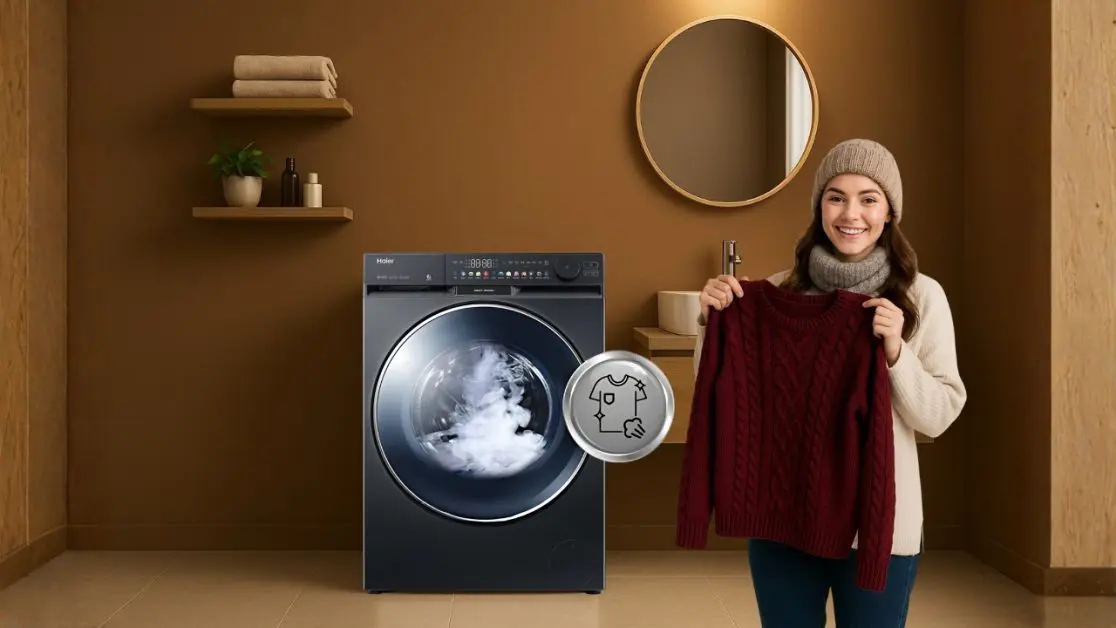
Urban living changed laundry needs
Smaller homes.
Shared spaces.
Air pollution.
Dust.
Sweat-heavy clothing from long commutes.
All of this increases microbial load on clothes.
Machines that offer dedicated hygienic or high-temperature programs help eliminate allergens and bacteria that standard washes may leave behind.
Haier machines support temperatures up to 90°C in specific programs, designed to improve hygiene for items like baby clothes, bedding, and innerwear .
This is not about extreme washing.
It is about intentional washing.
Steam refresh reduces over-washing
Not every garment needs a full wash.
Steam-based refresh programs help remove odour and wrinkles without detergent or long cycles.
This reduces fabric wear and internal residue buildup at the same time.
Fewer washes.
Cleaner internals.
Longer fabric life.
That is system thinking in action.
Energy efficiency starts with cleanliness
A dirty machine works harder.
Residue increases friction.
Moisture retention increases drying time.
Sensors misread load conditions.
Clean internals allow sensors to do their job properly.
Haier’s Eco Wash features automatically adjust water levels and wash time based on load weight, helping conserve energy and water when the system is clean and calibrated correctly .
Efficiency is not just a rating on a label.
It is the outcome of a clean system working as intended.
Small habits that extend machine life dramatically
You do not need rituals. Just consistency.
- Leave the door slightly open after washes
- Use the right detergent quantity
- Run a self-clean cycle periodically
- Avoid constant short cycles for heavy loads
- Clean the detergent drawer monthly
These habits reduce internal stress and residue buildup.
Machines last longer when users work with the system, not against it.
Why smart features help, even if you ignore the app
Connectivity is not about control. It is about awareness.
Smart washing machines can notify users when a self-clean cycle is needed or when the wash is complete.
Haier’s WiFi-enabled machines allow monitoring cycles and reminders through the Haier Smart app, reducing forgotten loads and moisture retention inside the drum .
The benefit is not technology.
There are fewer mistakes.
The hidden cost of ignoring machine hygiene
Over time, neglect compounds.
- Clothes need rewashing
- Detergent usage increases
- Fabric life shortens
- Machine efficiency drops
- Repairs become frequent
What feels like saving effort often costs more in the long run.
Clean machines protect time, money, and peace of mind.
Why the perfect combo matters
Clean clothes feel good.
They signal order. Care. Readiness.
But they only stay that way when the system behind them works quietly and consistently.
Modern washing machines are no longer appliances.
They are infrastructure.
Haier designs machines that treat cleanliness as a system, not a feature. From drum design and rinse mechanisms to motor control and hygiene programs, the focus stays on long-term reliability and real-world Indian usage patterns.
That approach fits modern homes where time is limited, expectations are high, and small efficiencies matter daily.
The bigger takeaway
Clean clothes are visible.
Clean machines are invisible.
But invisible systems decide visible outcomes.
When appliances work quietly in the background, life feels smoother. Less friction. Fewer decisions. Better days.
That is not about owning better products.
It is about choosing systems that respect how people actually live.
And when clean clothes meet a clean machine, everything else feels easier too.